
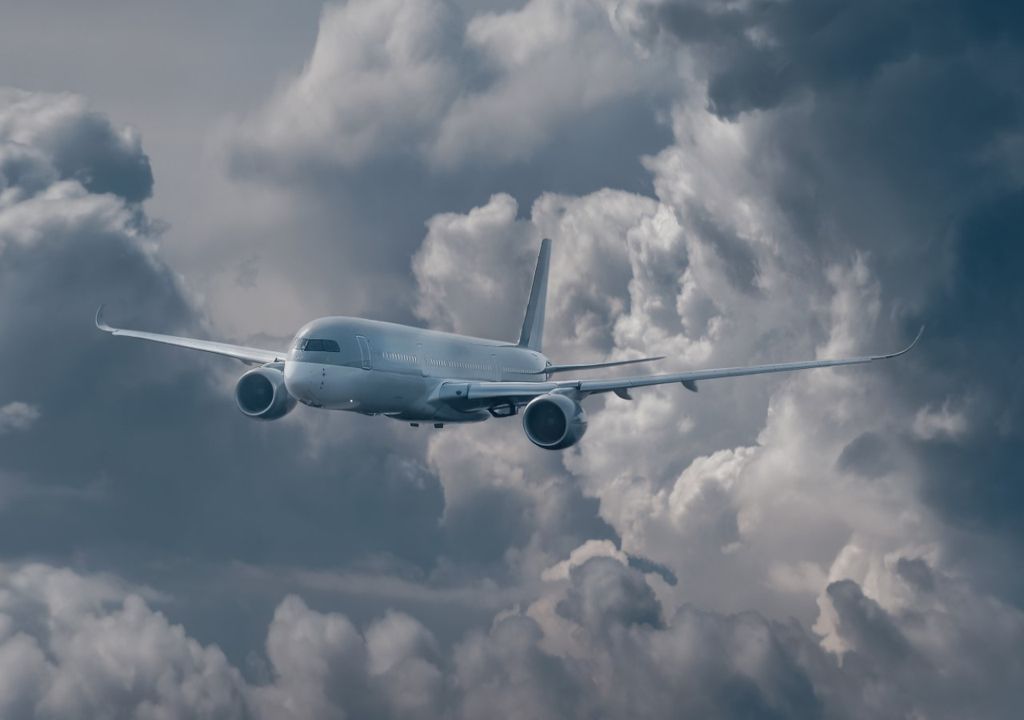
Turbulence has always been part of flying, but pilots and scientists agree on something that would have sounded alarmist a decade ago: it's genuinely getting worse, and climate change is the reason why. The bigger question for anyone booking a flight isn't whether turbulence is increasing. It's whether that increase actually makes flying more dangerous.
The Science Behind Why Turbulence Is Increasing
The clearest evidence comes from the same research team that's been tracking this problem for years. University of Reading atmospheric scientist Paul Williams reports that severe clear-air turbulence has increased by 55% since 1979, a finding backed by a newer 2025 study that dug into the actual mechanism driving that increase. That research, published in the Journal of the Atmospheric Sciences, found that wind shear will increase by 16–27% and the atmosphere will become 10–20% less stable between 2015 and 2100, creating exactly the conditions that produce clear-air turbulence.
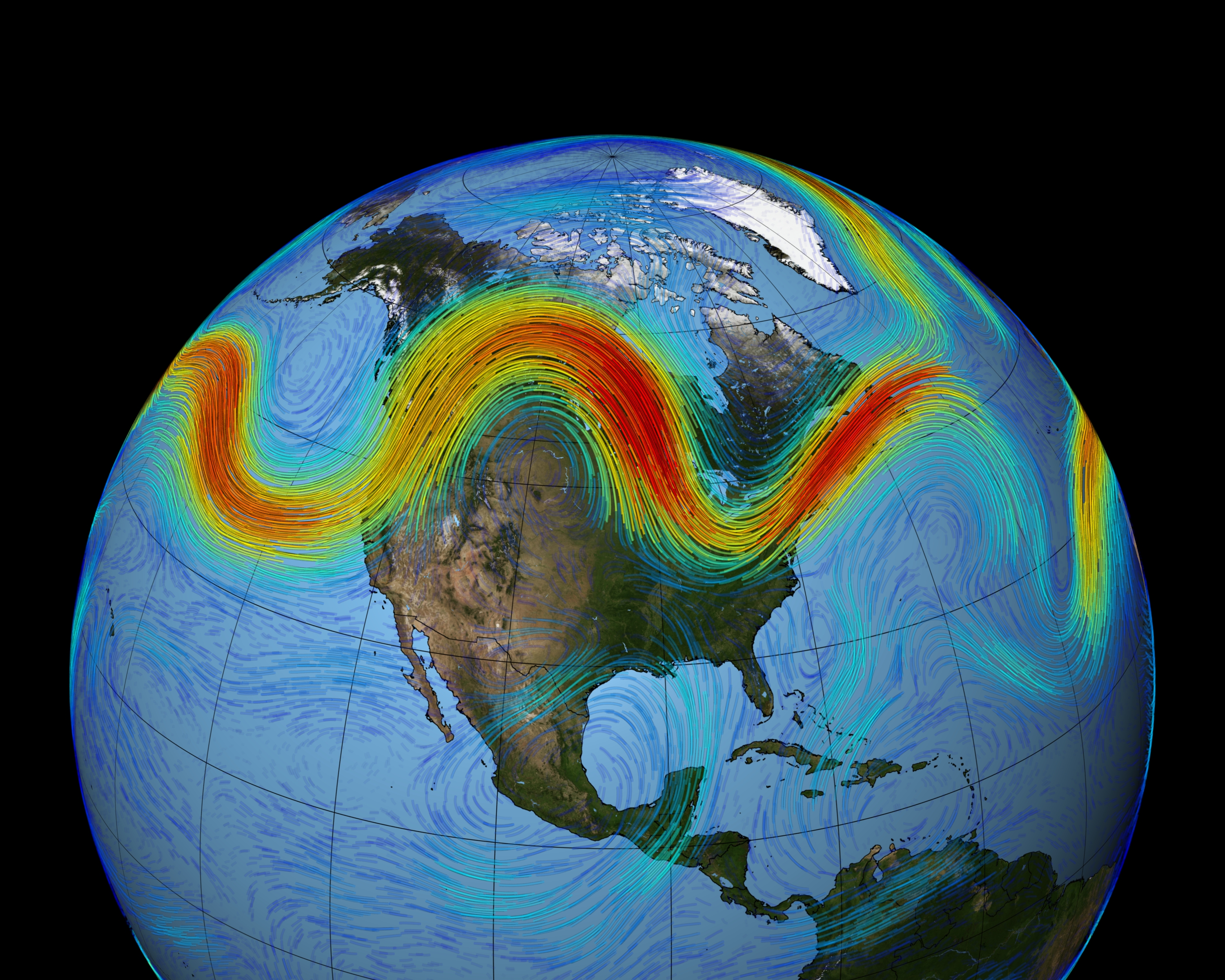
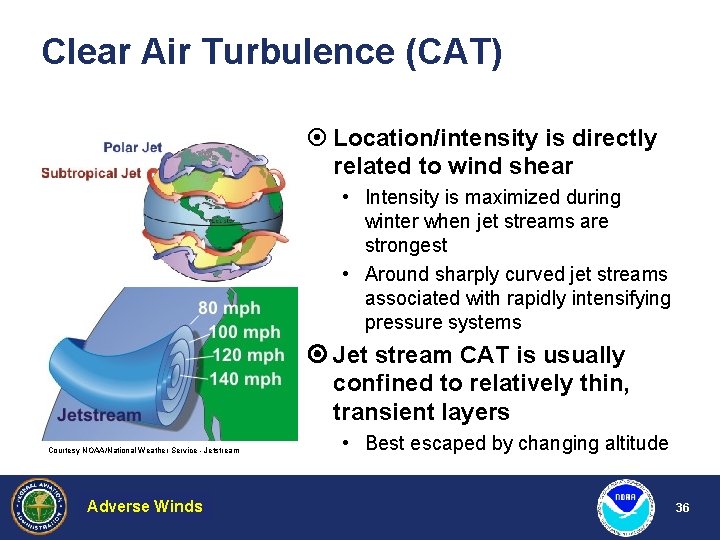
The reason ties directly back to the jet stream. Warmer air at the equator and cooler air near the poles create the temperature difference that powers jet stream winds, and as climate change alters that temperature balance unevenly, it strengthens the wind shear, the difference in wind speed at different altitudes, that generates clear-air turbulence in the first place.
Why Clear-Air Turbulence Is the Type Pilots Fear Most
Not all turbulence is equally concerning, and clear-air turbulence is the specific type driving most of this research. Lead researcher Joana Medeiros explained the core problem: increased wind shear and reduced atmospheric stability work together to create favorable conditions for clear-air turbulence, the invisible, sudden jolts that can shake an aircraft without warning, and unlike turbulence caused by storms, it cannot be seen on radar, making it difficult for pilots to avoid.
That invisibility is exactly what makes it dangerous, not because it threatens the aircraft, but because it catches passengers and crew off guard without warning.
Is Turbulence Actually Dangerous to Passengers?
Here's where the data offers real reassurance alongside the concerning headlines. In the United States, the world's largest air travel market, only 163 turbulence-related injuries required hospitalization between 2009 and 2022, according to Federal Aviation Administration data, compared against tens of millions of flights during that same period. Flight crew members account for 79% of all turbulence-related injuries, largely because they're the ones still moving through the cabin, serving meals or checking on passengers, when turbulence hits unexpectedly.
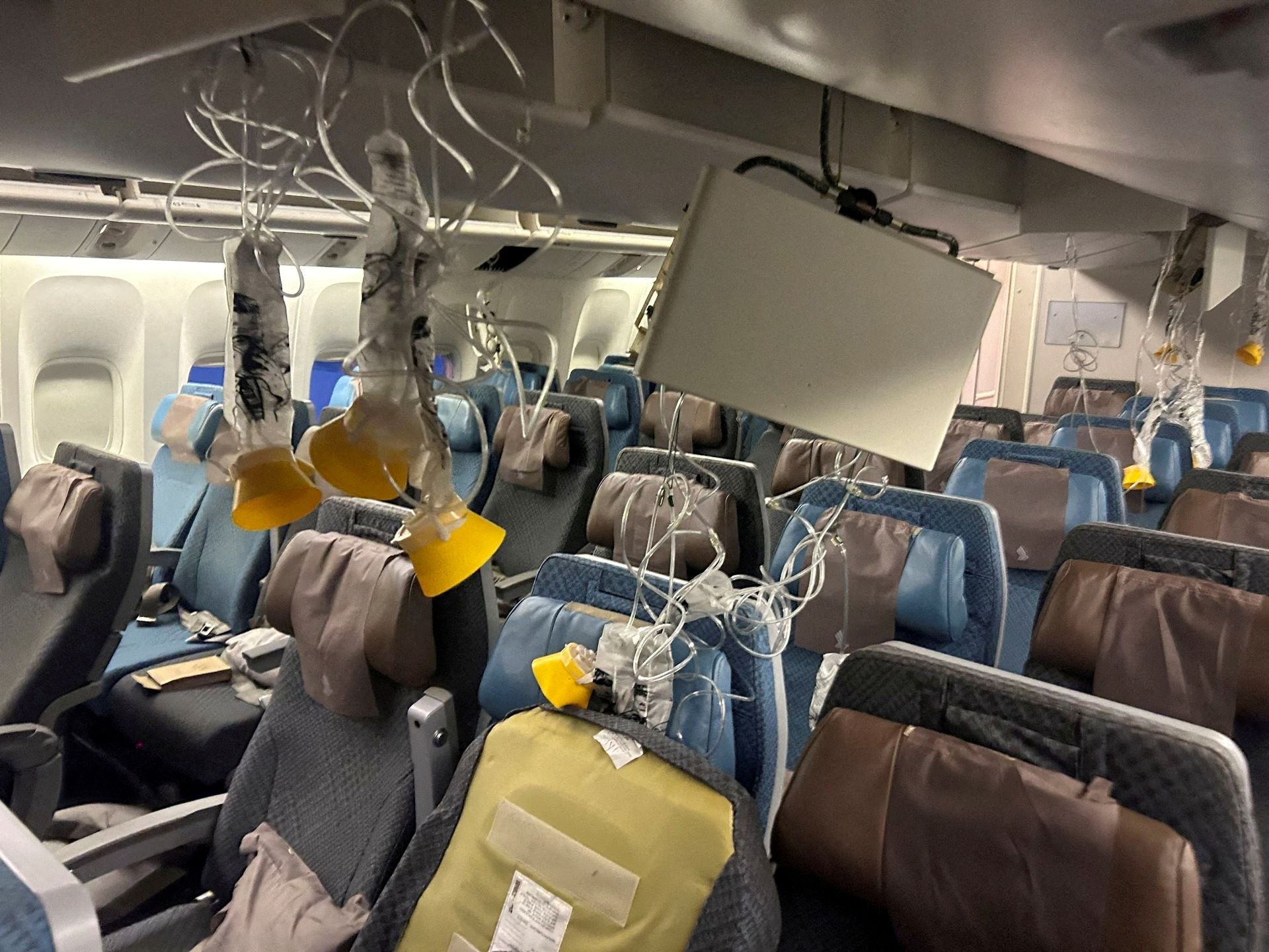
The May 2024 Singapore Airlines SQ321 incident became the case that put this entire issue in the spotlight, and for good reason. Singapore's Transport Safety Investigation Bureau found the aircraft experienced a rapid change in G-force, from negative 1.5G to positive 1.5G within just four seconds, causing an altitude drop of 178 feet that flung unbelted passengers and crew into the cabin ceiling. One passenger died of cardiac arrest, and dozens more were injured. According to aviation data firm Cirium, it was the first death from turbulence on a commercial flight in almost three decades, with the previous fatality recorded in 1997.
That rarity matters. Severe, injury-causing turbulence events remain genuinely uncommon events, even as milder, more frequent turbulence becomes a normal part of more flights.
Can Turbulence Actually Damage an Aircraft?
Commercial aircraft are engineered with wide safety margins specifically to handle turbulence, and no modern jet has crashed purely because turbulence exceeded its structural limits. The real risk isn't structural. It's what happens inside the cabin when people aren't buckled in. A 2021 National Transportation Safety Board study found turbulence-related accidents were the most common type of airline accident between 2009 and 2018, with most resulting in serious injury but no damage to the aircraft itself.
That said, severe encounters aren't entirely without consequence for the aircraft. Research into the SQ321 incident notes that any severe turbulence encounter requires a full inspection of the aircraft's structure afterward as a standard precaution, which makes turbulence a real operational and financial cost, even when the airframe itself was never in genuine danger.
The Bottom Line: Should You Be Worried About Turbulence?
Turbulence is measurably increasing, and the science behind why is solid and well-documented. But the honest picture is more reassuring than alarming for the average passenger. Modern aircraft are built to handle it structurally; injuries remain rare relative to the billions of passengers who fly every year, and the overwhelming majority of turbulence injuries happen to people who weren't wearing their seatbelt when the seatbelt sign was on.
The single most effective thing any passenger can do about worsening turbulence hasn't changed at all: keep your seatbelt fastened, even when the sign is off.
Airbus Invests £150 Million to Convert Former A380 Wing Factory for A321neo Production » Super Puma Firefighting Helicopter Crashes at Yosemite, Killing Both Pilots » Turkish Airlines Confirms Order for 100 Boeing 737 MAX Jets »

Comments (0)
Add Your Comment
TAGS
INFORMATIONAL turbulence getting worse climate change turbulence clear-air turbulence turbulence and climate change aircraft turbulence flight turbulence jet stream turbulence wind shear aviation safety turbulence injuries Singapore Airlines SQ321RECENTLY PUBLISHED
 UAE Suspends Iranian Airline Flights to Comply With US Sanctions, Triggering Retaliatory Airspace Ban From Tehran
The UAE has halted all Iranian carrier operations to comply with reimposed US sanctions, prompting Iran to bar Emirati airlines from its airspace.
NEWS
READ MORE »
UAE Suspends Iranian Airline Flights to Comply With US Sanctions, Triggering Retaliatory Airspace Ban From Tehran
The UAE has halted all Iranian carrier operations to comply with reimposed US sanctions, prompting Iran to bar Emirati airlines from its airspace.
NEWS
READ MORE »
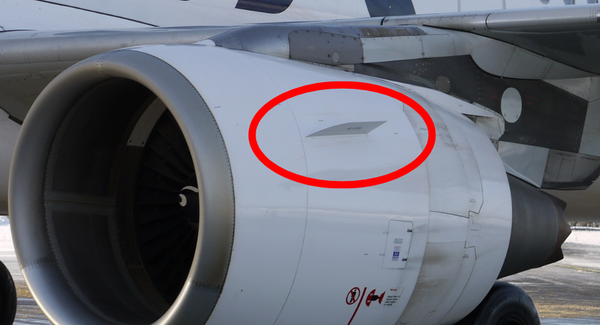 What Are Strakes? The Aerodynamic Fins Attached on an Aircraft's Fuselage
A look at how aircraft strakes quietly shape airflow, improve stability, and enhance aerodynamic performance.
INFORMATIONAL
READ MORE »
What Are Strakes? The Aerodynamic Fins Attached on an Aircraft's Fuselage
A look at how aircraft strakes quietly shape airflow, improve stability, and enhance aerodynamic performance.
INFORMATIONAL
READ MORE »
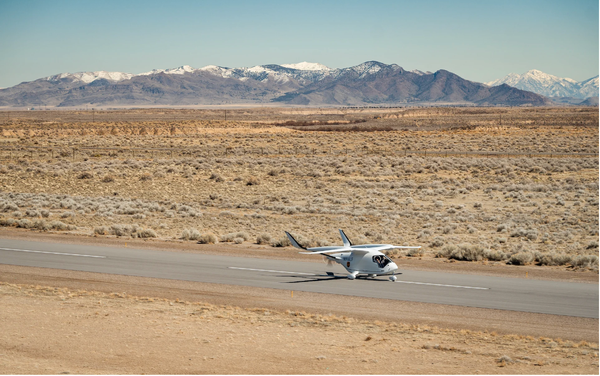 BETA Technologies Begins Electric Aircraft Operations in North Carolina to Support Rural Healthcare Access
BETA Technologies launches its ALIA CTOL electric aircraft in North Carolina under a FAA program aimed at improving rural healthcare logistics.
NEWS
READ MORE »
BETA Technologies Begins Electric Aircraft Operations in North Carolina to Support Rural Healthcare Access
BETA Technologies launches its ALIA CTOL electric aircraft in North Carolina under a FAA program aimed at improving rural healthcare logistics.
NEWS
READ MORE »
More than just headlines.
Get unlimited ad-free access to in-depth aviation news, premium stories, and exclusive insights other sites don't cover.
- Ad-free browsing on AeroXplorer
- Unlimited access to premium and exclusive articles
- Higher photo upload limits & commissions on sales
- Free access to Jetstream Magazine on higher tiers
- Ad-free browsing
- Sell aviation photos with 60% commission
- First week free!
- Everything in Basic+
- Unlimited premium articles
- Sell aviation photos with 70% commission
- Free Digital subscription to Jetstream Magazine
- First week free!
- Everything in Basic+ and Pro
- Sell aviaiton photos with 80% commission
- Early access to exclusive stories
- Free Digital+Print subscription to Jetstream Magazine