
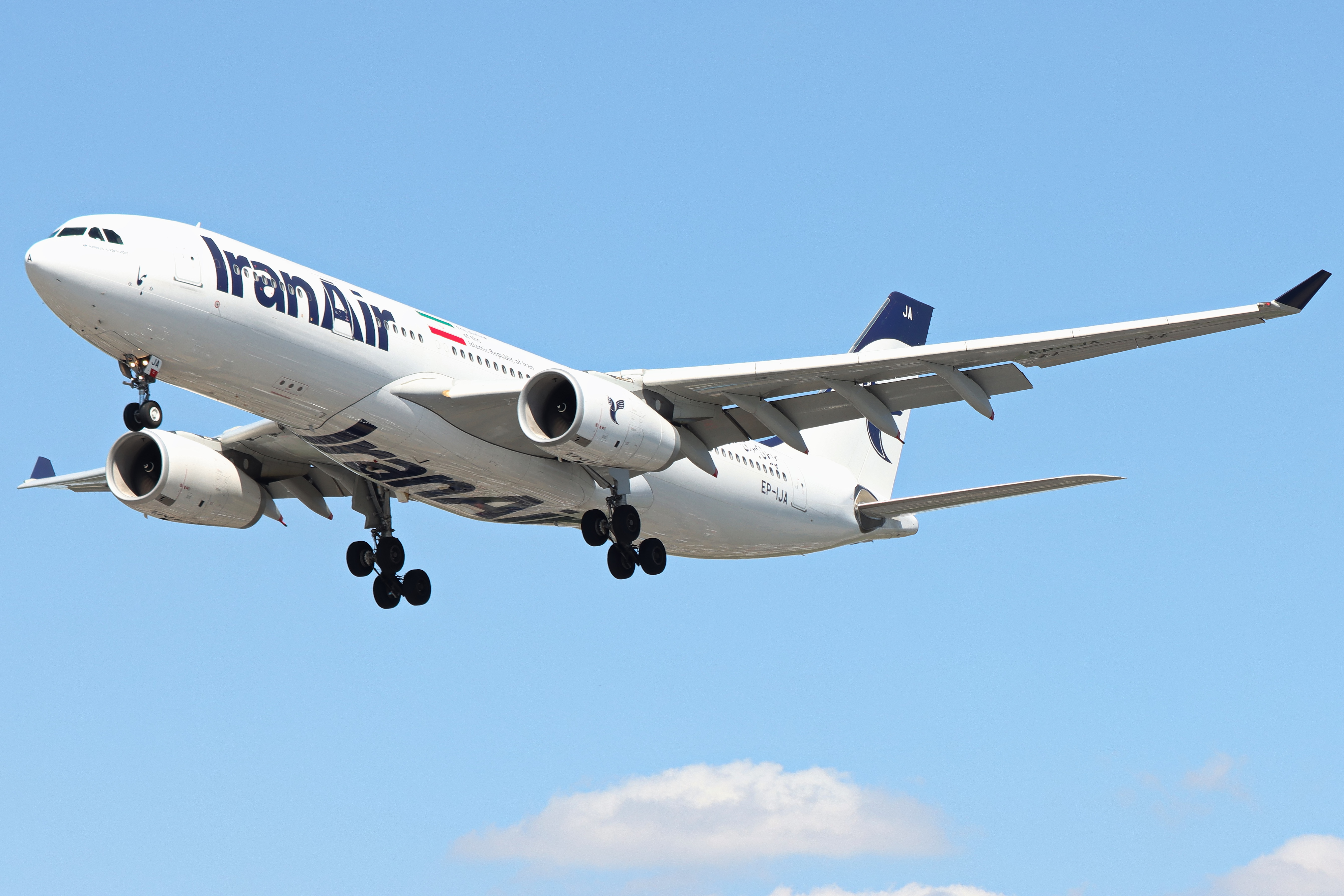

The United Arab Emirates has suspended all flights operated by Iranian airlines into its territory, a decision aimed at shielding the Gulf state from secondary sanctions imposed by the United States. Iran responded swiftly, barring UAE-based carriers from crossing its airspace and setting off fresh tensions between the two neighbors.
The suspension took effect this week after the United States moved to reimpose sweeping sanctions on Tehran under the so-called snapback mechanism tied to the 2015 nuclear accord. The measures target entities that continue to do business with sanctioned Iranian companies, including its aviation sector.
Dubai Moves to Protect Its Aviation Sector
Dubai has long served as one of the busiest gateways between Iran and the rest of the world, with Iranian carriers such as Mahan Air, Iran Air, and Iran Aseman operating frequent services into Dubai International Airport and Sharjah. The UAE's decision to halt those operations reflects concerns that continued cooperation with Iranian airlines could expose Emirati companies, banks, and airports to punitive action from Washington.
The suspension was communicated to Iranian carriers with little advance warning, leaving passengers stranded and airlines scrambling to rebook travelers on alternative routes. The UAE General Civil Aviation Authority confirmed that Iranian airline flights had been halted to comply with the new sanctions regime.
Emirati officials have emphasized that the move is regulatory rather than political, driven by the need to avoid secondary sanctions that could cripple the UAE's globally connected aviation industry. Dubai International Airport remains the world's busiest airport for international passenger traffic, and any disruption to its access to US financial systems or American-manufactured aircraft parts would carry severe consequences.

Tehran Responds With Airspace Ban
Iran retaliated within days, closing its airspace to UAE-registered carriers including Emirates, Etihad Airways, flydubai, and Air Arabia. The move forces Emirati airlines to reroute flights bound for Europe, Central Asia, and other destinations that typically pass over Iranian territory.
The rerouting adds significant flight time and fuel costs to affected services, and it complicates operations for airlines that rely on efficient overflight corridors through Iranian airspace. Iran had previously earned substantial overflight fees from the heavy volume of Gulf carrier traffic passing through its skies, revenue that will now dry up as long as the ban remains in place.
Iranian civil aviation officials framed the airspace closure as a proportionate response to what they described as the UAE's capitulation to American pressure. The retaliation marks a sharp deterioration in aviation ties between the two countries, which had until recently maintained relatively pragmatic commercial relations despite broader geopolitical friction.
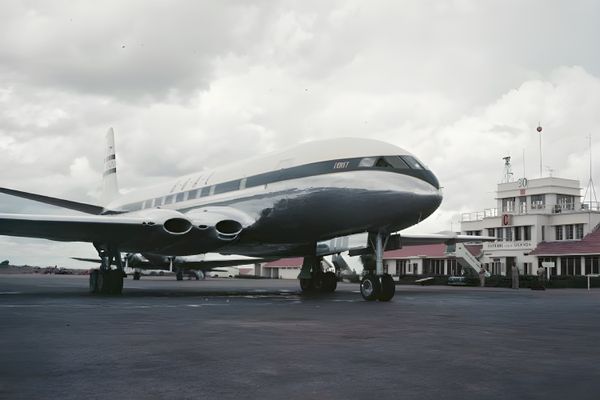
The Shape of Disaster: The Plane That Kept Falling Apart Mid-Air
The Snapback Mechanism
The current crisis stems from the reactivation of United Nations sanctions on Iran through the snapback process, a provision built into the 2015 Joint Comprehensive Plan of Action. European signatories to the deal triggered the mechanism in response to Iran's continued advancement of its nuclear program and its refusal to grant international inspectors full access to its facilities.
With snapback in effect, Washington has moved aggressively to enforce compliance among third countries, warning that any entity providing material support to sanctioned Iranian firms could face secondary sanctions. That threat has forced governments and companies across the Middle East, Asia, and Europe to reassess their commercial ties with Tehran.
For the UAE, the calculation is straightforward. The country's economic model depends on unfettered access to Western markets, financial systems, and technology. The aviation sector in particular relies heavily on Boeing aircraft, American-made engines and components, and dollar-denominated leasing arrangements. Any interruption to those supply chains would prove catastrophic for carriers such as Emirates and Etihad.

Passenger Impact and Regional Fallout
Thousands of passengers have been affected by the twin suspensions. Iranian nationals working in the UAE, business travelers, and families with cross-border ties face significantly reduced options for direct travel between the two countries. Alternative routings through Doha, Istanbul, or Muscat are expected to absorb some of the displaced demand, though at higher cost and with longer travel times.
The disruption also carries implications for cargo operations, remittance flows, and the broader commercial relationship between Dubai and Iran. Dubai has historically served as a key trading hub for Iranian businesses seeking access to global markets, and the aviation cutoff will compound the difficulties facing Iranian firms already struggling under sanctions.
Industry analysts note that the standoff could persist for some time. Neither side appears willing to back down, with the UAE unable to defy US sanctions and Iran unwilling to accept what it views as an unjustified blockade of its national carriers.
What Comes Next
The situation remains fluid, and further escalation cannot be ruled out. Regional aviation authorities are monitoring the dispute closely, given the potential for wider disruption to Middle Eastern airspace management. Airlines operating in the region are reviewing contingency plans and adjusting schedules to account for the new operational realities.
For travelers, the guidance is to check directly with airlines before booking any journey between the UAE and Iran, or any flight that would traditionally cross Iranian airspace. The rules governing which carriers can fly where have shifted dramatically in a matter of days, and further changes are likely as both governments weigh their next moves.
Are Ultra-Long-Haul Routes Actually Profitable, or Just Good PR? » Airbus Uncovers Coating Flaw on A321neo Fuselage Stringers, Threatening September Delivery Targets » KLM Welcomes Its First Airbus A350 to Schiphol Fleet »

Comments (0)
Add Your Comment
TAGS
NEWS UAE Iran US Sanctions Airspace Ban Iranian Airlines Middle East Aviation International Relations Aviation Policy Diplomatic Tensions Flights Routes TravelRECENTLY PUBLISHED
 IATA's New Passenger Data Shows Global Air Travel Demand Shrinking for the First Time This Year
Global air travel just hit a reverse that has not been seen in months -- the numbers point to something more interesting than a simple slowdown.
INFORMATIONAL
READ MORE »
IATA's New Passenger Data Shows Global Air Travel Demand Shrinking for the First Time This Year
Global air travel just hit a reverse that has not been seen in months -- the numbers point to something more interesting than a simple slowdown.
INFORMATIONAL
READ MORE »
 The $30 Billion Question: Why America's Air Traffic Control Overhaul Keeps Getting More Expensive
The U.S. government is seeking $30 billion more to modernize America’s aging air traffic control system. Explore the rising $42.5 billion price tag, GAO oversight concerns, and where the new funding would go.
INFORMATIONAL
READ MORE »
The $30 Billion Question: Why America's Air Traffic Control Overhaul Keeps Getting More Expensive
The U.S. government is seeking $30 billion more to modernize America’s aging air traffic control system. Explore the rising $42.5 billion price tag, GAO oversight concerns, and where the new funding would go.
INFORMATIONAL
READ MORE »
 Embraer Posts Record 66 Aircraft Deliveries in Q3 2026 as Commercial Jets Climb 10%
Embraer delivered 66 aircraft in Q3 2026, its strongest third quarter on record, with commercial jets up 10% and business jets rising 41%.
NEWS
READ MORE »
Embraer Posts Record 66 Aircraft Deliveries in Q3 2026 as Commercial Jets Climb 10%
Embraer delivered 66 aircraft in Q3 2026, its strongest third quarter on record, with commercial jets up 10% and business jets rising 41%.
NEWS
READ MORE »
More than just headlines.
Get unlimited ad-free access to in-depth aviation news, premium stories, and exclusive insights other sites don't cover.
- Ad-free browsing on AeroXplorer
- Unlimited access to premium and exclusive articles
- Higher photo upload limits & commissions on sales
- Free access to Jetstream Magazine on higher tiers
- Ad-free browsing
- Sell aviation photos with 60% commission
- First week free!
- Everything in Basic+
- Unlimited premium articles
- Sell aviation photos with 70% commission
- Free Digital subscription to Jetstream Magazine
- First week free!
- Everything in Basic+ and Pro
- Sell aviaiton photos with 80% commission
- Early access to exclusive stories
- Free Digital+Print subscription to Jetstream Magazine