


BETA Technologies has commenced electric aircraft operations in North Carolina, marking a significant step in efforts to modernize rural healthcare logistics through zero-emission aviation. The Vermont-based manufacturer is deploying its ALIA CTOL conventional takeoff and landing aircraft as part of the Federal Aviation Administration's Electric Aircraft Integration Pilot Program (eIPP).
The initiative positions North Carolina as one of the earliest testing grounds for integrating electric fixed-wing aircraft into everyday commercial and public service operations. For aviation enthusiasts tracking the maturation of advanced air mobility, the launch represents a tangible move from demonstration flights to sustained operational use.
A Focus on Rural Healthcare Delivery
The North Carolina program centers on healthcare access, particularly for communities located far from major medical hubs. BETA is working alongside state partners to explore how quiet, low-emission aircraft can shorten transit times for medical cargo, patient services, and clinical support in areas where ground transportation is slow or unreliable.
Rural healthcare logistics have long presented challenges for providers operating across dispersed geographies. Electric aircraft, with lower operating costs than conventional turbine platforms and reduced noise footprints, offer a path to expanding the range of services that can be delivered by air without the infrastructure burden traditionally associated with fixed-wing operations.

The ALIA CTOL Aircraft
BETA's ALIA CTOL is a fixed-wing, all-electric aircraft designed for regional missions. The company has been progressing the platform through FAA certification while simultaneously flying it in real-world settings under special authorizations. The CTOL variant complements BETA's eVTOL development track and is intended to serve routes currently operated by small piston and turboprop aircraft.
By deploying the CTOL model in North Carolina, BETA can operate from existing general aviation airports without requiring the vertiport infrastructure associated with eVTOL platforms. That practical advantage has made the CTOL an early candidate for near-term commercial deployment.
The FAA Electric Aircraft Integration Pilot Program
The eIPP was established to accelerate the safe integration of electric aircraft into the National Airspace System. The program pairs manufacturers with state and local partners to identify use cases, develop operational procedures, and generate data that can inform future regulatory frameworks.
North Carolina's participation reflects a broader state-level push to attract advanced aviation activity. State officials have positioned the region as a hub for aerospace innovation, and the addition of electric aircraft operations extends that strategy into the emerging clean aviation sector.

Analysis: How Spirit Airlines Changed Airline Pricing, then Paid the Price
Company Statements
Kyle Clark, BETA's founder and chief executive officer, has said,
"Supporting North Carolina's world-class healthcare systems by using cost-effective, electric flight to overcome the distance that can make it difficult to get critical supplies, specialists, and care where they need to go."
BETA has been steadily expanding its footprint across the United States, with charging infrastructure and flight operations already established in multiple states along the East Coast. North Carolina joins a growing network of regions where the company is testing the economics and practicality of electric flight in real service conditions.

Charging Infrastructure and Ground Support
Central to BETA's operational model is the buildout of its proprietary charging network. The company has deployed charging systems at airports across the country, designed to service both its own aircraft and third-party electric platforms that adopt compatible standards. The infrastructure question remains one of the most important variables in determining how quickly electric aviation can scale.
For the North Carolina operations, charging availability at supporting airfields will determine mission range and turnaround times. BETA has indicated that its infrastructure investments are intended to support not just its own operations but the broader ecosystem of electric aircraft operators expected to enter service in the coming years.
Implications for Advanced Air Mobility
The North Carolina eIPP launch signals a shift in how electric aviation is being introduced to the public. Rather than waiting for full type certification of novel eVTOL platforms, BETA and the FAA are using conventional fixed-wing electric aircraft to establish operational patterns, gather safety data, and build public familiarity with the technology.
Healthcare logistics offers a particularly compelling proving ground. The missions are typically well-defined, the value of speed is measurable, and the beneficiaries are communities that stand to gain immediately from improved connectivity. If the North Carolina program demonstrates measurable benefits, it could serve as a template for similar deployments in other states.
For enthusiasts following the electric aviation sector, the launch marks a meaningful milestone. The industry has spent years discussing potential use cases and projected capabilities. With BETA now flying in North Carolina in support of healthcare operations, the conversation is shifting toward what electric aircraft are actually doing today.
Specific fleet size, flight frequency, and financial terms of the North Carolina program have not been publicly disclosed by BETA at this stage.
This Week in Aviation: The 10 Stories That Mattered Most » Air New Zealand Cancels San Francisco Flight After Pilots Reportedly Fight During Layover » FAA Deploys AI System to Cut Flight Delays at Washington-Area Airports »

Comments (0)
Add Your Comment
TAGS
NEWS BETA Technologies Electric Aircraft North Carolina eVTOL Rural Healthcare Kyle Clark eIPP Electric Aviation Aviation Innovation FlightsRECENTLY PUBLISHED
 UAE Suspends Iranian Airline Flights to Comply With US Sanctions, Triggering Retaliatory Airspace Ban From Tehran
The UAE has halted all Iranian carrier operations to comply with reimposed US sanctions, prompting Iran to bar Emirati airlines from its airspace.
NEWS
READ MORE »
UAE Suspends Iranian Airline Flights to Comply With US Sanctions, Triggering Retaliatory Airspace Ban From Tehran
The UAE has halted all Iranian carrier operations to comply with reimposed US sanctions, prompting Iran to bar Emirati airlines from its airspace.
NEWS
READ MORE »
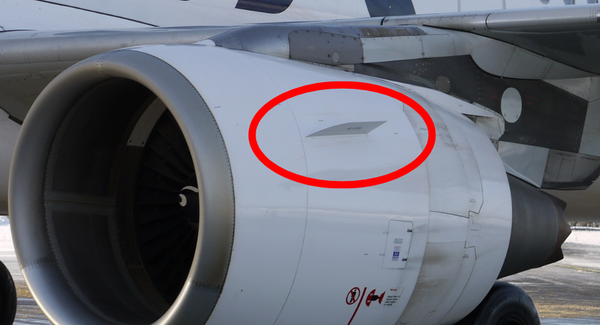 What Are Strakes? The Aerodynamic Fins Attached on an Aircraft's Fuselage
A look at how aircraft strakes quietly shape airflow, improve stability, and enhance aerodynamic performance.
INFORMATIONAL
READ MORE »
What Are Strakes? The Aerodynamic Fins Attached on an Aircraft's Fuselage
A look at how aircraft strakes quietly shape airflow, improve stability, and enhance aerodynamic performance.
INFORMATIONAL
READ MORE »
 Ryanair Pilot Sent Hijack Code Before Turning Flight FR7073 Back to Porto
A Ryanair captain transmitted the 7500 hijack squawk code before diverting flight FR7073 back to Porto, prompting an emergency response.
NEWS
READ MORE »
Ryanair Pilot Sent Hijack Code Before Turning Flight FR7073 Back to Porto
A Ryanair captain transmitted the 7500 hijack squawk code before diverting flight FR7073 back to Porto, prompting an emergency response.
NEWS
READ MORE »
More than just headlines.
Get unlimited ad-free access to in-depth aviation news, premium stories, and exclusive insights other sites don't cover.
- Ad-free browsing on AeroXplorer
- Unlimited access to premium and exclusive articles
- Higher photo upload limits & commissions on sales
- Free access to Jetstream Magazine on higher tiers
- Ad-free browsing
- Sell aviation photos with 60% commission
- First week free!
- Everything in Basic+
- Unlimited premium articles
- Sell aviation photos with 70% commission
- Free Digital subscription to Jetstream Magazine
- First week free!
- Everything in Basic+ and Pro
- Sell aviaiton photos with 80% commission
- Early access to exclusive stories
- Free Digital+Print subscription to Jetstream Magazine