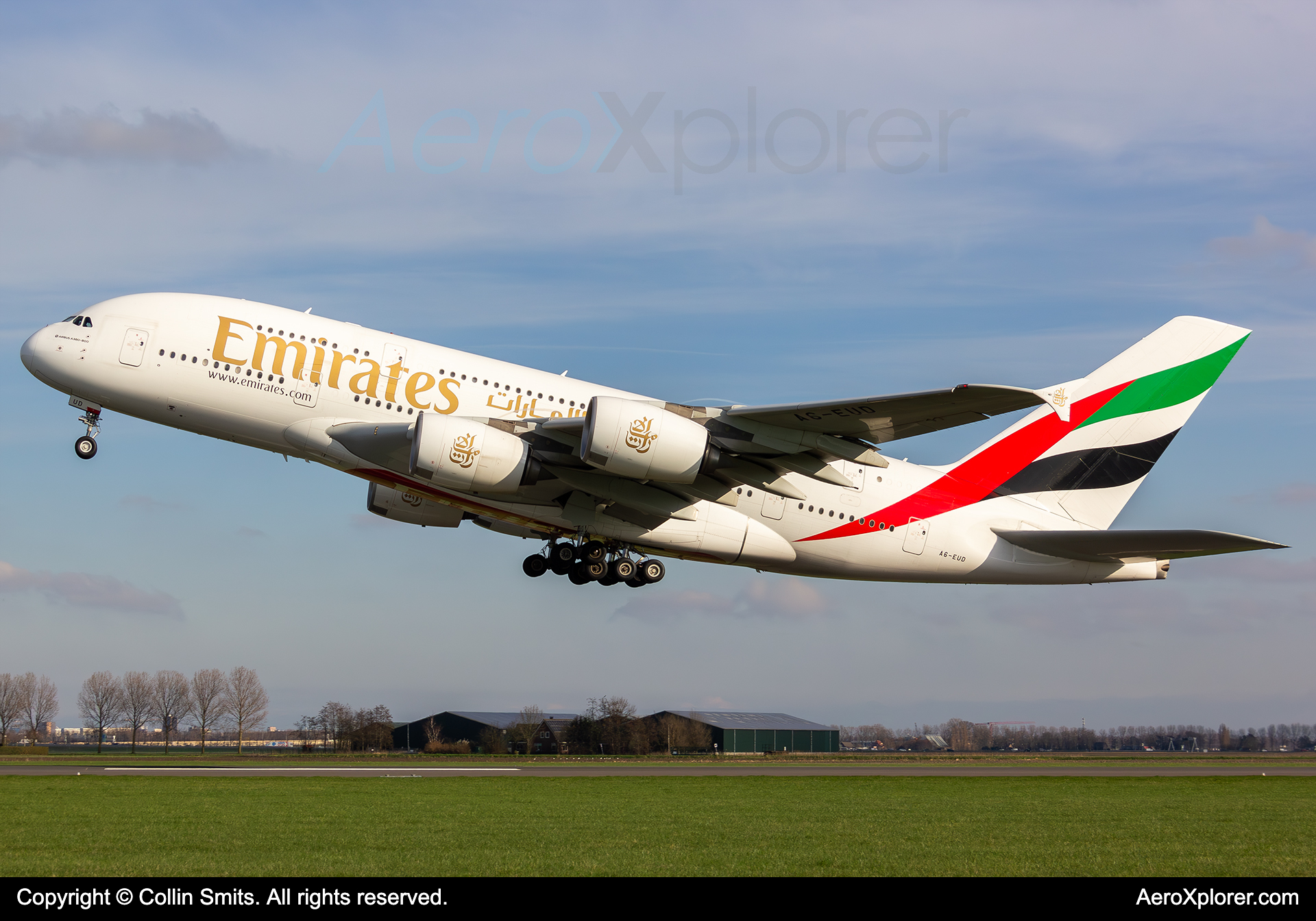

Five people sustained injuries aboard a Eurowings flight after the aircraft encountered severe wake turbulence generated by a passing Emirates A380 superjumbo, according to reports.
The incident involved a Eurowings Airbus A320 traveling from the Greek island of Rhodes to Cologne, Germany. As the smaller jet cruised at 36,000 feet, the pilots were given clearance to climb to 38,000 feet, the same altitude as that of the A380 that was flying, one of the largest passenger aircraft in commercial service. The turbulent air left behind by the superjumbo caused the Eurowings plane to experience sudden and violent movement. During this period, the A320 descended at a staggering rate of 3,000 feet per minute.
Five occupants on the Eurowings flight reported injuries following the encounter. The aircraft continued to its destination, where emergency services met the plane upon arrival to assess those affected.

What Wake Turbulence Means for Smaller Aircraft
Wake turbulence consists of rotating air masses, known as wingtip vortices. Larger planes produce stronger vortices, and the A380, with a maximum takeoff weight exceeding 560 metric tons, generates some of the most powerful wake turbulence in commercial aviation.
Air traffic controllers maintain specific separation distances between aircraft to prevent these encounters. The International Civil Aviation Organization classifies the A380 in its own "super" category, requiring greater spacing behind it than other heavy jets.
When a smaller aircraft enters this disturbed air, the effects can be sudden and forceful. Pilots may briefly lose control as the plane rolls or drops unexpectedly. Passengers and crew not wearing seatbelts face the greatest risk of injury during such events.
The Cockpit’s Next Revolution: When the Co-Pilot Is a Computer
The Sequence of Events
The Eurowings A320 was operating at its assigned cruising altitude when the Emirates A380 passed in the opposite direction at a different flight level. Despite vertical separation, the descending vortices from the larger aircraft reached the Eurowings jet, causing the plane to lurch.
The captain declared the incident and continued the flight to its planned destination. Cabin crew attended to the injured during the remainder of the journey. Upon landing, paramedics evaluated those hurt and transported some for further medical treatment.
Eurowings, a subsidiary of the Lufthansa Group, has not released a detailed public statement identifying each injury. Aviation authorities typically open investigations into such incidents to determine whether separation standards were followed and whether any procedural changes are warranted.
Previous Incidents Involving A380 Wake
This is not the first time the A380's wake has caused trouble for nearby aircraft. In 2017, a Bombardier Challenger business jet flying over the Arabian Sea encountered wake turbulence from an Emirates A380 and rolled multiple times before the crew regained control. That aircraft was substantially damaged and written off, though no fatalities occurred.
Following that event, regulators reviewed separation procedures and reminded operators of the unique characteristics of A380 wake. Studies have shown that vortices from the superjumbo can persist longer and descend further than those from other large aircraft.

Safety Recommendations for Passengers
Aviation safety experts consistently recommend that passengers keep seatbelts fastened whenever seated, even when the seatbelt sign is off. Most turbulence injuries occur when occupants are unrestrained during unexpected movements.
Crew members face higher risk because their duties require them to move through the cabin. Several airlines have updated cabin service procedures in recent years to reduce the time flight attendants spend standing during phases of flight where turbulence is more likely.
Investigation and Next Steps
Aviation authorities will likely examine flight data and air traffic control recordings to reconstruct the encounter. Investigators will look at the lateral and vertical separation between the two aircraft, wind conditions at altitude, and the timing of the vortex encounter.
Eurowings will conduct its own internal review. If findings reveal that separation standards proved insufficient, regulators may consider adjusting spacing rules for opposite-direction traffic near A380 operations.
For now, the incident serves as a reminder that even routine cruise flight carries risks when massive aircraft share busy airways. Passengers on the affected flight are expected to recover, though the experience underscores the value of basic safety practices that protect against the unpredictable behavior of air.
UAE Suspends Iranian Airline Flights to Comply With US Sanctions, Triggering Retaliatory Airspace Ban From Tehran » How Jet Access Is Building a New Model for Private Aircraft Maintenance » United Airlines Takes Delivery of First Aircraft Powered by Pratt & Whitney's GTF Advantage Engine »
Comments (0)
Add Your Comment
TAGS
NEWS Eurowings Airbus A320 Airbus A380 Emirates Wake Turbulence TurbulenceRECENTLY PUBLISHED
 UAE Suspends Iranian Airline Flights to Comply With US Sanctions, Triggering Retaliatory Airspace Ban From Tehran
The UAE has halted all Iranian carrier operations to comply with reimposed US sanctions, prompting Iran to bar Emirati airlines from its airspace.
NEWS
READ MORE »
UAE Suspends Iranian Airline Flights to Comply With US Sanctions, Triggering Retaliatory Airspace Ban From Tehran
The UAE has halted all Iranian carrier operations to comply with reimposed US sanctions, prompting Iran to bar Emirati airlines from its airspace.
NEWS
READ MORE »
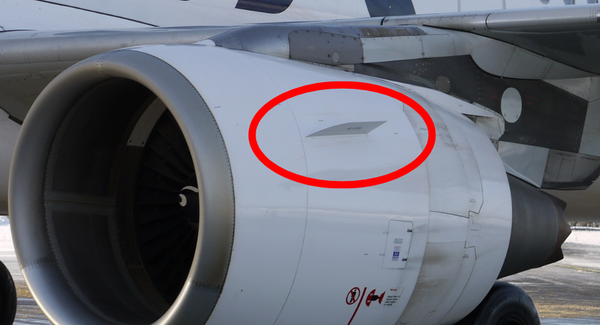 What Are Strakes? The Aerodynamic Fins Attached on an Aircraft's Fuselage
A look at how aircraft strakes quietly shape airflow, improve stability, and enhance aerodynamic performance.
INFORMATIONAL
READ MORE »
What Are Strakes? The Aerodynamic Fins Attached on an Aircraft's Fuselage
A look at how aircraft strakes quietly shape airflow, improve stability, and enhance aerodynamic performance.
INFORMATIONAL
READ MORE »
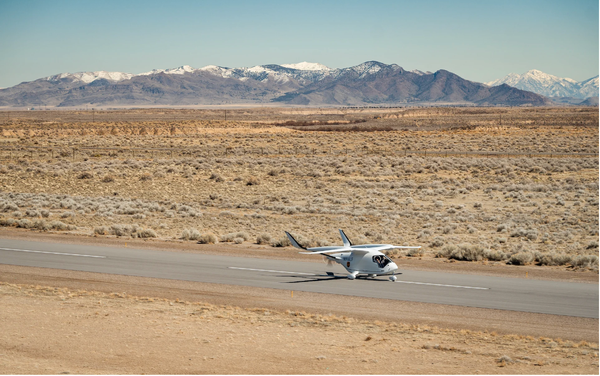 BETA Technologies Begins Electric Aircraft Operations in North Carolina to Support Rural Healthcare Access
BETA Technologies launches its ALIA CTOL electric aircraft in North Carolina under a FAA program aimed at improving rural healthcare logistics.
NEWS
READ MORE »
BETA Technologies Begins Electric Aircraft Operations in North Carolina to Support Rural Healthcare Access
BETA Technologies launches its ALIA CTOL electric aircraft in North Carolina under a FAA program aimed at improving rural healthcare logistics.
NEWS
READ MORE »
More than just headlines.
Get unlimited ad-free access to in-depth aviation news, premium stories, and exclusive insights other sites don't cover.
- Ad-free browsing on AeroXplorer
- Unlimited access to premium and exclusive articles
- Higher photo upload limits & commissions on sales
- Free access to Jetstream Magazine on higher tiers
- Ad-free browsing
- Sell aviation photos with 60% commission
- First week free!
- Everything in Basic+
- Unlimited premium articles
- Sell aviation photos with 70% commission
- Free Digital subscription to Jetstream Magazine
- First week free!
- Everything in Basic+ and Pro
- Sell aviaiton photos with 80% commission
- Early access to exclusive stories
- Free Digital+Print subscription to Jetstream Magazine