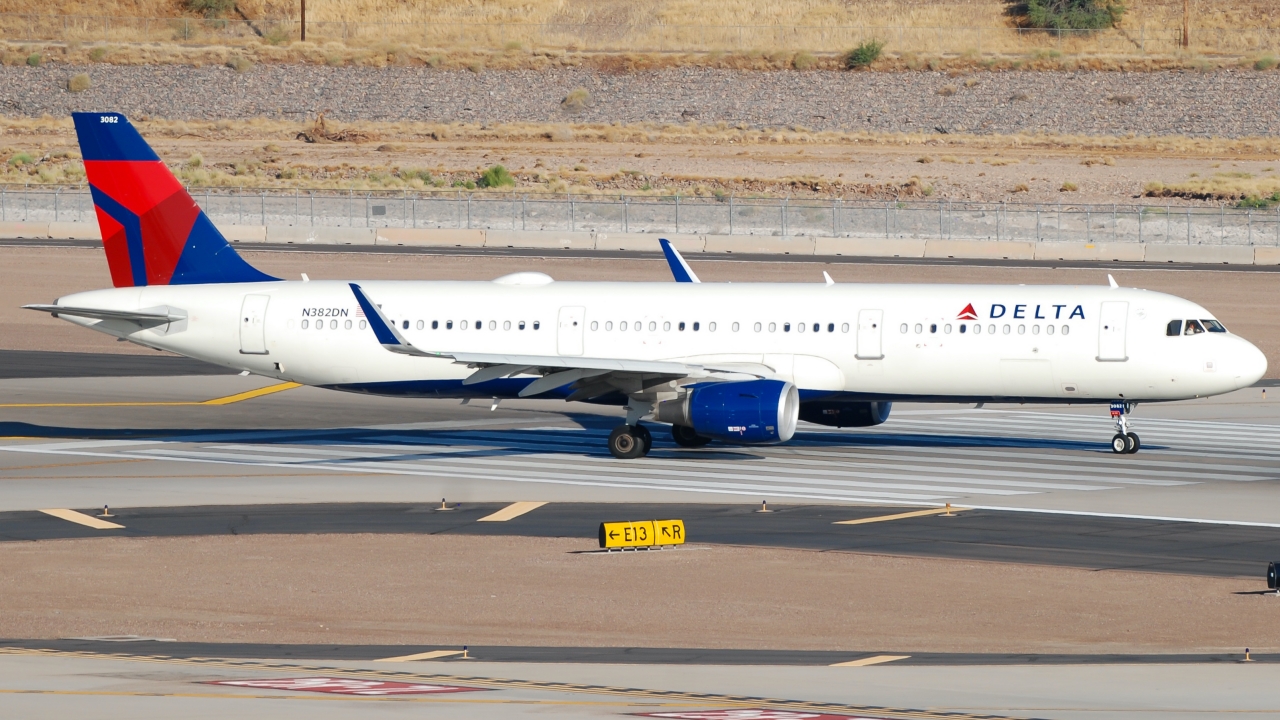

A Delta Air Lines flight from Maui to Seattle diverted to Honolulu Saturday night after fumes filled the cabin shortly after takeoff, prompting an emergency response and sending several people to the hospital.
The flight, Delta Air Lines Flight 394, departed Kahului Airport on Maui on Saturday, September 19, carrying 189 passengers, two pilots, and four flight attendants, bound for Seattle-Tacoma International Airport. Shortly after departure, the crew observed fumes in the cabin and, following standard procedures, diverted to Daniel K. Inouye International Airport in Honolulu rather than continuing.

What Happened on Board
According to reports, the aircraft involved was an Airbus A321neo, a narrowbody jet Delta operates on its Hawaii routes. Passengers reported headaches and nausea after inhaling the fumes, and the crew entered a holding pattern before the plane landed safely in Honolulu. Passengers deplaned using air stairs and were bused away from the aircraft.
After the aircraft arrived at the gate, crews also observed fuel discharging from the airplane, an additional issue for maintenance personnel to examine alongside the source of the fumes.
Passengers Treated at the Scene
Honolulu Emergency Medical Services responded to the aircraft after passengers reported symptoms consistent with fume exposure. Three women, ages 27, 31, and 42, were treated and transported to an area hospital in stable condition. The Honolulu Federal Fire Department also treated and transported one additional patient, a flight attendant, who sought medical attention following the incident.
Fume events on commercial aircraft, sometimes referred to as smoke or odor incidents, can be caused by a range of issues, including oil or hydraulic fluid contaminating the bleed air system, electrical faults, or problems with onboard equipment. A common cause is engine oil that has been vaporized and drawn into the aircraft's air-conditioning system, which on aircraft like the A321neo draws a portion of engine intake air to supply the cabin through the so-called bleed air system. Symptoms among passengers and crew can include headaches, dizziness, nausea, and respiratory irritation.
Delta's Response
A Delta spokesperson confirmed the diversion in a statement:
Nothing is more important than the safety of our customers and people. That's why the flight crew followed procedures to divert to Honolulu when fumes were observed after departure from Maui. We're reaching out to our customers to apologize for the experience including refunds of their airfare.
Delta said technicians would inspect the aircraft and that the airline was reviewing the circumstances surrounding the event, with plans to work with aviation authorities on any broader review. For now, the airline had not identified the specific substance responsible for the fumes or established a definitive cause; that determination is expected to depend on the technical inspection and any subsequent investigation.
The airline arranged for a replacement aircraft to carry passengers on to Seattle.
What Happens Next
Fume events are typically investigated by the airline in coordination with aviation authorities. Pilot and flight attendant unions have long pushed for better detection systems and clearer reporting standards around fume events. Some carriers have started installing sensors that can detect contaminants in the bleed air system, but the technology is not yet standard across commercial fleets.

Analysis: How Spirit Airlines Changed Airline Pricing, then Paid the Price
A Growing Concern
Cabin fume incidents have received increased attention in recent years as more crew members and passengers report symptoms consistent with exposure to contaminated air. While the aviation industry maintains that such events are rare and generally not harmful, advocacy groups continue to call for further research into the long-term health effects, and litigation related to past fume exposure incidents remains ongoing in some cases.
The airline said it is working with affected passengers and offering assistance, including refunds, for those disrupted by the diversion. Further details are expected as the technical inspection and any broader review continue.
Why Ice Is So Dangerous for Aircraft, and How Anti-Icing Systems Stop It » Qantas Sets 2028 Launch for First Nonstop Sydney to New York Flights » Embraer Delivers First Praetor 600E to Flexjet »

Comments (0)
Add Your Comment
TAGS
NEWS Delta Air Lines DL 394 Flight 394 DL394 Airbus A321 A321 HNLRECENTLY PUBLISHED
 UAE Suspends Iranian Airline Flights to Comply With US Sanctions, Triggering Retaliatory Airspace Ban From Tehran
The UAE has halted all Iranian carrier operations to comply with reimposed US sanctions, prompting Iran to bar Emirati airlines from its airspace.
NEWS
READ MORE »
UAE Suspends Iranian Airline Flights to Comply With US Sanctions, Triggering Retaliatory Airspace Ban From Tehran
The UAE has halted all Iranian carrier operations to comply with reimposed US sanctions, prompting Iran to bar Emirati airlines from its airspace.
NEWS
READ MORE »
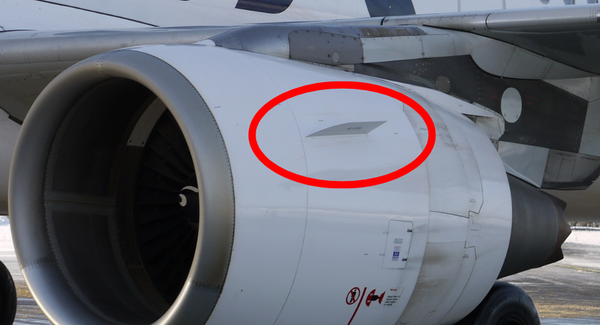 What Are Strakes? The Aerodynamic Fins Attached on an Aircraft's Fuselage
A look at how aircraft strakes quietly shape airflow, improve stability, and enhance aerodynamic performance.
INFORMATIONAL
READ MORE »
What Are Strakes? The Aerodynamic Fins Attached on an Aircraft's Fuselage
A look at how aircraft strakes quietly shape airflow, improve stability, and enhance aerodynamic performance.
INFORMATIONAL
READ MORE »
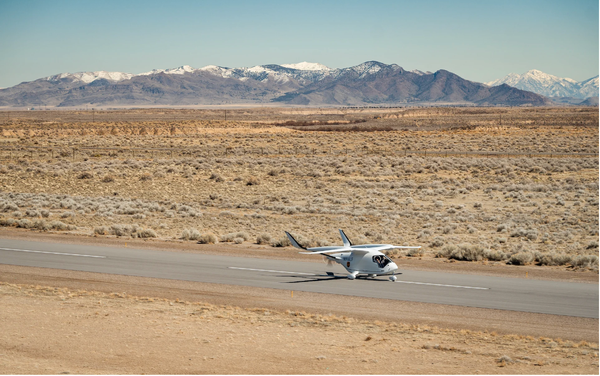 BETA Technologies Begins Electric Aircraft Operations in North Carolina to Support Rural Healthcare Access
BETA Technologies launches its ALIA CTOL electric aircraft in North Carolina under a FAA program aimed at improving rural healthcare logistics.
NEWS
READ MORE »
BETA Technologies Begins Electric Aircraft Operations in North Carolina to Support Rural Healthcare Access
BETA Technologies launches its ALIA CTOL electric aircraft in North Carolina under a FAA program aimed at improving rural healthcare logistics.
NEWS
READ MORE »
More than just headlines.
Get unlimited ad-free access to in-depth aviation news, premium stories, and exclusive insights other sites don't cover.
- Ad-free browsing on AeroXplorer
- Unlimited access to premium and exclusive articles
- Higher photo upload limits & commissions on sales
- Free access to Jetstream Magazine on higher tiers
- Ad-free browsing
- Sell aviation photos with 60% commission
- First week free!
- Everything in Basic+
- Unlimited premium articles
- Sell aviation photos with 70% commission
- Free Digital subscription to Jetstream Magazine
- First week free!
- Everything in Basic+ and Pro
- Sell aviaiton photos with 80% commission
- Early access to exclusive stories
- Free Digital+Print subscription to Jetstream Magazine