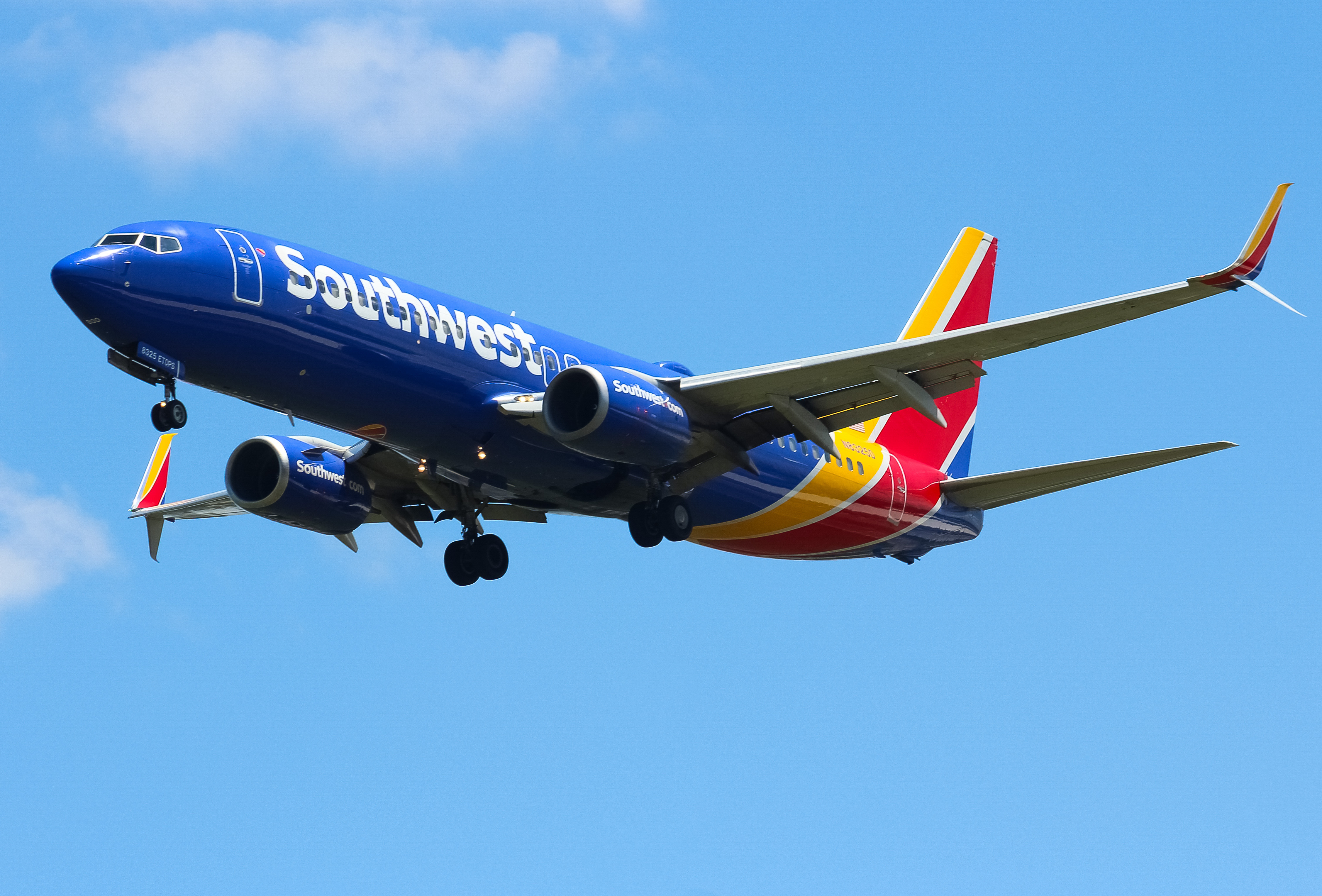

Southwest Airlines has officially entered the Starlink era. The carrier operated its first revenue flight equipped with SpaceX's satellite-based internet service, giving passengers free, high-speed Wi-Fi as part of a wider rollout across the fleet.
The inaugural Starlink-equipped flight departed from Baltimore/Washington International Thurgood Marshall Airport (BWI) and headed to Nashville International Airport (BNA). The aircraft, a Boeing 737-800, became the first in the Southwest fleet to carry paying customers using the new system.
What Starlink Brings to the Cabin
For years, Southwest has offered in-flight Wi-Fi through legacy providers, with mixed results. Passengers regularly complained about slow speeds, dropped connections, and an inability to stream video reliably. Starlink, built on a constellation of low Earth orbit satellites, promises a different experience. The service supports video streaming, video calls, gaming, and general browsing at speeds comparable to home broadband.
Southwest is offering the service free of charge to all passengers, a notable departure from competitors that often charge fees or restrict free access to loyalty program members. JetBlue pioneered free Wi-Fi years ago, and United Airlines recently announced its own Starlink rollout. Southwest's decision to keep the service complimentary aligns with its broader brand positioning around passenger-friendly perks.

The Installation Timeline
Southwest announced its partnership with SpaceX in 2024, choosing Starlink over its previous providers. The airline has stated that it plans to equip its entire fleet of more than 800 Boeing 737 aircraft with the technology, though the full rollout will take time. Each aircraft requires installation of the satellite antenna and associated hardware, work that typically happens during scheduled maintenance windows to minimize operational disruption.
The airline has not published a firm completion date for fleetwide installation, but executives have indicated that the pace will pick up through the remainder of the year and into 2027. Passengers will be able to identify Starlink-equipped aircraft through onboard signage and updated entertainment portals.
The Cockpit’s Next Revolution: When the Co-Pilot Is a Computer
Why Southwest Made the Switch
The shift to Starlink reflects broader pressure on US airlines to upgrade onboard connectivity. Travelers expect to remain productive or entertained at cruising altitude, and aging air-to-ground or geostationary satellite systems have struggled to keep up with bandwidth demands. By choosing a low Earth orbit constellation, Southwest gains lower latency and far greater capacity per aircraft.
The decision also fits into Southwest's broader modernization push. The airline has been adjusting its business model over the past two years, introducing assigned seating, premium seating tiers, and revised boarding procedures. Free, fast Wi-Fi gives the carrier a tangible amenity to highlight as it competes for higher-yield travelers who increasingly expect connectivity parity with what they get at home or in the office.
How It Works for Passengers
On Starlink-equipped aircraft, you can connect by selecting the onboard Wi-Fi network and accepting the terms. There is no payment screen, no tier selection, and no requirement to be a Rapid Rewards member. Once connected, you should be able to stream services like Netflix, YouTube, and Disney Plus, hold video calls on platforms such as Zoom or FaceTime, and access work tools without the buffering that has historically plagued in-flight internet.
Some travelers have already reported on social media that initial speeds during testing flights compared favorably with ground-based broadband, though real-world performance with a full passenger load will be a more accurate test.

The Competitive Picture
Southwest is not alone in turning to Starlink. Hawaiian Airlines was the first US carrier to deploy the system, and United Airlines has begun installations on its regional and mainline aircraft. Delta and American currently rely on a mix of Viasat and Intelsat services, though both have been upgrading hardware to deliver faster speeds.
The shift to satellite-based connectivity has implications beyond passenger comfort. Crews can use the same systems for real-time operational data, weather updates, and even electronic flight bag synchronization, potentially making flights more efficient overall.
What Comes Next
Southwest plans to expand Starlink availability to more aircraft in the coming months. The airline has not committed to a specific number of installations per month, but industry observers expect the pace to accelerate as installation crews gain experience with the hardware. Passengers booking Southwest flights will increasingly find Starlink-equipped aircraft on their itineraries through the end of 2026 and into 2027.
For now, the BWI to BNA route stands as the historical first. If the rollout proceeds on schedule, free high-speed Wi-Fi could become a standard feature across the Southwest network within roughly two years.
Alaska Airlines Unveils Aurora Premium Cabins With Lie-Flat Suites and New Lounges » Alaska Airlines Sets Sights on Final Major U.S. Carrier Takeover While Building Global Seattle Hub » This Week in Aviation: The 10 Stories That Mattered Most »

Comments (0)
Add Your Comment
TAGS
INFORMATIONAL Southwest Airlines Starlink SpaceX In-Flight Wi-Fi Broadband Service Service Launch Fleet Connectivity Passenger ExperienceRECENTLY PUBLISHED
 IATA's New Passenger Data Shows Global Air Travel Demand Shrinking for the First Time This Year
Global air travel just hit a reverse that has not been seen in months -- the numbers point to something more interesting than a simple slowdown.
INFORMATIONAL
READ MORE »
IATA's New Passenger Data Shows Global Air Travel Demand Shrinking for the First Time This Year
Global air travel just hit a reverse that has not been seen in months -- the numbers point to something more interesting than a simple slowdown.
INFORMATIONAL
READ MORE »
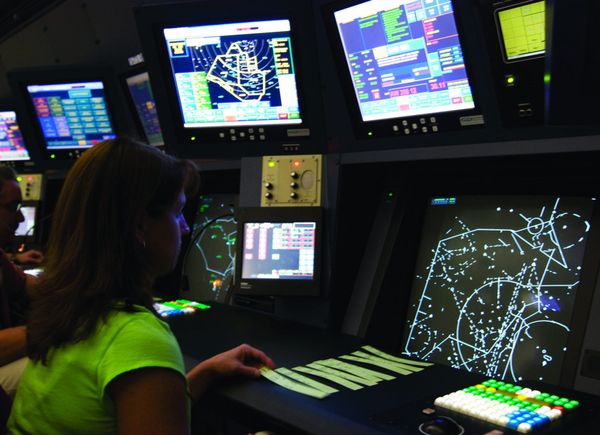 The $30 Billion Question: Why America's Air Traffic Control Overhaul Keeps Getting More Expensive
The U.S. government is seeking $30 billion more to modernize America’s aging air traffic control system. Explore the rising $42.5 billion price tag, GAO oversight concerns, and where the new funding would go.
INFORMATIONAL
READ MORE »
The $30 Billion Question: Why America's Air Traffic Control Overhaul Keeps Getting More Expensive
The U.S. government is seeking $30 billion more to modernize America’s aging air traffic control system. Explore the rising $42.5 billion price tag, GAO oversight concerns, and where the new funding would go.
INFORMATIONAL
READ MORE »
 Embraer Posts Record 66 Aircraft Deliveries in Q3 2026 as Commercial Jets Climb 10%
Embraer delivered 66 aircraft in Q3 2026, its strongest third quarter on record, with commercial jets up 10% and business jets rising 41%.
NEWS
READ MORE »
Embraer Posts Record 66 Aircraft Deliveries in Q3 2026 as Commercial Jets Climb 10%
Embraer delivered 66 aircraft in Q3 2026, its strongest third quarter on record, with commercial jets up 10% and business jets rising 41%.
NEWS
READ MORE »
More than just headlines.
Get unlimited ad-free access to in-depth aviation news, premium stories, and exclusive insights other sites don't cover.
- Ad-free browsing on AeroXplorer
- Unlimited access to premium and exclusive articles
- Higher photo upload limits & commissions on sales
- Free access to Jetstream Magazine on higher tiers
- Ad-free browsing
- Sell aviation photos with 60% commission
- First week free!
- Everything in Basic+
- Unlimited premium articles
- Sell aviation photos with 70% commission
- Free Digital subscription to Jetstream Magazine
- First week free!
- Everything in Basic+ and Pro
- Sell aviaiton photos with 80% commission
- Early access to exclusive stories
- Free Digital+Print subscription to Jetstream Magazine