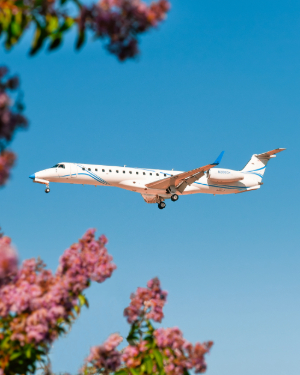


Passengers flying into San Francisco International Airport are encountering significantly longer wait times after the Federal Aviation Administration suspended a long-standing landing procedure that allowed two aircraft to touch down on parallel runways at the same time.
The change has caused average flight delays to quadruple from approximately 5 minutes to 20 minutes, according to reporting from Simple Flying and the San Francisco Chronicle. Between peak hours of 1:00 PM and 9:00 PM, more than 50% of arriving flights are now delayed. The disruption affects one of the busiest airports on the West Coast and is rippling across the national aviation system.

What Changed at SFO
SFO operates two parallel runways positioned only 750 feet apart, closer than at any other major US hub. For decades, controllers used a side-by-side visual parallel approach procedure, permitting two aircraft to land simultaneously using visual separation rather than radar-based separation.
The FAA suspended that procedure following the fatal collision of American Airlines Flight 5342 with a US Army Black Hawk helicopter over the Potomac River near Reagan National Airport in January 2025. Following that crash, the FAA issued a nationwide requirement for all US airports to use positive air traffic control with radar monitoring at all times, a standard that SFO's 750-foot runway separation cannot comply with under its previous visual approach procedure. The new rule requires staggered approaches, with one aircraft offset from the aircraft on the parallel runway.
Critically, the ban applies in all weather conditions, including clear days when pilots can see each other – not just during fog. Previously, parallel approaches were already suspended during foggy conditions. What changed is that the ban now applies regardless of weather, making the capacity impact far more significant.
How Delays Have Grown
The FAA's new rule has cut SFO's maximum arrival rate from 54 aircraft per hour to 36, a reduction of one third. Since the ban officially took effect on April 1, average arrival delays have quadrupled. Departing flights have been even more affected, with the delay rate jumping from 16% to 45% compared to the same period in 2025.
The disruption is compounded by a separate issue: on March 30, SFO closed its north-south Runway 1R and 19L for a $180 million resurfacing and modernization project, projected to be completed in October 2026. Combined, the two factors have led SFO to forecast that approximately 25% to 30% of arriving flights will experience delays of at least 30 minutes.
Airlines operating hub schedules at SFO face the brunt of the impact. United Airlines, which uses San Francisco as a primary international gateway, has reported widespread schedule disruptions affecting both domestic and transpacific flights. American Airlines, Delta, ANA, Lufthansa, and Air India are also significantly affected, with key markets including Japan, China, South Korea, and India among the hardest hit internationally.

What Comes Next
FAA Administrator Bryan Bedford has confirmed that a new flight procedure for Runway 28R will be published in the coming weeks. The FAA is exploring Precision Runway Monitor approaches and Closely Spaced Parallel Approach procedures using ADS-B technology, which could restore some of the lost capacity by allowing more accurate tracking and reduced separation between aircraft on approach.
Travelers planning trips through San Francisco in the coming weeks should monitor flight status closely, allow extra time for connections, and consider booking earlier flights when possible. Until the FAA's new procedures take effect, the airport is likely to remain among the most delay-prone in the country.

Analysis: How Spirit Airlines Changed Airline Pricing, then Paid the Price
Caribbean Airlines Expands Network With New Toronto and Caracas Routes » Southwest Airlines Considers Boeing 787 Order for Long-Haul International Expansion » KLM Brings Starlink Internet to Long-Haul Flights »
Comments (0)
Add Your Comment
TAGS
NEWS SFO Parallel Landings Delay Parallel ApproachRECENTLY PUBLISHED
 This Week in Aviation: The 10 Stories That Mattered Most
From major airline developments to aircraft updates and industry shifts, this weekly recap highlights the ten most-read aviation stories from the week of October 04.
INFORMATIONAL
READ MORE »
This Week in Aviation: The 10 Stories That Mattered Most
From major airline developments to aircraft updates and industry shifts, this weekly recap highlights the ten most-read aviation stories from the week of October 04.
INFORMATIONAL
READ MORE »
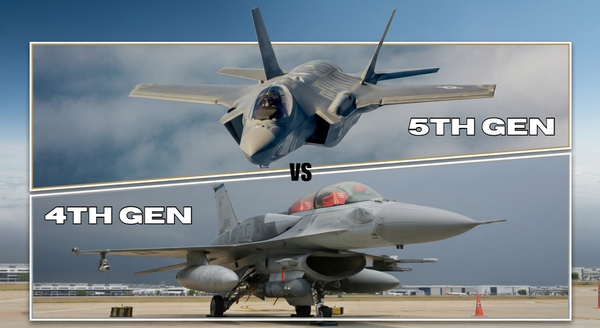 4th vs 5th Generation Fighter Jets: How Fighter Jets Have Evolved
A look at what separates fourth- and fifth-generation fighter jets, from stealth and sensor fusion to combat capability and cost.
INFORMATIONAL
READ MORE »
4th vs 5th Generation Fighter Jets: How Fighter Jets Have Evolved
A look at what separates fourth- and fifth-generation fighter jets, from stealth and sensor fusion to combat capability and cost.
INFORMATIONAL
READ MORE »
 United 777 Diverts to Dublin After Cockpit Windscreen Cracks Over the Atlantic
A United Airlines Boeing 777 bound for Milan made a steep descent and diverted to Dublin after its cockpit windscreen cracked mid-flight.
NEWS
READ MORE »
United 777 Diverts to Dublin After Cockpit Windscreen Cracks Over the Atlantic
A United Airlines Boeing 777 bound for Milan made a steep descent and diverted to Dublin after its cockpit windscreen cracked mid-flight.
NEWS
READ MORE »
More than just headlines.
Get unlimited ad-free access to in-depth aviation news, premium stories, and exclusive insights other sites don't cover.
- Ad-free browsing on AeroXplorer
- Unlimited access to premium and exclusive articles
- Higher photo upload limits & commissions on sales
- Free access to Jetstream Magazine on higher tiers
- Ad-free browsing
- Sell aviation photos with 60% commission
- First week free!
- Everything in Basic+
- Unlimited premium articles
- Sell aviation photos with 70% commission
- Free Digital subscription to Jetstream Magazine
- First week free!
- Everything in Basic+ and Pro
- Sell aviaiton photos with 80% commission
- Early access to exclusive stories
- Free Digital+Print subscription to Jetstream Magazine