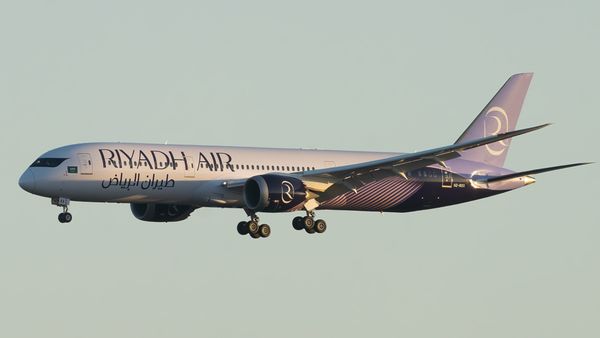
Riyadh Air, the new Saudi Arabian flag carrier preparing for its commercial debut, has quietly relocated its fleet of brand-new Boeing 787 Dreamliners out of the Saudi capital. The move reflects growing concern over the threat posed by Houthi missile and drone attacks launched from Yemen.
The airline, which is wholly owned by Saudi Arabia's Public Investment Fund (PIF), has been receiving its first widebody jets in recent months as it builds toward its highly anticipated launch. Rather than keep these valuable assets parked at King Khalid International Airport in Riyadh, the carrier has moved them to alternative locations considered safer from potential aerial attack.
A Precautionary Move
Riyadh Air has transferred several of its Dreamliners away from the capital as a protective measure. The airline is reportedly concerned that its aircraft could become targets, or suffer collateral damage, if Houthi forces based in Yemen launch long-range attacks against Saudi infrastructure.
The Iran-backed Houthi movement has repeatedly fired ballistic missiles and drones at targets inside Saudi Arabia over the past several days. While Saudi air defenses have intercepted many of these projectiles, the risk of a successful strike remains a serious concern for operators of high-value assets inside the Kingdom.
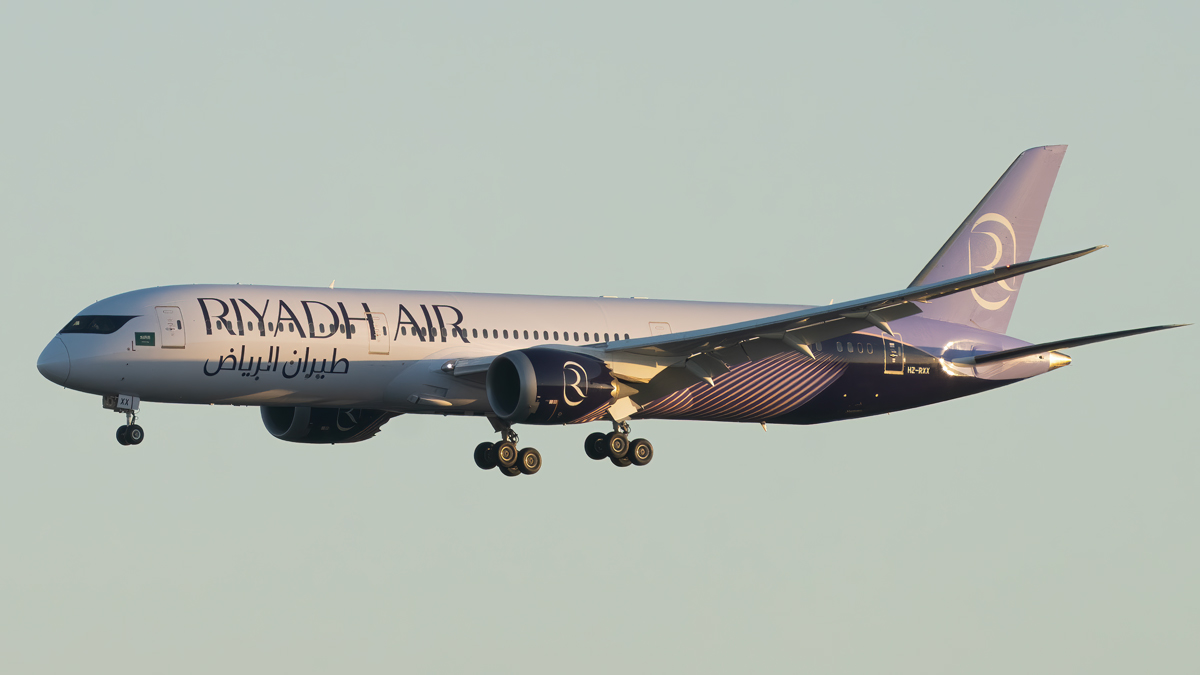
For Riyadh Air, which has yet to carry a single revenue passenger, losing even one of its new Boeing 787- 9 Dreamliners would represent a significant financial and reputational blow. Each aircraft carries a list price in the hundreds of millions of dollars, and any damage could delay the airline's debut.
Building a New Flag Carrier
Riyadh Air was announced in March 2023 as part of Saudi Arabia's Vision 2030 program, a sweeping effort to diversify the Kingdom's economy away from oil dependence. The airline is positioned to compete directly with established Gulf carriers such as Emirates, Qatar Airways, and Etihad Airways.
The carrier has placed substantial orders for widebody aircraft, including a firm order for 39 Boeing 787- 9 Dreamliners with options for additional frames. These jets form the backbone of its planned long-haul network, which the airline intends to expand to more than 100 destinations by 2030.
Riyadh Air has also been assembling an experienced leadership team, headed by CEO Tony Douglas, the former chief executive of Etihad Aviation Group. The airline has invested heavily in branding, cabin design, and digital infrastructure as it prepares to position itself as a premium global operator.
Why Riyadh Is Vulnerable
Riyadh sits roughly 1,000 kilometers from the Yemeni border, placing it within range of some of the more advanced ballistic missiles and long-range drones that Houthi forces have deployed in recent years. The group has previously claimed responsibility for attacks on Saudi oil facilities, airports, and other infrastructure, including a notable 2019 strike on Aramco's Abqaiq processing plant that temporarily disrupted global oil supplies.
Although Riyadh itself has been struck only on rare occasions, the threat remains credible. Saudi Arabia's Patriot missile batteries and other air defense systems have intercepted numerous projectiles aimed at the capital, but no system offers absolute protection.
For an airline storing aircraft worth billions of dollars collectively on open ramps, the risk calculation clearly favors relocation. Parked aircraft are soft targets, unable to maneuver and often fully fueled or partially fueled for maintenance operations.
The Cockpit’s Next Revolution: When the Co-Pilot Is a Computer
Where the Aircraft Have Gone
Flight tracking data suggests that Riyadh Air has moved its Dreamliners to locations further from the Yemeni border. These transfers allow the airline to continue crew training, maintenance checks, and operational readiness activities while reducing exposure to attack.
The relocation is reportedly being treated as a standard operational decision rather than a formal evacuation, with the airline keen to avoid any suggestion that its launch plans are being disrupted. Nonetheless, the move highlights the ongoing security challenges facing commercial aviation in the region.
Broader Regional Concerns
Riyadh Air is not alone in weighing the risks posed by the conflict in Yemen. Other operators in the Gulf have also been forced to consider the security implications of basing aircraft in locations within range of Houthi weaponry. The threat has expanded in recent years as the group has demonstrated increasing sophistication with ballistic missiles, cruise missiles, and long range drones, some of which Western officials believe are supplied or designed with Iranian assistance.
The Houthi campaign against commercial shipping in the Red Sea has already caused major disruption to global trade, forcing many vessels to reroute around southern Africa. Attacks on aviation targets inside Saudi Arabia, while less frequent, remain a persistent concern for insurers, operators, and government officials.
Looking Ahead
Riyadh Air is expected to begin commercial operations in the coming months, with its inaugural flights forming a central part of Saudi Arabia's broader push to establish Riyadh as a global aviation hub. The airline's ability to protect its fleet in the meantime is critical to meeting that timeline.
The quiet relocation of its Dreamliners underscores a reality that many in the aviation industry prefer to downplay. Even brand new, state of the art aircraft are not immune to the geopolitical tensions shaping the Middle East. For Riyadh Air, keeping those aircraft safe before they ever carry a passenger is a priority that outweighs any symbolic value of having them visible on home soil.
Neither Riyadh Air nor Saudi aviation authorities have issued a formal statement on the fleet movements.
FAA Clears JetBlue's $58.5M Purchase of Spirit's LaGuardia Slots » Boeing's Touchscreen Flight Controls for 737 Draw Sharp Criticism from Pilots » Delta Passenger Arrested After Allegedly Stealing Airport Tug »

Comments (0)
Add Your Comment
TAGS
NEWS Riyadh Air Boeing 787 Dreamliner Houthi Missile Threat Aircraft Relocation Saudi Arabia Middle East Aviation Aviation Security Fleet Protection Regional ConflictRECENTLY PUBLISHED
 Selma Blair Charged With Assault After Alleged Biting Incident on Delta Flight
Actress Selma Blair faces assault charges after allegedly biting a Delta flight attendant and kicking a police officer during a disturbance at JFK.
NEWS
READ MORE »
Selma Blair Charged With Assault After Alleged Biting Incident on Delta Flight
Actress Selma Blair faces assault charges after allegedly biting a Delta flight attendant and kicking a police officer during a disturbance at JFK.
NEWS
READ MORE »
 FAA Orders Engine Repairs on Airbus A380 Fleet After Uncontained Failure
The FAA has ordered inspections and repairs on Engine Alliance GP7200 engines powering Airbus A380s after an uncontained failure during takeoff.
NEWS
READ MORE »
FAA Orders Engine Repairs on Airbus A380 Fleet After Uncontained Failure
The FAA has ordered inspections and repairs on Engine Alliance GP7200 engines powering Airbus A380s after an uncontained failure during takeoff.
NEWS
READ MORE »
 Delta Aircraft Isolated at Ben Gurion Airport Following Bomb Threat
A Delta Air Lines flight was moved to an isolated area at Tel Aviv's Ben Gurion Airport after authorities received a bomb threat, according to reports.
NEWS
READ MORE »
Delta Aircraft Isolated at Ben Gurion Airport Following Bomb Threat
A Delta Air Lines flight was moved to an isolated area at Tel Aviv's Ben Gurion Airport after authorities received a bomb threat, according to reports.
NEWS
READ MORE »
More than just headlines.
Get unlimited ad-free access to in-depth aviation news, premium stories, and exclusive insights other sites don't cover.
- Ad-free browsing on AeroXplorer
- Unlimited access to premium and exclusive articles
- Higher photo upload limits & commissions on sales
- Free access to Jetstream Magazine on higher tiers
- Ad-free browsing
- Sell aviation photos with 60% commission
- First week free!
- Everything in Basic+
- Unlimited premium articles
- Sell aviation photos with 70% commission
- Free Digital subscription to Jetstream Magazine
- First week free!
- Everything in Basic+ and Pro
- Sell aviaiton photos with 80% commission
- Early access to exclusive stories
- Free Digital+Print subscription to Jetstream Magazine