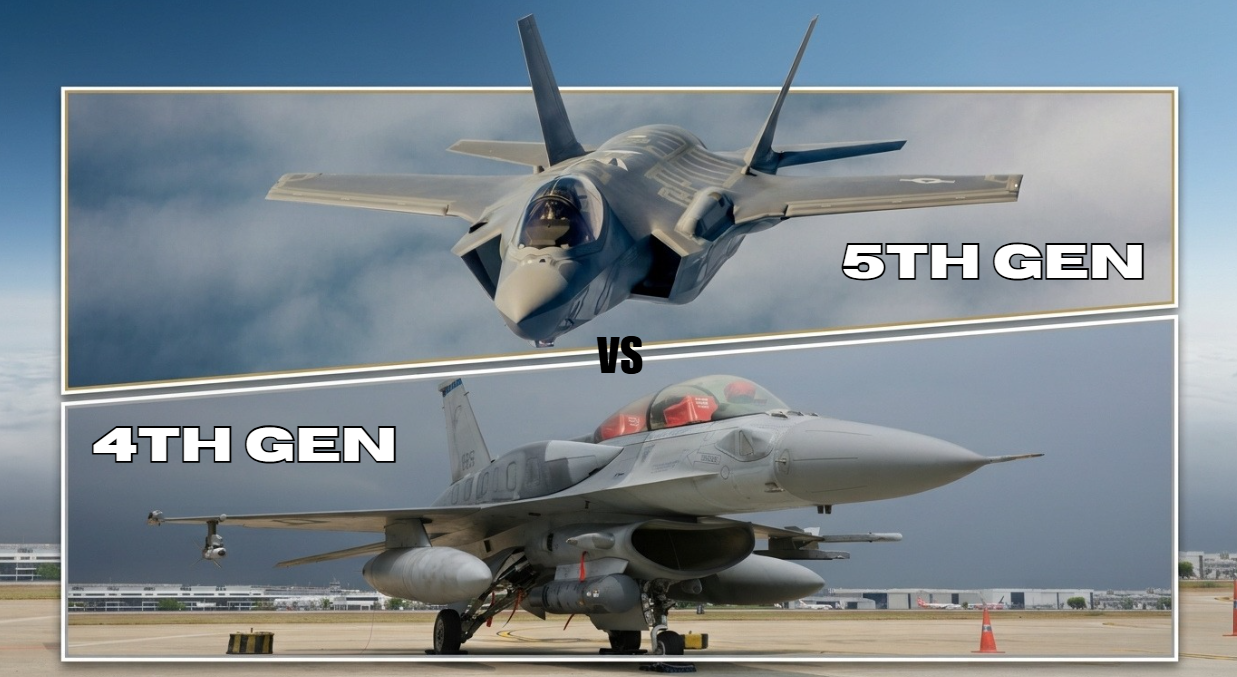
Nobody certifies a fighter jet generation. There is no committee, no formal test, no official stamp. Yet the labels are used everywhere, by air forces, manufacturers and analysts alike, because they capture something real; a clear shift in what a combat aircraft can see, do and survive.
What a "Generation" Really Means
The idea of grouping fighters into generations dates back to 1990, when an air historian proposed six categories based on speed and capability. That exact breakdown never stuck, but the concept did. It became far more influential once the F-22 Raptor arrived, since it was the first fighter used to define a generation in its own right. The labels are useful shorthand, though they blur at the edges, and some, like "4.5," are closer to marketing language than anything the US military formally uses.
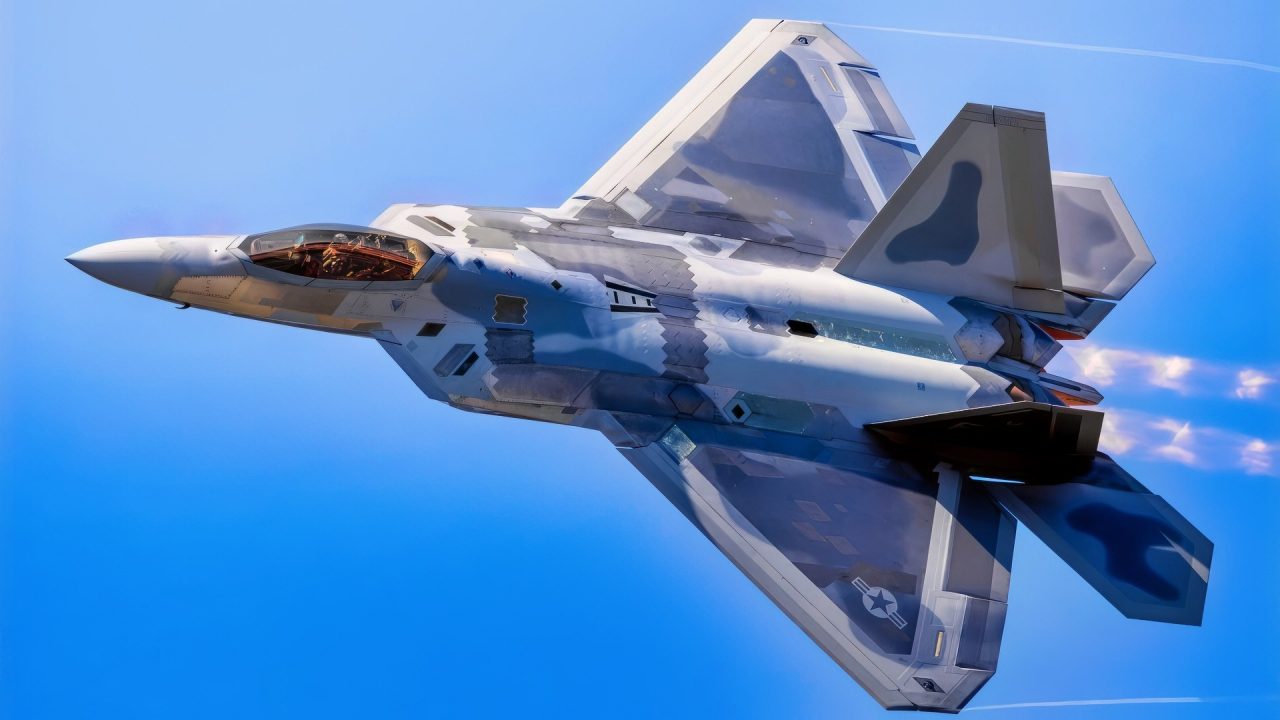
The Road to the Fourth Generation
Early jet fighters looked much like the propeller aircraft they replaced, with straight wings and guns. The F-86 Sabre brought swept wings and better speed. The second generation added supersonic flight, onboard radar and air-to-air missiles, while the F-4 Phantom II of the third generation proved a single airframe could fight other aircraft, strike ground targets and perform reconnaissance. The fourth generation then changed how aircraft were controlled altogether. The F-16 replaced mechanical cables with electronic actuators, a fly-by-wire approach that soon became standard across Western fighters, alongside the F-15 and the F/A-18.
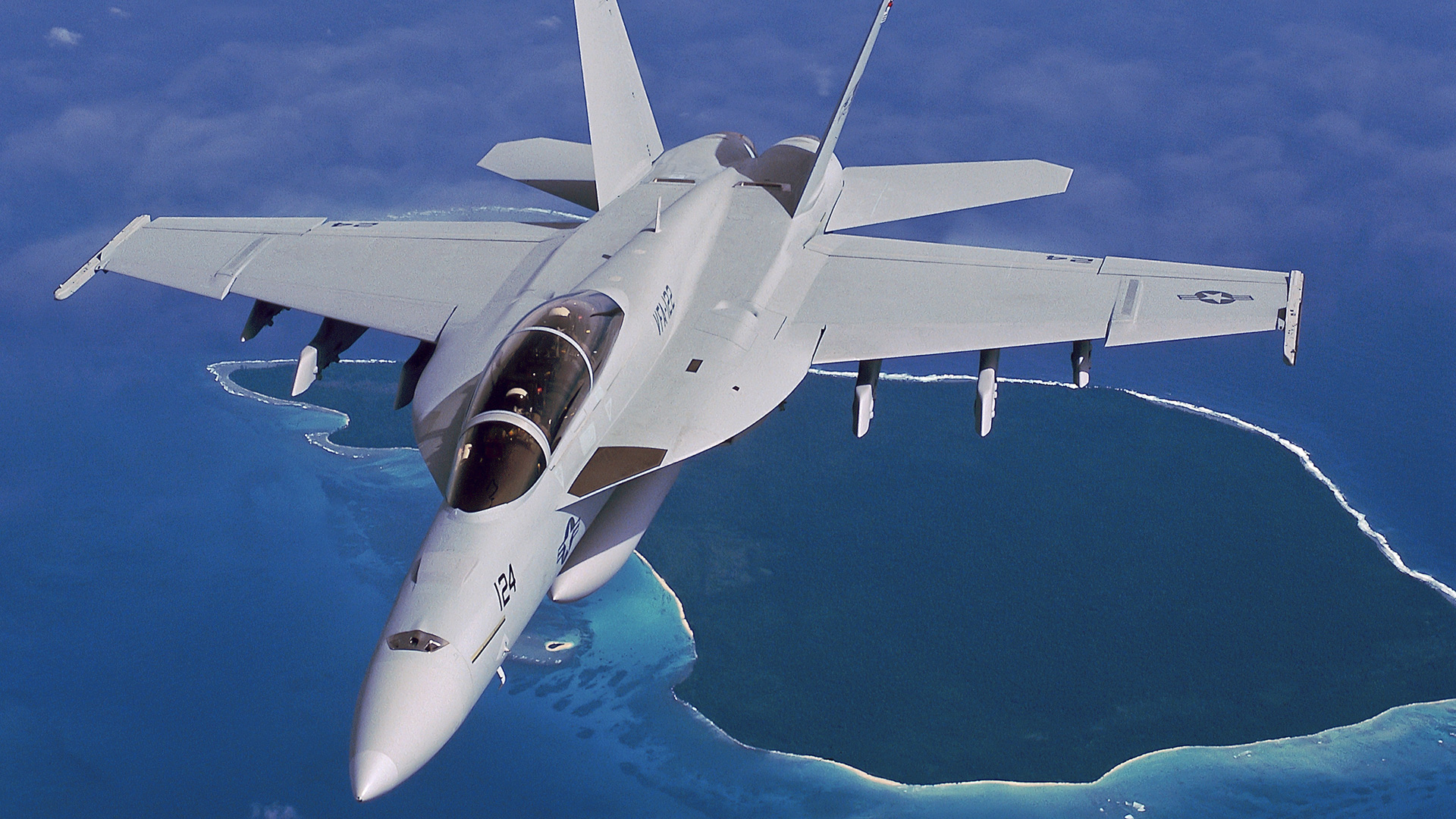
What Defines a Fourth-Generation Fighter
Fly-by-wire mattered because it allowed designers to build aircraft that were deliberately unstable. A computer makes thousands of tiny corrections every second, and instability translates directly into agility. Add Doppler radar that could pick out low-flying targets from ground clutter, plus true multirole capability, and the 4th generation became the backbone of the world's air forces. Many of those airframes have since been upgraded with AESA radar, improved electronic warfare and data links, giving rise to the "4.5" category seen on aircraft like the Rafale, Eurofighter Typhoon and Su-30 MKI.
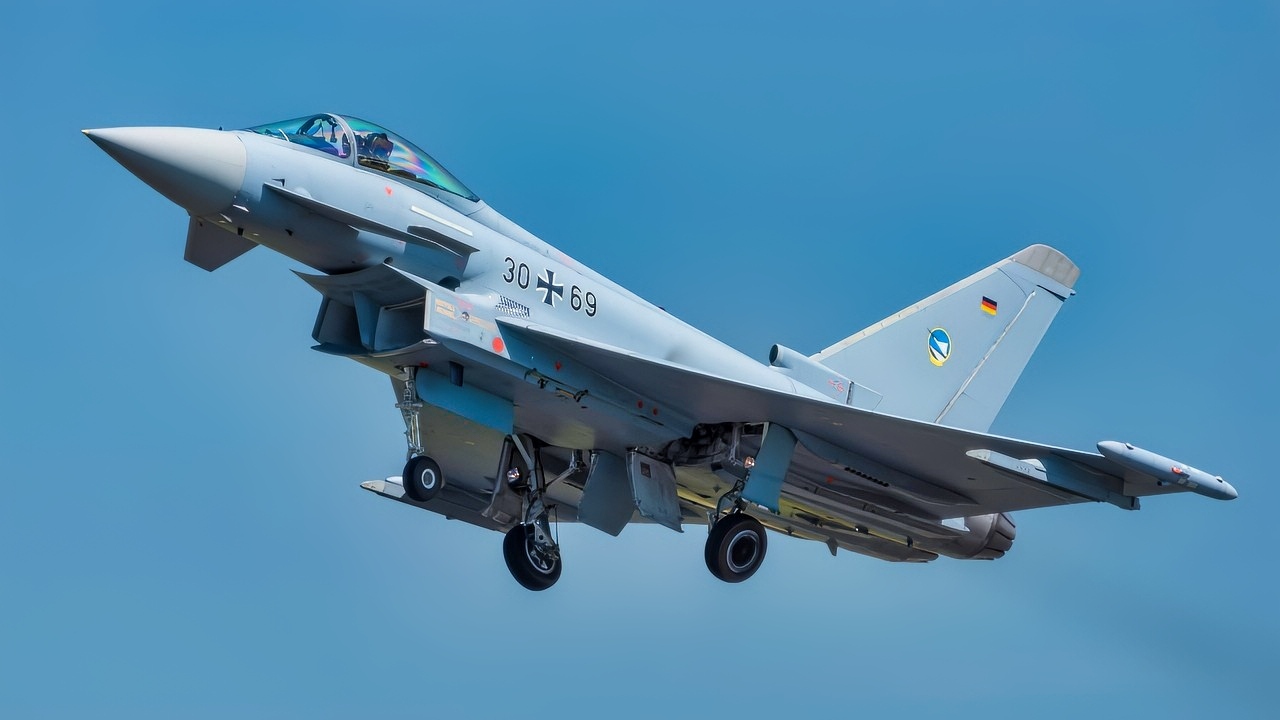
What Changes with the Fifth Generation
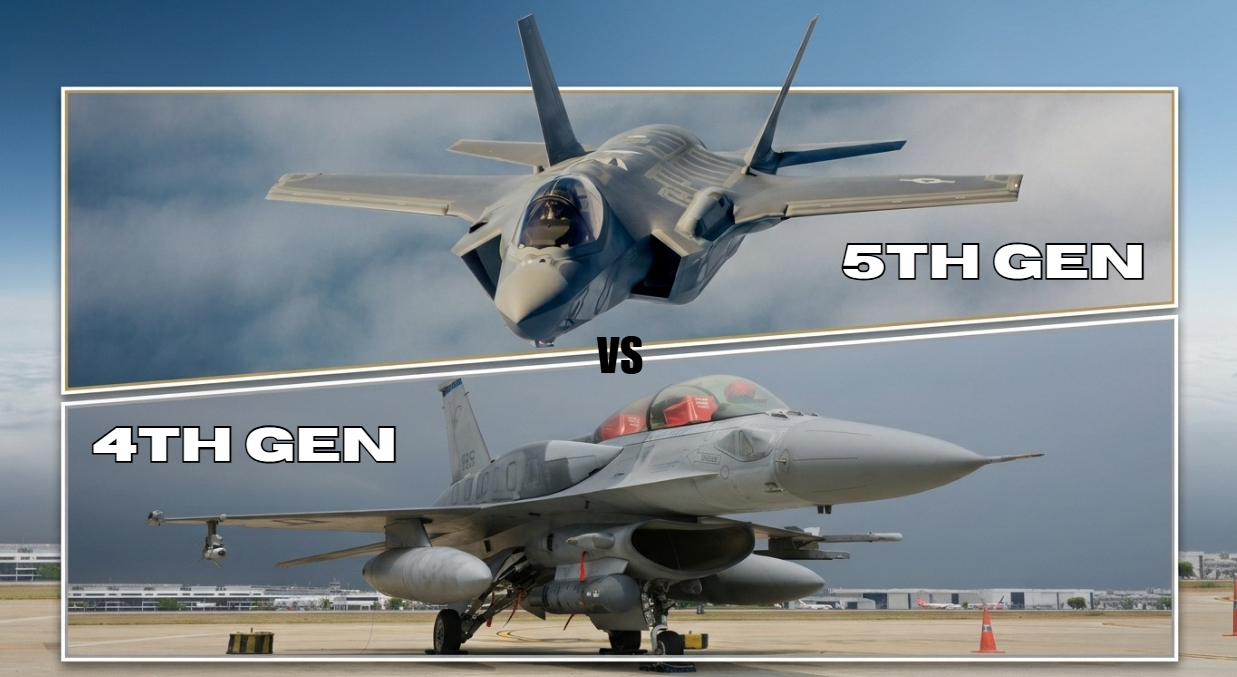
The jump to fifth generation is less about one feature and more about how everything fits together. Stealth shaping, radar-absorbent materials and internal weapons bays keep the radar signature small, since externally mounted missiles would undo that work. Sensor fusion merges radar, infrared and electronic warfare data into a single picture, where fourth-generation pilots often have to piece information together from separate displays. Networking lets one aircraft see what another detects, and helmet-mounted displays put that picture directly in front of the pilot.
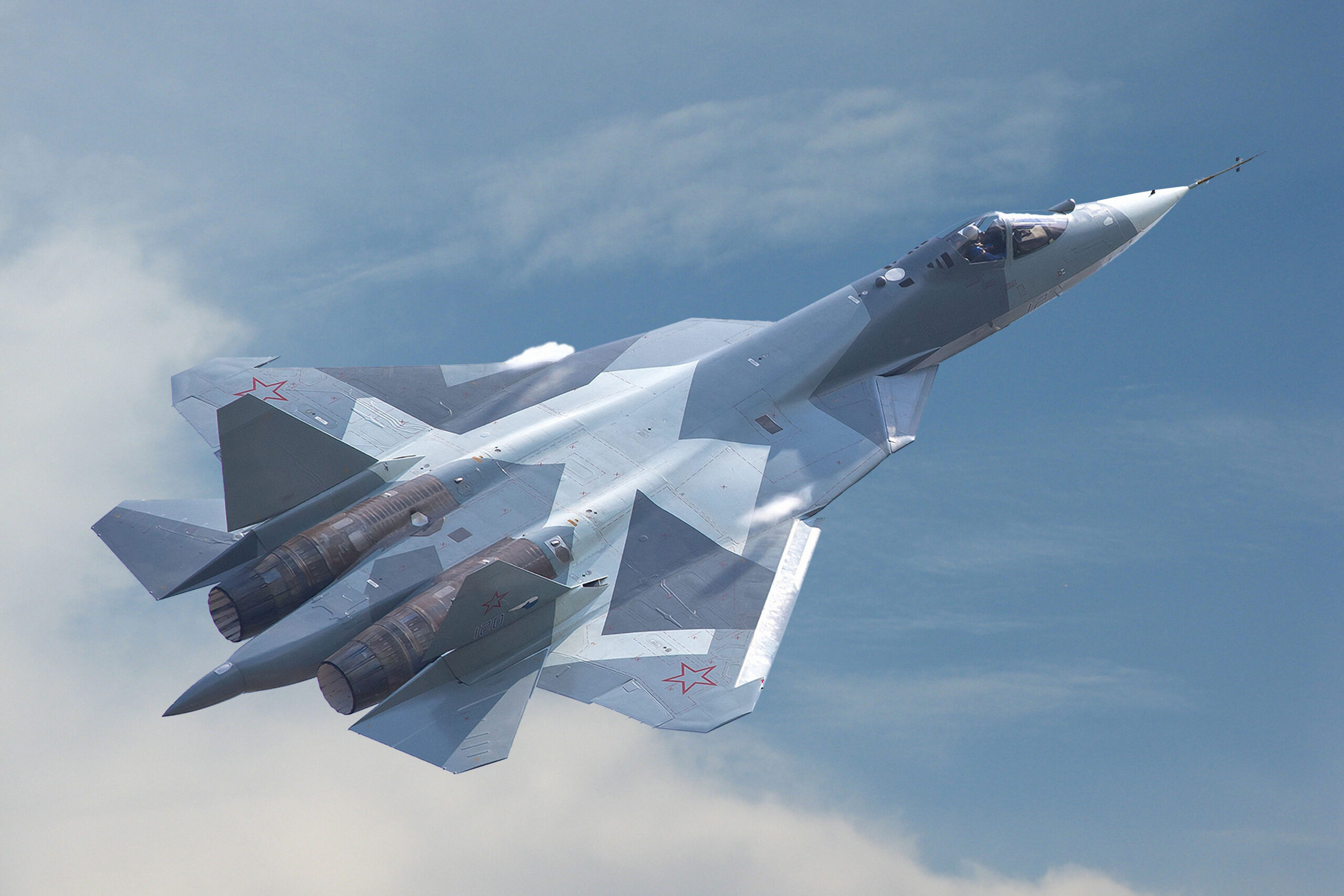
Integration is the real dividing line. A fourth-generation aircraft can be given stealth coatings or better sensors, but the results never match an airframe designed from day one around those goals. Not every feature carried over equally, either. The F-22 can super cruise, flying supersonic without afterburners, while the F-35 cannot.
The Trade-Offs Nobody Advertises
Fifth-generation capability comes at a price. Internal bays limit weapons capacity compared with a fourth-generation jet loaded on external pylons. Radar-absorbent surfaces demand-controlled maintenance environments and specialized training, and the full lifecycle cost of a fleet far exceeds the unit price. This is why many air forces run a mix, pairing a smaller number of fifth-generation jets with cheaper, upgraded 4.5-generation aircraft.

Only Way Out: Private Aviation in a Region at War
Does a Higher Generation Always Win?
Not necessarily. Russia's Su-57 is a good example of how fuzzy the labels can be. Some analysts rate it as a transitional design with selected fifth-generation features rather than a true equivalent of the F-35. More importantly, a fighter operating inside a strong network, supported by airborne early warning aircraft, space-based sensors and shared targeting data, can fire on a threat without even switching on its own radar. A capable jet is defined not only by its generation but by the ecosystem around it.
The next step is already forming. Sixth-generation programs are built around manned-unmanned teaming and AI-assisted decision-making. The labels will keep shifting, but the pattern holds; each generation changes what a fighter can see, share and survive.
KLM Brings Starlink Internet to Long-Haul Flights » Southwest Airlines Considers Boeing 787 Order for Long-Haul International Expansion » FAA Clears JetBlue's $58.5M Purchase of Spirit's LaGuardia Slots »
Comments (0)
Add Your Comment
TAGS
INFORMATIONAL Fighter jet Jet F18 F16 F22 Raptor F35 Sukhoi General Dynamics Boeing Airbus Hornet Supersonic Air ForceRECENTLY PUBLISHED
 United 777 Diverts to Dublin After Cockpit Windscreen Cracks Over the Atlantic
A United Airlines Boeing 777 bound for Milan made a steep descent and diverted to Dublin after its cockpit windscreen cracked mid-flight.
NEWS
READ MORE »
United 777 Diverts to Dublin After Cockpit Windscreen Cracks Over the Atlantic
A United Airlines Boeing 777 bound for Milan made a steep descent and diverted to Dublin after its cockpit windscreen cracked mid-flight.
NEWS
READ MORE »
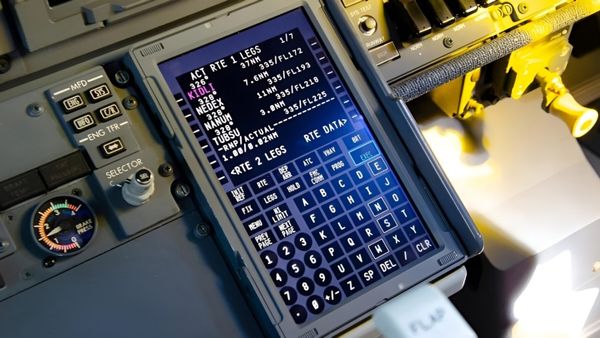 Boeing's Touchscreen Flight Controls for 737 Draw Sharp Criticism from Pilots
Boeing's plan to introduce Touchscreen Control Display Units on the 737 has sparked backlash from pilots who warn of safety and usability concerns.
NEWS
READ MORE »
Boeing's Touchscreen Flight Controls for 737 Draw Sharp Criticism from Pilots
Boeing's plan to introduce Touchscreen Control Display Units on the 737 has sparked backlash from pilots who warn of safety and usability concerns.
NEWS
READ MORE »
 Southwest Airlines Blames Brief System Outage for Boarding Delays and Checked Bag Disruptions
Southwest Airlines confirms a brief technology outage disrupted boarding and checked bag operations, forcing gate agents to process travelers manually.
NEWS
READ MORE »
Southwest Airlines Blames Brief System Outage for Boarding Delays and Checked Bag Disruptions
Southwest Airlines confirms a brief technology outage disrupted boarding and checked bag operations, forcing gate agents to process travelers manually.
NEWS
READ MORE »
More than just headlines.
Get unlimited ad-free access to in-depth aviation news, premium stories, and exclusive insights other sites don't cover.
- Ad-free browsing on AeroXplorer
- Unlimited access to premium and exclusive articles
- Higher photo upload limits & commissions on sales
- Free access to Jetstream Magazine on higher tiers
- Ad-free browsing
- Sell aviation photos with 60% commission
- First week free!
- Everything in Basic+
- Unlimited premium articles
- Sell aviation photos with 70% commission
- Free Digital subscription to Jetstream Magazine
- First week free!
- Everything in Basic+ and Pro
- Sell aviaiton photos with 80% commission
- Early access to exclusive stories
- Free Digital+Print subscription to Jetstream Magazine