
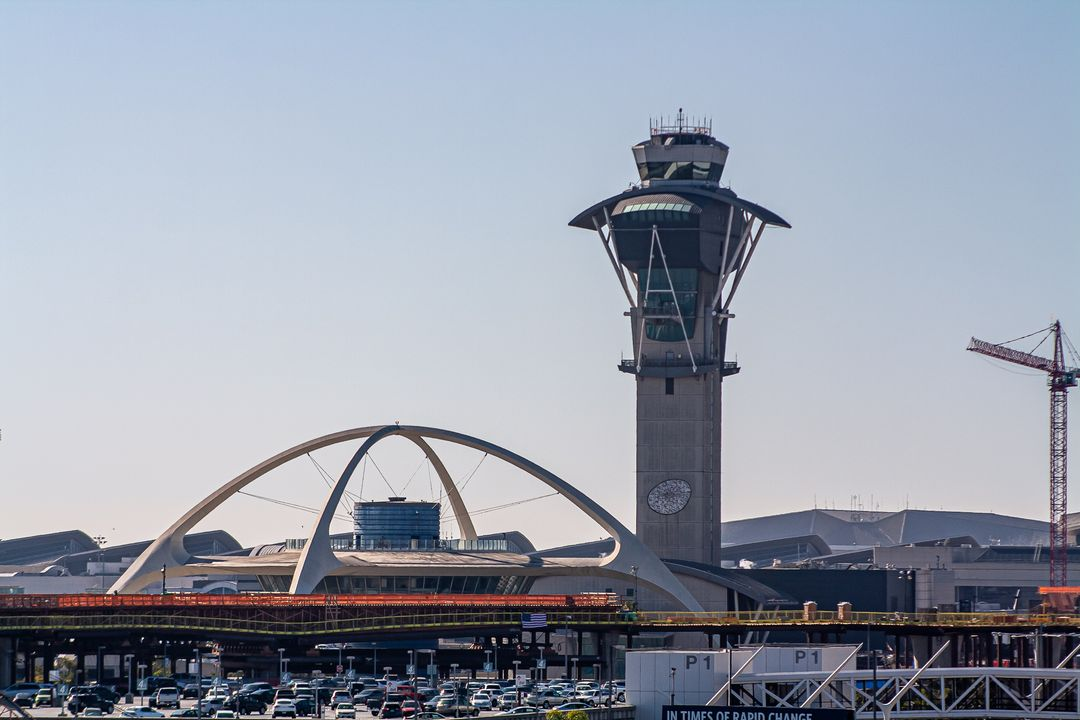
The Federal Aviation Administration plans to retire the floppy disks still used in air traffic control operations across the United States. The agency aims to complete the modernization effort by 2028, replacing decades-old technology that continues to run core parts of the national airspace system.
The then acting FAA Administrator Chris Rocheleau announced the overhaul during a congressional hearing last year, where lawmakers pressed officials on the state of aviation infrastructure. The plan addresses hardware and software that predates the smartphone era and, in some cases, the commercial internet.
Why floppy disks are still in use
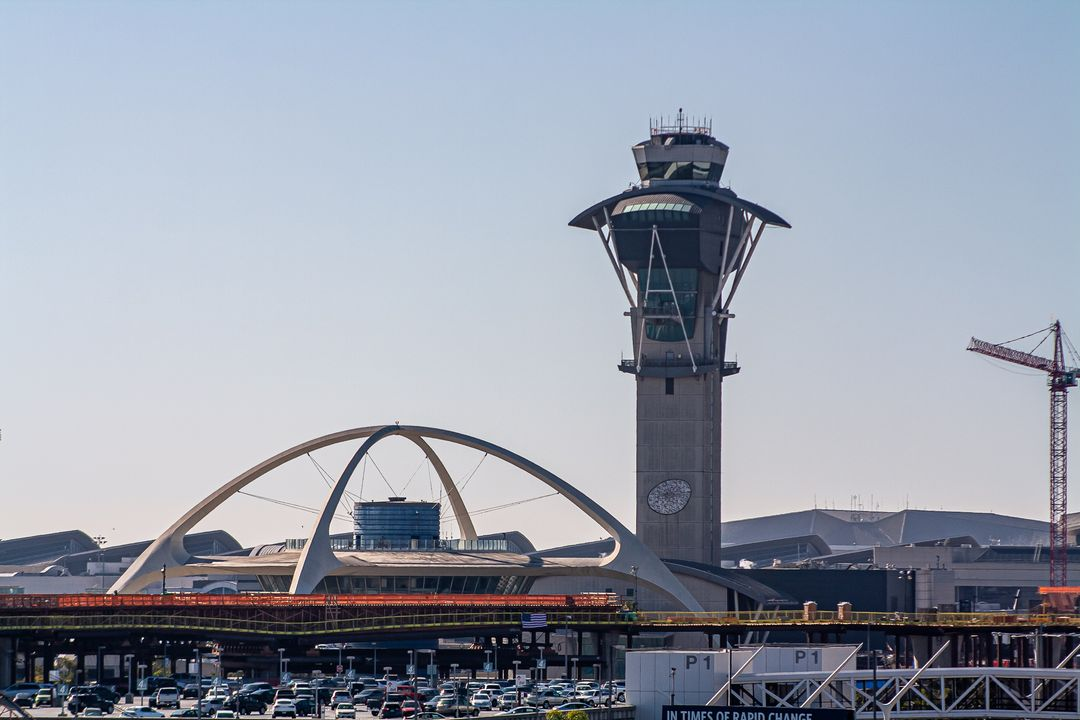
Air traffic controllers rely on systems built in the 1980s and 1990s. These setups include floppy disks, paper strips used to track flights, and copper wiring that moves data between facilities. The equipment works, but spare parts are increasingly hard to find, and fewer technicians know how to maintain it.
The reliance on legacy hardware drew wider attention after a series of outages and near misses at major airports. In April 2025, a radar and communications failure at Newark Liberty International Airport left controllers unable to see or speak with aircraft for several seconds. The incident prompted renewed scrutiny of the systems that keep more than 45,000 daily flights moving safely through US airspace.
Transportation Secretary Sean Duffy has described the current infrastructure as outdated and unsustainable. He has pushed Congress to approve funding for a full replacement of the air traffic control network, calling the floppy disk situation a symbol of the broader problem.
What the modernization plan covers
The FAA's overhaul goes beyond swapping out disks. The agency plans to replace the hardware, software, and telecommunications backbone that controllers use every day. That includes:
- Phasing out floppy disks used to load operational data
- Replacing paper flight strips with digital displays
- Upgrading radar processing systems
- Modernizing voice communication platforms
- Updating the copper wiring that connects facilities to fiber optic lines
The FAA has issued a Request for Information to solicit ideas from private industry. Companies interested in bidding on parts of the project have been asked to submit proposals that address both the technical upgrade and the logistics of switching systems without disrupting daily operations.
The cost and timeline
Duffy has said the project will require tens of billions of dollars, though the exact figure depends on what Congress approves. Lawmakers from both parties have expressed support for funding the upgrade, citing safety concerns and the strain on controllers who work with aging tools.
The 2028 target gives the FAA roughly three years to complete work that previous administrations have discussed for decades. Past modernization efforts, including the NextGen program launched in 2003, have faced delays and cost overruns. Officials say the current plan differs because it focuses on replacing entire systems rather than patching them.

How AI Quietly Became the Backbone of Today’s Aviation Industry
Why the old technology lasted so long
Floppy disks and similar hardware have remained in service partly because they work reliably and are not connected to the internet, which limits exposure to cyberattacks. Controllers and engineers have kept the systems running through careful maintenance and by stockpiling replacement parts, sometimes buying them on secondary markets.
But the workforce that understands these systems is shrinking. Many of the engineers who built or maintained the original equipment have retired, and training new technicians on obsolete hardware has become difficult. The FAA has acknowledged that continuing to patch the current infrastructure is no longer a viable long-term strategy.
Impact on travelers and controllers
For passengers, the upgrade should mean fewer delays tied to equipment failures and more consistent service at busy airports. The FAA has reported that aging systems contribute to ground stops and communication breakdowns, particularly during periods of high traffic or bad weather.
Controllers, who have long complained about working with outdated tools, would gain digital interfaces designed for modern workflows. The National Air Traffic Controllers Association has supported modernization efforts, though the union has pushed for adequate staffing and training to accompany any technology rollout.
What comes next
The FAA will review industry responses to its Request for Information before awarding contracts. Duffy and Rocheleau have both said they want to move quickly, but the agency must balance speed with the need to keep the current system running during the transition.
Congress will play a central role in determining how fast the project moves. Funding decisions in the coming months will shape whether the 2028 deadline holds or slips further into the next decade.
For now, floppy disks remain part of the daily routine at air traffic control facilities across the country, a reminder of how much of modern aviation still depends on technology from a different era.
European Airlines Face Fresh Wave of Bomb Hoax Calls as Carriers Weigh Response » NTSB Recovers Cockpit Voice Recorder from Deadly Florida Learjet Crash » Geneva Prepares for Its First Direct Flight to South America in 2027 »

Comments (0)
Add Your Comment
TAGS
NEWS FAA Federal Aviation Administration Air Traffic Control TechnologyRECENTLY PUBLISHED
 NTSB Recovers Cockpit Voice Recorder from Deadly Florida Learjet Crash
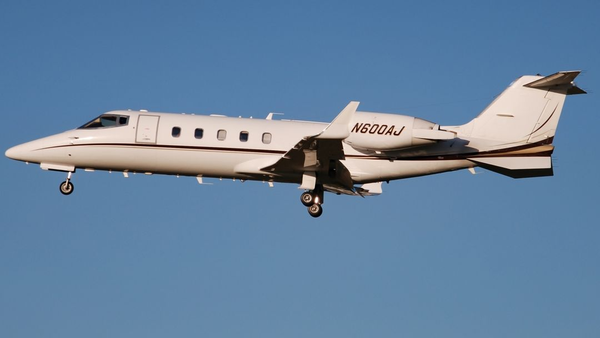
Investigators retrieved the cockpit voice recorder from a Learjet 60 that crashed in Greenacres, Florida, killing those on board.
NEWS
READ MORE »
 Geneva Prepares for Its First Direct Flight to South America in 2027
LATAM Airlines will launch a nonstop route between Geneva and São Paulo in the second quarter of 2027, marking a first for the Swiss airport.
NEWS
READ MORE »
 Airbus A350 Claims World's Longest Flight Record With 24-Hour Nonstop Journey
Airbus A350-1000ULR shatters Guinness World Record for longest commercial flight, covering over 18,000 miles in preparation for Qantas Project Sunrise routes.
NEWS
READ MORE »
More than just headlines.
Get unlimited ad-free access to in-depth aviation news, premium stories, and exclusive insights other sites don't cover.
- Ad-free browsing on AeroXplorer
- Unlimited access to premium and exclusive articles
- Higher photo upload limits & commissions on sales
- Free access to Jetstream Magazine on higher tiers
- Ad-free browsing
- Sell aviation photos with 60% commission
- First week free!
- Everything in Basic+
- Unlimited premium articles
- Sell aviation photos with 70% commission
- Free Digital subscription to Jetstream Magazine
- First week free!
- Everything in Basic+ and Pro
- Sell aviaiton photos with 80% commission
- Early access to exclusive stories
- Free Digital+Print subscription to Jetstream Magazine