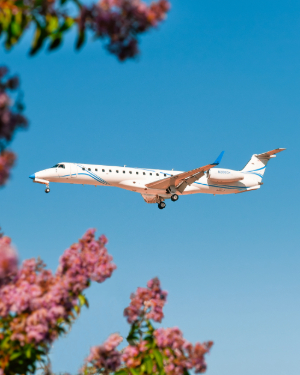
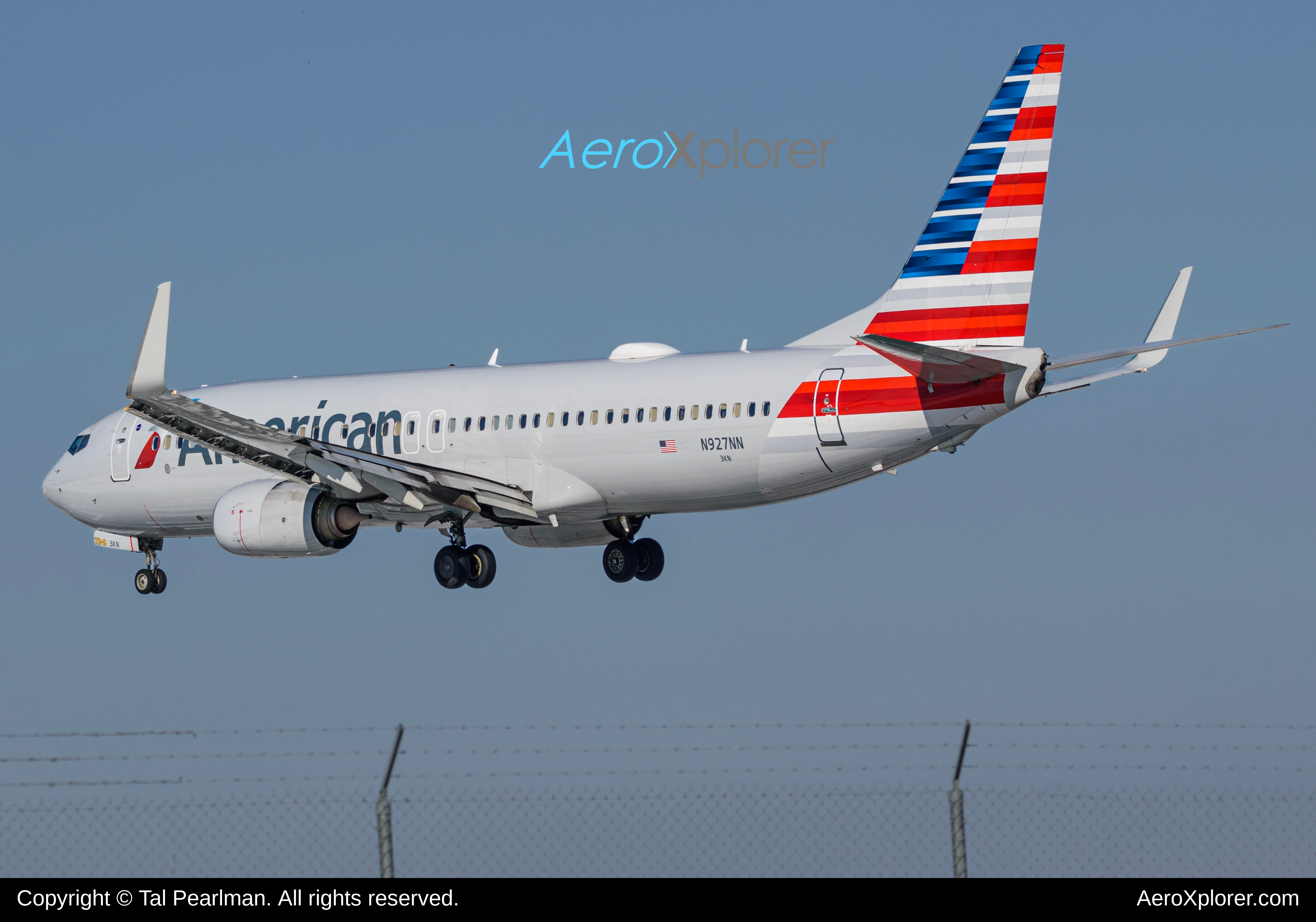

An air traffic controller at Phoenix Sky Harbor International Airport narrowly averted what could have become a serious aviation incident after discovering that two American Airlines aircraft, both operating as Flight 2482 but flying in opposite directions, had ended up airborne on the same frequency at the same time. The controller's quick thinking prevented a potentially dangerous mix-up as the planes converged overnight from August 13 into the early hours of August 14.

How the Mix-Up Happened
American Airlines uses Flight 2482 for both directions of its route between Chicago O'Hare and Phoenix Sky Harbor, normally scheduled so the two flights are never airborne at once. That changed when the Chicago-to-Phoenix flight was delayed roughly 90 minutes because of weather, pushing its arrival past midnight. Because waiting passengers in Phoenix still needed to depart for Chicago, a separate aircraft was brought in to operate the return leg under the same flight number, putting both planes in the same stretch of airspace simultaneously, each identified by the identical callsign "American 2482."
In commercial aviation, callsigns are the primary means of identifying aircraft during radio communications. When two aircraft share the same identifier, instructions intended for one crew can easily be acted upon by the other, creating confusion that can quickly escalate into a safety hazard.
Inside the Cockpit-to-Tower Exchange
Newly released audio captured the controller working methodically to distinguish between the two flights, quickly adopting the shorthand "American 2482 on the arrival" and "American 2482 on the departure" to keep instructions separated; one outlet additionally reported the controller assigning the arriving aircraft an altitude of 10,000 feet and the departing aircraft 9,000 feet, though this specific detail was not independently confirmed elsewhere.
After the aircraft safely passed one another, the controller told the pilots, "It could have been disastrous, but I'm glad it all worked out." The controller reportedly added that in 25 years working air traffic, they had never seen two aircraft with the same callsign converge so closely, calling it "pretty incredible."
Why Callsign Confusion Happens
Callsign confusion has long been recognized as a persistent safety concern in aviation. Airlines typically use their brand name followed by a flight number, but with thousands of daily flights operated by major carriers, overlaps in identical callsigns can and do occur, particularly when, as here, the same number is used for both directions of a route. Regulators and industry safety groups have flagged the issue repeatedly, encouraging carriers to revisit their numbering practices.
Aviation safety experts note that duplicate callsigns are more than an administrative nuisance. When two crews respond to the same call, a controller may not immediately realize the wrong aircraft has acknowledged an instruction such as a heading or altitude change. In the worst case, an aircraft could turn into the path of another based on instructions it was never meant to receive.
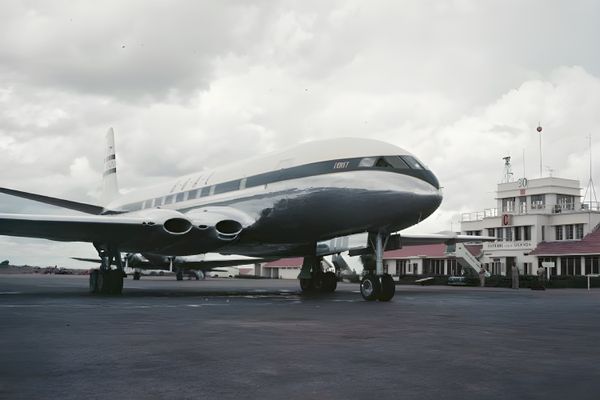
The Shape of Disaster: The Plane That Kept Falling Apart Mid-Air
Airline and Regulatory Response
The Federal Aviation Administration said air traffic control recognized the identical call signs and made sure required separation was maintained, and confirmed it is investigating how the scheduling conflict occurred.
American Airlines said the delayed Chicago-to-Phoenix flight had been scheduled to turn around and continue to Chicago under the same callsign, but the delay required a different aircraft to operate that return leg instead, leaving two aircraft using the same identifier airborne together; the airline credited its pilots and air traffic controllers with ensuring required separation was always maintained.
Neither aircraft came within unsafe distance of the other under FAA separation standards, and both flights continued to their destinations without further incident.
For passengers, the episode serves as a reminder of the layered safety systems operating behind the scenes on every commercial flight. While duplicate callsigns represent a known risk, incidents like this one demonstrate how trained professionals can intervene before routine confusion turns into something far more serious.
FedEx Reveals Retro-Livery Boeing 777F as Memphis Airport Takes Founder's Name » FAA Eases, But Doesn't Lift, SFO's Parallel Landing Restrictions » Smoke in the Cockpit: Delta 757 Makes Emergency Return to Atlanta »
Comments (0)
Add Your Comment
TAGS
NEWS PHX American Airlines AA2482 Flight 2482 CallsignRECENTLY PUBLISHED
 FAA Eases, But Doesn't Lift, SFO's Parallel Landing Restrictions
NEWS
READ MORE »
FAA Eases, But Doesn't Lift, SFO's Parallel Landing Restrictions
FAA Eases, But Doesn't Lift, SFO's Parallel Landing Restrictions
NEWS
READ MORE »
 British Airways Sued Over Head Injury, But the Real Story Is More Complicated
A passenger is suing British Airways over a head injury she says a flight attendant caused, but the airline's crew member wasn't at fault.
NEWS
READ MORE »
British Airways Sued Over Head Injury, But the Real Story Is More Complicated
A passenger is suing British Airways over a head injury she says a flight attendant caused, but the airline's crew member wasn't at fault.
NEWS
READ MORE »
 American Airlines Regional Jet Declares Fuel Emergency After Three Failed Landing Attempts
An American Eagle regional jet flying from Dallas to Lexington, Kentucky was forced to declare a fuel emergency and divert to a third airport in Indiana after three missed approaches.
NEWS
READ MORE »
American Airlines Regional Jet Declares Fuel Emergency After Three Failed Landing Attempts
An American Eagle regional jet flying from Dallas to Lexington, Kentucky was forced to declare a fuel emergency and divert to a third airport in Indiana after three missed approaches.
NEWS
READ MORE »
More than just headlines.
Get unlimited ad-free access to in-depth aviation news, premium stories, and exclusive insights other sites don't cover.
- Ad-free browsing on AeroXplorer
- Unlimited access to premium and exclusive articles
- Higher photo upload limits & commissions on sales
- Free access to Jetstream Magazine on higher tiers
- Ad-free browsing
- Sell aviation photos with 60% commission
- First week free!
- Everything in Basic+
- Unlimited premium articles
- Sell aviation photos with 70% commission
- Free Digital subscription to Jetstream Magazine
- First week free!
- Everything in Basic+ and Pro
- Sell aviaiton photos with 80% commission
- Early access to exclusive stories
- Free Digital+Print subscription to Jetstream Magazine