
Join us virtually this week. Free to attend • Seats are limited.
The Federal Aviation Administration has eased, though not fully lifted, a restriction that had barred San Francisco International Airport from conducting its traditional side-by-side parallel landings, a decision that partially restores arrival capacity during peak travel periods without returning the airport to its pre-restriction landing rate.
The restriction, imposed in late March, had forced significant reductions in the number of aircraft the airport could accept each hour. Starting August 12, controllers can direct planes toward the airport's two closely spaced parallel runways using a new staggered approach procedure, which improves throughput compared to the restriction but does not restore the original side-by-side visual approaches that were banned.
Why the FAA Imposed the Ban
The FAA halted SFO's traditional simultaneous visual approaches following a broader, nationwide safety review of aircraft separation standards. SFO's two main arrival runways, 28L and 28R, sit only 750 feet apart, among the closest parallel runways in commercial service in the United States.
For decades, controllers allowed pilots to land on both runways at essentially the same time under a special waiver, relying on pilots maintaining visual separation from the neighboring aircraft. Without that waiver in use, the airport must switch to more conservative separation standards, sharply reducing the flights it can accept.

Impact on Travelers and Airlines
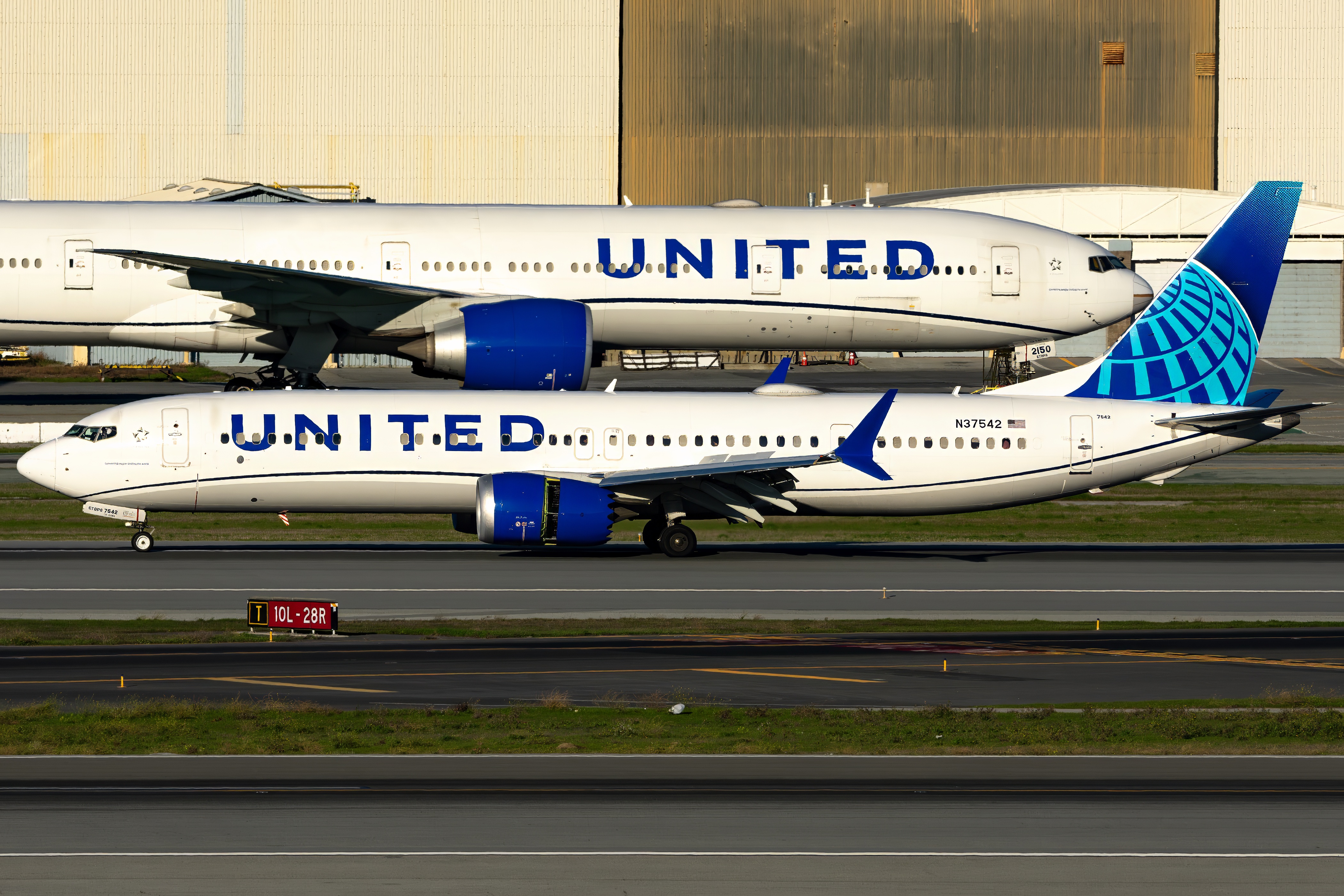
During the restriction, roughly 41% of SFO flights were delayed 15 minutes or more, with departures hit hardest at about 45%. The disruption was compounded by the closure of Runway 1R for a six-month, $180 million repaving project that began the same day as the restriction; the FAA said roughly half of the reduction in hourly arrival capacity, which fell from about 54 to 36 aircraft, was attributable to the construction rather than the separation rule change. Airlines operating hub schedules, including United Airlines, were forced to trim flight blocks and re-time connections.
Passengers faced longer wait times, missed connections, and in some cases cancellations as carriers absorbed the slowdown. Cargo operators reported similar disruptions. With the new staggered procedure now in effect, airport officials expect on-time performance to improve, though not to fully return to pre-restriction levels while Runway 1R remains closed; it's expected to reopen around October 2.

Analysis: How Spirit Airlines Changed Airline Pricing, then Paid the Price
How the New Procedure Differs
The staggered approach allows aircraft to approach both runways in a more efficient sequence than the fully separated arrivals required under the restriction, without reviving the true side-by-side visual approaches SFO used for decades. Controllers, rather than pilots, remain primarily responsible for managing separation between the two arrival streams.
Because SFO relies so heavily on paired arrivals to meet demand, any change to runway use has an outsized effect on operations. The airport handles tens of millions of passengers each year, and its peak-hour arrival rate depends heavily on how efficiently the two runways can be used together.
What Changed for the FAA to Ease the Ban
The FAA has indicated that a new flight procedure for Runway 28R, incorporating Precision Runway Monitor and Closely Spaced Parallel Approach technology, is under development and expected in the coming weeks, which could further increase capacity beyond the current staggered procedure.
Airport leaders welcomed the partial restoration. SFO had pushed for a resolution, citing the operational strain the restriction placed on airlines and passengers throughout the region.
Looking Ahead
Airlines are expected to gradually adjust their schedules at SFO, though full recovery to pre-March capacity will likely depend on both the Runway 1R reopening and further FAA procedural approvals. United Airlines, which operates its largest West Coast hub at the airport, is likely to see a meaningful benefit, along with international carriers that rely on SFO as a gateway to Asia and Europe.
Regulators have signaled they will continue monitoring operations as the new procedure is used, with further adjustments possible depending on how it performs.
For now, travelers passing through San Francisco can expect some improvement in on-time performance, though delays are likely to persist at elevated levels until Runway 1R reopens and any additional procedural changes take effect.
Passenger Threatens to "Take Over" Alaska Airlines Aircraft, Rebooked on a Later Flight » American Airlines Regional Jet Declares Fuel Emergency After Three Failed Landing Attempts » British Airways Sued Over Head Injury, But the Real Story Is More Complicated »

Comments (0)
Add Your Comment
TAGS
NEWS FAA SFO Parallel LandingRECENTLY PUBLISHED
 British Airways Sued Over Head Injury, But the Real Story Is More Complicated
A passenger is suing British Airways over a head injury she says a flight attendant caused, but the airline's crew member wasn't at fault.
NEWS
READ MORE »
British Airways Sued Over Head Injury, But the Real Story Is More Complicated
A passenger is suing British Airways over a head injury she says a flight attendant caused, but the airline's crew member wasn't at fault.
NEWS
READ MORE »
 American Airlines Regional Jet Declares Fuel Emergency After Three Failed Landing Attempts
An American Eagle regional jet flying from Dallas to Lexington, Kentucky was forced to declare a fuel emergency and divert to a third airport in Indiana after three missed approaches.
NEWS
READ MORE »
American Airlines Regional Jet Declares Fuel Emergency After Three Failed Landing Attempts
An American Eagle regional jet flying from Dallas to Lexington, Kentucky was forced to declare a fuel emergency and divert to a third airport in Indiana after three missed approaches.
NEWS
READ MORE »
 What Aviation Insurance Usually Doesn't Cover and Why It Matters
Learn what aircraft insurance commonly excludes, including wear and tear, mechanical breakdowns, pilot qualifications, and unauthorized aircraft use.
INFORMATIONAL
READ MORE »
What Aviation Insurance Usually Doesn't Cover and Why It Matters
Learn what aircraft insurance commonly excludes, including wear and tear, mechanical breakdowns, pilot qualifications, and unauthorized aircraft use.
INFORMATIONAL
READ MORE »
More than just headlines.
Get unlimited ad-free access to in-depth aviation news, premium stories, and exclusive insights other sites don't cover.
- Ad-free browsing on AeroXplorer
- Unlimited access to premium and exclusive articles
- Higher photo upload limits & commissions on sales
- Free access to Jetstream Magazine on higher tiers
- Ad-free browsing
- Sell aviation photos with 60% commission
- First week free!
- Everything in Basic+
- Unlimited premium articles
- Sell aviation photos with 70% commission
- Free Digital subscription to Jetstream Magazine
- First week free!
- Everything in Basic+ and Pro
- Sell aviaiton photos with 80% commission
- Early access to exclusive stories
- Free Digital+Print subscription to Jetstream Magazine