Supersonic passenger travel over the continental United States is approaching a turning point. The Trump administration is advancing a plan to dismantle a federal prohibition that has kept civilian aircraft from breaking the sound barrier over American soil for more than five decades, according to reporting by Bloomberg.
The proposal would direct the Federal Aviation Administration to revise its rules governing civil supersonic operations, a restriction that has stood since 1973. That ban, originally imposed to address public concerns over disruptive sonic booms, has long been cited by aerospace developers as the single largest regulatory obstacle to reviving high-speed commercial flight in the country.
What the Plan Proposes
Under the directive, the FAA would be instructed to replace the existing speed-based prohibition with a noise-based standard. Rather than barring flight above Mach 1 outright, regulators would evaluate aircraft based on the sound they generate at ground level. Manufacturers developing quieter supersonic designs would gain a clearer path to certification and commercial operation.
The shift aligns federal policy with where aerospace engineering has moved over the past decade. New airframe designs, refined propulsion systems, and advanced aerodynamic shaping have reduced the intensity of the sonic boom, producing what engineers describe as a softer thump audible at ground level rather than the sharp double-crack associated with earlier generations of supersonic aircraft.

Photo: BAE Systems
Industry Implications
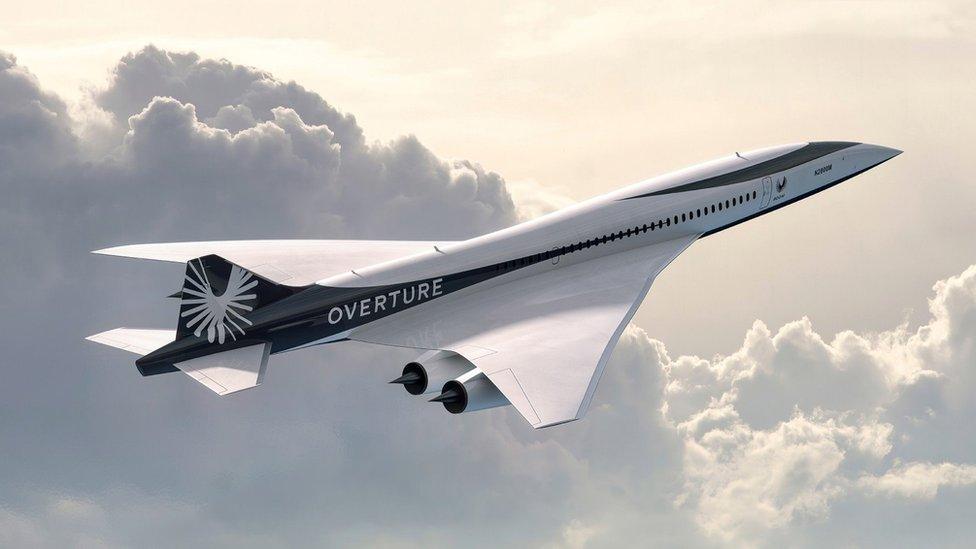
For aerospace enthusiasts tracking the return of high-speed civil aviation, the policy change carries direct consequences. Boom Supersonic, the Denver-based developer working on the Overture airliner, has been among the most vocal proponents of regulatory reform. The company has positioned its aircraft for transoceanic routes under the current framework, but overland authorization would substantially expand its addressable market.
NASA has also pursued the quiet supersonic concept through its X-59 demonstrator, developed in partnership with Lockheed Martin's Skunk Works. The aircraft is designed to produce a sonic thump rather than a boom, generating acoustic data that regulators can use to write new noise standards. Test flights of the X-59 have been a central element of the agency's Quesst mission.
Other entrants, including startups focused on small supersonic business jets, would also benefit from a more permissive regulatory environment. Several of these firms have struggled to attract sustained capital partly because the overland flight prohibition limited the commercial case for their aircraft.
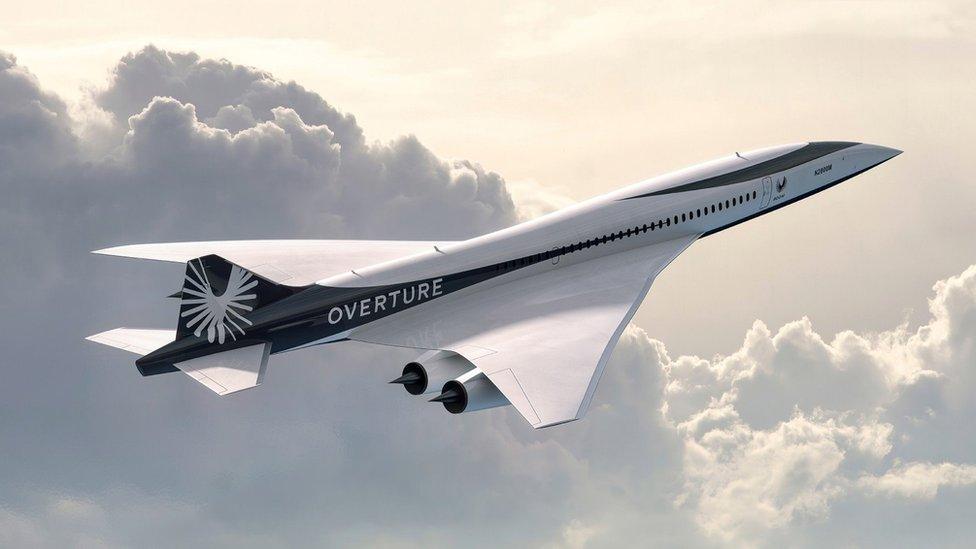
Photo: Boom Supersonic
Historical Context
The original ban took effect during the development of the Anglo-French Concorde and the American supersonic transport program. Public opposition to sonic booms, combined with environmental concerns, led the FAA to prohibit civil flight at speeds exceeding Mach 1 over land. The Concorde, which entered commercial service in 1976, was restricted to subsonic speeds while crossing US territory and operated primarily on transatlantic routes until its retirement in 2003.
Since then, no commercial supersonic aircraft has entered service anywhere in the world. The economics of high-speed flight, combined with regulatory friction and fuel efficiency challenges, kept the segment dormant. The current revival is driven by a combination of new materials, sustainable aviation fuel availability, and quieter engine and airframe designs.

Only Way Out: Private Aviation in a Region at War
Regulatory Pathway
Rewriting the rules will not happen overnight. The FAA must conduct rulemaking that includes public comment, environmental review, and coordination with international aviation bodies. The International Civil Aviation Organization is also developing its own noise standards for supersonic aircraft, and US regulators have signaled they want domestic rules to be compatible with the eventual global framework.
You should expect a multi-year process before the first commercial supersonic flight crosses the continental United States at full speed. Aircraft seeking certification will need to demonstrate compliance with whatever acoustic threshold the FAA ultimately adopts. That threshold has not yet been defined publicly, and the level chosen will determine how feasible overland operation becomes for any given design.
Economic and Strategic Considerations
Supporters of the policy change argue that the United States risks ceding leadership in next-generation aviation if it maintains the current ban. Other countries, including the United Kingdom and Japan, have explored their own supersonic research programs, and Chinese state-affiliated firms have signaled interest in the segment. Allowing domestic operation would strengthen the case for US-based manufacturing and certification expertise.
Critics raise concerns about noise exposure for communities under flight paths, potential impacts on wildlife, and the climate footprint of aircraft that burn more fuel per passenger than conventional jets. These objections will likely surface during the public comment period and could shape the final form of any new regulation.
What to Watch Next
Aerospace observers should monitor several developments in the months ahead. The first is the timing and scope of the FAA's notice of proposed rulemaking, which will lay out the agency's preferred approach. The second is the progress of the X-59 flight test program, which will supply the empirical noise data underpinning any new standard. The third is the trajectory of Boom Supersonic's Overture program, including engine development and order book growth.
The combination of regulatory movement, demonstrator flights, and active commercial programs marks the most substantial momentum the segment has seen since Concorde's retirement. Whether that momentum produces a working overland supersonic airliner remains contingent on engineering execution and the willingness of regulators to translate political direction into workable rules.
Baggage Cart Bursts Into Flames at Milan's Malpensa Airport » British Airways Sued Over Head Injury, But the Real Story Is More Complicated » This Week in Aviation: The 10 Stories That Mattered Most »

Comments (0)
Add Your Comment
TAGS
INFORMATIONAL Supersonic Flight White House Directive Sonic Boom Regulation FAA Aviation Policy Next-Generation Aircraft Boom Technology Aerion Supersonic Overland Flight Commercial Aviation Aviation Innovation Regulatory FrameworkRECENTLY PUBLISHED
 This Week in Aviation: The 10 Stories That Mattered Most
From major airline developments to aircraft updates and industry shifts, this weekly recap highlights the ten most-read aviation stories from the week of August 09.
INFORMATIONAL
READ MORE »
This Week in Aviation: The 10 Stories That Mattered Most
From major airline developments to aircraft updates and industry shifts, this weekly recap highlights the ten most-read aviation stories from the week of August 09.
INFORMATIONAL
READ MORE »
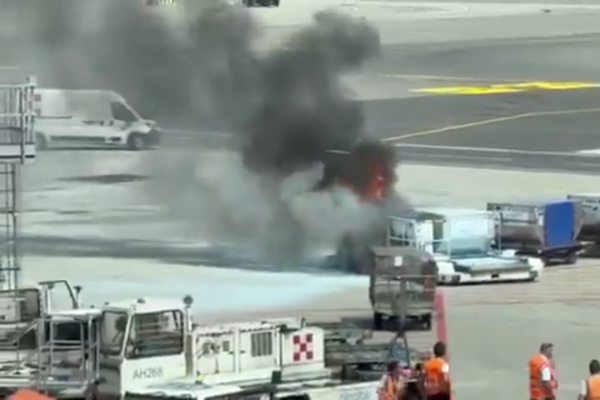 Baggage Cart Bursts Into Flames at Milan's Malpensa Airport
A luggage container caught fire at Milan Airport just before it was loaded onto a packed British Airways flight bound for London Heathrow.
NEWS
READ MORE »
Baggage Cart Bursts Into Flames at Milan's Malpensa Airport
A luggage container caught fire at Milan Airport just before it was loaded onto a packed British Airways flight bound for London Heathrow.
NEWS
READ MORE »
 Vietnam Airlines Boeing 787 Overruns Munich Runway During Takeoff, Suffers Tail Strike
A Vietnam Airlines Boeing 787 Dreamliner overran the runway at Munich Airport during takeoff, striking its tail before climbing.
NEWS
READ MORE »
Vietnam Airlines Boeing 787 Overruns Munich Runway During Takeoff, Suffers Tail Strike
A Vietnam Airlines Boeing 787 Dreamliner overran the runway at Munich Airport during takeoff, striking its tail before climbing.
NEWS
READ MORE »
More than just headlines.
Get unlimited ad-free access to in-depth aviation news, premium stories, and exclusive insights other sites don't cover.
- Ad-free browsing on AeroXplorer
- Unlimited access to premium and exclusive articles
- Higher photo upload limits & commissions on sales
- Free access to Jetstream Magazine on higher tiers
- Ad-free browsing
- Sell aviation photos with 60% commission
- First week free!
- Everything in Basic+
- Unlimited premium articles
- Sell aviation photos with 70% commission
- Free Digital subscription to Jetstream Magazine
- First week free!
- Everything in Basic+ and Pro
- Sell aviaiton photos with 80% commission
- Early access to exclusive stories
- Free Digital+Print subscription to Jetstream Magazine