Originally published in the Fall 2026 issue of Jetstream Magazine.
EAA’s AirVenture is a wonderful stage for presenting the newest innovations in aviation technology, from rugged new homebuilts to advanced Garmin avionics or ForeFlight software. Among this year’s displays was Joby Aviation’s bid to transform the final miles of an airline journey: a battery-electric aircraft designed to connect airports with city centers in minutes. If it is successful, the Joby electric air taxi will be the closest thing yet to the quiet, hovering, whooshing flying cars that science fiction has promised us for decades.
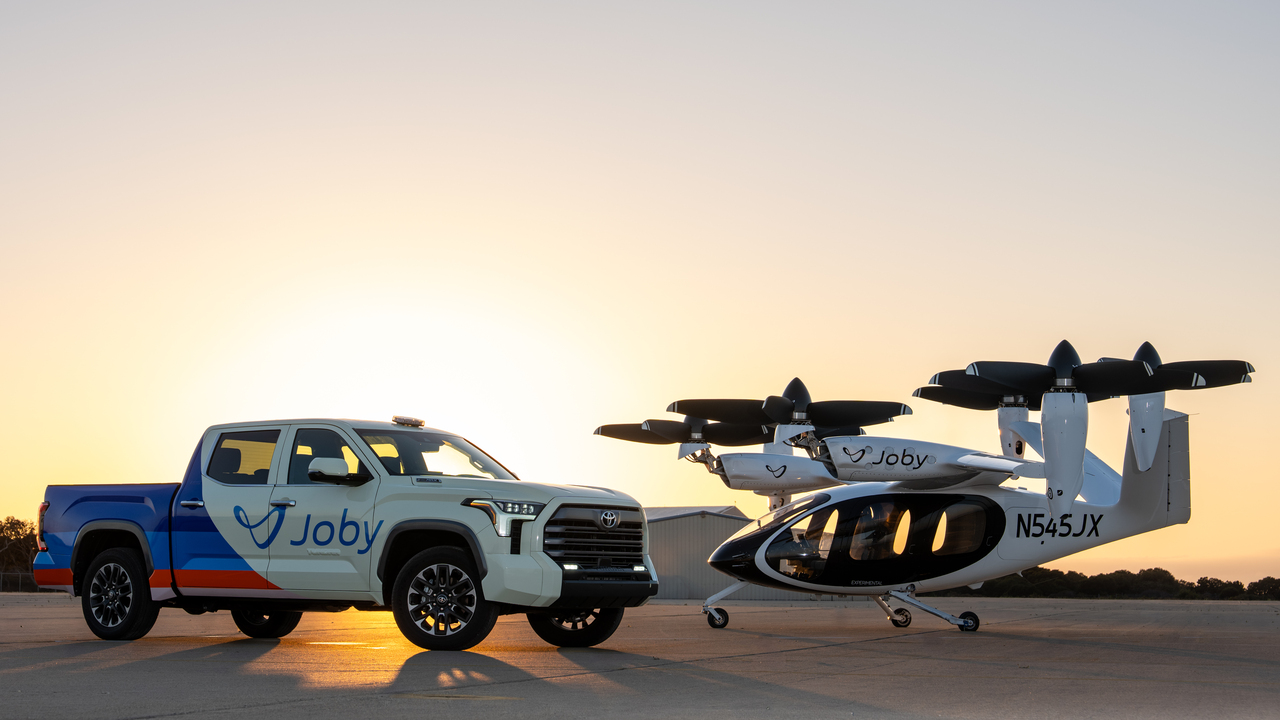
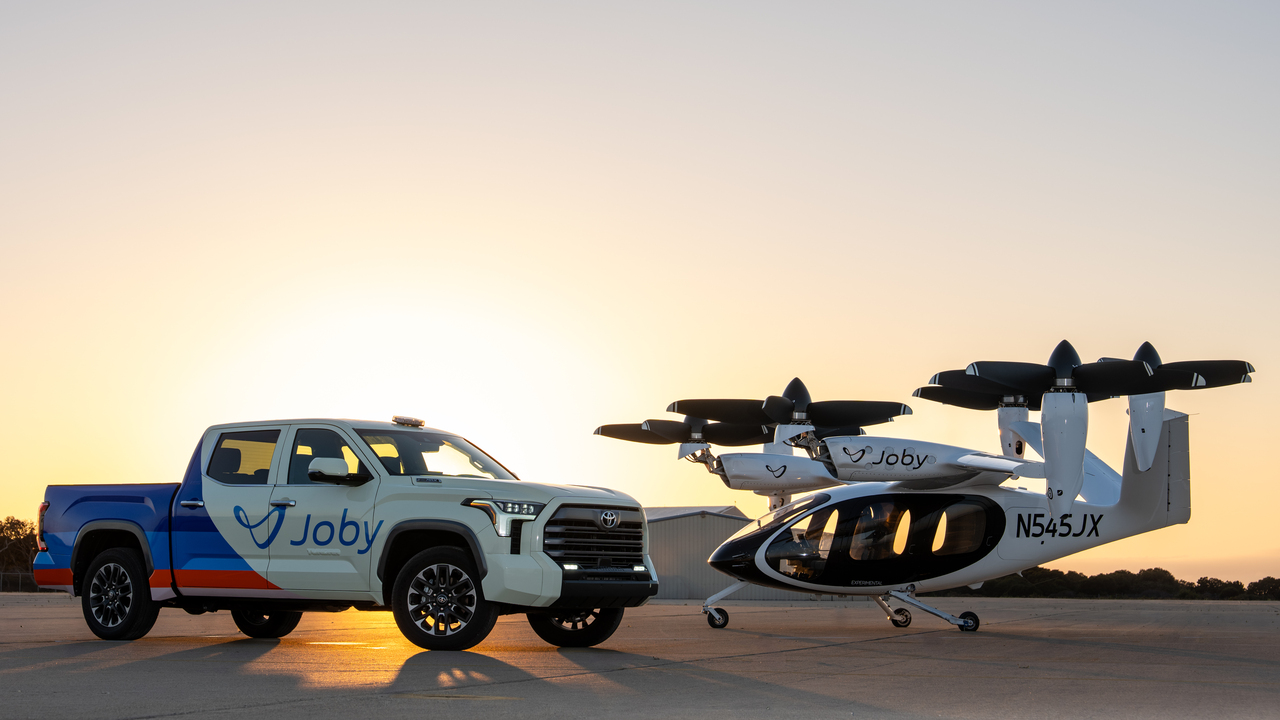
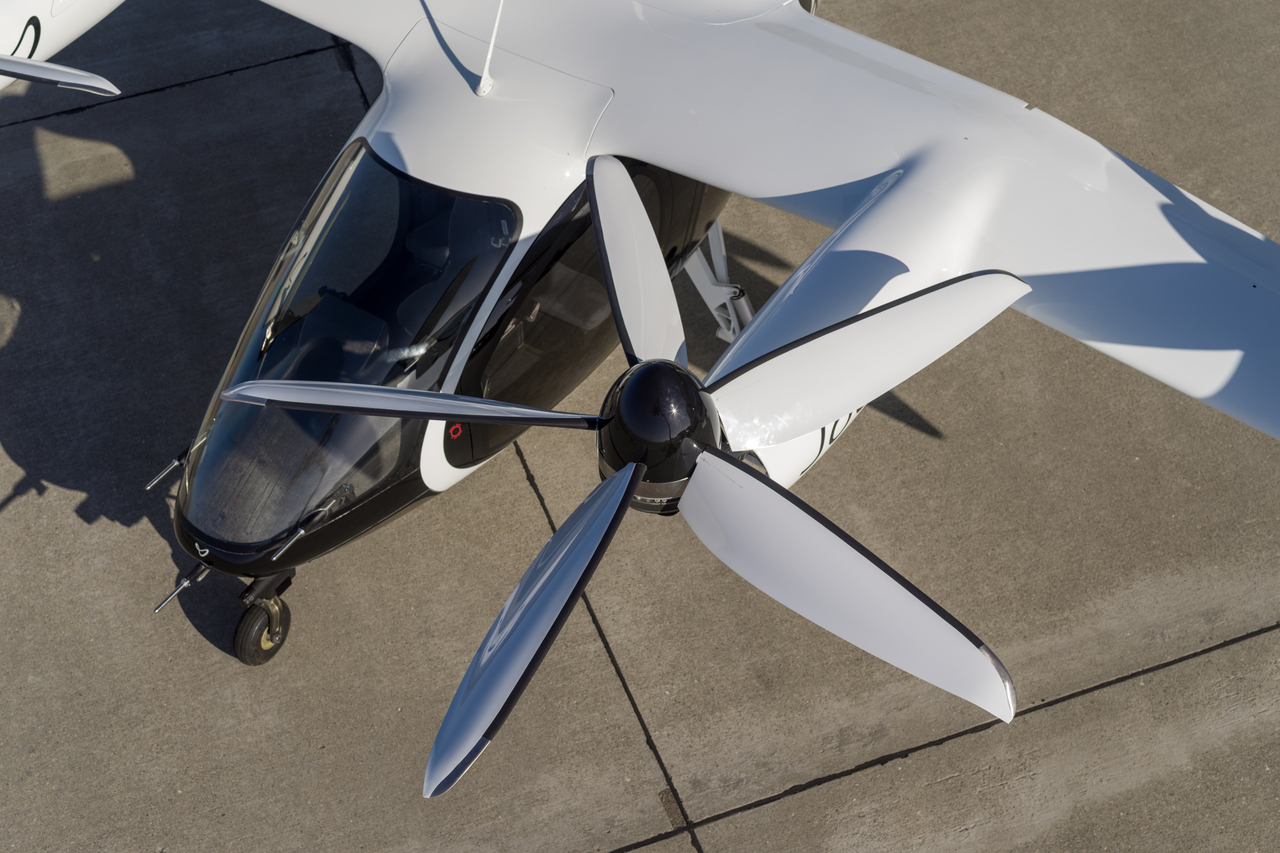
Meet the Joby aircraft, a battery-powered electric vertical takeoff and landing (eVTOL) vehicle built primarily from carbon-fiber composites. Six electric motors drive six five-bladed propellers, while four battery packs supply the power needed to fly without producing direct exhaust emissions.
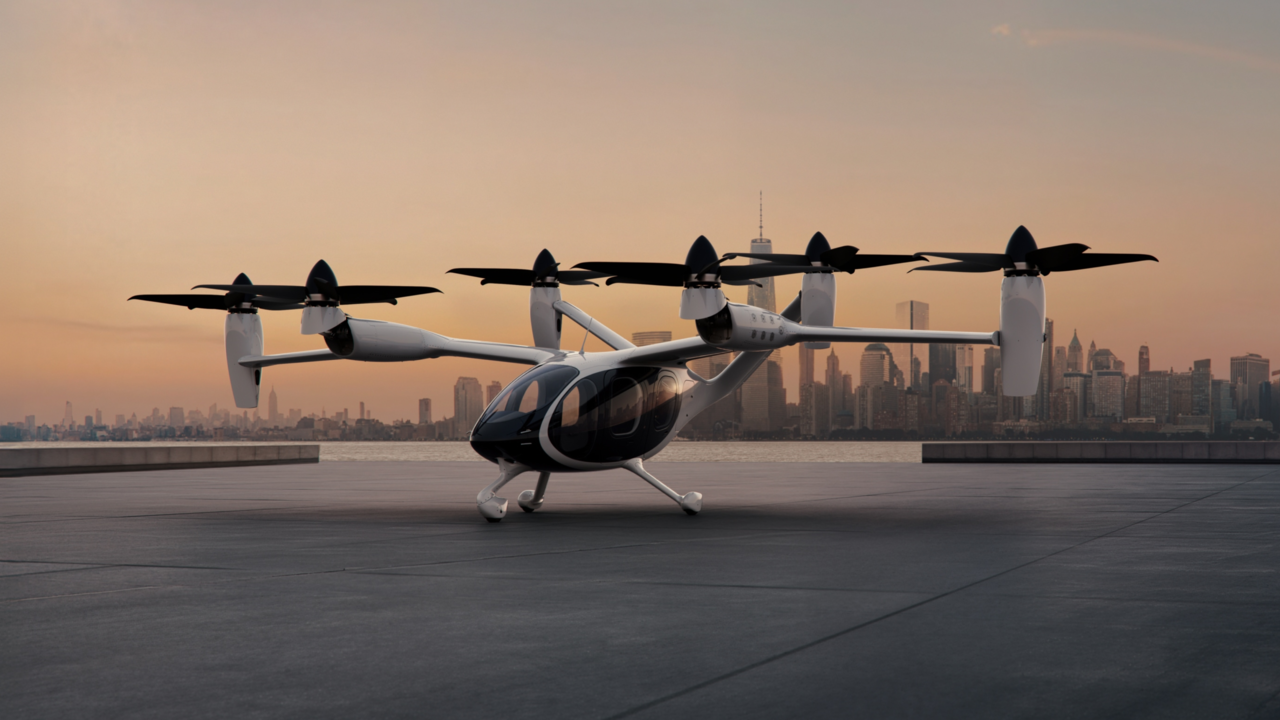
The Joby uses a tilt-propeller design. For takeoff and landing, its six propellers point upward to provide vertical lift. As the aircraft accelerates, the propellers gradually tilt forward, transferring lift to the wings and allowing it to cruise like a conventional airplane.
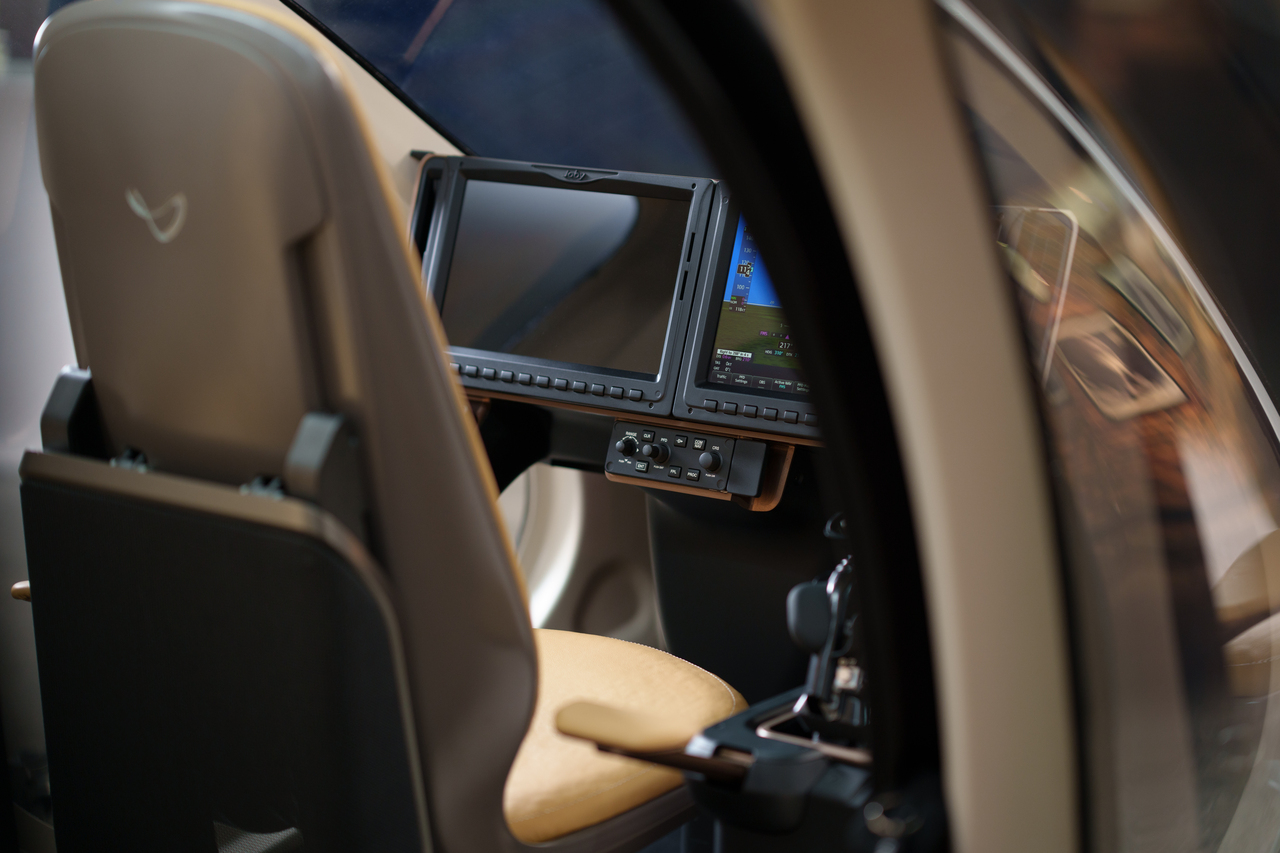
The Joby carries one pilot and four passengers across three rows. Inside, broad windows wrap the compact cabin in glass, giving every passenger an open view of the city below while offering noticeably more space than a conventional ground taxi. The most striking difference, however, may be heard from outside. Joby says the aircraft produces about 45 decibels when cruising 1,640 feet overhead, allowing its sound to fade into the city below as a distant electric hum rather than the heavy rotor beat of a conventional helicopter.

For now, however, it remains a demonstration aircraft rather than a bookable air taxi. Joby must complete FAA certification and secure the necessary operating approvals before carrying paying passengers in the United States.

Only Way Out: Private Aviation in a Region at War
The Ten-Minute Trip Across New York
From April 23 to May 1, 2026, Joby conducted a series of demonstration flights around New York City as part of its Electric Skies Tour. Departing John F. Kennedy International Airport (JFK), the prototype lifted off vertically before transitioning to wing-borne flight, accelerating to 90 knots and climbing to 1,000 feet. Its route crossed Jamaica Bay, curved around Coney Island and continued north along the Hudson River to the West 30th Street Heliport (JRA). The flight took less than ten minutes. Apple Maps estimated that the same journey would take approximately 50 minutes by car at 6 p.m. on a typical Sunday, before accounting for bridge or tunnel tolls and New York’s congestion-pricing charge.
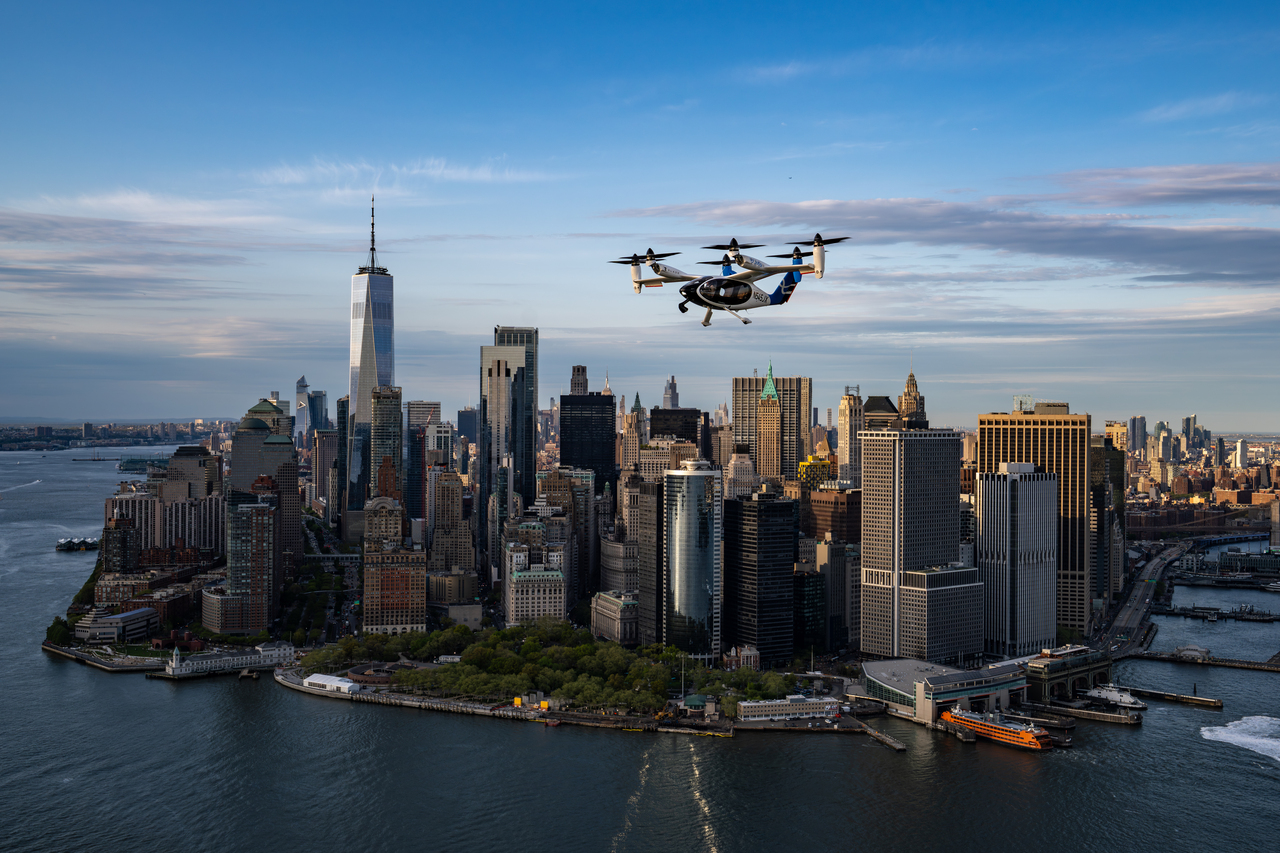
From West 30th Street, the aircraft flew south along the Hudson, circled the Statue of Liberty for a brief photo shoot and landed at the Downtown Manhattan Heliport (JRB), which Joby calls the Downtown Skyport. There, it taxied under its own power from the landing pad to a dedicated charging station before returning to JFK.
Building the Network Before Launch
Joby’s ambitious plans are reflected in some of the influential industry partnerships it has developed in recent years. Joby has partnered with Delta Air Lines to pioneer “home-to-airport” transportation for Delta customers. The five-year agreement includes an upfront equity investment in Joby of $60 million, with a total investment of up to $200 million possible as further milestones are achieved. New York and Los Angeles will be the first Delta locations to see the new service.
The Shape of Disaster: The Plane That Kept Falling Apart Mid-Air
In July of this year, a similar partnership was announced between Joby and Virgin Atlantic to provide electric air taxi service to the UK. This binding, multi-year agreement makes Virgin Atlantic Joby’s exclusive airline partner in the UK. Under the companies’ plans, customers would eventually be able to book Joby flights through Virgin Atlantic’s platforms. Joby has identified potential journeys including Manchester-Leeds, which it estimates could take about 15 minutes, and Heathrow-central London, which it says could take less than eight minutes. These are trips that would take over an hour by car.
In 2025, Joby agreed to acquire Blade Air Mobility’s passenger business in a deal valued at up to $125 million. The transaction gave Joby access to an established customer base, operating experience, and terminal infrastructure in New York and parts of Europe. Blade’s medical-transport business was not included. By combining its aircraft with Blade’s terminals, customers, and operating experience, Joby hopes to carry its first paying passengers once the necessary regulatory approvals are secured.
Will Passengers Get Onboard?
The larger uncertainty is whether passengers will trust – and pay for – the service once it becomes available. Jonathan Albright, an international investment banker who regularly travels through New York and London, represents the kind of time-sensitive business traveler Joby hopes to attract. He describes the electric air taxi concept as “very cool,” but he is wary: “[I'm] not sure I would do an air taxi at this point in its evolution. Call me in twenty years when the bugs are worked out.”
But Joby is much more optimistic after its demonstration flights in New York as well as San Francisco. Joby reported more than $3 billion in available liquidity and said its certification program had entered the fifth and final stage of the FAA's type-certification process. The company nevertheless continues to spend heavily as it completes certification, expands manufacturing, and prepares its operating network.
What Will We Call It?
Of interest is what to call it. “Electric air taxi” is a mouthful, and at the same time sterile. The aircraft’s fuselage is rounded and mostly windowed, reminiscent of a helicopter, but it’s not a helicopter. Its wings and tail obviously say "airplane," yet it’s not just a conventional airplane. The closest description is a tilt-rotor vehicle, yet it’s hard to imagine people saying, “I’m going to catch the tilt-rotor at 30th Street and hop out to the airport.”
In all likelihood, with its early start planned in the world’s busiest markets, people will fall into calling it simply the “Joby,” giving it the possibility of becoming one of those brand names that come to represent an entire product category, like “Kleenex” or “Band-Aid.” That would be a fitting turn of events for an aircraft that might revolutionize the first and last few miles of even the longest journeys, the arduous few miles between the front door and the airport. Our flying car may be here.
This content is only available with an AeroXplorer+ subscription.
How Delivery Delays Are Reshaping Aviation Sourcing » SAF's Uncomfortable Math: Availability, Price Premiums, Mandates, and Who Actually Pays » Aegis Air Bets on By-the-Seat Private Jet Flights From Miami to Caracas »

Comments (0)
Add Your Comment
TAGS
INFORMATIONAL Joby Aviation eVTOL Air Taxi Joby Air Taxi EAA AirVenture NBAA26RECENTLY PUBLISHED
 SAF's Uncomfortable Math: Availability, Price Premiums, Mandates, and Who Actually Pays
Sustainable aviation fuel is expected to carry the industry most of the way to net zero by 2050. It remains the only real substitute for fossil jet fuel that can be used in today's aircraft without requiring major engine redesigns. Yet in 2026, SAF still made up just 0.8% of global jet fuel use, a sliver that nonetheless cost airlines billions of dollars to buy.
INFORMATIONAL
READ MORE »
 Are Airports Cool & Fancy Again? We Think So
The rise of luxury, modern airports has begun. With over 600 airport projects happening worldwide, we can expect more innovation & premium services to be at the forefront of these megahubs.
STORIES
READ MORE »
 Ryanair Passengers Endure Nine-Hour Flight Only To End Up Where They Started
A two-hour Ryanair flight to Cornwall turned into a nine-hour ordeal after the plane diverted twice and returned to its starting point in Spain.
NEWS
READ MORE »
More than just headlines.
Get unlimited ad-free access to in-depth aviation news, premium stories, and exclusive insights other sites don't cover.
- Ad-free browsing on AeroXplorer
- Unlimited access to premium and exclusive articles
- Higher photo upload limits & commissions on sales
- Free access to Jetstream Magazine on higher tiers
- Ad-free browsing
- Sell aviation photos with 60% commission
- First week free!
- Everything in Basic+
- Unlimited premium articles
- Sell aviation photos with 70% commission
- Free Digital subscription to Jetstream Magazine
- First week free!
- Everything in Basic+ and Pro
- Sell aviaiton photos with 80% commission
- Early access to exclusive stories
- Free Digital+Print subscription to Jetstream Magazine