Originally published in the Fall 2026 issue of Jetstream Magazine.
At approximately 804 feet, it was only about 78 feet shorter than the Titanic, a silver whale of a machine that could cross an ocean while its passengers dined on Rhine wine and slept in private cabins. Hindenburg briefly became the most glamorous way to travel.
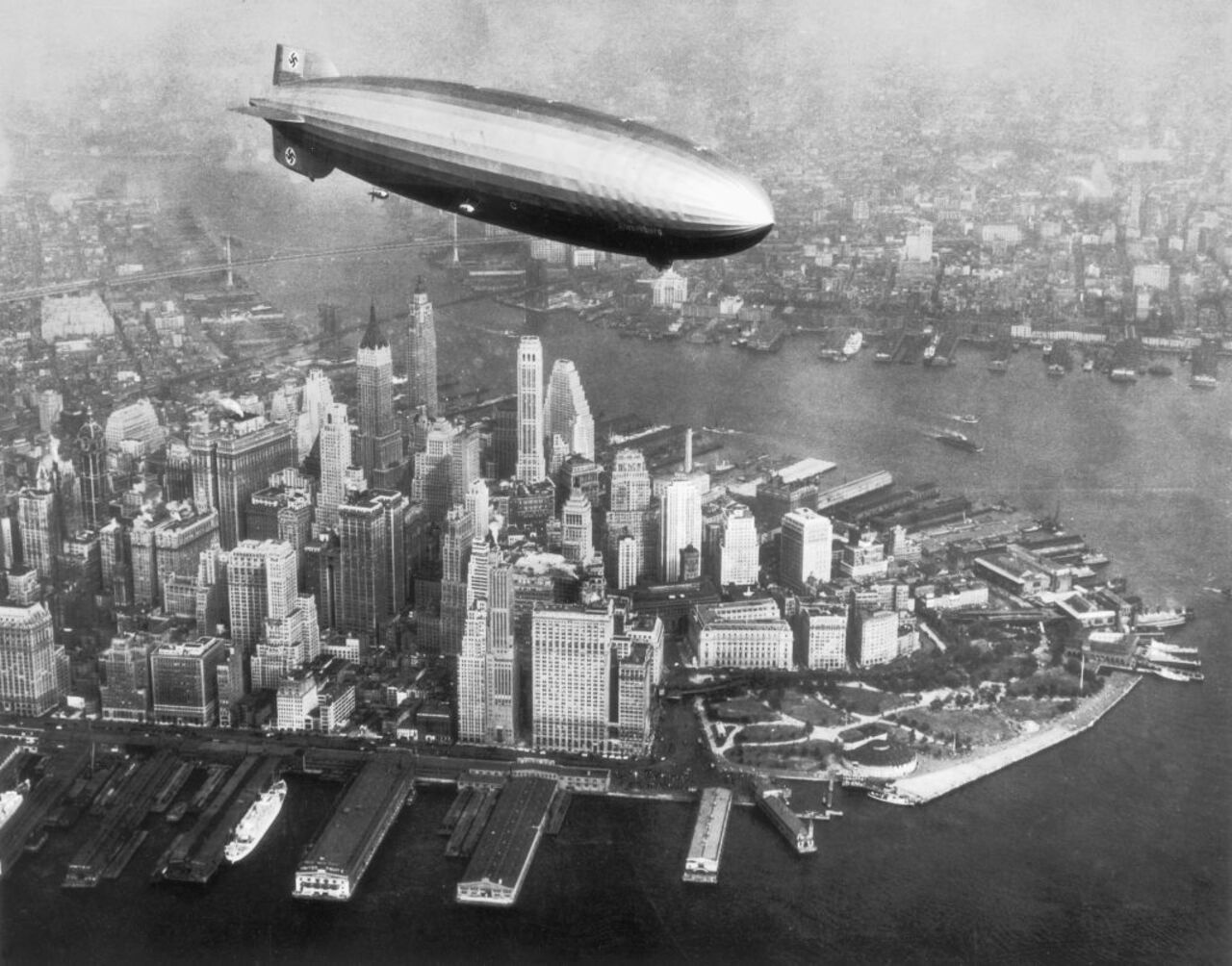
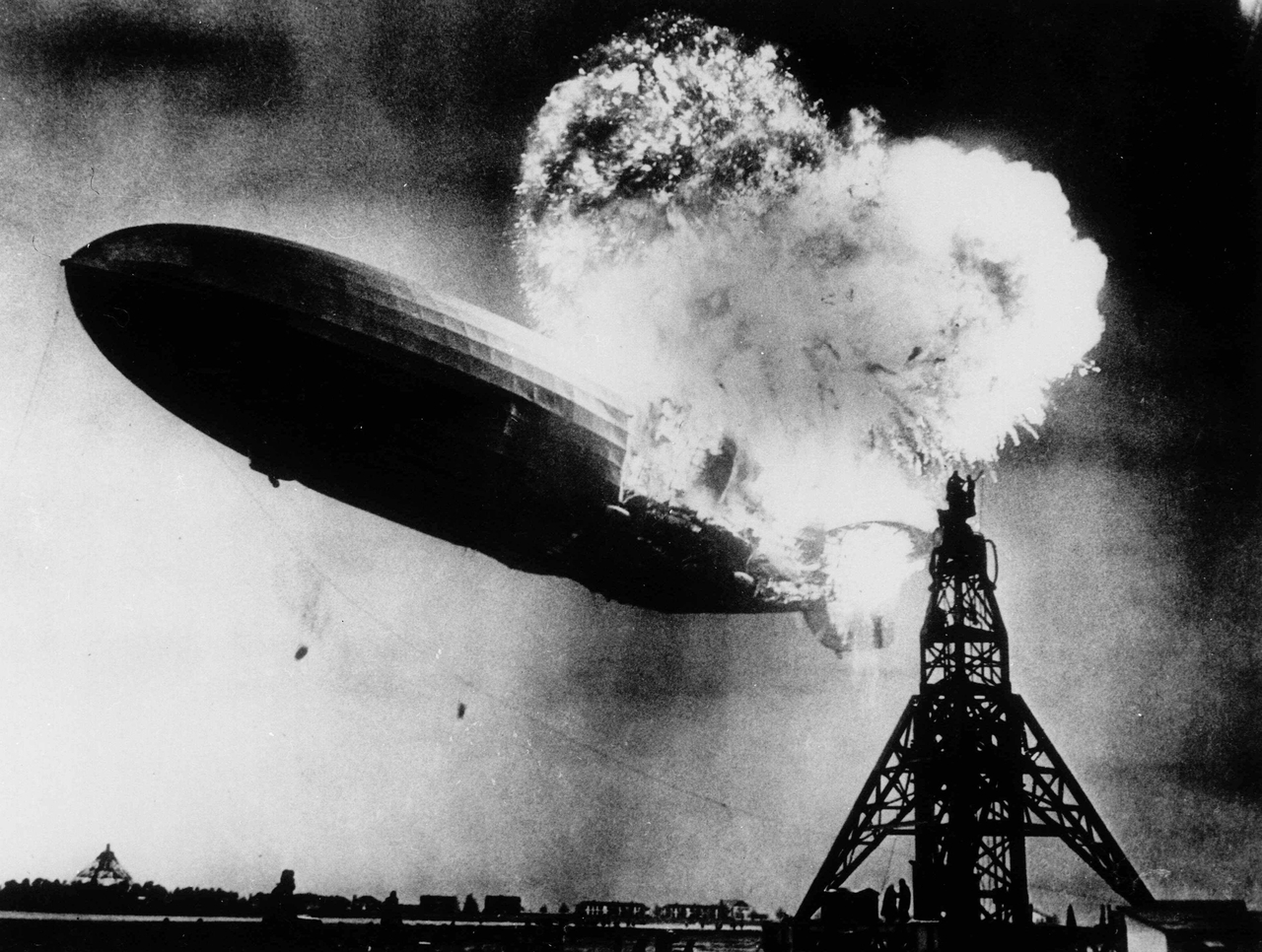
On the evening of May 6, 1937, that machine, the largest aircraft the world had yet seen, was doing what it had done repeatedly during the previous year: approaching Lakehurst at the end of a transatlantic crossing. Reporters and photographers had gathered, expecting little more than another routine arrival for the evening news. But at 7:25 p.m., flames appeared near the tail. Investigators would later conclude that leaking hydrogen was most likely ignited by an electrical discharge, although the precise sequence remains disputed.
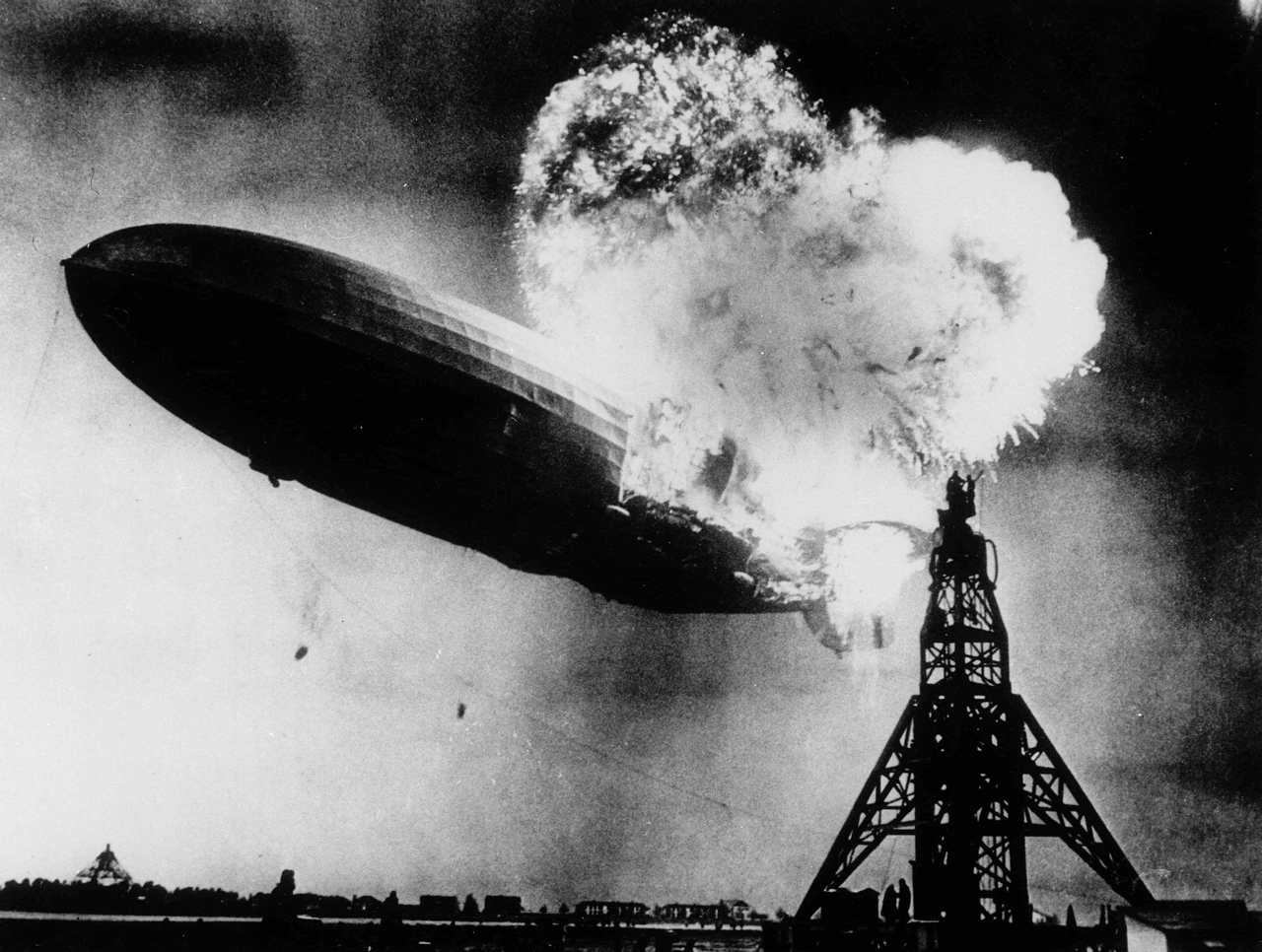
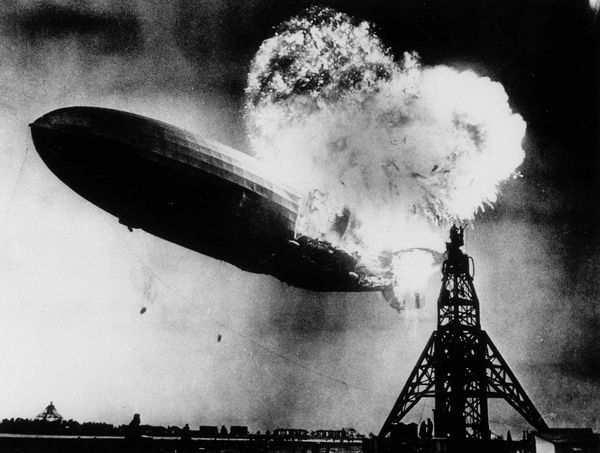
What happened next took less time than it takes to read this sentence: a dull thump, a flash of orange blooming from the stern, and the ship's skeleton lighting up from the inside like a paper lantern. Within 34 seconds, the pride of German aviation had folded into the ground as 7 million cubic feet of hydrogen turned into a curtain of fire nearly as tall as the mast it was supposed to dock against. Passengers leapt from windows 20 and 30 feet up rather than wait for the flames to reach them.
Radio reporter Herbert Morrison – there to record what was expected to be a routine arrival – was reduced to a broken, disbelieving cry: “Oh, the humanity!” Broadcast afterward, his recording became inseparable from the images of the disaster.
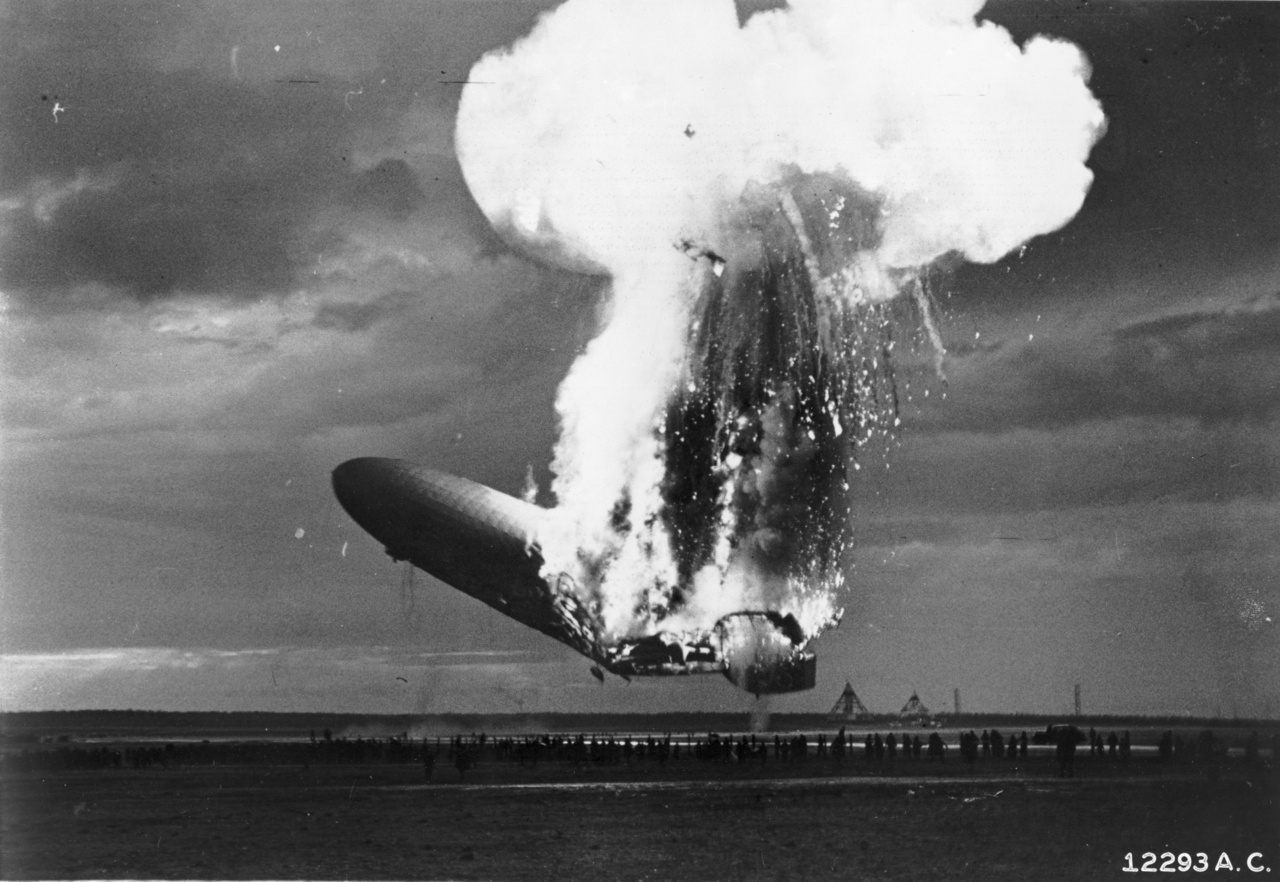
Thirty-six people died as a result of what occurred during those 34 seconds: 22 crew, 13 passengers, and one member of the ground crew. Some died in the fire, while others were killed or fatally injured attempting to escape. Remarkably, 62 of the 97 people aboard survived, many escaping through windows as the burning hull settled toward the ground.
Footage of those 34 seconds remains among the most replayed in American history, shown so often that most people can picture the fireball without knowing what came before or after it. The fire is the only 34 seconds anyone remembers, when the real story is the years on either side of it.

Building the Airship Age
The idea behind the Hindenburg wasn't new by 1936; it was decades old. Count Ferdinand von Zeppelin built his first rigid airship in 1900, driven by a conviction that lighter-than-air travel, not the fragile, short-hop airplanes of the era, would be the future of long-distance flight.
His company, Luftschiffbau Zeppelin, spent the next three decades refining the concept: a rigid framework of aluminum alloy enclosing separate gas cells, all covered by a streamlined fabric skin. By the 1920s and early 1930s, Zeppelin's airships had already carried passengers around the world and across the Atlantic without a passenger fatality, even as other rigid-airship programs suffered devastating accidents. That record gave Zeppelin passenger service a reputation for reliability, although the broader airship industry remained accident-prone.
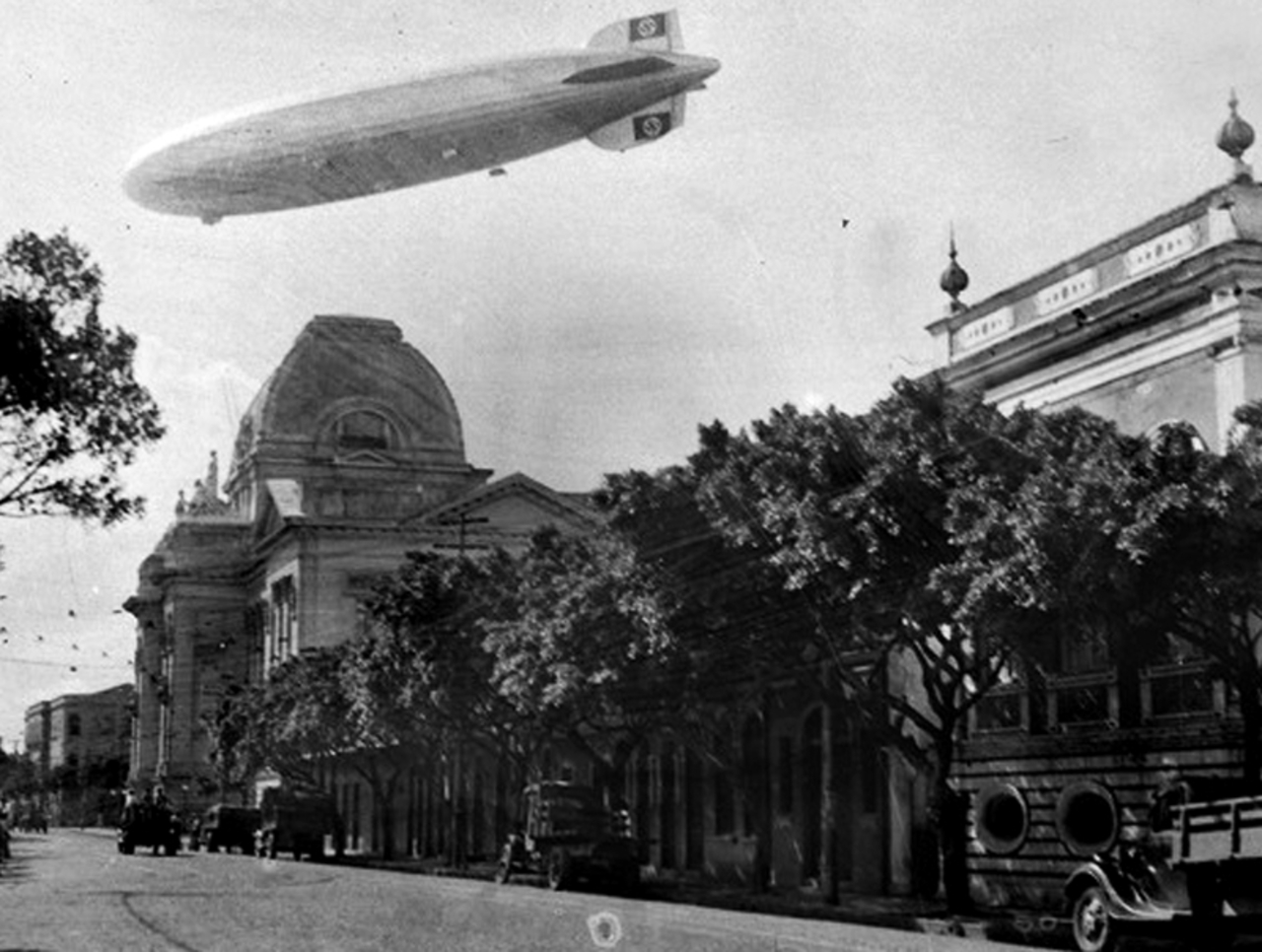
By 1936, that reputation had turned into what looked, on paper, like a genuine commercial success. The Hindenburg carried more than a thousand passengers across the Atlantic that year at fares comparable to an ocean liner's finest cabins, in roughly half the crossing time: around 60 hours compared to five days by ship.
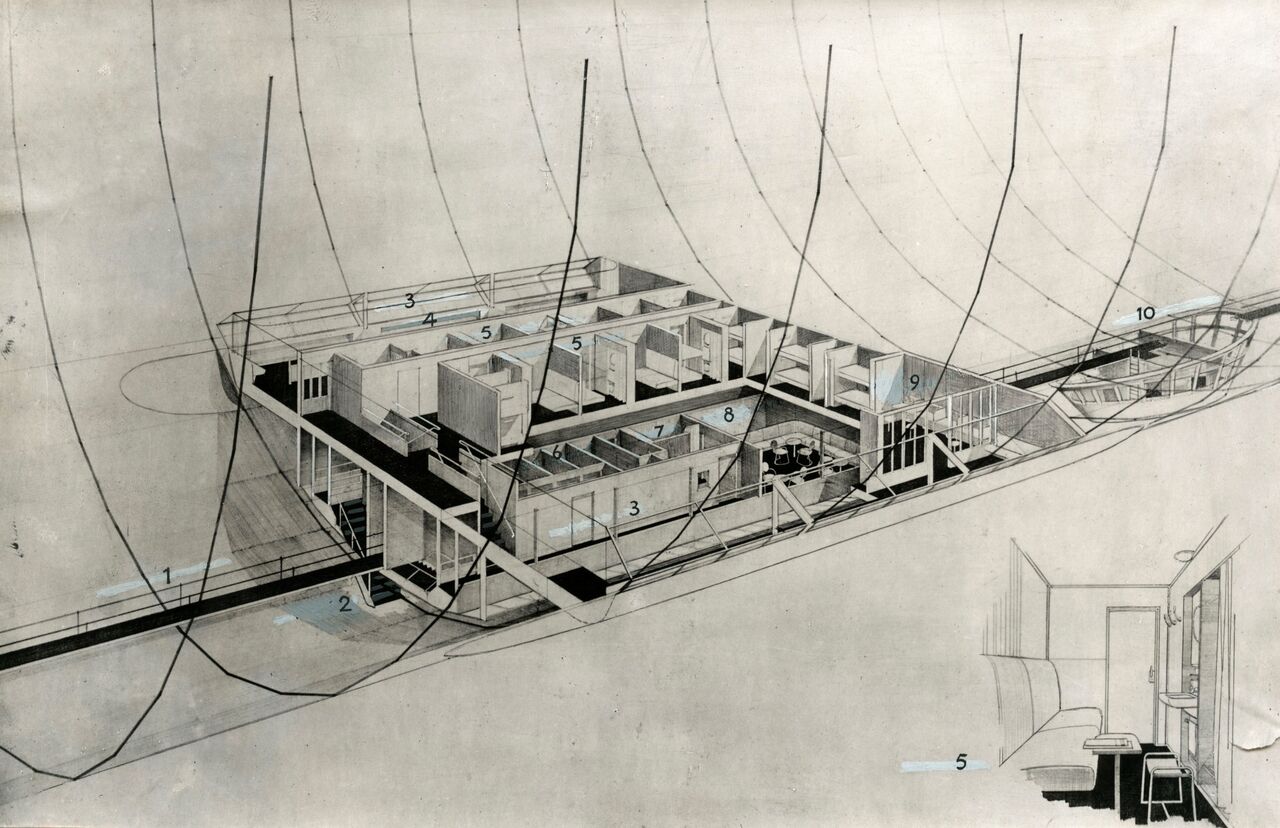
Passengers dined in a room with a baby grand piano, slept in private cabins, and strolled promenade decks with slanted windows overlooking the ocean. It was, briefly, the fastest and most luxurious way to cross the Atlantic. Deutsche Zeppelin-Reederei, the company that operated Hindenburg, was already planning additional aircraft and expanded scheduled service that would have competed directly with the emerging generation of long-range flying boats and long-range land-based aircraft.
However, that expansion required Zeppelin to convert its hard-won reputation for reliability into broader public confidence. A rigid airship placed millions of cubic feet of lifting gas inside a vast, fabric-covered metal framework, and the entire commercial case for it depended on convincing passengers that the technology’s advantages outweighed its unfamiliar risks. One spectacular disaster – captured on film and preserved in Morrison’s emotional recording – was enough to destroy that confidence.
The Hydrogen Compromise
The Hindenburg was initially designed to fly on helium, an inert gas that cannot burn at all, no matter the spark or the heat source. That distinction was central to the safety case for a new generation of passenger airships. Helium would not have made the Hindenburg invulnerable: its fuel, covering, and interior materials could still burn, while severe structural damage could still bring it down. But because helium is inert, it would have removed the danger of the lifting gas itself feeding a rapidly spreading fire. Hydrogen offered no such margin.
Hindenburg used hydrogen because of a compromise shaped by both engineering and geopolitics. The United States controlled almost the entire world's helium supply, and the Helium Act of 1925 restricted its export. Zeppelin's engineers built the Hindenburg's structure to accommodate helium's lower lift capacity if it ever became available, but for its actual operating life, the ship was filled with hydrogen: cheap, abundant, and notoriously combustible. Every design decision, every safety procedure on board, existed to manage a risk that helium would simply have removed.
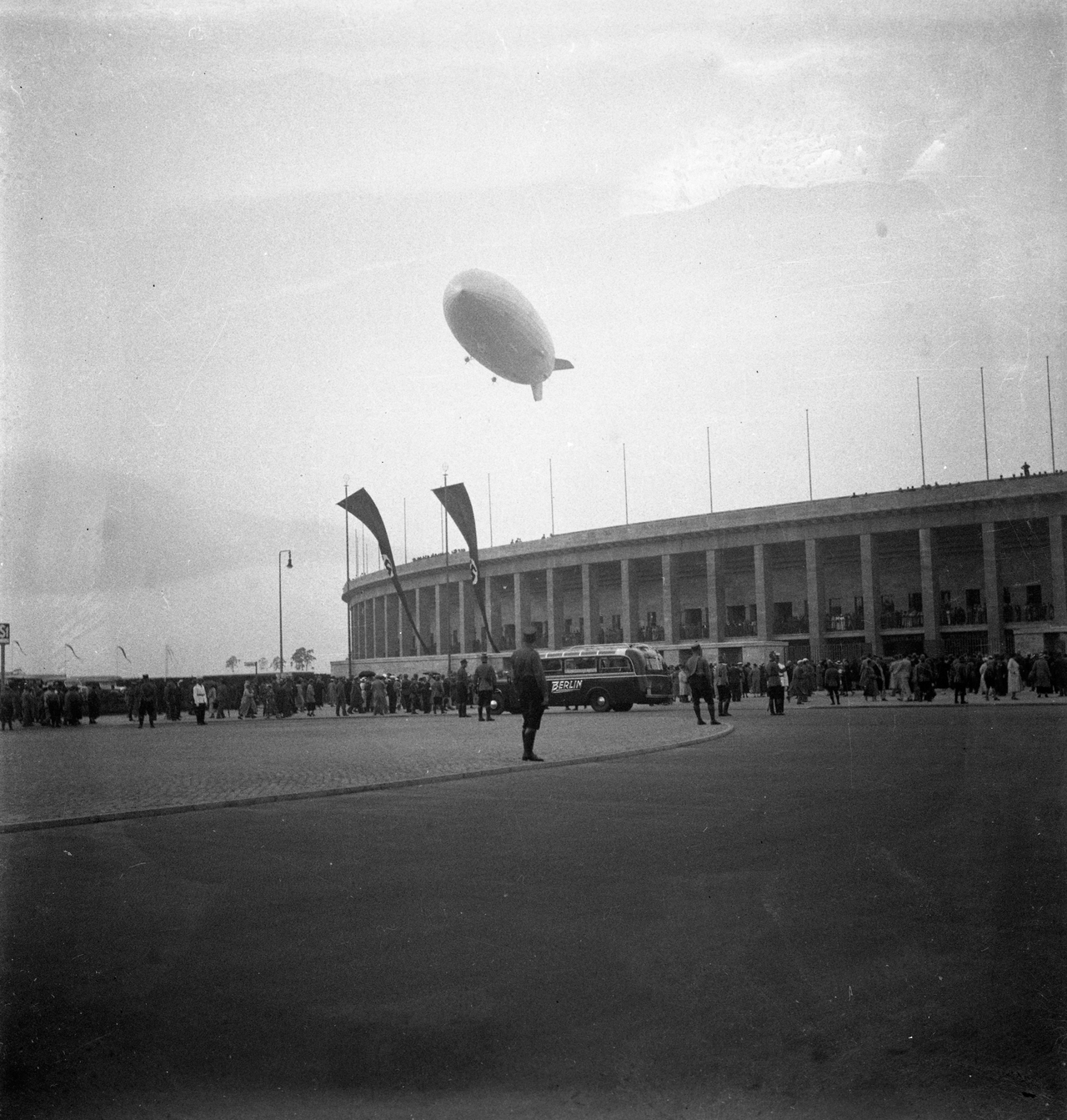
The exact ignition source at Lakehurst is still debated by historians nearly a century later, with theories ranging from static discharge igniting leaking hydrogen to, more speculatively, sabotage. What isn't debated is the outcome: once a hydrogen-filled airship more than two football fields long caught fire before newsreel cameras – while Morrison captured the horror in sound – no engineering explanation could undo the image. To the public, the distinction mattered little. The version they had watched burn was the only version actually carrying passengers.
The Market That Never Recovered
The commercial damage was immediate and total. Within days of the disaster, the famous Graf Zeppelin was permanently grounded. A planned successor, the LZ 130 Graf Zeppelin II, flew only test and propaganda flights before World War II shut the program down entirely, and Nazi Germany scrapped both remaining airships for their aluminum in 1940. No passenger-carrying rigid airship has flown a scheduled commercial route since. Rather than declining gradually, scheduled passenger service aboard rigid airships effectively disappeared.
The disaster was not the industry’s only problem. Rigid airships required enormous hangars, specialized mooring facilities, and large ground crews. They were expensive to build, vulnerable to poor weather, and limited to a small number of prepared terminals. Hindenburg did not destroy an otherwise invincible technology; it erased public confidence in a transportation model whose economics were already becoming difficult to defend.
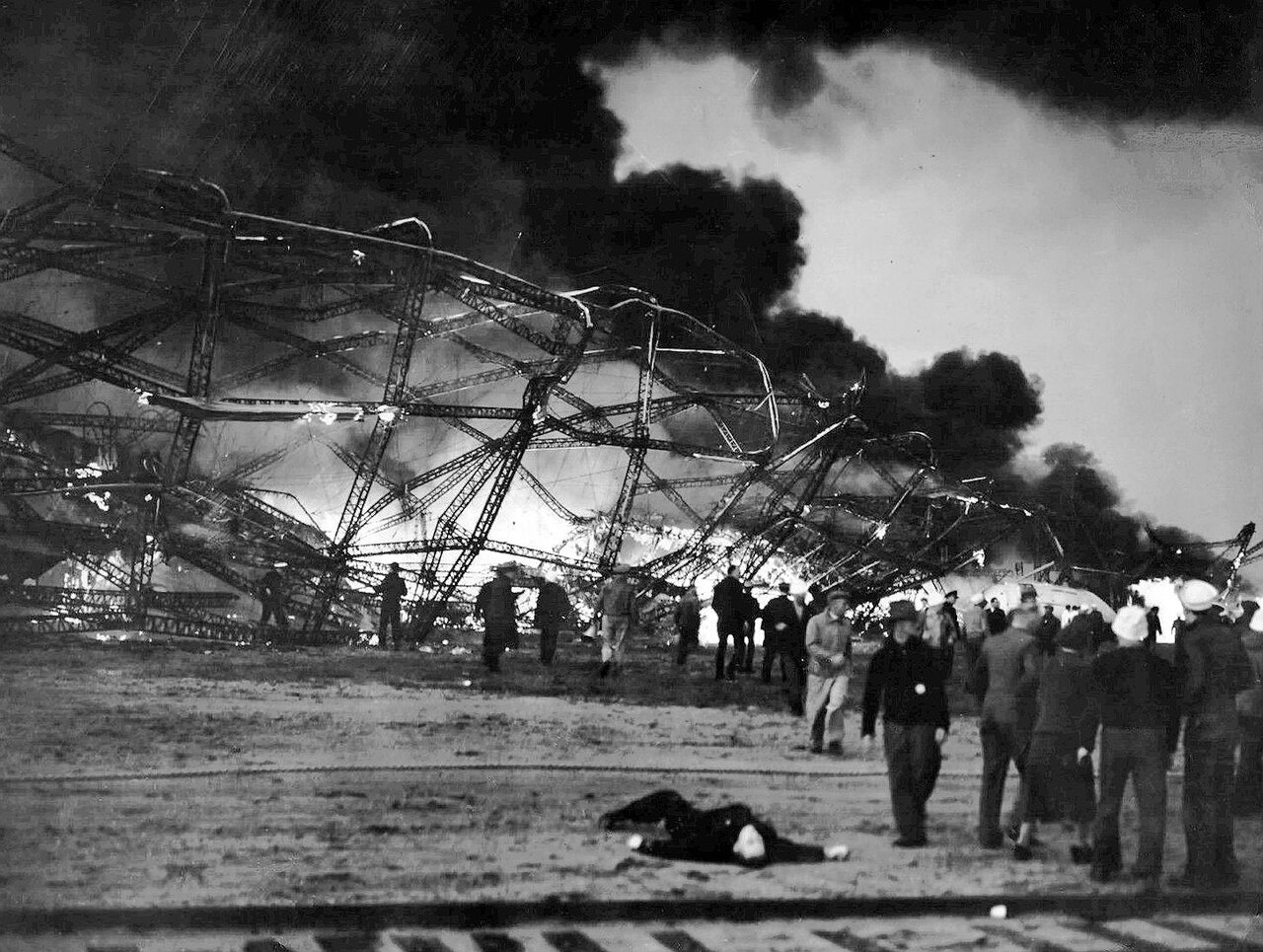
The timing mattered as much as the disaster itself. Airships were competing against an aviation industry that was accelerating fast in the other direction. The same year the Hindenburg burned, Pan American was already flying long-range flying boats across the Pacific, and within two decades, pressurized land-based aircraft would make ocean crossings faster, cheaper, and seemingly safer to the public than any airship had ever been. Had the Hindenburg survived, helium-filled successors might conceivably have found a slower, scenic niche. Even then, their infrastructure demands and the rapid advance of conventional aircraft would have made widespread adoption unlikely.
The Hindenburg's charred frame was cut up for scrap within weeks of the crash. The physics still worked. The economics were becoming less convincing, conventional aircraft were catching up, and after Lakehurst, the market no longer believed the remaining advantages were worth the risk.
This content is only available with an AeroXplorer+ subscription.
Catering to the Aircraft: What Crews Should Consider Before Ordering » Phillips 66 Aviation Donates $23,928 to CAN in Support of Cancer Patient Flights » SAF's Uncomfortable Math: Availability, Price Premiums, Mandates, and Who Actually Pays »

Comments (0)
Add Your Comment
TAGS
INFORMATIONAL Hindenburg Airship Aviation History Nazi Germany Historical StoriesRECENTLY PUBLISHED
 Catering to the Aircraft: What Crews Should Consider Before Ordering
Successful private jet catering starts with clear communication between flight crews and catering providers. SkyDine, a private jet catering company, explains how galley limitations, refrigeration, packaging and service expectations should influence choices, and why establishing clear expectations from the beginning is essential to a smooth onboard experience.
INFORMATIONAL
READ MORE »
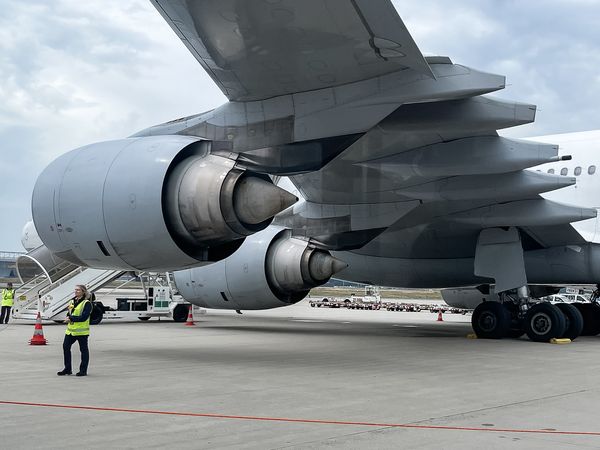 So Long, A340: One Last Flight on Lufthansa’s Airbus A340-600
When the bus doors opened on the Frankfurt apron, two four-engine Airbuses were waiting in the gray morning light. On the left was D-AIFF, the last A340-300 delivered new to Lufthansa. On the right was D-AIHZ, Lufthansa’s final A340-600, and the aircraft that would carry me to New York.
TRIP REPORTS
READ MORE »
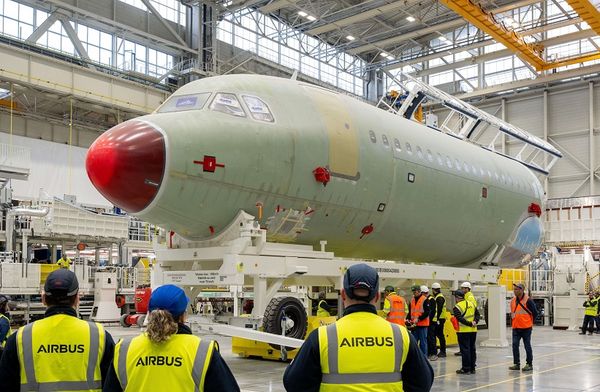 Why Airbus Needs 323 Deliveries in Three Months to Hit Its 2026 Target
Airbus needs 323 aircraft deliveries in the final quarter of 2026 to hit its annual target of 870 jets. With supply chain shortages, A321neo quality issues, and a demanding year-end production schedule, can Airbus meet its delivery target while keeping airlines on track?
INFORMATIONAL
READ MORE »
More than just headlines.
Get unlimited ad-free access to in-depth aviation news, premium stories, and exclusive insights other sites don't cover.
- Ad-free browsing on AeroXplorer
- Unlimited access to premium and exclusive articles
- Higher photo upload limits & commissions on sales
- Free access to Jetstream Magazine on higher tiers
- Ad-free browsing
- Sell aviation photos with 60% commission
- First week free!
- Everything in Basic+
- Unlimited premium articles
- Sell aviation photos with 70% commission
- Free Digital subscription to Jetstream Magazine
- First week free!
- Everything in Basic+ and Pro
- Sell aviaiton photos with 80% commission
- Early access to exclusive stories
- Free Digital+Print subscription to Jetstream Magazine