

A federal grand jury has indicted a passenger who was restrained with duct tape after a violent outburst on an American Airlines flight bound for Newark, according to court documents. The charges carry a potential sentence of up to 20 years in federal prison.
The defendant, identified as Layne Lundeen, faces federal charges stemming from his conduct aboard American Airlines Flight 618, which prompted the flight crew to take extraordinary measures to protect passengers and complete the journey safely.
What Happened on the Flight
According to the indictment, Lundeen became disruptive during the flight, forcing cabin crew to intervene. When verbal attempts to calm him failed, flight attendants resorted to duct tape to secure him to his seat. The incident drew widespread attention after images and accounts of the restraint circulated publicly.
Federal prosecutors allege that Lundeen's behavior endangered both the crew and passengers aboard the aircraft. The flight was traveling to Newark at the time of the outburst.
Interfering with a flight crew is a federal offense under United States law. The statute allows prosecutors to pursue charges against anyone who assaults or intimidates crew members in a manner that interferes with their duties or lessens their ability to perform those duties.
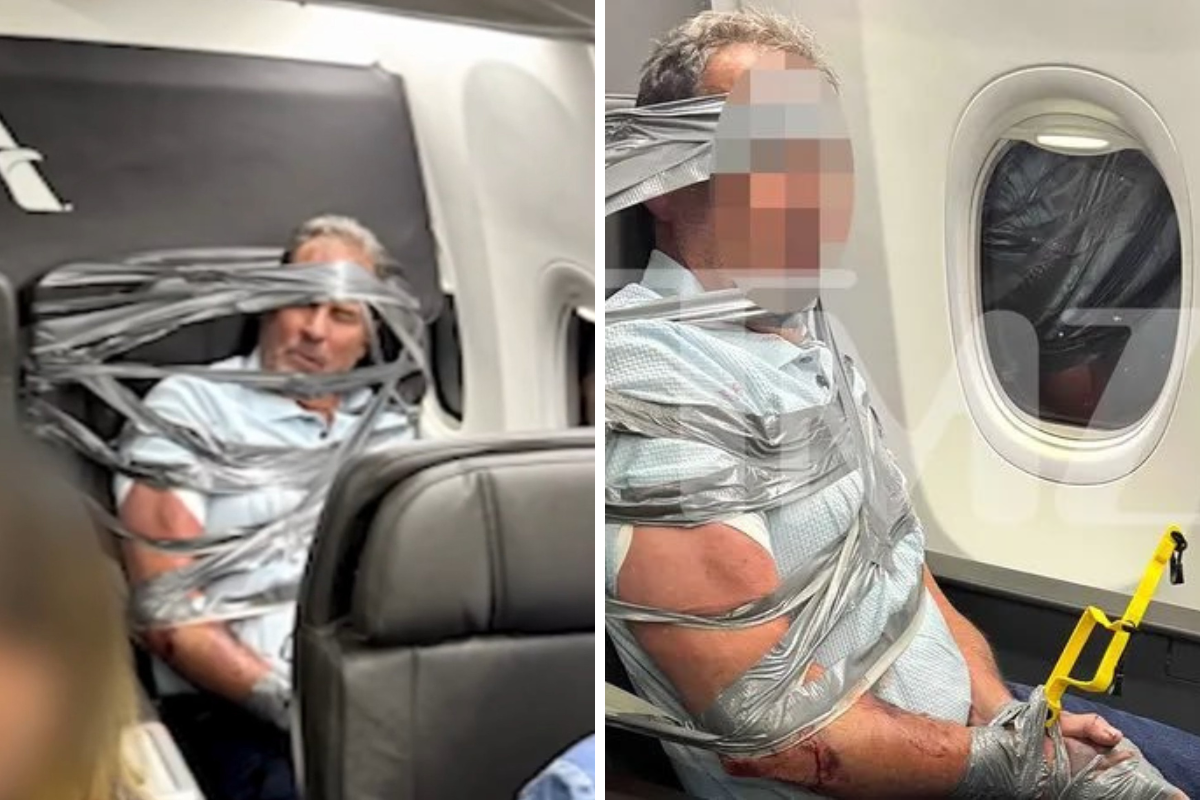
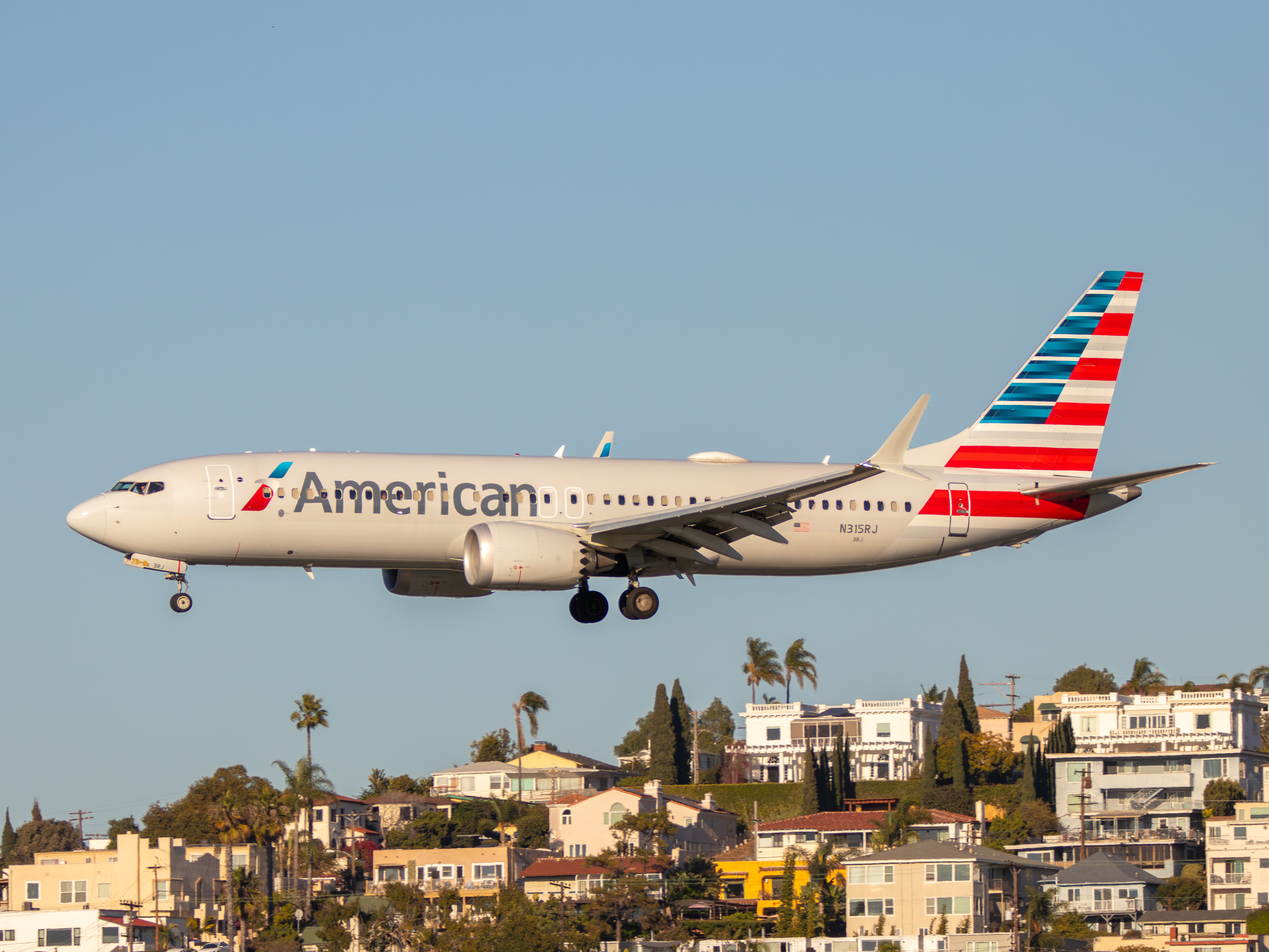
Photo: PYOK
The Federal Charges
The indictment handed down by the federal grand jury formalizes the charges against Lundeen. If convicted, he faces a maximum penalty of 20 years in prison. Federal prosecutors have taken an increasingly firm stance against unruly passengers in recent years, particularly those whose actions require physical restraint by crew members.
The Federal Aviation Administration has repeatedly warned that interference with flight crews will not be tolerated. The agency has pursued civil penalties against hundreds of passengers in recent years, while the Department of Justice has handled the most serious cases through criminal prosecution.
Flight Crew Response
Flight attendants are trained to de-escalate conflicts in the cabin, but they also carry restraint equipment for situations that cannot be resolved through conversation alone. Standard restraint kits typically include plastic flex cuffs, though crews have occasionally improvised with duct tape when circumstances required immediate action.
American Airlines, like other major carriers, has defended the use of restraint when passengers pose a threat to safety. The airline has previously stated that crew members act to protect everyone on board when confronted with violent or dangerous behavior.
Images of passengers taped to their seats have become symbols of the broader problem airlines have faced with disruptive travelers. While rare, such incidents have drawn significant media coverage and prompted calls for stricter penalties.
A Pattern of Unruly Behavior
The aviation industry has grappled with elevated rates of passenger misconduct in recent years. The FAA documented thousands of unruly passenger reports during the pandemic era, with many cases involving refusals to comply with federal mask mandates. Even after those mandates ended, incident rates remained higher than historical norms.
Federal authorities have responded by increasing enforcement actions. The FAA adopted a zero tolerance policy for unruly passengers, eliminating warnings and counseling in favor of immediate civil penalties. The agency has also referred the most serious cases to the FBI for criminal investigation.
Airlines have added their own consequences. Carriers maintain internal no-fly lists for passengers who have engaged in violent or threatening behavior, though these lists are not shared between airlines. Legislative efforts to create a federal no-fly list for unruly passengers have been proposed but not enacted.

Only Way Out: Private Aviation in a Region at War
Industry Reaction
Flight attendant unions have long called for stronger protections and tougher penalties for assaults on crew members. The Association of Flight Attendants has pointed to indictments like this one as necessary deterrents against future misconduct.
Union leaders have argued that cabin crews face unique dangers because they work in an enclosed environment at altitude, where escape from a dangerous situation is impossible. Diverting a flight to remove an unruly passenger is costly and disruptive, often delaying hundreds of travelers and incurring substantial expenses for airlines.
Industry analysts note that while the overall rate of serious incidents remains low compared to the total number of flights, each case can have significant consequences for the crew members involved and the passengers who witness the events.
What Comes Next
Lundeen will now proceed through the federal court system. He will be arraigned on the charges, after which the case will move toward either a plea agreement or trial. Federal prosecutors must prove beyond a reasonable doubt that his conduct met the legal threshold for interference with a flight crew.
Previous cases involving duct-taped passengers have resulted in a mix of outcomes. Some defendants have pleaded guilty and received shorter sentences along with substantial fines. Others have faced lengthy civil penalties from the FAA on top of criminal consequences.
The case serves as a reminder of the legal risks passengers face if their behavior crosses certain lines while in flight. What might otherwise be classified as disorderly conduct on the ground becomes a federal crime once an aircraft door closes.
For now, the focus turns to the court proceedings. The outcome will add to the growing body of cases that federal prosecutors have pursued against passengers whose behavior put crews and fellow travelers at risk.
4th vs 5th Generation Fighter Jets: How Fighter Jets Have Evolved » United 777 Diverts to Dublin After Cockpit Windscreen Cracks Over the Atlantic » This Week in Aviation: The 10 Stories That Mattered Most »

Comments (0)
Add Your Comment
TAGS
NEWS American Airlines Federal Indictment Unruly Passenger Grand Jury In-Flight Incident Passenger Restraint FAA Zero Tolerance Aviation Law Aviation IncidentRECENTLY PUBLISHED
 JetBlue Opens Sales for BlueFirst, Its First Domestic First Class Cabin
JetBlue begins selling seats in its new BlueFirst domestic first class cabin, with service starting in 2026 on select transcontinental routes.
NEWS
READ MORE »
JetBlue Opens Sales for BlueFirst, Its First Domestic First Class Cabin
JetBlue begins selling seats in its new BlueFirst domestic first class cabin, with service starting in 2026 on select transcontinental routes.
NEWS
READ MORE »
 Southwest Overhauls Rapid Rewards and How it Affects You
Southwest Airlines is expanding its Rapid Rewards program with new redemption options, tier benefits, and status perks. Here's what it means for you.
NEWS
READ MORE »
Southwest Overhauls Rapid Rewards and How it Affects You
Southwest Airlines is expanding its Rapid Rewards program with new redemption options, tier benefits, and status perks. Here's what it means for you.
NEWS
READ MORE »
 Qantas Grounds Plane After Passengers Report Bedbug Bites on Flight
Qantas pulled an aircraft from service after passengers reported bedbug bites during flight QF5.
NEWS
READ MORE »
Qantas Grounds Plane After Passengers Report Bedbug Bites on Flight
Qantas pulled an aircraft from service after passengers reported bedbug bites during flight QF5.
NEWS
READ MORE »
More than just headlines.
Get unlimited ad-free access to in-depth aviation news, premium stories, and exclusive insights other sites don't cover.
- Ad-free browsing on AeroXplorer
- Unlimited access to premium and exclusive articles
- Higher photo upload limits & commissions on sales
- Free access to Jetstream Magazine on higher tiers
- Ad-free browsing
- Sell aviation photos with 60% commission
- First week free!
- Everything in Basic+
- Unlimited premium articles
- Sell aviation photos with 70% commission
- Free Digital subscription to Jetstream Magazine
- First week free!
- Everything in Basic+ and Pro
- Sell aviaiton photos with 80% commission
- Early access to exclusive stories
- Free Digital+Print subscription to Jetstream Magazine