
On October 2, 2024, Miyazaki Airport in southwest Japan experienced an emergency closure after a bomb, likely dating back to World War II, exploded near a runway, forcing the cancellation of 87 flights. The bomb, believed to be American and from a wartime air raid, left a significant crater in the airport’s taxiway.

Incident Overview
The explosion occurred on Wednesday morning OCT 2, leaving a seven-meter-wide (23 feet) and one-meter-deep (3.2 feet) crater on the taxiway adjacent to the airport’s primary runway. Fortunately, no injuries were reported. However, live footage from local broadcaster MRT revealed that an aircraft had been taxiing nearby just two minutes before the explosion, emphasizing the narrow avoidance of a potential disaster.
Flight Disruptions
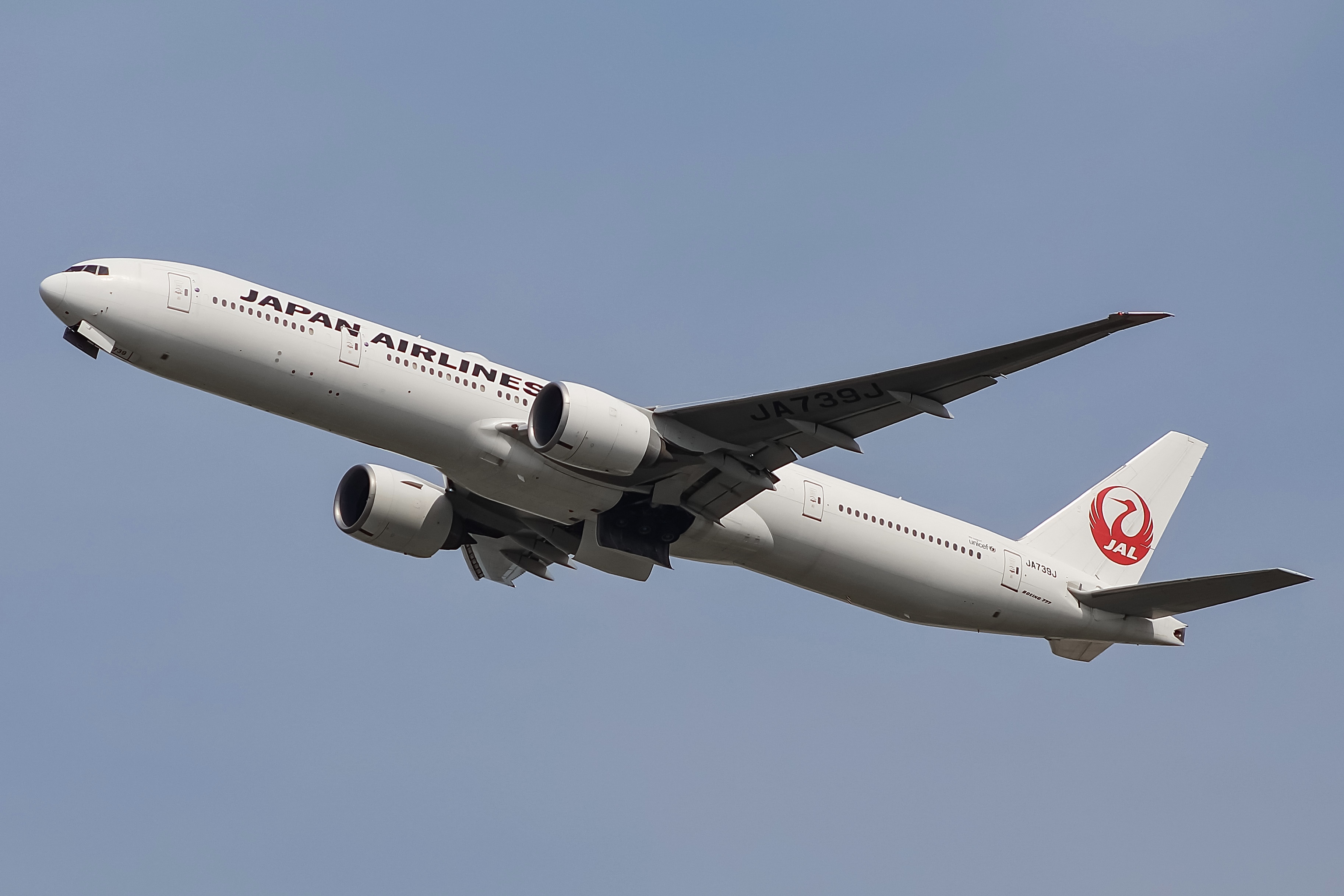
87 flights were grounded as a result of the incident. These cancellations affected major domestic routes operated by Japan Airlines (JAL) and All Nippon Airways (ANA), connecting cities such as Tokyo, Osaka, and Fukuoka to Miyazaki. Officials reassured the public that no additional unexploded bombs posed an immediate threat, and repairs to the damaged taxiway were projected to be completed by Thursday morning.

Historical Context of Miyazaki Airport
Miyazaki Airport, located on the southeastern coast of Kyushu Island, has deep historical ties to Japan’s wartime past. It once served as a Japanese navy base, from which numerous young "kamikaze" pilots embarked on their final missions during the final stages of World War II. The bomb, suspected to have been dropped during an air raid to target these suicide attacks, remained buried beneath the surface for decades until Wednesday’s detonation.
This incident is not isolated. Japan continues to face the legacy of unexploded ordinance left over from World War II. According to Japan’s Self-Defense Forces, over 2,300 bombs, weighing a total of 37.5 tons, were disposed of during the 2023 fiscal year alone. Miyazaki Airport has also been the site of multiple discoveries of unexploded bombs in the past.

Immediate Response
Following the explosion, a bomb disposal unit from Japan’s Ground Self-Defense Force confirmed that the artillery was a U.S. bomb from WWII. Emergency services quickly responded to assess the area and begin repairs. Fortunately, the government assured citizens and travelers that the risk of further explosions was minimal.
Japan’s Chief Cabinet Secretary Yoshimasa Hayashi provided updates, stating that work to repair the taxiway would be completed by the following day, allowing operations at the airport to resume quickly.
Conclusion
Though World War II ended more than 79 years ago, Japan continues to manage the remnants of the intense airstrikes it endured, as highlighted by the Miyazaki Airport explosion. While no casualties occurred in this incident, the discovery of unexploded ordnance remains a sobering reminder of the long-lasting impacts of war.
With the airport set to reopen and safety assured, the focus now shifts to continued efforts to locate and safely dispose of WW2 bombs that still lie hidden beneath Japan's land.
Southwest Airlines Becomes First US Carrier to Integrate Flight Booking Into ChatGPT » Aviation Fuel Prices Hit Six-Month High in September » Frontier Airlines Flight Attendant Restrains Passenger Who Lunged for Cabin Door During Atlanta Jet Bridge Delay »

Comments (1)
 Masao Suzuki
I have learned that there are no historical records for the safety airport measures taken when the JCAB reopened the Miyazaki Airport to determine the safety, which made many Japanese travelers question : how can the JCAB checks and validates the safety while the airports have no checked the safety and travelers continue to worry? There are other airports where there do have any records of all bombs have completed disposed, such as Kagoshima Airport, Sendai Airport, and Naha Okinawa Airport, and more, without managing the remnants, and what the JCAB can map these potentially dangerous airports for the final safety validations they should inform the travelers that they are now doing what needs to be done first. For travelers, "no validation means no security guaranteed. The retired SDF official told us, "It could take another 100 years to complete." For your information, Haneda Airport has not recovered any such bombs because the USAF needs immediate access to operate the airport without any problems.
Masao Suzuki
I have learned that there are no historical records for the safety airport measures taken when the JCAB reopened the Miyazaki Airport to determine the safety, which made many Japanese travelers question : how can the JCAB checks and validates the safety while the airports have no checked the safety and travelers continue to worry? There are other airports where there do have any records of all bombs have completed disposed, such as Kagoshima Airport, Sendai Airport, and Naha Okinawa Airport, and more, without managing the remnants, and what the JCAB can map these potentially dangerous airports for the final safety validations they should inform the travelers that they are now doing what needs to be done first. For travelers, "no validation means no security guaranteed. The retired SDF official told us, "It could take another 100 years to complete." For your information, Haneda Airport has not recovered any such bombs because the USAF needs immediate access to operate the airport without any problems.
Add Your Comment
TAGS
NEWS JapanANAJapan AirlinesMiyazaki Airportww2bombRECENTLY PUBLISHED
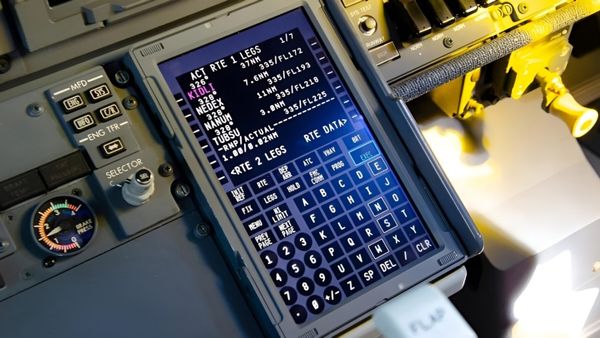 Boeing's Touchscreen Flight Controls for 737 Draw Sharp Criticism from Pilots
Boeing's plan to introduce Touchscreen Control Display Units on the 737 has sparked backlash from pilots who warn of safety and usability concerns.
NEWS
READ MORE »
Boeing's Touchscreen Flight Controls for 737 Draw Sharp Criticism from Pilots
Boeing's plan to introduce Touchscreen Control Display Units on the 737 has sparked backlash from pilots who warn of safety and usability concerns.
NEWS
READ MORE »
 Southwest Airlines Blames Brief System Outage for Boarding Delays and Checked Bag Disruptions
Southwest Airlines confirms a brief technology outage disrupted boarding and checked bag operations, forcing gate agents to process travelers manually.
NEWS
READ MORE »
Southwest Airlines Blames Brief System Outage for Boarding Delays and Checked Bag Disruptions
Southwest Airlines confirms a brief technology outage disrupted boarding and checked bag operations, forcing gate agents to process travelers manually.
NEWS
READ MORE »
 Southwest Airlines Considers Boeing 787 Order for Long-Haul International Expansion
Southwest Airlines is evaluating the Boeing 787 Dreamliner as it explores a shift into long-haul international flying, sources tell Reuters.
NEWS
READ MORE »
Southwest Airlines Considers Boeing 787 Order for Long-Haul International Expansion
Southwest Airlines is evaluating the Boeing 787 Dreamliner as it explores a shift into long-haul international flying, sources tell Reuters.
NEWS
READ MORE »
More than just headlines.
Get unlimited ad-free access to in-depth aviation news, premium stories, and exclusive insights other sites don't cover.
- Ad-free browsing on AeroXplorer
- Unlimited access to premium and exclusive articles
- Higher photo upload limits & commissions on sales
- Free access to Jetstream Magazine on higher tiers
- Ad-free browsing
- Sell aviation photos with 60% commission
- First week free!
- Everything in Basic+
- Unlimited premium articles
- Sell aviation photos with 70% commission
- Free Digital subscription to Jetstream Magazine
- First week free!
- Everything in Basic+ and Pro
- Sell aviaiton photos with 80% commission
- Early access to exclusive stories
- Free Digital+Print subscription to Jetstream Magazine