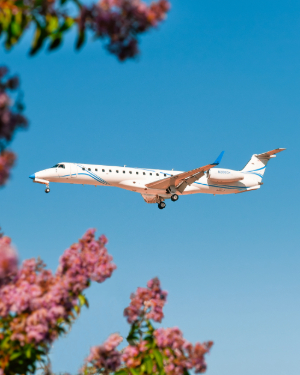
You've probably noticed it while booking a flight. The same route, same airline even, shows a different flight time depending on which way you're flying, or which day you check. It's not a booking error. Several real factors control how long a flight actually takes, and most travelers never learn what they are.
Jet Streams Are the Biggest Factor in Flight Duration
The single biggest reason two flights on the same route take different amounts of time comes down to wind, specifically the jet stream. A flight from London to New York typically takes just over eight hours, while the return trip from New York to London takes around seven. That's not a rounding error. It's a consistent, well-documented pattern that shows up on long routes worldwide.
The same effect appears on a flight from Amsterdam to Singapore, which takes nearly 13 hours heading east but almost 15 hours heading west, and on a Dubai to São Paulo route, and even in the Southern Hemisphere between Johannesburg and Sydney. The pattern holds everywhere the jet stream blows.
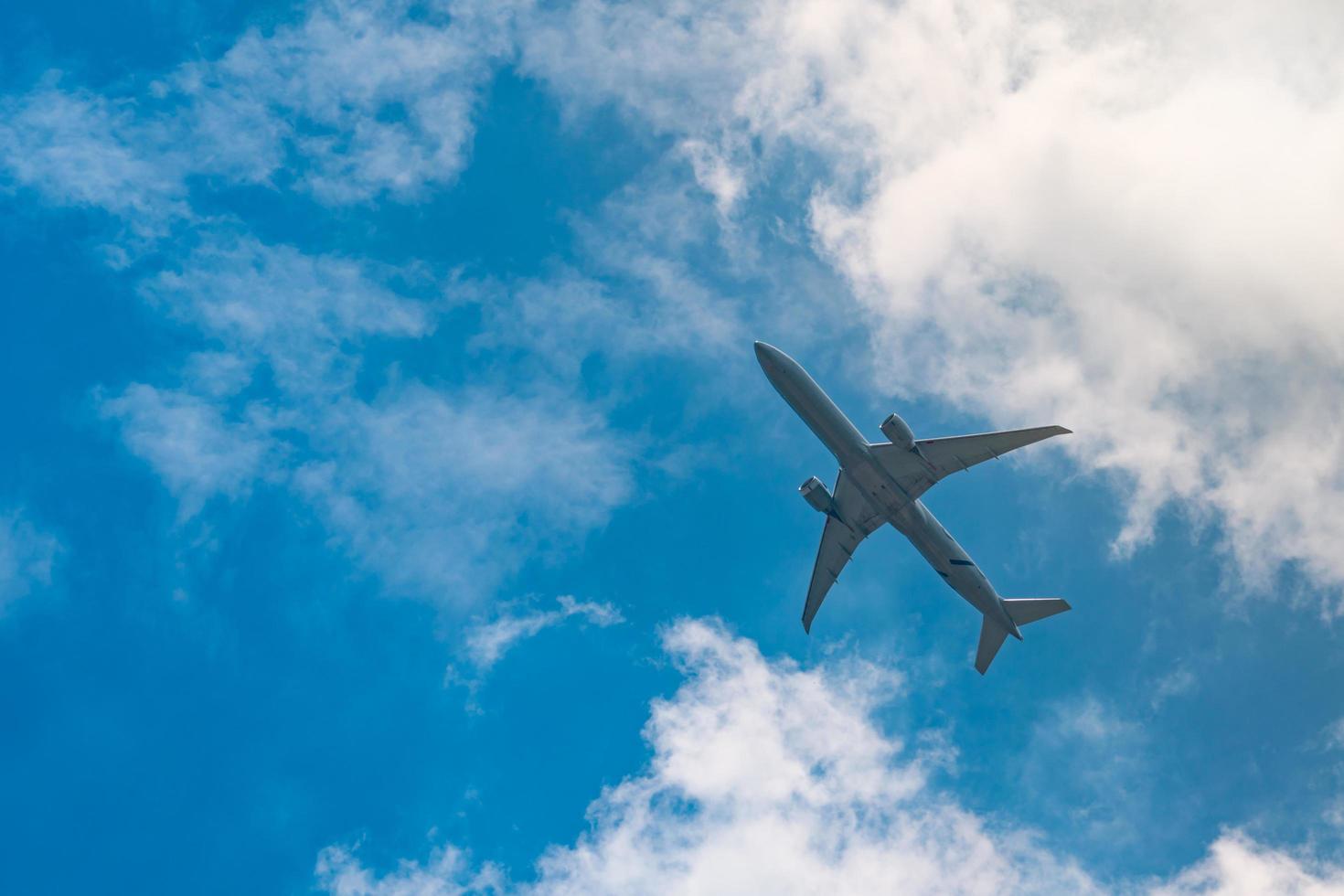
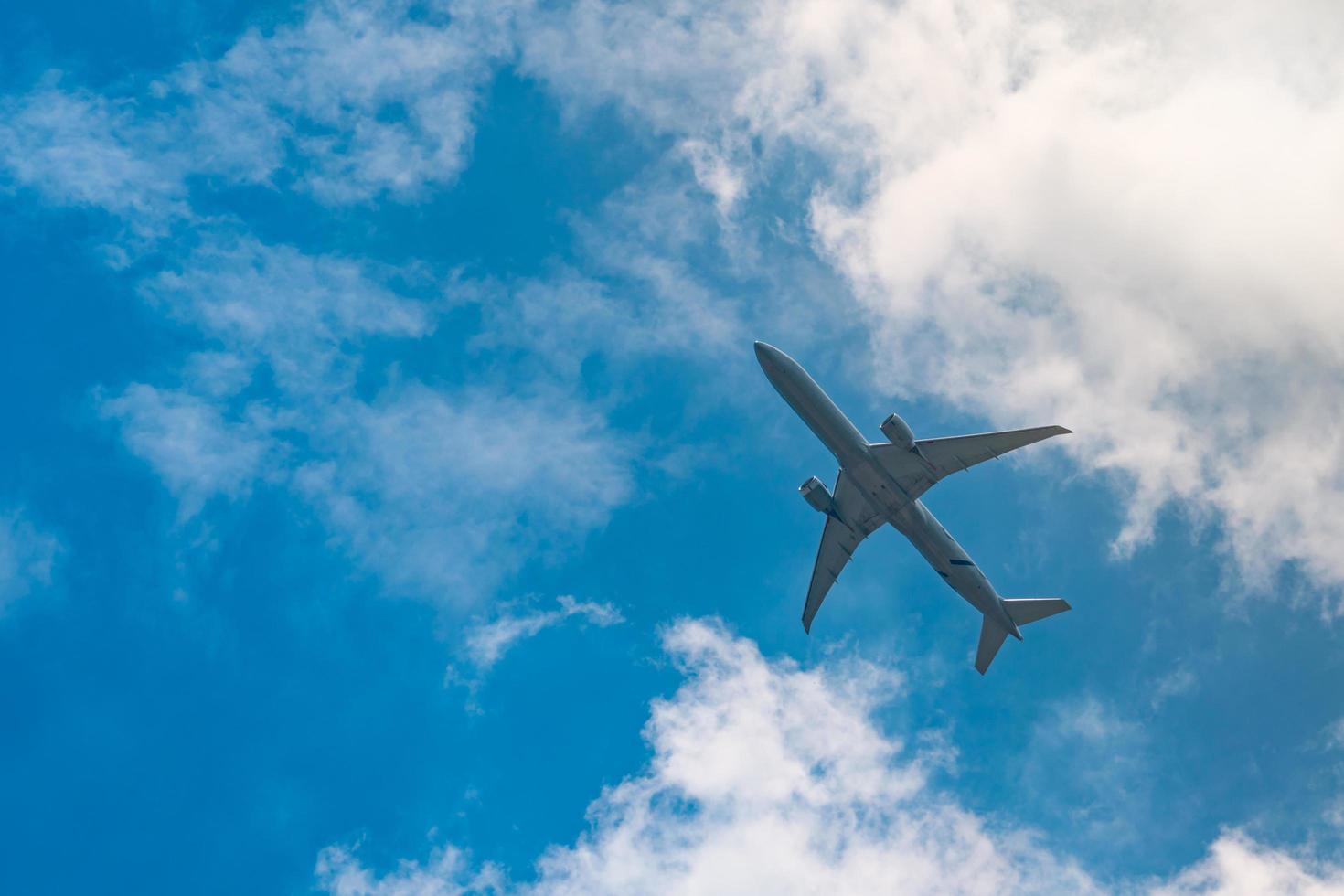
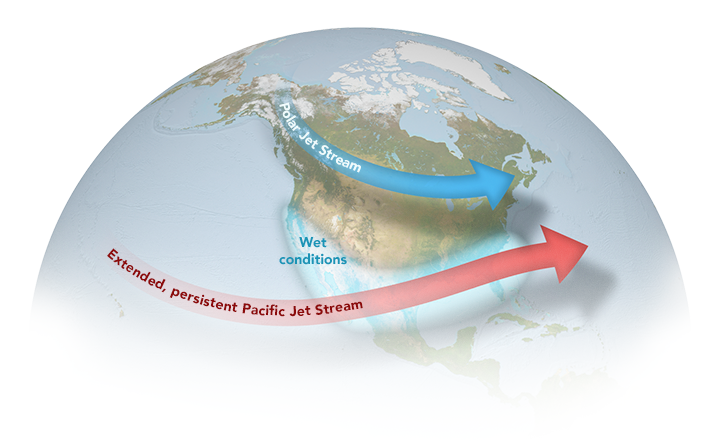
Here's why. The jet stream is a high-altitude wind current that blows from west to east across the planet, and aircraft cruising around 30,000 feet either ride that current or fight against it. Flying with the jet stream can add hundreds of miles per hour to a plane's ground speed. Flying against it does the opposite.
The effect can get dramatic. In February 2020, a British Airways Boeing 747 flying eastbound from New York to London hit ground speeds of over 800 miles per hour when an intense storm supercharged the jet stream, landing 80 minutes ahead of schedule. Flights heading the opposite direction that same week almost certainly ran long, fighting the same winds that gave that eastbound flight its speed boost.
Why Flight Paths Aren't Always the Shortest Line on a Map
A lot of travelers assume the fastest route between two cities is a straight line. In the air, that's rarely true, and it's not because pilots are taking a scenic detour.
Flight planning weighs time and fuel efficiency, not just raw distance, meaning a route that looks longer on a map can actually be the faster, more efficient option once wind conditions are factored in. A straight-line path straight into a strong headwind can burn more fuel and take longer than a longer-looking path that catches a tailwind instead.
Weather plays a role too. Thunderstorms, turbulence, volcanic ash, and icing conditions can all force a flight path to shift, and crews typically leave wide margins around hazardous weather rather than cutting it close, even if that means adding distance to the route.
How Air Traffic Control and Restricted Airspace Add Time
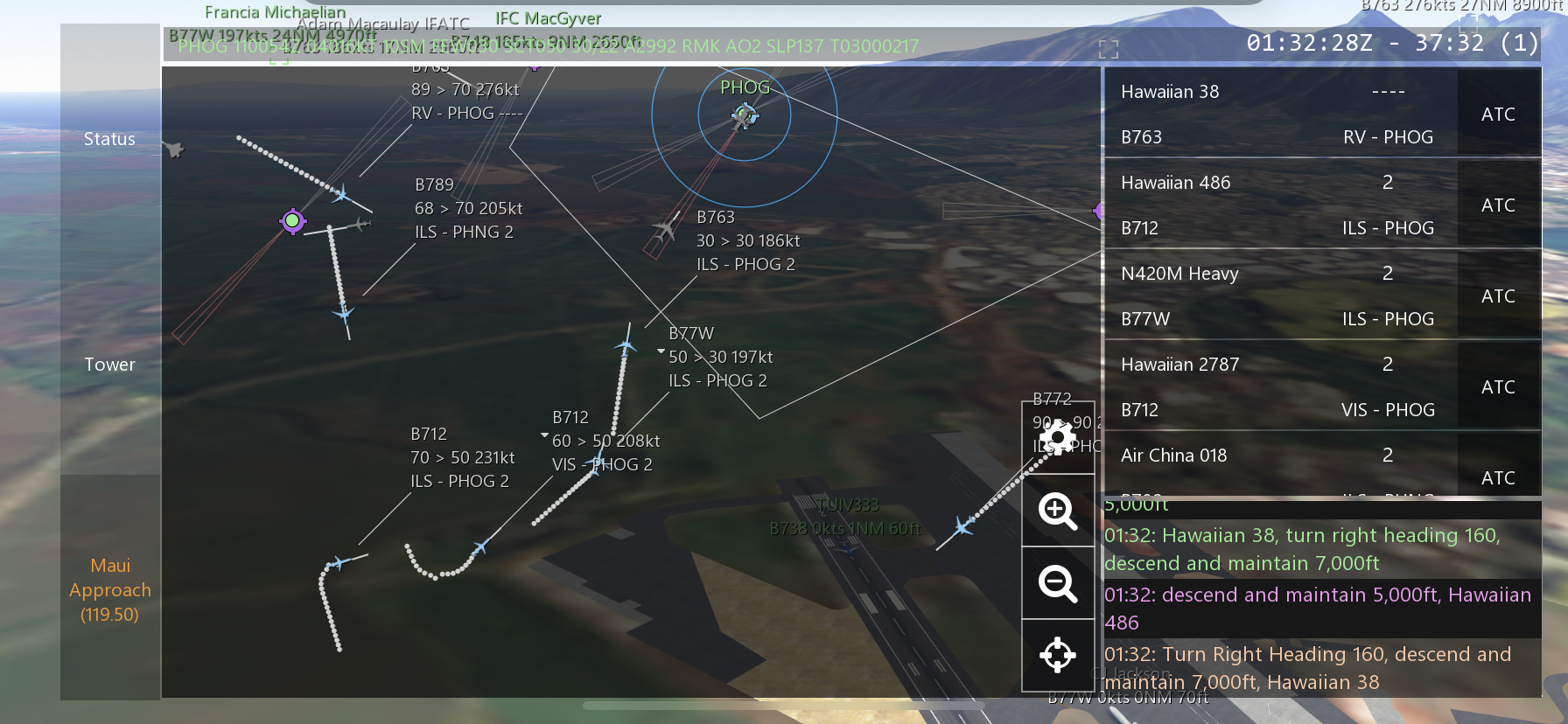
Even on a clear day with favorable winds, a flight can run long simply because of what's happening in the sky around it. Air traffic controllers can assign a different heading, altitude, or route to keep aircraft safely separated, manage congestion, or feed arriving flights into an orderly sequence at a busy airport. A single rerouted flight helps keep the entire airspace moving predictably, even if it adds a few extra minutes to that one flight's total time.
Airspace itself isn't always available in the first place. Military activity, national boundaries, and temporary restrictions can all close off sections of sky that would otherwise offer a shorter path, forcing flights around them.
Why the Same Flight Shows Different Times on Different Days
Airlines also build in scheduling buffers that have nothing to do with weather or wind on any given day. Flight planning accounts for suitable diversion airports, fuel reserves, and aircraft performance limits, and those planning margins can shift a route or its timing from one season to the next, even when the destination and airline stay exactly the same.
That's part of why checking the same route months apart can turn up a different scheduled flight time, even before wind or weather enters the picture on the actual day of travel.

How AI Quietly Became the Backbone of Today’s Aviation Industry
The Bottom Line on Why Flight Times Vary
Flight duration was never just a function of distance. Jet streams can add or subtract close to an hour on a transatlantic crossing depending on direction. Weather and restricted airspace can reroute a flight around the most direct path. Air traffic control can add or remove minutes to keep the sky moving safely. Put together, two flights on the same route, sometimes even the same flight number a week apart, can land at noticeably different times, and now you know why.
United Airlines Boeing 777 Diverts to Bangor After Intoxicated Passenger Bites Flight Attendant » Delta Boeing 737 Plunges to 9,000 Feet Over Nevada After Cabin Pressure Failure » Why Don’t Airplane Wings Break During Turbulence? »

Comments (0)
Add Your Comment
TAGS
INFORMATIONAL flight duration why flights take longer jet streams flight times aviation flight planning great circle routes air traffic control airline operations seasonal winds flight paths aviation explained travel tipsRECENTLY PUBLISHED
 How Ryanair and Alaska Airlines Are Using AI to Make Real Decisions, Not Just Predictions
Airlines are moving beyond AI predictions and letting artificial intelligence make real operational decisions. Explore how Ryanair, Alaska Airlines and Cathay Pacific are using AI for crew scheduling, overbooking and contrail avoidance and what this means for the future of airline operations.
INFORMATIONAL
READ MORE »
How Ryanair and Alaska Airlines Are Using AI to Make Real Decisions, Not Just Predictions
Airlines are moving beyond AI predictions and letting artificial intelligence make real operational decisions. Explore how Ryanair, Alaska Airlines and Cathay Pacific are using AI for crew scheduling, overbooking and contrail avoidance and what this means for the future of airline operations.
INFORMATIONAL
READ MORE »
 This Week in Aviation: The 10 Stories That Mattered Most
From major airline developments to aircraft updates and industry shifts, this weekly recap highlights the ten most-read aviation stories from the week of September 06.
INFORMATIONAL
READ MORE »
This Week in Aviation: The 10 Stories That Mattered Most
From major airline developments to aircraft updates and industry shifts, this weekly recap highlights the ten most-read aviation stories from the week of September 06.
INFORMATIONAL
READ MORE »
 Concorde's Droop-Nose Mechanism: Why It Existed and How It Worked
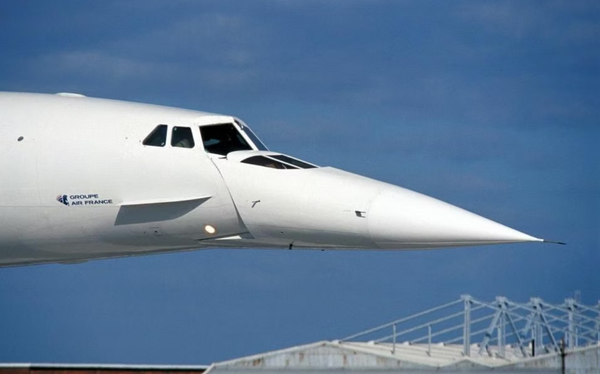
Concorde's iconic droop-nose mechanism explained.
INFORMATIONAL
READ MORE »
Concorde's Droop-Nose Mechanism: Why It Existed and How It Worked
Concorde's iconic droop-nose mechanism explained.
INFORMATIONAL
READ MORE »
More than just headlines.
Get unlimited ad-free access to in-depth aviation news, premium stories, and exclusive insights other sites don't cover.
- Ad-free browsing on AeroXplorer
- Unlimited access to premium and exclusive articles
- Higher photo upload limits & commissions on sales
- Free access to Jetstream Magazine on higher tiers
- Ad-free browsing
- Sell aviation photos with 60% commission
- First week free!
- Everything in Basic+
- Unlimited premium articles
- Sell aviation photos with 70% commission
- Free Digital subscription to Jetstream Magazine
- First week free!
- Everything in Basic+ and Pro
- Sell aviaiton photos with 80% commission
- Early access to exclusive stories
- Free Digital+Print subscription to Jetstream Magazine