
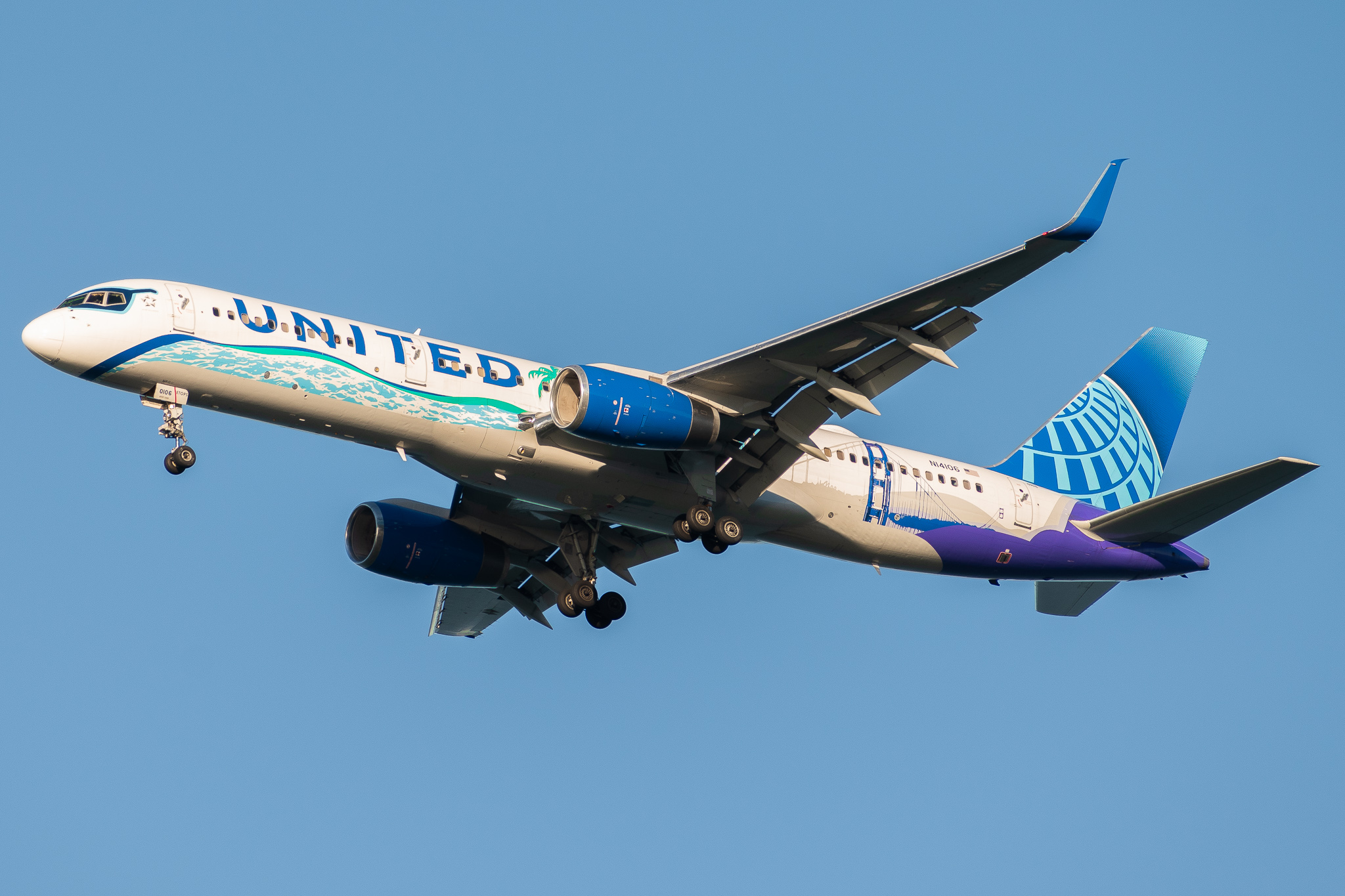

As the aviation industry advances in technology, many airlines have made it a priority to reduce their environmental footprint. One way they are doing so is by introducing Sustainable Aviation Fuel into their operations.
A Sustainable Aviation Fuel (SAF) is a biofuel that works the same as jet fuel, but with a much lesser environmental impact. Resources include corn grain, oilseeds, algae, and certain crops grown especially to produce SAF. As the newfound aviation fuel's resources are mainly produced using agricultural methods, the transition from conventional jet fuel will provide farmers with another potential market to sell their crops, positively affecting the economy as well.
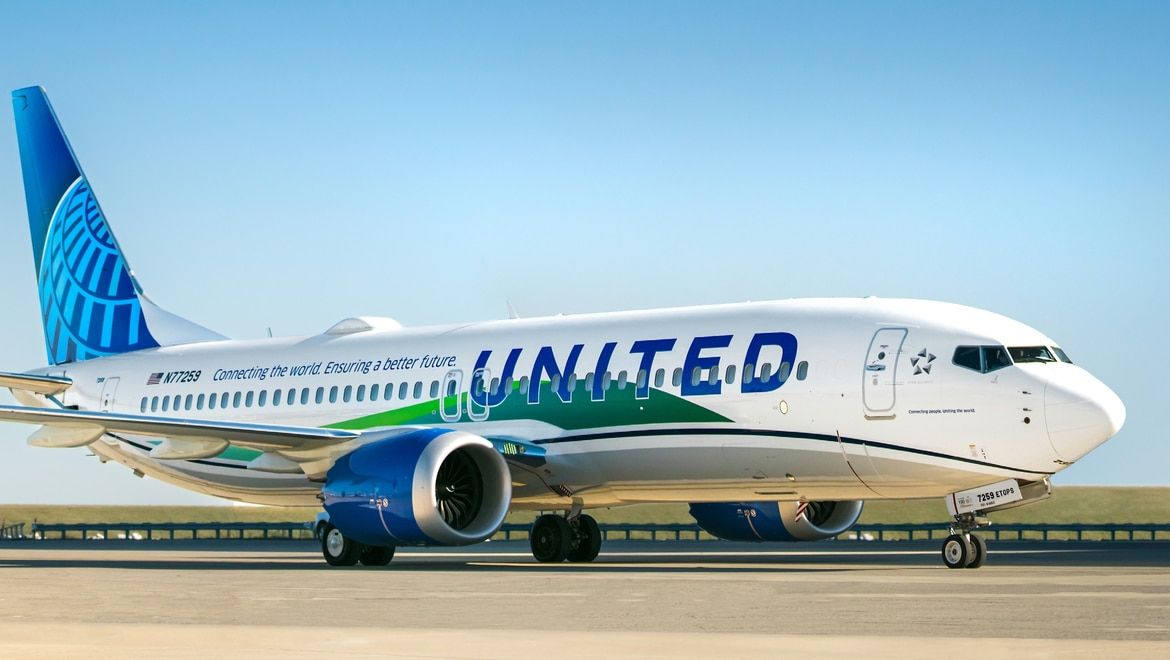
Due to the lesser aromatic components of the fuel, Sustainable Aviation Fuel is also designed to ignite better in aircraft jet engines. This not only reduces the environmental impact of SAFs, but also improves performance and efficiency in aircraft that use it.
Recently, United Airlines operated its first flight with 100% Sustainable Aviation Fuel. The flight was operated between Chicago O'Hare Airport and Washington Reagan Airport utilizing a Boeing 737 MAX 8. The MAX is already marketed for its increased fuel efficiency and versatility in the sky, but equipping the plane with SAF added to its environmental appeal. The flight was completed successfully, and United is now looking at more ways to integrate SAF into its daily operation.
United Express Flight Returns to Houston After Cockpit Windshield Shatters Mid-Flight » Why Statistics Matters for Future Aviation Professionals » Are Ultra-Long-Haul Routes Actually Profitable, or Just Good PR? »

Comments (0)
Add Your Comment
TAGS
INFORMATIONAL Sustainable Aviation FuelSAFEnvironmentEnvironmental ImpactRECENTLY PUBLISHED
 IATA's New Passenger Data Shows Global Air Travel Demand Shrinking for the First Time This Year
Global air travel just hit a reverse that has not been seen in months -- the numbers point to something more interesting than a simple slowdown.
INFORMATIONAL
READ MORE »
IATA's New Passenger Data Shows Global Air Travel Demand Shrinking for the First Time This Year
Global air travel just hit a reverse that has not been seen in months -- the numbers point to something more interesting than a simple slowdown.
INFORMATIONAL
READ MORE »
 The $30 Billion Question: Why America's Air Traffic Control Overhaul Keeps Getting More Expensive
The U.S. government is seeking $30 billion more to modernize America’s aging air traffic control system. Explore the rising $42.5 billion price tag, GAO oversight concerns, and where the new funding would go.
INFORMATIONAL
READ MORE »
The $30 Billion Question: Why America's Air Traffic Control Overhaul Keeps Getting More Expensive
The U.S. government is seeking $30 billion more to modernize America’s aging air traffic control system. Explore the rising $42.5 billion price tag, GAO oversight concerns, and where the new funding would go.
INFORMATIONAL
READ MORE »
 Embraer Posts Record 66 Aircraft Deliveries in Q3 2026 as Commercial Jets Climb 10%
Embraer delivered 66 aircraft in Q3 2026, its strongest third quarter on record, with commercial jets up 10% and business jets rising 41%.
NEWS
READ MORE »
Embraer Posts Record 66 Aircraft Deliveries in Q3 2026 as Commercial Jets Climb 10%
Embraer delivered 66 aircraft in Q3 2026, its strongest third quarter on record, with commercial jets up 10% and business jets rising 41%.
NEWS
READ MORE »
More than just headlines.
Get unlimited ad-free access to in-depth aviation news, premium stories, and exclusive insights other sites don't cover.
- Ad-free browsing on AeroXplorer
- Unlimited access to premium and exclusive articles
- Higher photo upload limits & commissions on sales
- Free access to Jetstream Magazine on higher tiers
- Ad-free browsing
- Sell aviation photos with 60% commission
- First week free!
- Everything in Basic+
- Unlimited premium articles
- Sell aviation photos with 70% commission
- Free Digital subscription to Jetstream Magazine
- First week free!
- Everything in Basic+ and Pro
- Sell aviaiton photos with 80% commission
- Early access to exclusive stories
- Free Digital+Print subscription to Jetstream Magazine