


Global air travel just hit a reverse not seen in months, and the numbers point to something more interesting than a simple slowdown. IATA's August 2026 air passenger market analysis shows worldwide demand fell 0.8% year-on-year, the first contraction of the year, while the rest of the industry outside the Middle East actually grew. That split tells the real story behind this month's air travel statistics.

The Headline Number Hides a Deeper Split in the Market
Global demand, measured in revenue passenger kilometers, fell 0.8% compared to August 2025, even as airlines added 0.3% more capacity into the market, pushing the global passenger load factor down to 85.1%. On its own, that reads like an industry cooling off. But strip out one region, and the picture flips completely.
Excluding Middle East carriers, global air travel demand actually grew 0.6% year-on-year in August, though that pace was only half of what the industry saw in July. In other words, nearly the entire headline decline in global air passenger demand traces back to a single region's carriers, not a broad industry pullback.
Why Middle East Airlines Are Driving the Global Decline
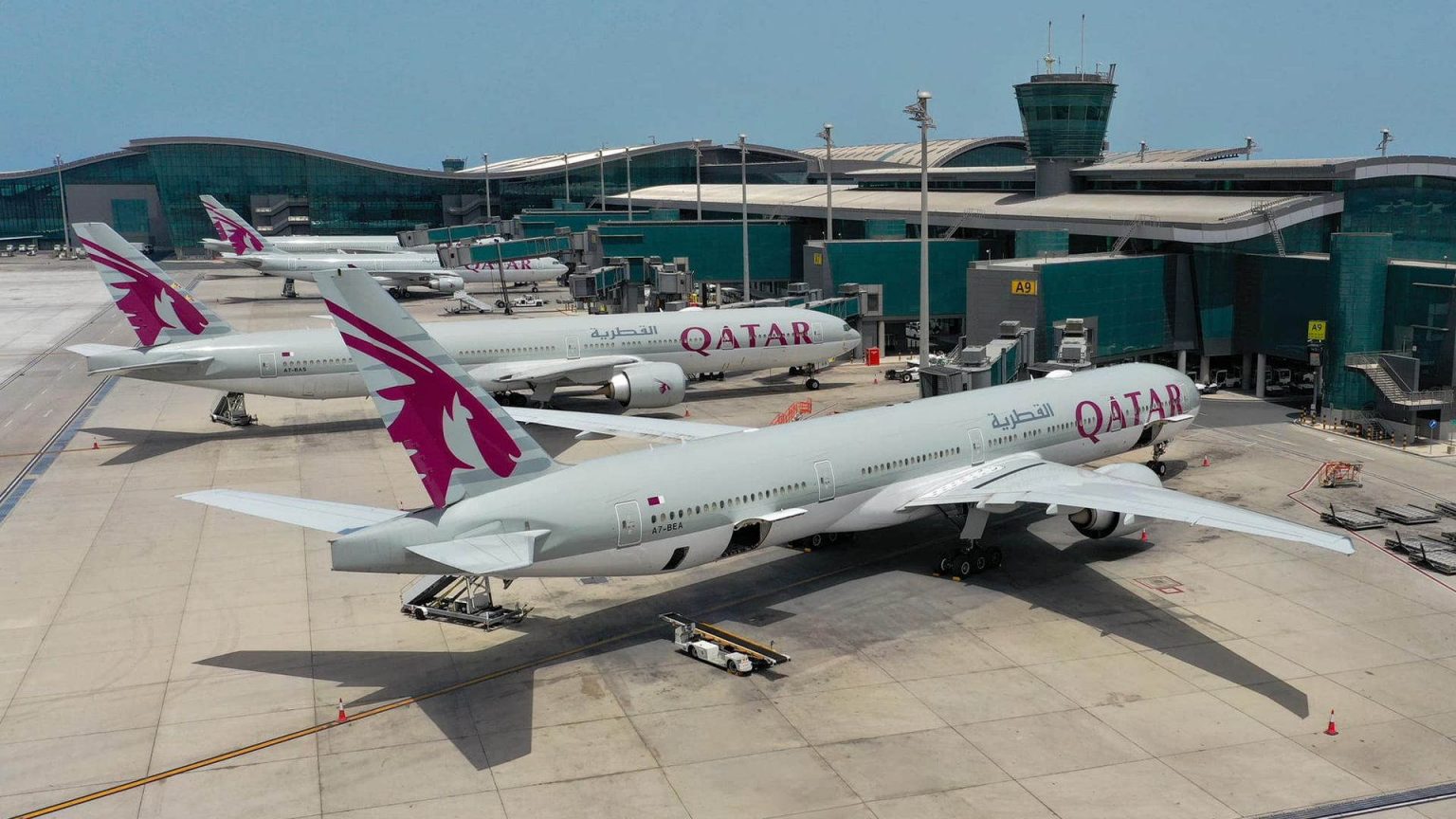
The numbers out of the Middle East are genuinely severe. Middle Eastern carriers reported a 14.6% year-on-year drop in overall demand in August, reversing a recovery trend that had been building in prior months, with capacity falling 9.3% and load factor dropping nearly five full percentage points to 78.9%.
IATA's own chief economist pointed directly at the region's instability. Marie Owens Thomsen, IATA's Senior Vice President Sustainability and Chief Economist, said global demand contracted because the recovery trajectory for Middle East carriers was interrupted, and that the contraction on Middle East-Asia routes specifically is accelerated to -11.7% in August from -8.6% in July, a sign the regional slowdown is getting worse, not stabilizing, month over month.
The Regions Actually Growing Right Now
While the Middle East pulls down the global average, several regions are posting genuinely strong growth in air travel demand. African airlines led the entire industry in international capacity growth, with seat capacity up 8.3% year-on-year and demand climbing 6.7%, the fastest expansion of any tracked region. Latin American airlines weren't far behind, posting 6.7% demand growth alongside a 6.4% capacity increase.
European carriers delivered one of the more interesting regional stories in the entire report. European airlines posted 2.1% year-on-year demand growth even as transatlantic routes fell 2.4%, including notable declines from the UK and France, because the Europe-Asia corridor more than made up the difference with 12.2% growth. That's a real shift in where European carriers' growth is actually coming from.

The Cockpit’s Next Revolution: When the Co-Pilot Is a Computer
The Domestic Market Tells Its Own Story, especially in India
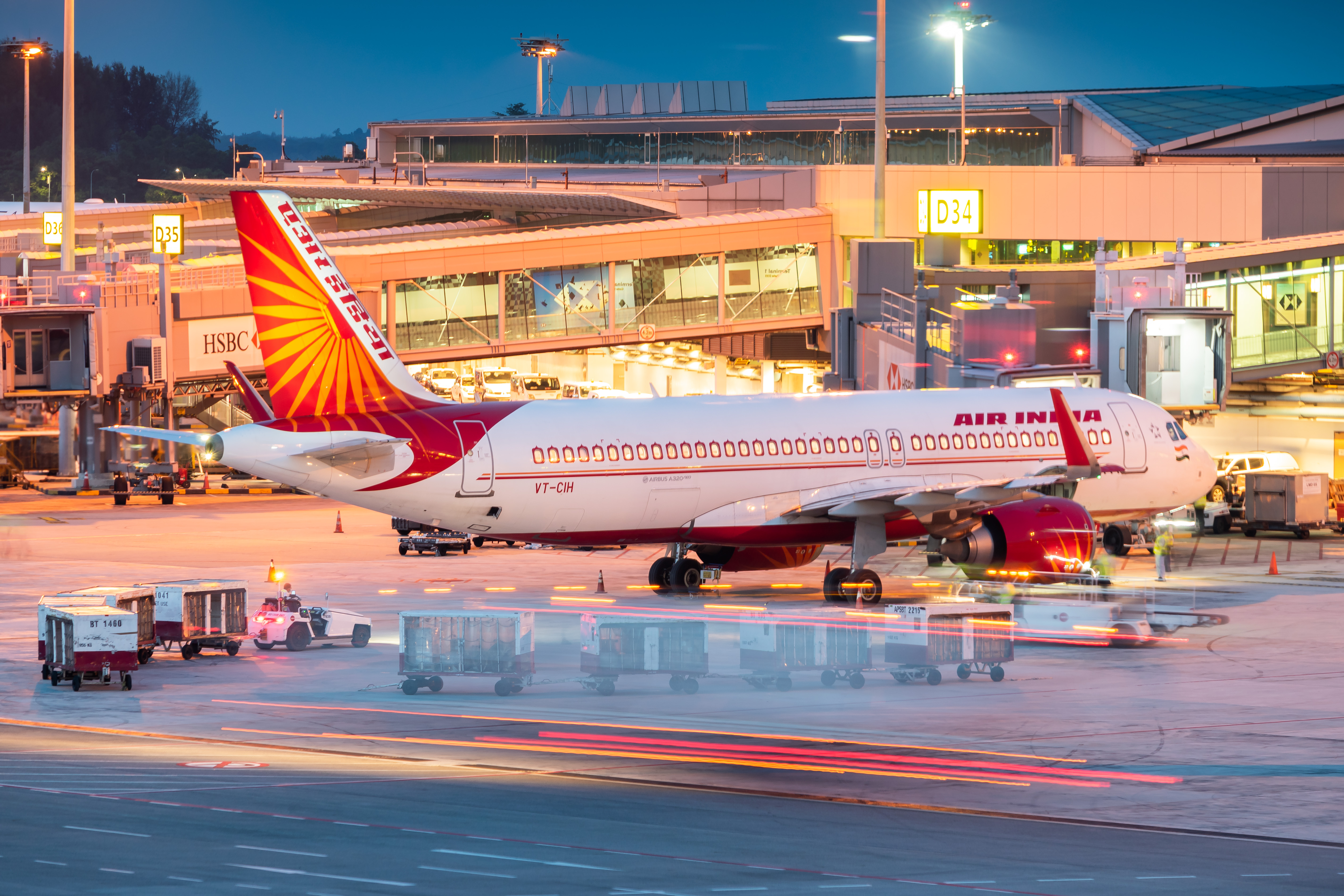
Domestic air travel data buried in IATA's report deserves just as much attention as the international numbers. Domestic demand fell 0.5% globally, but the real outlier was India, where domestic air travel contracted sharply by 7.5% year-on-year, with load factor collapsing to 78.7%, down 5.4 percentage points, easily the steepest domestic decline of any major market IATA tracks.
China told the opposite story. Domestic China travel strengthened through August, supported by summer travel demand, posting 5.8% year-on-year growth even as domestic demand in Japan and the United States softened.
What This Means for Air Travel Through the Rest of 2026
IATA's own economist flagged real uncertainty heading into the final months of the year. Owens Thomsen noted that higher energy prices have reduced travelers' purchasing power, and the coming months will reveal whether that, combined with ongoing geopolitical instability, discourages people from traveling, even as forward schedules for October show cautious optimism with 2.0% growth in available seats.
That combination, airlines adding capacity for October while the economist overseeing the data flags genuine demand uncertainty, is worth watching closely. If Middle East demand keeps deteriorating the way it did between July and August, the global headline number could get worse before it gets better, even while Africa, Latin America, and China keep pulling in the opposite direction.
Airbus Uncovers Coating Flaw on A321neo Fuselage Stringers, Threatening September Delivery Targets » Are Ultra-Long-Haul Routes Actually Profitable, or Just Good PR? » American Airlines Reportedly Planning to Bring Starlink Wi-Fi to Its Entire Mainline Fleet »

Comments (0)
Add Your Comment
TAGS
INFORMATIONAL IATA Passenger Data Global Air Travel IATA Passenger Data Air Travel Travel Demand DemandRECENTLY PUBLISHED
 The $30 Billion Question: Why America's Air Traffic Control Overhaul Keeps Getting More Expensive
The U.S. government is seeking $30 billion more to modernize America’s aging air traffic control system. Explore the rising $42.5 billion price tag, GAO oversight concerns, and where the new funding would go.
INFORMATIONAL
READ MORE »
The $30 Billion Question: Why America's Air Traffic Control Overhaul Keeps Getting More Expensive
The U.S. government is seeking $30 billion more to modernize America’s aging air traffic control system. Explore the rising $42.5 billion price tag, GAO oversight concerns, and where the new funding would go.
INFORMATIONAL
READ MORE »
 Embraer Posts Record 66 Aircraft Deliveries in Q3 2026 as Commercial Jets Climb 10%
Embraer delivered 66 aircraft in Q3 2026, its strongest third quarter on record, with commercial jets up 10% and business jets rising 41%.
NEWS
READ MORE »
Embraer Posts Record 66 Aircraft Deliveries in Q3 2026 as Commercial Jets Climb 10%
Embraer delivered 66 aircraft in Q3 2026, its strongest third quarter on record, with commercial jets up 10% and business jets rising 41%.
NEWS
READ MORE »
 Alaska Airlines Sets Sights on Final Major U.S. Carrier Takeover While Building Global Seattle Hub
Alaska Airlines pursues its last major U.S. airline acquisition target as it expands international routes from Seattle to challenge Delta's dominance.
NEWS
READ MORE »
Alaska Airlines Sets Sights on Final Major U.S. Carrier Takeover While Building Global Seattle Hub
Alaska Airlines pursues its last major U.S. airline acquisition target as it expands international routes from Seattle to challenge Delta's dominance.
NEWS
READ MORE »
More than just headlines.
Get unlimited ad-free access to in-depth aviation news, premium stories, and exclusive insights other sites don't cover.
- Ad-free browsing on AeroXplorer
- Unlimited access to premium and exclusive articles
- Higher photo upload limits & commissions on sales
- Free access to Jetstream Magazine on higher tiers
- Ad-free browsing
- Sell aviation photos with 60% commission
- First week free!
- Everything in Basic+
- Unlimited premium articles
- Sell aviation photos with 70% commission
- Free Digital subscription to Jetstream Magazine
- First week free!
- Everything in Basic+ and Pro
- Sell aviaiton photos with 80% commission
- Early access to exclusive stories
- Free Digital+Print subscription to Jetstream Magazine