
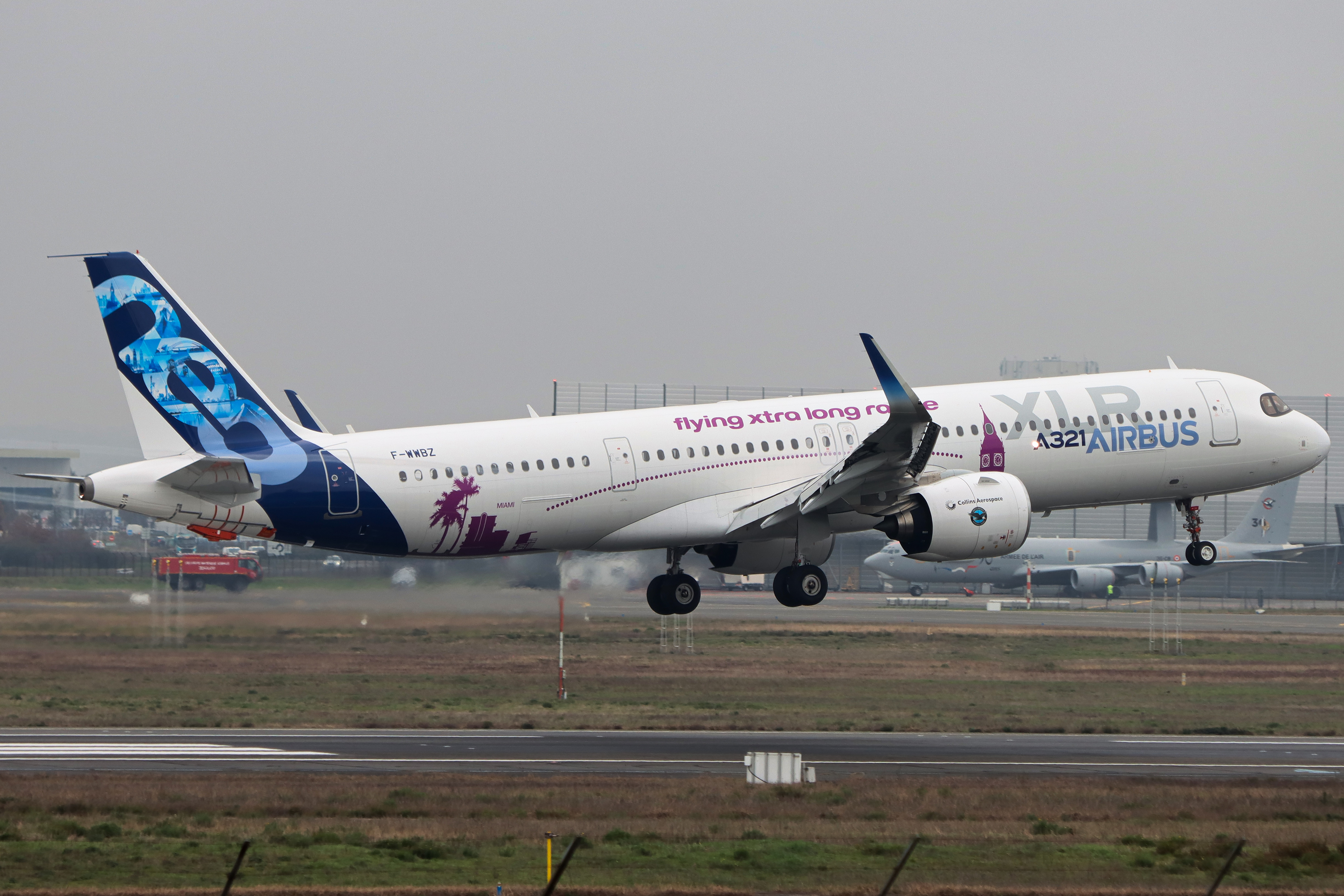

United Airlines has confirmed what some aviation analysts suspected for months. The Airbus A321XLR, marketed as a game-changing single-aisle jet capable of opening thin long-haul routes, delivers less range in daily operations than the manufacturer's headline figures suggest. The disclosure carries direct consequences for travelers hoping to see new nonstop flights between smaller cities across the Atlantic.
What United Said
Airbus has promoted the A321XLR with a maximum range of 4,700 nautical miles, positioning the aircraft as the longest-range single-aisle jet ever built. United Airlines executives, however, indicate that the operational range in typical airline service falls short of that number. The gap stems from real-world variables that marketing brochures rarely capture, including passenger loads, cargo weights, headwinds, fuel reserves, and airport-specific takeoff limitations.
For an airline planning transatlantic service, the difference between a theoretical maximum and a dependable everyday range matters. A route that works on paper at maximum range may require weight restrictions, fewer passengers, or reduced cargo when weather turns unfavorable. Those compromises erode the economic case for flying the route at all.

Which Routes Actually Work
Industry analysis suggests the A321XLR performs well on a defined set of transatlantic city pairs but struggles on others that Airbus initially highlighted. Routes from the East Coast of the United States to Western Europe generally sit within the aircraft's comfortable operating envelope. Flights from cities such as Boston, New York, Washington, and Newark to destinations including London, Dublin, Lisbon, and Madrid fall inside the range where the A321XLR can operate reliably year-round.
Push further west or further east, and the picture changes. Routes from Chicago or Denver to continental European cities, or from the U.S. East Coast to destinations deeper in Europe such as Athens or Istanbul, sit closer to the aircraft's practical limits. On those pairings, seasonal winds, weather diversions, and payload demands can force airlines to block seats, restrict cargo, or add fuel stops during winter months when westbound headwinds intensify.
For travelers, this means the new wave of exotic single-aisle routes some observers predicted may not materialize as broadly as expected. The A321XLR will likely serve as a tool for adding frequency and opening secondary markets in Europe from the U.S. East Coast rather than transforming the map of long-haul aviation.

The Cockpit’s Next Revolution: When the Co-Pilot Is a Computer
Why the Gap Exists
The disparity between advertised and operational range is not unique to the A321XLR. Manufacturers publish range figures under optimized conditions that include specific passenger counts, cargo loads, and standard atmospheric assumptions. Airlines operate in a messier environment. A full cabin, checked bags, freight in the belly, and reserves for diversions all add weight, which cuts into range.
The A321XLR also carries a heavier structure than earlier A321 variants because it must accommodate a permanent rear center tank that holds additional fuel. That structural weight, combined with certification changes Airbus made to satisfy European safety regulators concerned about fuel tank protection, added kilograms that further trimmed the aircraft's usable range. Reports throughout the aircraft's development pointed to a range figure that steadily slipped from initial promises.
What Travelers Should Expect
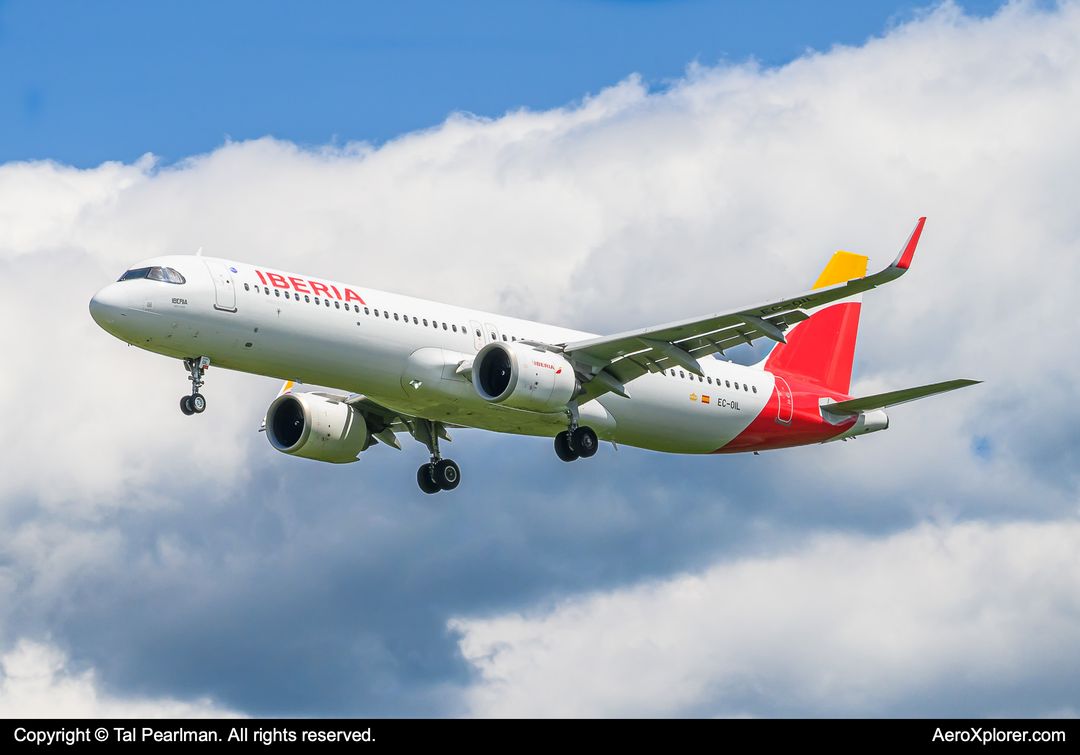
If you are watching for new nonstop options from your home airport, temper your expectations based on geography. Travelers based in the northeastern United States stand to benefit most from A321XLR service, with airlines likely to launch or expand routes to secondary European cities that could not previously support a widebody aircraft. Iberia, Aer Lingus, and now United have signaled intent to deploy the type across the Atlantic in ways that add choice for passengers in those markets.
Travelers in the middle of the country or on the West Coast will see fewer direct benefits. Long transcontinental legs combined with ocean crossings push the aircraft beyond its comfort zone, and airlines will continue to rely on widebody jets such as the Boeing 787 and Airbus A330 for those flights.
Cabin experience is another consideration. The A321XLR offers a single-aisle layout for a flight that can exceed eight hours. Airlines are configuring the aircraft with lie-flat business class seats and premium economy sections, but the narrower cabin, smaller lavatories, and reduced overhead bin space compared with a widebody remain trade-offs passengers should weigh when booking.
The Broader Industry Picture
United's candid assessment adds to a pattern of scrutiny around the A321XLR program. Airbus delivered the first aircraft to Iberia in late 2024 after certification delays, and operators have been gathering data on how the jet performs on revenue flights. The gap between marketing claims and operational reality is prompting airlines to rethink some of the routes they had penciled in when they placed orders.
None of this means the aircraft is a failure. The A321XLR still extends the reach of single-aisle jets meaningfully and gives airlines a tool to serve markets that would not support a larger plane. What it does mean is that the map of new routes will look narrower than early promotional materials suggested.
For travelers, the takeaway is straightforward. New nonstop options will appear, particularly on East Coast to Europe routes, but the A321XLR will not rewrite the rules of long-haul flying. When you book, check the aircraft type, review the cabin configuration, and set expectations accordingly for a long flight in a narrow-body jet.
SWISS Boeing 777 Diverts to Azores Following Unidentified Cabin Odor Mid-Flight » Delta Restarts New York to Tel Aviv Flights as Six Airlines Rebuild US-Israel Service » Airport Ground Worker Dies After Being Run Over by Airbus A350 During Pushback at Montreal-Trudeau »

Comments (0)
Add Your Comment
TAGS
NEWS United Airlines Airbus A321XLR Patrick Quayle Boeing 757 Replacement Narrowbody Range Transatlantic Routes Aircraft Performance Airbus MarketingRECENTLY PUBLISHED
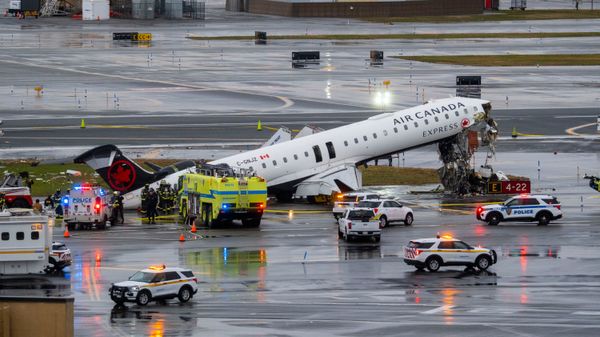 Airport Rescue Trucks To Get Trackers Following Fatal LaGuardia Collision
The Port Authority equips emergency vehicles at JFK and LaGuardia with GPS tracking after a fatal rescue truck crash exposed critical safety gaps.
NEWS
READ MORE »
Airport Rescue Trucks To Get Trackers Following Fatal LaGuardia Collision
The Port Authority equips emergency vehicles at JFK and LaGuardia with GPS tracking after a fatal rescue truck crash exposed critical safety gaps.
NEWS
READ MORE »
 This Week in Aviation: The 10 Stories That Mattered Most
From major airline developments to aircraft updates and industry shifts, this weekly recap highlights the ten most-read aviation stories from the week of August 23.
INFORMATIONAL
READ MORE »
This Week in Aviation: The 10 Stories That Mattered Most
From major airline developments to aircraft updates and industry shifts, this weekly recap highlights the ten most-read aviation stories from the week of August 23.
INFORMATIONAL
READ MORE »
 The Airline Industry Has a $3 Billion Carbon Problem. It's About to Get Much Bigger
CORSIA's carbon offsetting rules become mandatory for nearly all countries in 2027, driving up compliance costs and credit prices for airlines — with those already using sustainable aviation fuel best positioned to offset the hit.
INFORMATIONAL
READ MORE »
The Airline Industry Has a $3 Billion Carbon Problem. It's About to Get Much Bigger
CORSIA's carbon offsetting rules become mandatory for nearly all countries in 2027, driving up compliance costs and credit prices for airlines — with those already using sustainable aviation fuel best positioned to offset the hit.
INFORMATIONAL
READ MORE »
More than just headlines.
Get unlimited ad-free access to in-depth aviation news, premium stories, and exclusive insights other sites don't cover.
- Ad-free browsing on AeroXplorer
- Unlimited access to premium and exclusive articles
- Higher photo upload limits & commissions on sales
- Free access to Jetstream Magazine on higher tiers
- Ad-free browsing
- Sell aviation photos with 60% commission
- First week free!
- Everything in Basic+
- Unlimited premium articles
- Sell aviation photos with 70% commission
- Free Digital subscription to Jetstream Magazine
- First week free!
- Everything in Basic+ and Pro
- Sell aviaiton photos with 80% commission
- Early access to exclusive stories
- Free Digital+Print subscription to Jetstream Magazine