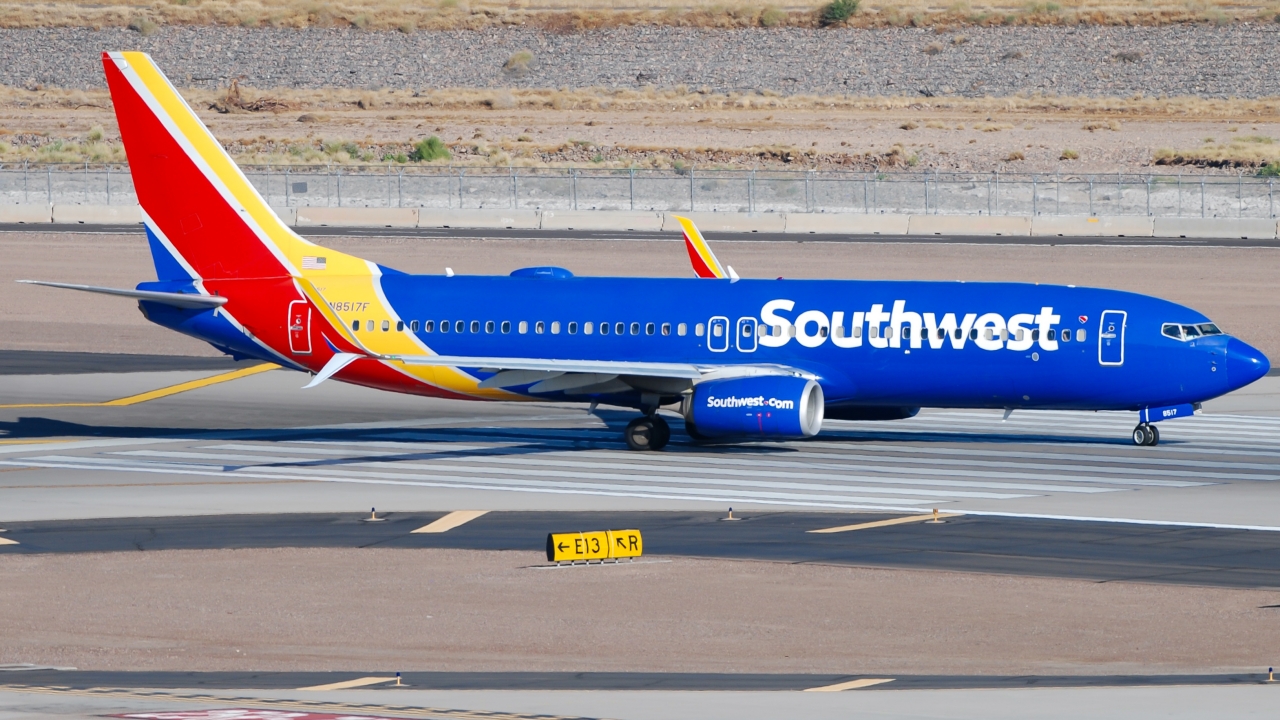

A Southwest Airlines flight bound for Rochester, New York, made an emergency return to Orlando International Airport on Tuesday after striking a bird shortly after departure. All passengers and crew landed safely, and no injuries were reported.
The aircraft took off from Orlando and climbed to altitude before the crew reported the bird strike and requested a return to the airport. The pilots brought the plane back without further incident. Southwest said in a statement that its pilots "followed procedure and landed the aircraft uneventfully," commending the crew's professionalism. Neither the airline nor the airport has disclosed whether the plane sustained any damage or whether the event is under formal investigation. The specific flight number, aircraft type, and altitude at the time of the strike have not been independently confirmed.

What Happened During the Flight
The jet departed Orlando International Airport on Tuesday. Shortly after liftoff, the crew noticed signs of a bird strike and alerted air traffic control. Controllers cleared the aircraft to return, and the plane landed safely a short time later.
Passengers remained on board during the return and deplaned normally at the gate. Southwest moved passengers to another aircraft to complete the trip to Rochester, though travelers faced delays as a result.
Bird Strikes in Commercial Aviation
Bird strikes happen regularly across the aviation industry, particularly during takeoff and landing when aircraft fly at lower altitudes. Most strikes cause minimal damage, but collisions involving engines or windshields can prompt pilots to return to the departure airport as a precaution. Bird size plays a major role in outcome: a small songbird may leave little more than a smudge, while a large waterfowl can disable an engine. FAA hazard rankings place species such as white-tailed deer, snow geese, black vultures, and Canada geese among those most likely to cause serious damage in a strike.
Airlines train flight crews to handle bird strikes using standard procedures. In this case, the Southwest crew opted for a precautionary landing.
Orlando's Wildlife Management
Orlando International Airport maintains one of the few dedicated in-house wildlife teams among U.S. airports, a reflection of the airport's efforts to manage bird and wildlife activity in the region. Airports across the country operate similar wildlife management programs, using habitat modification, noise deterrents, and other techniques to keep birds away from runways and flight paths. Despite these efforts, strikes continue to occur, and airlines rely on robust aircraft design and crew training to manage the risk.
Orlando International Airport ranks among the busiest in the United States and handles heavy traffic from leisure travelers visiting central Florida attractions. The surrounding region has significant bird activity, which can increase the risk of wildlife strikes during certain times of year.

Aircraft Inspection and Next Steps
After the plane returned to Orlando, maintenance teams would typically inspect the exterior, engines, and critical systems for damage. Aircraft that experience bird strikes often require detailed checks before returning to service, especially if a bird is ingested into an engine. Southwest has not released a detailed statement on the extent of any damage to the aircraft or how long it may remain out of service.
Impact on Passengers
Travelers on the Rochester-bound flight experienced delays but faced no injuries. Southwest moved affected customers to a replacement aircraft to continue their journey. The airline operates a large number of flights through Orlando International Airport, one of its major Florida hubs.
The Cockpit’s Next Revolution: When the Co-Pilot Is a Computer
Industry Context
The incident is a reminder of the ongoing challenge wildlife poses to commercial aviation, even as reported strikes continue to climb nationally. No injuries were reported.
KLM Welcomes Its First Airbus A350 to Schiphol Fleet » Pilot Tried to Crash Flight Bound for Israel After Stabbing Co-Pilot » Why Does the Boeing 737 Have a Pitot Tube on Its Tail? »

Comments (0)
Add Your Comment
TAGS
NEWS SWA Southwest Airlines Southwest Boeing 737 WN2821 Flight 2821 ROC MCORECENTLY PUBLISHED
 IATA's New Passenger Data Shows Global Air Travel Demand Shrinking for the First Time This Year
Global air travel just hit a reverse that has not been seen in months -- the numbers point to something more interesting than a simple slowdown.
INFORMATIONAL
READ MORE »
IATA's New Passenger Data Shows Global Air Travel Demand Shrinking for the First Time This Year
Global air travel just hit a reverse that has not been seen in months -- the numbers point to something more interesting than a simple slowdown.
INFORMATIONAL
READ MORE »
 The $30 Billion Question: Why America's Air Traffic Control Overhaul Keeps Getting More Expensive
The U.S. government is seeking $30 billion more to modernize America’s aging air traffic control system. Explore the rising $42.5 billion price tag, GAO oversight concerns, and where the new funding would go.
INFORMATIONAL
READ MORE »
The $30 Billion Question: Why America's Air Traffic Control Overhaul Keeps Getting More Expensive
The U.S. government is seeking $30 billion more to modernize America’s aging air traffic control system. Explore the rising $42.5 billion price tag, GAO oversight concerns, and where the new funding would go.
INFORMATIONAL
READ MORE »
 Embraer Posts Record 66 Aircraft Deliveries in Q3 2026 as Commercial Jets Climb 10%
Embraer delivered 66 aircraft in Q3 2026, its strongest third quarter on record, with commercial jets up 10% and business jets rising 41%.
NEWS
READ MORE »
Embraer Posts Record 66 Aircraft Deliveries in Q3 2026 as Commercial Jets Climb 10%
Embraer delivered 66 aircraft in Q3 2026, its strongest third quarter on record, with commercial jets up 10% and business jets rising 41%.
NEWS
READ MORE »
More than just headlines.
Get unlimited ad-free access to in-depth aviation news, premium stories, and exclusive insights other sites don't cover.
- Ad-free browsing on AeroXplorer
- Unlimited access to premium and exclusive articles
- Higher photo upload limits & commissions on sales
- Free access to Jetstream Magazine on higher tiers
- Ad-free browsing
- Sell aviation photos with 60% commission
- First week free!
- Everything in Basic+
- Unlimited premium articles
- Sell aviation photos with 70% commission
- Free Digital subscription to Jetstream Magazine
- First week free!
- Everything in Basic+ and Pro
- Sell aviaiton photos with 80% commission
- Early access to exclusive stories
- Free Digital+Print subscription to Jetstream Magazine