

Join us virtually next week. Free to attend • Seats are limited.
The night sky has always been a source of wonder and mystery. As the sun dips below the horizon, the world transforms. The familiar becomes new, cloaked in a blanket of darkness punctuated by the twinkling of distant stars. This transformation is particularly profound for those who take to the skies: pilots and aviation enthusiasts. Night flying, a practice both challenging and enchanting, offers a unique perspective on the world.
For many pilots, the allure of night flying is undeniable. The quiet of the cockpit, the calm air, and the unobstructed view of the heavens create an experience that is both peaceful and exhilarating. However, flying at night is not without its challenges. Reduced visibility, navigation complexities, and a heightened need for situational awareness make it a demanding endeavor. It is a test of skill and resilience, pushing pilots to hone their abilities and deepen their understanding of aviation.

As a student, imagine being tasked with an essay on this topic. You might think, "How can I write my essay for me that captures the essence of night flying?" It's about diving into the experiences, the feelings, and the technicalities of navigating the skies after dark. It's about understanding the challenges and appreciating the beauty that comes with this unique form of flight.
The Challenges of Night Flying
One of the most significant challenges of night flying is reduced visibility. Pilots must rely heavily on their instruments and be acutely aware of their surroundings. This reliance on instrument readings over visual cues requires a different skill set than day flying. Pilots must be proficient in interpreting and trusting their instruments, a skill honed through rigorous training and experience.
Another challenge is spatial disorientation, a phenomenon more common at night. Without visual landmarks or a visible horizon, pilots can become disoriented and unsure of their position or altitude. This can lead to dangerous situations if not managed correctly. Pilots must remain vigilant, constantly cross-checking their instruments and staying aware of their flight path and environment.

Navigating the Night Sky
Navigating the night sky requires a blend of skill, knowledge, and technology. Pilots use a combination of radar, GPS, and other navigational aids to plot their course and maintain their bearings. These tools are invaluable, but they also require pilots to have a deep understanding of their functionality and limitations.
Weather is another critical factor. At night, it can be more challenging to spot weather changes or avoid turbulent areas. Pilots must be adept at interpreting weather data and making real-time decisions to ensure a safe and smooth flight.
The Beauty of Night Flying
Despite these challenges, night flying is incredibly rewarding. The beauty of the night sky is unparalleled. Flying above the clouds, pilots witness the majestic tapestry of stars and the moon's gentle glow, offering a sense of tranquility and awe.
There's also a sense of solitude and introspection that comes with night flying. The world below sleeps, and up in the sky, pilots find a peaceful escape. This quiet, almost meditative state allows pilots to reflect, appreciate the moment, and connect with the universe in a way impossible during the day.

Encouraging Sharing of Experiences
To deepen our understanding and appreciation of night flying, pilots and enthusiasts need to share their experiences. Essays on night flying can provide insights into the unique challenges faced and the profound beauty witnessed. These narratives can be educational for aspiring pilots and fascinating for aviation enthusiasts.
Sharing personal stories and experiences encourages a sense of community among pilots. It helps to foster a culture of learning and mentorship, where seasoned pilots can impart wisdom to those just starting. These essays can also inspire future pilots, igniting a passion for flying and a desire to experience the magic of the night sky themselves.

The Inspirational Aspect
Night flying does not just challenge the intellect and skills of a pilot; it also serves as a profound source of inspiration. For students and young aviators, tales of navigating through the starlit skies can ignite a deep-seated passion for aviation.
These stories often highlight not just the technical prowess required but also the emotional and spiritual connection pilots feel with the vast expanse above them. Each star, a distant world, each flight, a step into the unknown, and night flying symbolizes the human spirit's unyielding desire to explore and conquer new frontiers.
For a student grappling with the complexities of learning, these narratives offer more than knowledge; they offer a vision of what lies beyond the classroom – a limitless sky full of possibilities and adventures waiting to be experienced.

Final Thoughts
Night flying represents a perfect blend of challenge and beauty. It tests the skills of pilots, pushing them to excel in their craft while also offering moments of unparalleled tranquility and wonder. As we encourage pilots to share their essays on night flying, we not only celebrate the skill and bravery required to navigate the skies after dark but also foster a deeper appreciation for the unique experiences that come with it.
For students reading about these adventures, it can be a source of inspiration. Whether you're an aspiring pilot, an avid aviation enthusiast, or a student tasked with writing an essay on this topic, there's much to learn and appreciate. The stories shared by pilots can provide invaluable insights into the technical aspects of night flying and the emotional experiences that come with soaring through the night sky.
The practice of writing about these experiences is also beneficial. It encourages reflection and critical thinking, skills that are essential in both flying and academic pursuits. When pilots articulate their experiences, they not only share their knowledge but also contribute to a broader understanding of the challenges and joys of night flying.
Silk Way West 747-8 Diverts to Dallas After Houston Mix-Up, Declares Fuel Emergency » FAA Certifies Boeing 737 MAX-7 After Nearly Decade-Long Review » Hyderabad Man Charged With Forgery After Using ChatGPT to Generate Fraudulent IndiGo Boarding Pass »

Comments (0)
Add Your Comment
TAGS
INFORMATIONAL Night Sponsored Flying Pilot Education SchoolRECENTLY PUBLISHED
 Solairus Moves to Acquire Clay Lacy Charter Business, Forming a 500-Aircraft Management Powerhouse
Solairus Aviation's acquisition of Clay Lacy's charter management operation creates one of the largest managed fleets in U.S. business aviation.
NEWS
READ MORE »
Solairus Moves to Acquire Clay Lacy Charter Business, Forming a 500-Aircraft Management Powerhouse
Solairus Aviation's acquisition of Clay Lacy's charter management operation creates one of the largest managed fleets in U.S. business aviation.
NEWS
READ MORE »
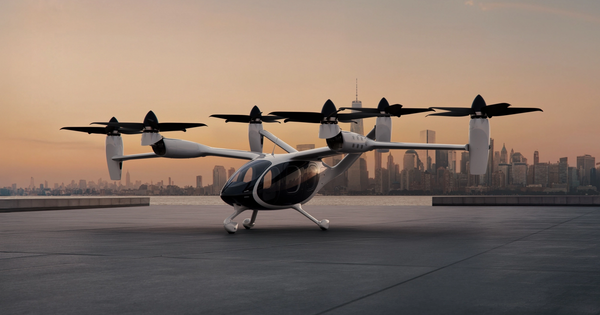 Joby Aviation Opens Texas Facility to Prepare for Dallas-Fort Worth Air Taxi Service
Joby Aviation has established a new Texas base to support planned electric air taxi operations across the Dallas-Fort Worth region.
NEWS
READ MORE »
Joby Aviation Opens Texas Facility to Prepare for Dallas-Fort Worth Air Taxi Service
Joby Aviation has established a new Texas base to support planned electric air taxi operations across the Dallas-Fort Worth region.
NEWS
READ MORE »
 Airbus and Boeing Pursue Out-of-Autoclave Composites to Speed Next-Generation Airframe Production
Airbus and Boeing are investing in out-of-autoclave composite technologies to accelerate airframe manufacturing rates for future single-aisle aircraft programs.
NEWS
READ MORE »
Airbus and Boeing Pursue Out-of-Autoclave Composites to Speed Next-Generation Airframe Production
Airbus and Boeing are investing in out-of-autoclave composite technologies to accelerate airframe manufacturing rates for future single-aisle aircraft programs.
NEWS
READ MORE »
More than just headlines.
Get unlimited ad-free access to in-depth aviation news, premium stories, and exclusive insights other sites don't cover.
- Ad-free browsing on AeroXplorer
- Unlimited access to premium and exclusive articles
- Higher photo upload limits & commissions on sales
- Free access to Jetstream Magazine on higher tiers
- Ad-free browsing
- Sell aviation photos with 60% commission
- First week free!
- Everything in Basic+
- Unlimited premium articles
- Sell aviation photos with 70% commission
- Free Digital subscription to Jetstream Magazine
- First week free!
- Everything in Basic+ and Pro
- Sell aviaiton photos with 80% commission
- Early access to exclusive stories
- Free Digital+Print subscription to Jetstream Magazine