Join us virtually next week. Free to attend • Seats are limited.
Joby Aviation has established a new operational site in Texas, signaling a concrete step toward launching electric air taxi service in the Dallas-Fort Worth metropolitan area. The California-based aerospace company announced the move as part of its broader strategy to bring commercial electric vertical takeoff and landing (eVTOL) flights to major U.S. markets. Joby has signed a lease for 45,000 square feet at Perot Field, Fort Worth Alliance Airport (KAFW), securing a foothold within the 27,000-acre AllianceTexas development owned by real estate developer Hillwood.
The new Texas facility will serve as a foundation for future passenger operations, allowing Joby to build local infrastructure, hire staff, and coordinate with regional partners well ahead of the anticipated service launch. The company aims to offer short urban flights that could reduce typical ground travel times across the sprawling North Texas region from roughly an hour by car to a matter of minutes in the air.
A Strategic Expansion Into Texas
Dallas-Fort Worth ranks among the largest and fastest-growing metropolitan regions in the United States, making it an attractive market for advanced air mobility. The area also features a dense network of airports, corporate campuses, entertainment venues, and business districts spread across a wide geographic footprint. Joby views this landscape as well-suited for point-to-point electric aviation.
By planning to open a Texas site now, Joby positions itself to work directly with local officials, real estate developers, and transportation authorities. The company will need to identify locations for vertiports, the takeoff and landing facilities designed for eVTOL aircraft, and establish charging and maintenance infrastructure before commercial service can begin.
The company has collaborated with Delta Air Lines on a broader plan to integrate air taxi flights with commercial airline travel, and it has worked with real estate firms to explore vertiport locations in cities where it plans to operate.
The Aircraft Behind the Plan
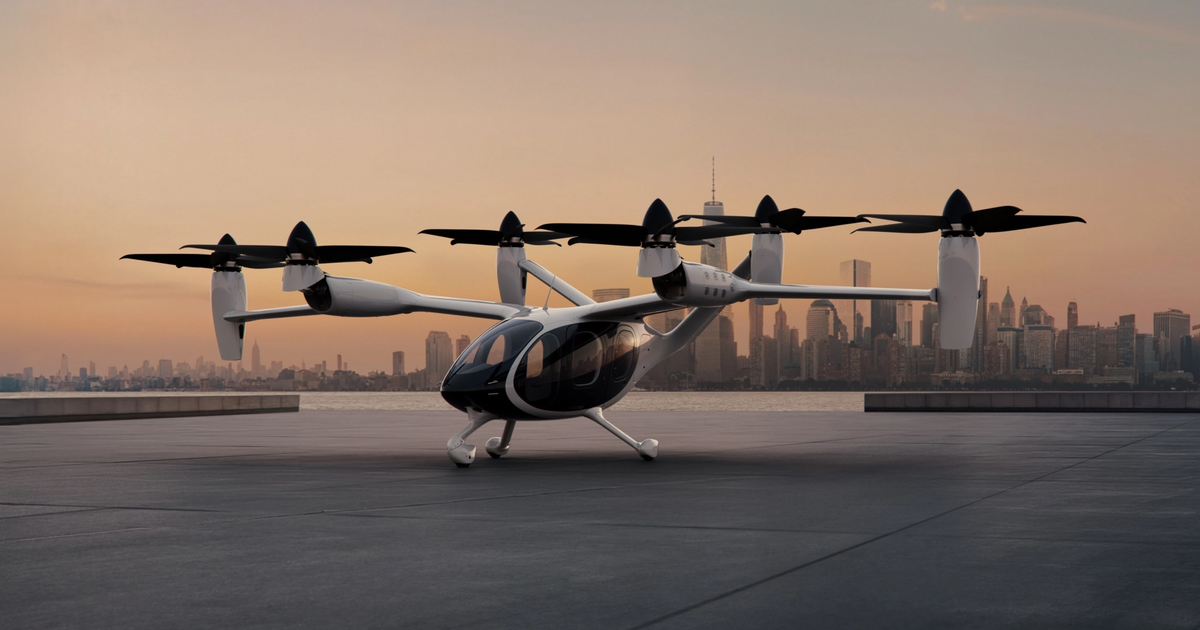
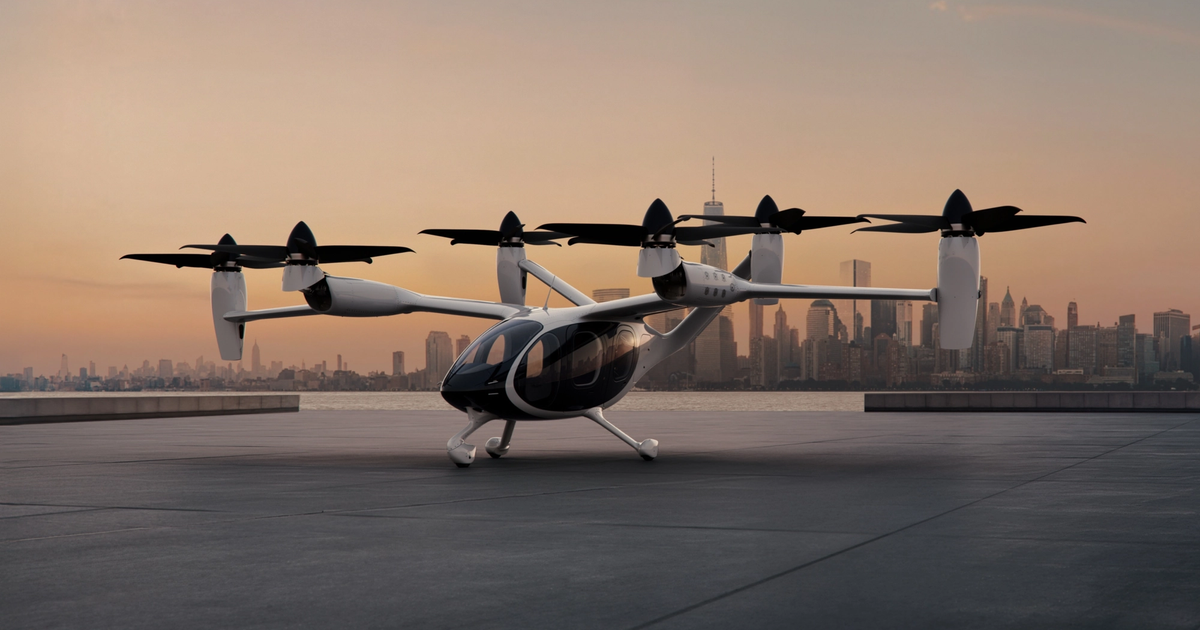
Joby's aircraft is a piloted, all-electric eVTOL designed to carry four passengers in addition to the pilot. The vehicle uses six tilting rotors that allow it to lift off vertically like a helicopter before transitioning to forward flight like a conventional airplane. Joby has stated the aircraft can reach speeds of up to 200 miles per hour with a maximum range of approximately 100 miles on a single charge.
A central selling point of the aircraft is its acoustic profile. Joby has designed the vehicle to operate at noise levels significantly below those of traditional helicopters, a factor considered essential for winning public acceptance of low-altitude flights over populated areas.
The aircraft is currently working through the Federal Aviation Administration certification process. Joby has completed several key milestones and continues flight testing at its facilities in California. Full type certification, which would allow paying passengers to board the aircraft, remains the final major regulatory hurdle before commercial service can begin.

Analysis: How Spirit Airlines Changed Airline Pricing, then Paid the Price
Regulatory and Operational Considerations
Launching air taxi service in a metropolitan area involves more than aircraft certification. Joby must also secure operational authorizations, air traffic coordination agreements, and permissions to construct or use vertiport facilities. Dallas-Fort Worth airspace is among the busiest in the country, which will require close coordination with the FAA and local aviation authorities.
Texas offers a relatively welcoming regulatory environment for aviation innovation. The state has actively courted aerospace investment and has fewer local restrictions on vertiport development compared to some other regions. Joby's decision to plant an early flag in Texas reflects that favorable climate.
The company plans to use the Texas site for pilot training, aircraft familiarization, and eventually maintenance operations. Local hiring will accompany the buildout, though Joby has not released specific figures on the number of jobs the facility will create.
Competition in the Air Taxi Race
Joby is not alone in pursuing the eVTOL market. Rival firms including Archer Aviation, Beta Technologies, and international competitors such as EHang and Volocopter are all working toward commercial passenger service. Archer, in particular, has announced its own plans for operations in several major U.S. cities and has partnered with United Airlines.
The race to launch commercial service has intensified as certification progress accelerates. Whichever company begins revenue passenger operations first will set important precedents for pricing, safety protocols, and consumer adoption. Analysts expect early flights to carry premium price tags before economies of scale bring costs closer to those of ride-hailing services.
Joby has been widely viewed as one of the front-runners in the certification race, having invested years in flight testing and regulatory engagement. The company went public in 2021 through a merger with a special purpose acquisition company and has since raised substantial capital to fund its development program.
What This Means for Dallas-Fort Worth
For residents and visitors of the region, the arrival of air taxi service could reshape how people move between key destinations. A trip from downtown Dallas to Fort Worth, or from a business district to Dallas Fort Worth International Airport, could shrink dramatically in duration. Whether the pricing will make the service accessible to everyday commuters or remain a premium option for business travelers and affluent customers remains to be seen.
Joby has not published a firm date for when passenger flights will begin in Texas. The company continues to indicate that commercial launch depends on completing FAA certification, a process without a fixed public timeline. Industry observers expect service to begin in select markets before broader expansion follows.
For now, the Texas site represents preparation rather than operation. But the establishment of a physical presence in Dallas-Fort Worth confirms that Joby is treating the market as a priority for its rollout plans, and it gives the region a tangible marker of the arrival of a new mode of transportation.
Tourist Plane Crash in Peru Claims 13 Lives Near Nazca Lines » Solairus Moves to Acquire Clay Lacy Charter Business, Forming a 500-Aircraft Management Powerhouse » Security Breach at Fort Lauderdale Airport: Intruder Found Sleeping on JetBlue A320 in Maintenance Hangar »

Comments (0)
Add Your Comment
TAGS
NEWS Joby Aviation Fort Worth Alliance Airport Perot Field Hillwood eVTOL Advanced Air Mobility Texas Aviation eVTOL Integration Pilot ProgramRECENTLY PUBLISHED
 Solairus Moves to Acquire Clay Lacy Charter Business, Forming a 500-Aircraft Management Powerhouse
Solairus Aviation's acquisition of Clay Lacy's charter management operation creates one of the largest managed fleets in U.S. business aviation.
NEWS
READ MORE »
Solairus Moves to Acquire Clay Lacy Charter Business, Forming a 500-Aircraft Management Powerhouse
Solairus Aviation's acquisition of Clay Lacy's charter management operation creates one of the largest managed fleets in U.S. business aviation.
NEWS
READ MORE »
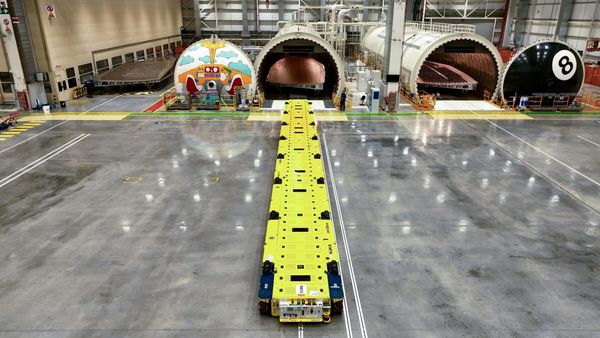 Airbus and Boeing Pursue Out-of-Autoclave Composites to Speed Next-Generation Airframe Production
Airbus and Boeing are investing in out-of-autoclave composite technologies to accelerate airframe manufacturing rates for future single-aisle aircraft programs.
NEWS
READ MORE »
Airbus and Boeing Pursue Out-of-Autoclave Composites to Speed Next-Generation Airframe Production
Airbus and Boeing are investing in out-of-autoclave composite technologies to accelerate airframe manufacturing rates for future single-aisle aircraft programs.
NEWS
READ MORE »
 SWISS To Retire Entire A220-100 Fleet Just a Decade After Launch
SWISS will phase out its nine Airbus A220-100 aircraft by the end of 2027, just ten years after introducing the type to its fleet.
NEWS
READ MORE »
SWISS To Retire Entire A220-100 Fleet Just a Decade After Launch
SWISS will phase out its nine Airbus A220-100 aircraft by the end of 2027, just ten years after introducing the type to its fleet.
NEWS
READ MORE »
More than just headlines.
Get unlimited ad-free access to in-depth aviation news, premium stories, and exclusive insights other sites don't cover.
- Ad-free browsing on AeroXplorer
- Unlimited access to premium and exclusive articles
- Higher photo upload limits & commissions on sales
- Free access to Jetstream Magazine on higher tiers
- Ad-free browsing
- Sell aviation photos with 60% commission
- First week free!
- Everything in Basic+
- Unlimited premium articles
- Sell aviation photos with 70% commission
- Free Digital subscription to Jetstream Magazine
- First week free!
- Everything in Basic+ and Pro
- Sell aviaiton photos with 80% commission
- Early access to exclusive stories
- Free Digital+Print subscription to Jetstream Magazine