
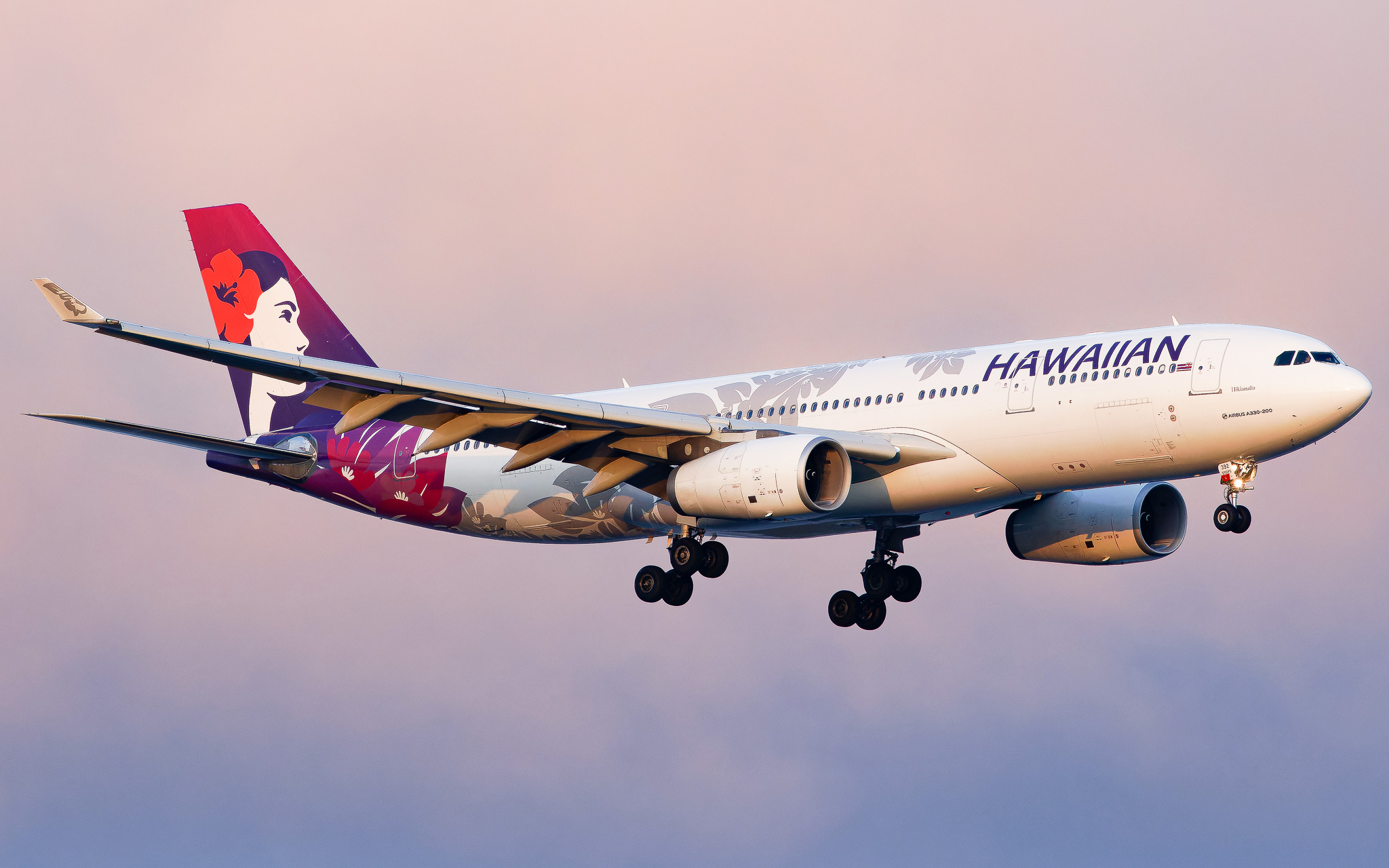

Seven flight attendants aboard a Hawaiian Airlines flight from Los Angeles to Honolulu required medical attention after a mysterious odor spread through the cabin, prompting an emergency response upon landing.
The incident occurred on Alaska Airlines flight AS-803 operated by Hawaiian Airlines crew using an Airbus A330-200 (N375HA), which departed Los Angeles International Airport bound for Daniel K. Inouye International Airport in Honolulu. According to reports, the crew members began feeling unwell during the flight after detecting an unusual smell inside the aircraft.
Emergency medical teams met the aircraft at the gate after it touched down in Honolulu. Paramedics evaluated the affected crew members, and several were transported to nearby hospitals for further examination. Passengers on the packed flight were reportedly not affected by the odor to the same degree as the cabin crew.
What Happened Aboard the Flight
The aircraft was carrying a full load of passengers on the roughly six-hour journey across the Pacific when crew members began reporting symptoms. The exact nature of the odor has not been publicly identified, and Hawaiian Airlines has not disclosed the source of the smell that sickened its employees.
Flight attendants who fell ill reported symptoms consistent with exposure to fumes, though officials have not confirmed the specific cause. The affected crew members were assessed on arrival and given medical care.
Hawaiian Airlines confirmed the incident in a statement, acknowledging that several crew members required medical attention following the flight. The airline indicated it would investigate the cause of the odor and cooperate with any regulatory inquiries stemming from the event.

A Recurring Problem in Commercial Aviation
Fume events on commercial aircraft have drawn increasing scrutiny from aviation regulators, unions, and medical researchers over recent years. These incidents typically occur when engine oil, hydraulic fluid, or other contaminants enter the cabin air supply through the bleed air system, which draws pressurized air from the aircraft engines to condition the cabin.
When seals in the engines degrade or fail, chemicals can leak into this air supply and be delivered directly into the passenger and crew cabins. The resulting exposure has been linked to a range of symptoms including headaches, nausea, dizziness, respiratory issues, and in some cases longer-term neurological effects.
Flight attendant unions have long advocated for stronger protections and better reporting standards regarding fume events. The Association of Flight Attendants has repeatedly called on the Federal Aviation Administration to require the installation of air quality sensors on commercial aircraft, arguing that such devices would help identify contamination in real time and reduce crew exposure.
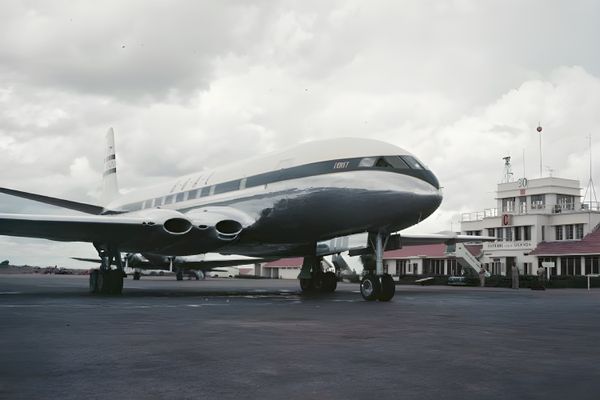
The Shape of Disaster: The Plane That Kept Falling Apart Mid-Air
Response From Hawaiian Airlines
Hawaiian Airlines said the safety of its passengers and crew remains its highest priority. The carrier confirmed that medical personnel evaluated the affected flight attendants after the aircraft arrived in Honolulu and that the airline is looking into what caused the odor.
The airline has not indicated whether the aircraft involved was taken out of service for inspection or maintenance following the incident. Standard procedure in cases involving suspected fume events typically requires a thorough examination of the aircraft's engines, bleed air system, and air conditioning components before the plane is returned to service.
Passengers on the flight were reportedly allowed to deplane normally after the aircraft reached the gate. There were no immediate reports of passengers requiring hospitalization.

Regulatory Attention on Cabin Air Quality
The incident on the Hawaiian Airlines flight arrives amid growing debate about cabin air quality on commercial aircraft. In the United States, the FAA has faced pressure from lawmakers, unions, and advocacy groups to address the issue more forcefully. Legislation introduced in Congress in recent years has sought to mandate improved reporting requirements for fume events and to fund research into their health consequences.
The Boeing 787 Dreamliner is currently the only widely used commercial aircraft that does not rely on the traditional bleed air system, instead using electrically driven compressors to supply cabin air. Advocates for improved air quality point to this design as evidence that safer alternatives exist, though retrofitting older aircraft would represent a significant expense for airlines.
Research into the long-term health effects of fume exposure remains ongoing. Some studies have suggested a link between repeated exposure and a cluster of symptoms sometimes referred to as aerotoxic syndrome, though the condition is not universally recognized by medical or aviation authorities.
What Comes Next
Federal investigators may become involved if the incident is formally reported as a fume event under existing aviation safety protocols. The National Transportation Safety Board and the FAA both have authority to examine such occurrences, particularly when multiple crew members require hospitalization.
Hawaiian Airlines, which merged with Alaska Airlines in a deal completed in 2024, operates a substantial network of flights between the mainland United States and the Hawaiian Islands. The carrier has built its reputation in part on its long haul over water operations, which require rigorous safety standards given the remote nature of many of its routes.
The condition of the affected flight attendants following their hospital evaluations has not been publicly disclosed. Union representatives are expected to monitor the situation closely and may push for a full accounting of what caused the odor and how the airline responded during the flight.
Passengers who traveled on the flight and experienced any symptoms have been advised to seek medical attention and to report their concerns to the airline.
FAA to Convene Review Panel on Boeing 737 MAX Software Issue That May Burden Pilots During Landing » KLM Welcomes Its First Airbus A350 to Schiphol Fleet » IATA's New Passenger Data Shows Global Air Travel Demand Shrinking for the First Time This Year »

Comments (2)
 Mike Check
Odd that none of the passengers had any problems.
Youbin
Aircraft ought to have to install VOC sensors to alert and alarm when gases leak into the aircraft.
Mike Check
Odd that none of the passengers had any problems.
Youbin
Aircraft ought to have to install VOC sensors to alert and alarm when gases leak into the aircraft.
Add Your Comment
TAGS
NEWS Hawaiian Airlines Mystery Odor Flight Attendants Cabin Air Quality Aviation Incident In-Flight Health Honolulu Aviation Safety Crew HealthRECENTLY PUBLISHED
 IATA's New Passenger Data Shows Global Air Travel Demand Shrinking for the First Time This Year
Global air travel just hit a reverse that has not been seen in months -- the numbers point to something more interesting than a simple slowdown.
INFORMATIONAL
READ MORE »
IATA's New Passenger Data Shows Global Air Travel Demand Shrinking for the First Time This Year
Global air travel just hit a reverse that has not been seen in months -- the numbers point to something more interesting than a simple slowdown.
INFORMATIONAL
READ MORE »
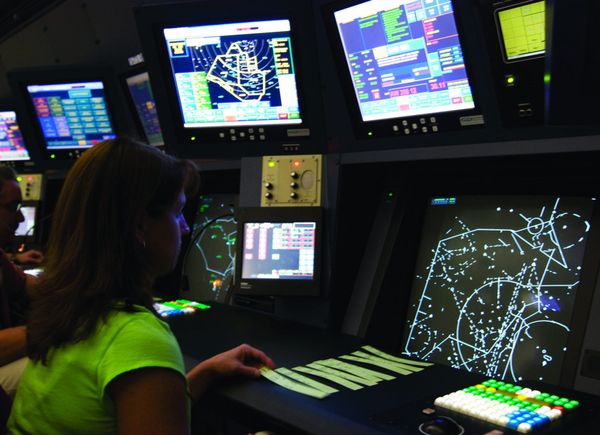 The $30 Billion Question: Why America's Air Traffic Control Overhaul Keeps Getting More Expensive
The U.S. government is seeking $30 billion more to modernize America’s aging air traffic control system. Explore the rising $42.5 billion price tag, GAO oversight concerns, and where the new funding would go.
INFORMATIONAL
READ MORE »
The $30 Billion Question: Why America's Air Traffic Control Overhaul Keeps Getting More Expensive
The U.S. government is seeking $30 billion more to modernize America’s aging air traffic control system. Explore the rising $42.5 billion price tag, GAO oversight concerns, and where the new funding would go.
INFORMATIONAL
READ MORE »
 Embraer Posts Record 66 Aircraft Deliveries in Q3 2026 as Commercial Jets Climb 10%
Embraer delivered 66 aircraft in Q3 2026, its strongest third quarter on record, with commercial jets up 10% and business jets rising 41%.
NEWS
READ MORE »
Embraer Posts Record 66 Aircraft Deliveries in Q3 2026 as Commercial Jets Climb 10%
Embraer delivered 66 aircraft in Q3 2026, its strongest third quarter on record, with commercial jets up 10% and business jets rising 41%.
NEWS
READ MORE »
More than just headlines.
Get unlimited ad-free access to in-depth aviation news, premium stories, and exclusive insights other sites don't cover.
- Ad-free browsing on AeroXplorer
- Unlimited access to premium and exclusive articles
- Higher photo upload limits & commissions on sales
- Free access to Jetstream Magazine on higher tiers
- Ad-free browsing
- Sell aviation photos with 60% commission
- First week free!
- Everything in Basic+
- Unlimited premium articles
- Sell aviation photos with 70% commission
- Free Digital subscription to Jetstream Magazine
- First week free!
- Everything in Basic+ and Pro
- Sell aviaiton photos with 80% commission
- Early access to exclusive stories
- Free Digital+Print subscription to Jetstream Magazine