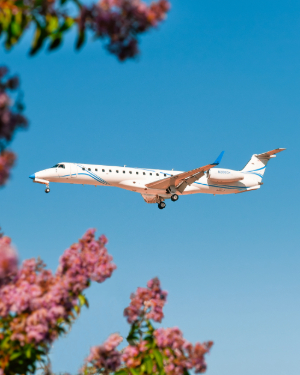


Lufthansa has become the second major airline to reject Boeing's oldest 777-9 aircraft, dealing another blow to the American manufacturer as its flagship widebody program continues to struggle with delays and mounting complications.
The German flag carrier confirmed it will not accept the earliest built examples of the 777-9, joining Emirates in refusing airframes that have sat idle for years while Boeing works through certification challenges. The decision compounds problems for a program that is now roughly six to seven years behind its original schedule.

What Lufthansa Decided
Lufthansa placed its original order for the 777-9 back in 2013, making it one of the launch customers for Boeing's next generation widebody. The airline has most commonly been reported as holding 20 firm orders for the type. Deliveries were originally expected to begin around 2020.
Those aircraft were built years ago. Some have been parked in storage since 2019 and 2020, exposed to the elements while Boeing worked to resolve technical and regulatory hurdles. Lufthansa has now told Boeing it does not want these particular airframes and expects newer production examples instead. CEO Carsten Spohr has said the airline is in talks with Boeing over which aircraft will be rejected outright and which could still be accepted after being brought up to the latest production standard, with Boeing contributing financially toward that rework.
The airline has grown frustrated with the extended wait. Spohr has voiced his displeasure publicly on multiple occasions, warning that the delays have forced the carrier to keep older aircraft flying longer than planned and delay fleet modernization goals.
Following Emirates' Lead
Emirates set the precedent earlier. The Dubai based carrier, which holds the largest 777X order on Boeing's books at roughly 270 aircraft (across the 777-9 and 777-8 variants), refused to accept the oldest airframes in its allocation, reportedly rejecting the first ten aircraft originally assigned to it.

Why the Oldest Airframes Are a Problem
Aircraft built years ago and left in storage face several complications. Components can degrade even when jets are properly preserved. Seals dry out, electronics age, and systems require extensive recertification before entering commercial service. Interiors designed years ago may no longer match current airline product specifications.
For airlines paying hundreds of millions of dollars per aircraft, accepting a jet that spent years parked on a Boeing ramp raises legitimate concerns. Newer production examples benefit from updated manufacturing processes and reflect the latest lessons learned during the certification campaign.
Boeing has set up a dedicated "change incorporation" production line to rework the early-built airframes to the current production standard rather than simply reassigning or setting them aside, with Boeing covering part of the cost of that work for at least some customers. Industry estimates of how many early airframes require this rework vary, ranging from roughly 30 to nearly 40 aircraft across all 777X customers.
The Broader 777X Program Status
The 777-9 remains uncertified. Boeing had targeted first deliveries for 2020, but the timeline has slipped repeatedly. Boeing has said it expects to complete most flight testing by the end of 2026, with certification likely following in late 2026 or early 2027. First deliveries to Lufthansa are currently targeted for the first quarter of 2027, with entry into scheduled service expected in the following months – not 2026, as earlier timelines once suggested.
The program suffered a setback in August 2024 when Boeing paused flight testing after discovering a cracked thrust link, the component connecting an engine to the wing. That pause grounded flight testing for roughly five months and added further time to an already extended timeline. In October 2025, Boeing pushed first delivery from 2026 into 2027 and took a $4.9 billion pre-tax charge tied to the program.
Beyond Lufthansa and Emirates, the 777-9 order book includes Qatar Airways, Singapore Airlines, Cathay Pacific, All Nippon Airways, British Airways, Etihad, and Korean Air. Several of these carriers have also expressed frustration with the delays, though most have not publicly rejected specific airframes.

How AI Quietly Became the Backbone of Today’s Aviation Industry
What Happens Next
Boeing faces pressure on multiple fronts. The company must complete certification, restart deliveries at scale, and manage the commercial fallout from customers unwilling to accept aircraft they consider too old. Compensation and rework-cost negotiations with affected carriers are ongoing, though specific terms remain confidential.
For Lufthansa passengers, the practical impact means continued reliance on the current widebody fleet. The airline has already extended the life of its Boeing 747-400 fleet and is reportedly considering keeping its roughly 14 remaining Airbus A340-300s in service longer than planned as a contingency, alongside its Airbus A350s and Boeing 747-8s. The airline had planned to use the 777-9 to replace some of these aircraft on long haul routes, but that transition will now wait until Boeing can deliver newer production examples that meet the carrier's standards.
Riyadh Airport Closed After Reported Ballistic Missile Strike on Saudia Airbus Jet » Boeing's Touchscreen Flight Controls for 737 Draw Sharp Criticism from Pilots » Delta Passenger Arrested After Allegedly Stealing Airport Tug »

Comments (2)
 Forbes Mercy
Dude, your disdain for Boeing drips in your stories. You guys at AeroXplorer seem to work for Airbus. When something goes wrong with them, it's a quiet mention, when it's Boeing you might as well shout it from the roof! So they don't want the plane that needs a whole lot of changes to bring it up to the final version. The X isn't far from certification having completed the final FAA testing flight. You act as though its nowhere near certification, and always look backwards. Try to be a little more balanced in your "reporting".
Hal
All he did was state some facts and give the reasons that Emirates and Lufthansa have refused planes (sold as "new") which have in fact been parked outside for 7 years. Boeing does have a serious management problem. It's just a fact.
Forbes Mercy
Dude, your disdain for Boeing drips in your stories. You guys at AeroXplorer seem to work for Airbus. When something goes wrong with them, it's a quiet mention, when it's Boeing you might as well shout it from the roof! So they don't want the plane that needs a whole lot of changes to bring it up to the final version. The X isn't far from certification having completed the final FAA testing flight. You act as though its nowhere near certification, and always look backwards. Try to be a little more balanced in your "reporting".
Hal
All he did was state some facts and give the reasons that Emirates and Lufthansa have refused planes (sold as "new") which have in fact been parked outside for 7 years. Boeing does have a serious management problem. It's just a fact.
Add Your Comment
TAGS
NEWS Boeing Boeing 777X Boeing 777-9 LufthansaRECENTLY PUBLISHED
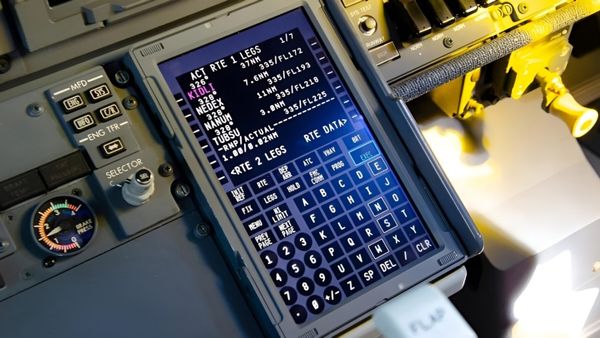 Boeing's Touchscreen Flight Controls for 737 Draw Sharp Criticism from Pilots
Boeing's plan to introduce Touchscreen Control Display Units on the 737 has sparked backlash from pilots who warn of safety and usability concerns.
NEWS
READ MORE »
Boeing's Touchscreen Flight Controls for 737 Draw Sharp Criticism from Pilots
Boeing's plan to introduce Touchscreen Control Display Units on the 737 has sparked backlash from pilots who warn of safety and usability concerns.
NEWS
READ MORE »
 Southwest Airlines Blames Brief System Outage for Boarding Delays and Checked Bag Disruptions
Southwest Airlines confirms a brief technology outage disrupted boarding and checked bag operations, forcing gate agents to process travelers manually.
NEWS
READ MORE »
Southwest Airlines Blames Brief System Outage for Boarding Delays and Checked Bag Disruptions
Southwest Airlines confirms a brief technology outage disrupted boarding and checked bag operations, forcing gate agents to process travelers manually.
NEWS
READ MORE »
 Southwest Airlines Considers Boeing 787 Order for Long-Haul International Expansion
Southwest Airlines is evaluating the Boeing 787 Dreamliner as it explores a shift into long-haul international flying, sources tell Reuters.
NEWS
READ MORE »
Southwest Airlines Considers Boeing 787 Order for Long-Haul International Expansion
Southwest Airlines is evaluating the Boeing 787 Dreamliner as it explores a shift into long-haul international flying, sources tell Reuters.
NEWS
READ MORE »
More than just headlines.
Get unlimited ad-free access to in-depth aviation news, premium stories, and exclusive insights other sites don't cover.
- Ad-free browsing on AeroXplorer
- Unlimited access to premium and exclusive articles
- Higher photo upload limits & commissions on sales
- Free access to Jetstream Magazine on higher tiers
- Ad-free browsing
- Sell aviation photos with 60% commission
- First week free!
- Everything in Basic+
- Unlimited premium articles
- Sell aviation photos with 70% commission
- Free Digital subscription to Jetstream Magazine
- First week free!
- Everything in Basic+ and Pro
- Sell aviaiton photos with 80% commission
- Early access to exclusive stories
- Free Digital+Print subscription to Jetstream Magazine