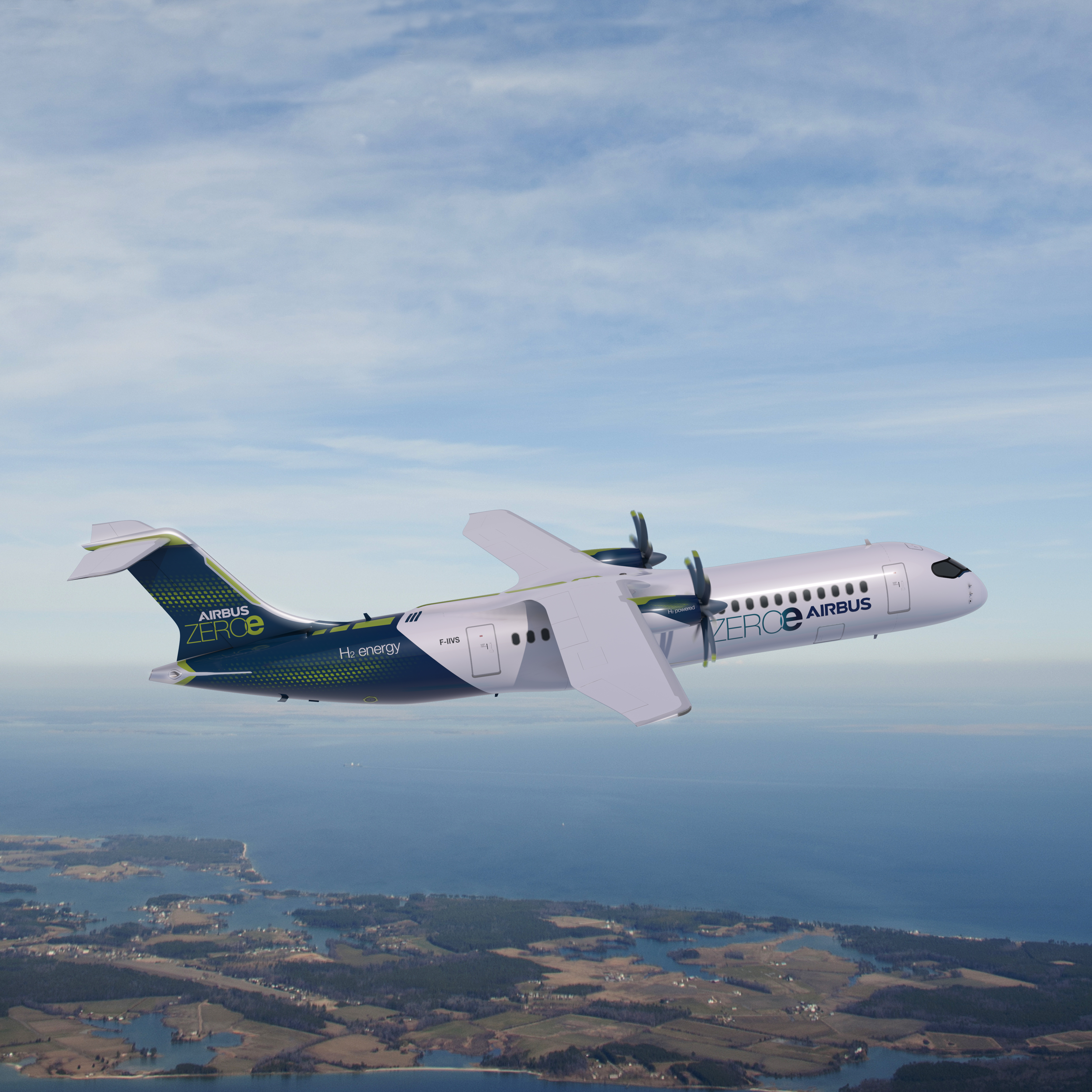
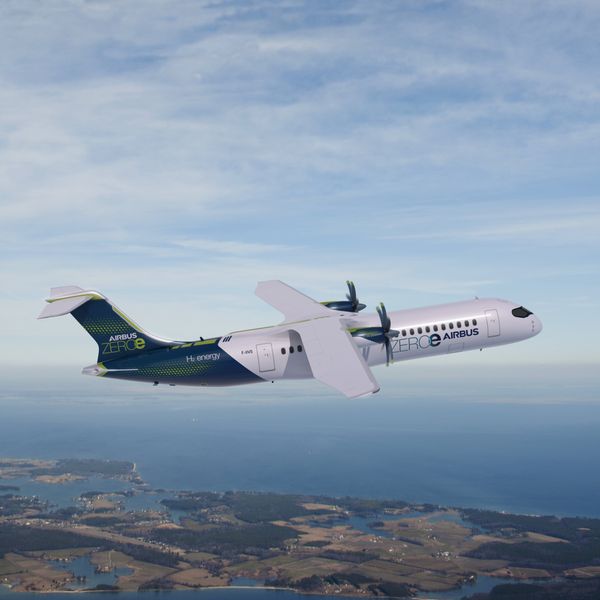
Airbus engineers have officially moved the ZEROe hydrogen fuel cell (HFC) program from the laboratory to the flight-line, confirming the technical feasibility of a 100-seat regional aircraft powered entirely by electric-hydrogen propulsion. Following a high-intensity validation phase at the E-Aircraft System House in Munich, the airframer has concluded that the "Iron Pod" architecture, a self-contained hydrogen-electric powertrain, can meet the power density and thermal management requirements for commercial-scale aviation.
The technical breakthrough centers on the successful scaling of fuel cell stacks to the megawatt class. To propel a 100-passenger airframe over a targeted 1,000 nautical mile range (1,850 km), the aircraft requires approximately 8 MW of combined power. Airbus’s down-selected configuration features four under-wing pods, each housing a 2 MW electric propulsion system fed by liquid hydrogen (LH2) stored at cryogenic temperatures of -253C.
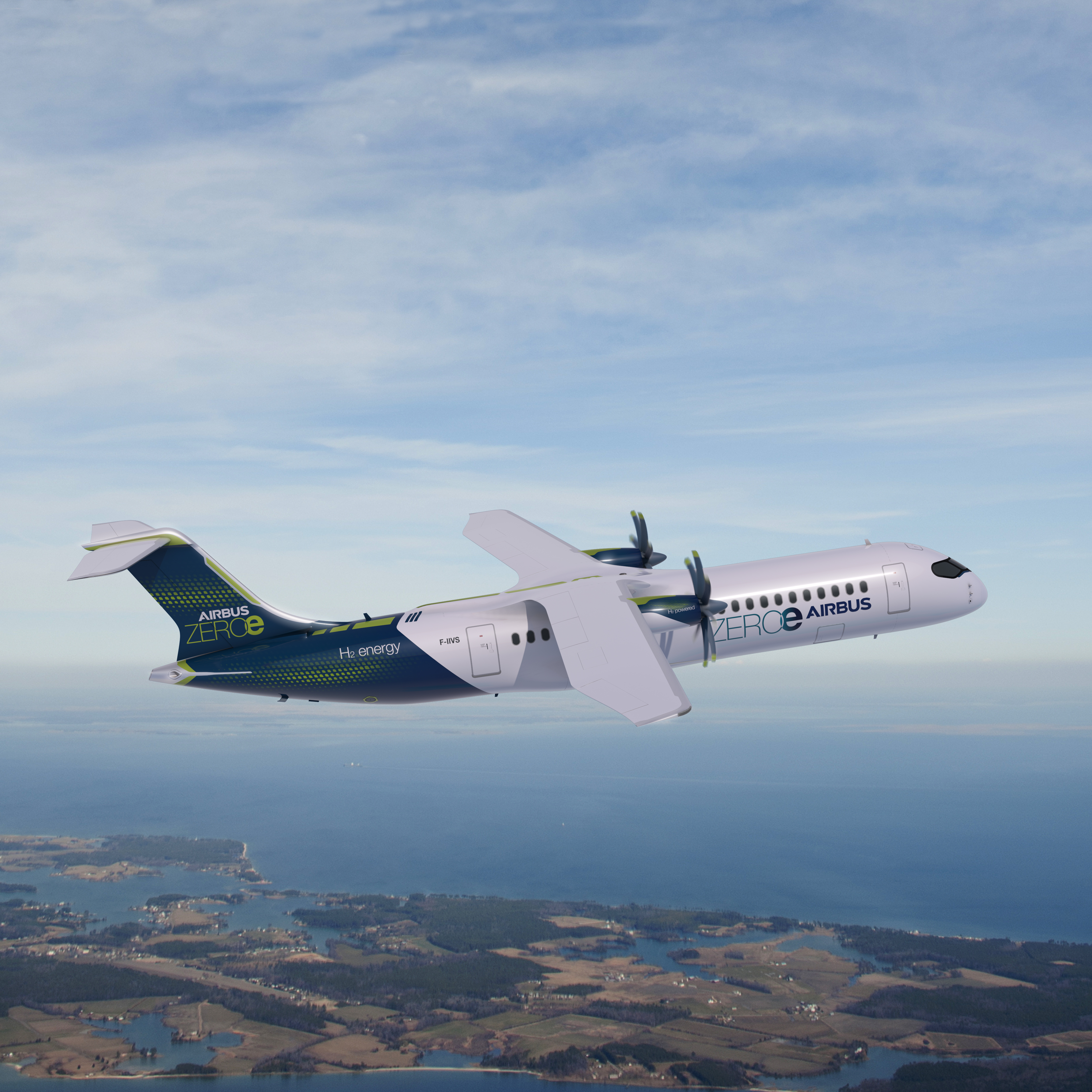
Photo: Airbus
Mastering the Thermal and Cryogenic Challenge
One of the most significant engineering hurdles overcome in this feasibility study was the "thermal tax" of fuel cells. For every megawatt of electricity generated, fuel cells produce between 0.4 MW and 0.6 MW of waste heat. Airbus’s new design integrates high-efficiency micro-channel heat exchangers directly into the pod aerodynamics, allowing for passive cooling during cruise phases without significant drag penalties.
“It was a huge moment for us because the architecture and design principles of the system are the same as those that we will see in the final design,” stated Mathias Andriamisaina, Head of Testing and Demonstration on the ZEROe project, following the integration of the 1.2 MW powertrain into the A380 MSN001 testbed.
The feasibility confirmation also relies on the maturation of the Aerostack joint venture, which has successfully reduced the mass of the fuel cell stacks by 30% since 2024. By utilizing advanced composite materials for the cryogenic tanks developed at the Stade and Filton Development Centres, Airbus has achieved a fuel-fraction-to-weight ratio that makes the 100-seat concept commercially viable.

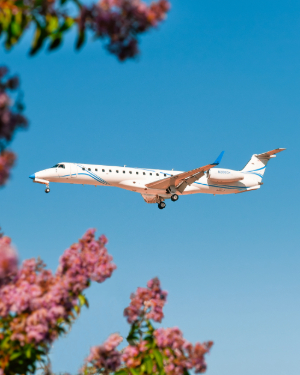
Photo: AeroXplorer/ Lucas Wu
Demonstrator Flight Operations
To validate these lab findings in a "real-world" environment, Airbus has commenced a rigorous series of flight tests using the A380 MSN001 (F-WWOW) as a multimodal platform. The aircraft has been modified to carry a single 2 MW hydrogen pod on its upper fuselage. Below are the published flight test operations for the current Spring 2026 campaign based in Toulouse.
| Flight No. | Route | Departure Time | Arrival Time | Duration |
|---|---|---|---|---|
| AIB 001Z | TLS (Toulouse) – Pyrenees Test Range | 09:30 AM | 12:15 PM | 2h 45m |
| AIB 002Z | TLS (Toulouse) – Gulf of Gascony | 02:00 PM | 05:30 PM | 3h 30m |
| AIB 005Z | TLS (Toulouse) – TLS (High Alt Endurance) | 08:00 AM | 01:00 PM | 5h 00m |
Note: These operations are dedicated to "cold-box" testing and vibration qualification of the LH2 distribution system.

How AI Quietly Became the Backbone of Today’s Aviation Industry
The Path to 2040 and Beyond
While the technical feasibility is now "locked," Airbus leadership remains candid about the external infrastructure challenges. During the 2025 Airbus Summit, the company adjusted its entry-into-service (EIS) window to the 2040-2045 timeframe to allow for the global "Hydrogen Hubs at Airports" network to reach maturity.
“Over the last five years, we have explored multiple hydrogen-propulsion concepts, before down-selecting this fully electric concept. We are confident it could provide the necessary power density for a hydrogen-powered commercial aircraft and could evolve as we mature the technology,” noted Glenn Llewellyn, Vice President of ZEROe Aircraft at Airbus.
The next phase of the program, scheduled for late 2027, will involve full-scale ground testing of the integrated hydrogen distribution system, including the world’s first fully functional composite cryogenic tank. For the aerospace engineering community, today’s confirmation serves as the ultimate "green light" that the era of zero-emission regional flight is no longer a question of "if," but "when."
Frontier Airlines Flight Attendant Restrains Passenger Who Lunged for Cabin Door During Atlanta Jet Bridge Delay » Halon Was Supposed to Disappear. This Company Kept It Flying. » Joby Aviation to Pay $116.9 Million in Trade Secrets Case »

Comments (0)
Add Your Comment
TAGS
NEWS Airbus ZEROe Hydrogen Aviation Aerospace Engineering Fuel Cell Technology Zero Emission A380 Demonstrator CryogenicsRECENTLY PUBLISHED
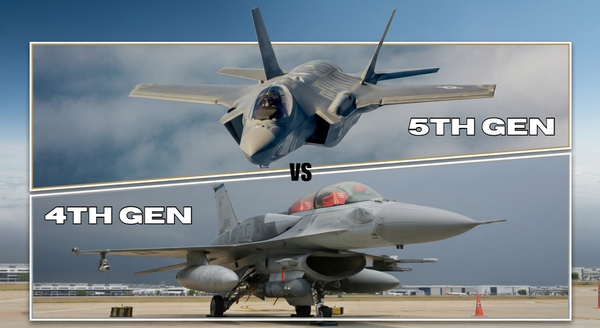 4th vs 5th Generation Fighter Jets: How Fighter Jets Have Evolved
A look at what separates fourth- and fifth-generation fighter jets, from stealth and sensor fusion to combat capability and cost.
INFORMATIONAL
READ MORE »
4th vs 5th Generation Fighter Jets: How Fighter Jets Have Evolved
A look at what separates fourth- and fifth-generation fighter jets, from stealth and sensor fusion to combat capability and cost.
INFORMATIONAL
READ MORE »
 United 777 Diverts to Dublin After Cockpit Windscreen Cracks Over the Atlantic
A United Airlines Boeing 777 bound for Milan made a steep descent and diverted to Dublin after its cockpit windscreen cracked mid-flight.
NEWS
READ MORE »
United 777 Diverts to Dublin After Cockpit Windscreen Cracks Over the Atlantic
A United Airlines Boeing 777 bound for Milan made a steep descent and diverted to Dublin after its cockpit windscreen cracked mid-flight.
NEWS
READ MORE »
 Boeing's Touchscreen Flight Controls for 737 Draw Sharp Criticism from Pilots
Boeing's plan to introduce Touchscreen Control Display Units on the 737 has sparked backlash from pilots who warn of safety and usability concerns.
NEWS
READ MORE »
Boeing's Touchscreen Flight Controls for 737 Draw Sharp Criticism from Pilots
Boeing's plan to introduce Touchscreen Control Display Units on the 737 has sparked backlash from pilots who warn of safety and usability concerns.
NEWS
READ MORE »
More than just headlines.
Get unlimited ad-free access to in-depth aviation news, premium stories, and exclusive insights other sites don't cover.
- Ad-free browsing on AeroXplorer
- Unlimited access to premium and exclusive articles
- Higher photo upload limits & commissions on sales
- Free access to Jetstream Magazine on higher tiers
- Ad-free browsing
- Sell aviation photos with 60% commission
- First week free!
- Everything in Basic+
- Unlimited premium articles
- Sell aviation photos with 70% commission
- Free Digital subscription to Jetstream Magazine
- First week free!
- Everything in Basic+ and Pro
- Sell aviaiton photos with 80% commission
- Early access to exclusive stories
- Free Digital+Print subscription to Jetstream Magazine