

Join us virtually next week. Free to attend • Seats are limited.
A high-stakes diplomatic and legal confrontation is coming to a head as major U.S. airlines warn that a decades-old passenger cap at Dublin Airport (DUB) has moved from a local planning dispute to a full-blown violation of international treaty obligations. As of January 7, 2026, the industry’s most powerful lobby, Airlines for America (A4A), has formally petitioned the U.S. Department of Transportation (DOT) to intervene, citing an imminent threat to the vital transatlantic corridor.
At the heart of the crisis is a 32-million annual passenger limit, a condition imposed during the 2007 planning approval for Terminal 2, which critics argue has become a "zombie cap" strangling Ireland’s connectivity.

A Breach of Open Skies
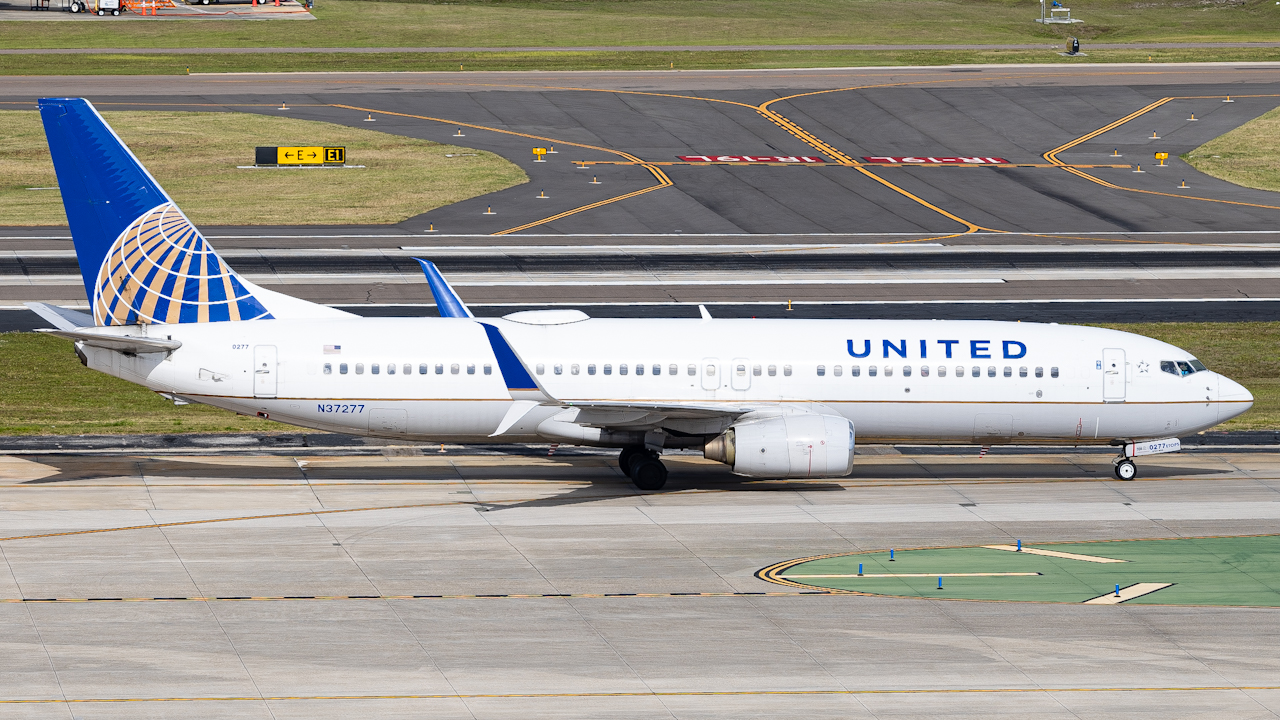
In a significant escalation filed on January 6, 2026, A4A, representing titans including American Airlines, Delta Air Lines, and United Airlines, warned that the cap would inevitably force the withdrawal of "historic slots." The group contends that this violates the US-EU Air Transport Agreement, better known as the Open Skies Agreement, which guarantees airlines the right to fly routes based on market demand rather than artificial governmental constraints.
“In the event of an adverse CJEU decision, our Members are concerned that the Irish government will proceed with their plan to withdraw historic slots at DUB in violation of the EU slots regulation and the US-EU ATA,” A4A stated in its complaint.
The association further argued that the loss of slots would “disproportionately and discriminately impact US carriers,” pointing out that while European carriers might sacrifice short-haul regional flights to preserve lucrative long-haul slots, U.S. carriers do not have that luxury, leaving their entire Irish operations at risk.

The Stay and the Standoff
While the Irish Aviation Authority (IAA) has ignored the cap in its coordination parameters for the Summer 2026 season, following a crucial High Court stay, the legal ground remains precarious. The case has been referred to the Court of Justice of the European Union (CJEU), with a ruling expected later this year.
In the interim, Irish political leadership is facing internal friction. Transport Minister Darragh O’Brien has signalled a desire to scrap the cap through emergency legislation, but the reports from January 5th indicate significant "pushback" from senior civil servants concerned about environmental litigation and noise quotas.
Michael O’Leary, CEO of Ryanair, was characteristically blunt in his assessment on January 6, criticising Taoiseach Micheál Martin for the delay:
“It's time for Micheál Martin to stop touring and start delivering, and a good place to start would be scrapping the illegal Dublin Airport cap before the end of January 2026.”

Transatlantic Capacity at Stake
Dublin serves as a critical gateway for U.S. foreign direct investment, with tech giants like Google, Apple, and Microsoft accounting for nearly a third of Ireland's corporate tax revenue. The current "artificial restraint" threatens not just tourism, but the logistical backbone of these global enterprises.
Transatlantic Risk Profile (Summer 2026 Outlook)
| Carrier | Primary Routes at Risk | Weekly Frequencies (Est.) | Risk Level |
|---|---|---|---|
| Delta Air Lines | JFK, ATL, BOS, MSP | 35 | High (Slot expansion frozen) |
| United Airlines | EWR, IAD, ORD | 28 | High (Historic slot vulnerability) |
| American Airlines | PHL, DFW, CLT | 21 | Moderate (Seasonal adjustments) |
| Aer Lingus | JFK, BOS, LAX, SFO, SEA | 70+ | Low (Can pivot regional slots) |
| JetBlue | JFK, BOS | 14 | Critical (New entrant status) |
Game Day: The Unseen Operation Behind College Sports Travel
The Profound Cost of Inertia
Beyond the balance sheets, this standoff highlights a deepening tension in modern aviation: the clash between infrastructure legacy and economic destiny. Ireland, an island nation uniquely dependent on air travel, now finds its "global bridge" to the United States threatened by a planning rule drafted in a pre-pandemic and pre-digital era.
If the DOT chooses to retaliate, the industry could see reciprocal restrictions on Irish carriers in the U.S., turning a local planning dispute into a transatlantic trade war. For the 34 million passengers expected to transit through Dublin this year, the "zombie cap" is no longer a bureaucratic footnote; it is a barrier to the world.
The Hidden Technology Moving Today’s Aircraft: Inside UMBRAGROUP » This Week in Aviation: The 10 Stories That Mattered Most » Maxon: The Engineering Secret Behind Fly-by-Wire Control »

Comments (0)
Add Your Comment
TAGS
NEWS Dublin Airport Transatlantic Travel Flights Open Skies Aviation Law Zombie capRECENTLY PUBLISHED
 Airbus and Boeing Pursue Out-of-Autoclave Composites to Speed Next-Generation Airframe Production
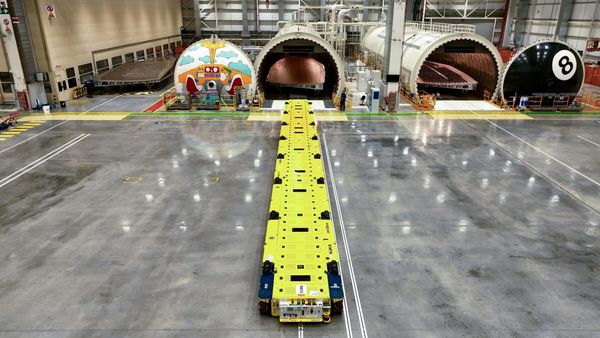
Airbus and Boeing are investing in out-of-autoclave composite technologies to accelerate airframe manufacturing rates for future single-aisle aircraft programs.
NEWS
READ MORE »
Airbus and Boeing Pursue Out-of-Autoclave Composites to Speed Next-Generation Airframe Production
Airbus and Boeing are investing in out-of-autoclave composite technologies to accelerate airframe manufacturing rates for future single-aisle aircraft programs.
NEWS
READ MORE »
 SWISS To Retire Entire A220-100 Fleet Just a Decade After Launch
SWISS will phase out its nine Airbus A220-100 aircraft by the end of 2027, just ten years after introducing the type to its fleet.
NEWS
READ MORE »
SWISS To Retire Entire A220-100 Fleet Just a Decade After Launch
SWISS will phase out its nine Airbus A220-100 aircraft by the end of 2027, just ten years after introducing the type to its fleet.
NEWS
READ MORE »
 Security Breach at Fort Lauderdale Airport: Intruder Found Sleeping on JetBlue A320 in Maintenance Hangar
A man breached security at Fort Lauderdale-Hollywood International Airport and boarded a JetBlue plane, where crews later found him asleep in the lavatory.
NEWS
READ MORE »
Security Breach at Fort Lauderdale Airport: Intruder Found Sleeping on JetBlue A320 in Maintenance Hangar
A man breached security at Fort Lauderdale-Hollywood International Airport and boarded a JetBlue plane, where crews later found him asleep in the lavatory.
NEWS
READ MORE »
More than just headlines.
Get unlimited ad-free access to in-depth aviation news, premium stories, and exclusive insights other sites don't cover.
- Ad-free browsing on AeroXplorer
- Unlimited access to premium and exclusive articles
- Higher photo upload limits & commissions on sales
- Free access to Jetstream Magazine on higher tiers
- Ad-free browsing
- Sell aviation photos with 60% commission
- First week free!
- Everything in Basic+
- Unlimited premium articles
- Sell aviation photos with 70% commission
- Free Digital subscription to Jetstream Magazine
- First week free!
- Everything in Basic+ and Pro
- Sell aviaiton photos with 80% commission
- Early access to exclusive stories
- Free Digital+Print subscription to Jetstream Magazine