
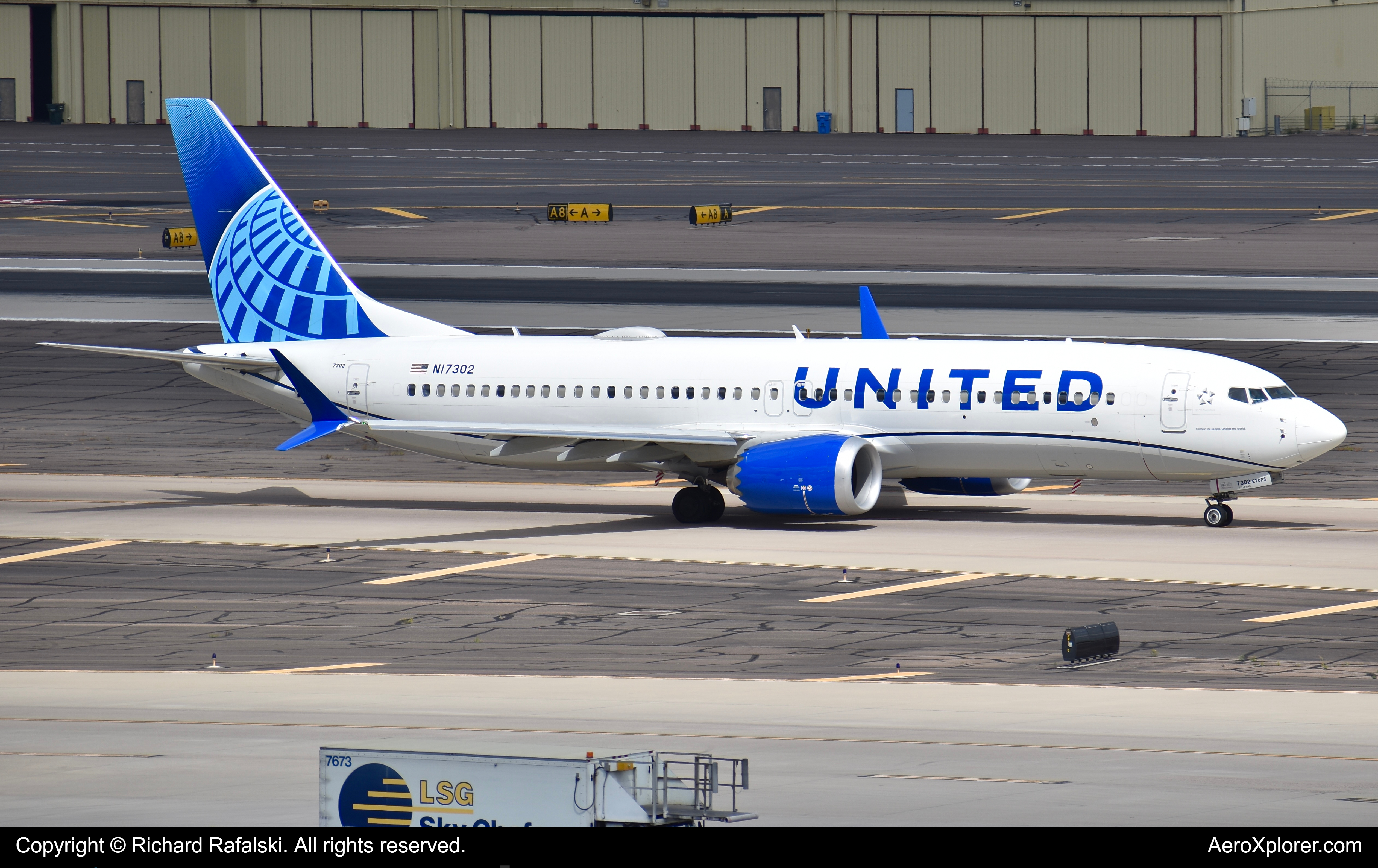

A United Airlines Boeing 737-900 made an unusual and rarely seen landing at Luke Air Force Base in Glendale, Arizona on Monday night, July 21, 2026, after severe storms sweeping through the Phoenix Valley forced the crew to declare a minimum fuel emergency and divert from their intended destination of Phoenix Sky Harbor International Airport. All 154 passengers and six crew members on board landed safely, and United arranged bus transportation to complete the final leg of the journey.

What Happened on the Approach to Phoenix
United flight UA2078 departed Houston George Bush Intercontinental Airport at 8:11 PM local time, running slightly behind schedule. The Boeing 737-900, registered N71411, flew west across Texas and into New Mexico before entering a holding pattern southeast of Phoenix Sky Harbor as violent storms swept through the area. The weather brought heavy rain, strong wind gusts, and hail to the Phoenix Valley – conditions that forced air traffic controllers to significantly reduce the rate of arrivals at Sky Harbor and left incoming flights circling for extended periods.
As the holding pattern stretched on, the flight crew determined their fuel state had dropped to minimum fuel, a formal declaration to air traffic control that the aircraft needs priority handling and cannot sustain further delays. Faced with deteriorating weather over Sky Harbor and insufficient fuel to continue holding, the crew made the decision to divert to the nearest suitable airport.
That airport turned out to be Luke Air Force Base, located approximately 25 miles due west of Phoenix Sky Harbor in Glendale – home to the US Air Force's largest F-35 fighter pilot training operation. Phoenix Goodyear Airport, just a few miles south of Luke, was also considered but the crew informed air traffic control that Goodyear could not accommodate them at the time.
Landing at a Fighter Base
Diverting a commercial airliner to a military installation is an unusual step that requires direct coordination between the flight crew, civilian air traffic controllers, and military authorities before landing clearance can be granted. Luke Air Force Base is not equipped for commercial passenger operations – there is no civilian terminal, no commercial ground handling, and no standard baggage claim. Once on the ground, passengers could not simply walk into a departure lounge.
United worked quickly to arrange alternative transportation. Buses were dispatched from Phoenix Sky Harbor to Luke Air Force Base to collect all 154 passengers and drive them to their original destination, allowing them to complete the journey by road rather than air. All luggage in the cargo hold remained on the aircraft, which was later ferried to Phoenix Sky Harbor under its own power and resumed normal operations with an overnight flight to Newark.
United Airlines confirmed the diversion in a statement, describing the decision to land at Luke as the "safest course of action" given the weather. The airline added:
We're grateful for the support from the Air Force and our teams at Phoenix Sky Harbor for finding a solution for our customers on this flight.

A Second Minimum Fuel Diversion in Two Days
The Phoenix diversion came less than 48 hours after another United Airlines minimum fuel incident. On July 18, United flight UA787 – a red-eye service operated by an Airbus A321neo registered N24508 from Houston to Chicago O'Hare, was forced to divert to Chicago Rockford International Airport after storms disrupted the Chicago area.
The flight departed Houston nearly two hours behind schedule at 10:16 PM and, after reaching approximately 50 miles southwest of O'Hare, the crew declared minimum fuel and diverted to Rockford, 70 miles west of O'Hare. The aircraft sat on the ground in Rockford for approximately two hours before completing the flight to Chicago, arriving at 1:35 AM on July 19.
Two minimum fuel diversions in less than 48 hours will draw attention to United's fuel planning practices. While severe weather is beyond any airline's control, the decision about how much contingency fuel to load at departure – and how aggressively to hold in deteriorating conditions before diverting – falls squarely within airline and crew discretion. The FAA is not known to have opened a formal investigation into either event.
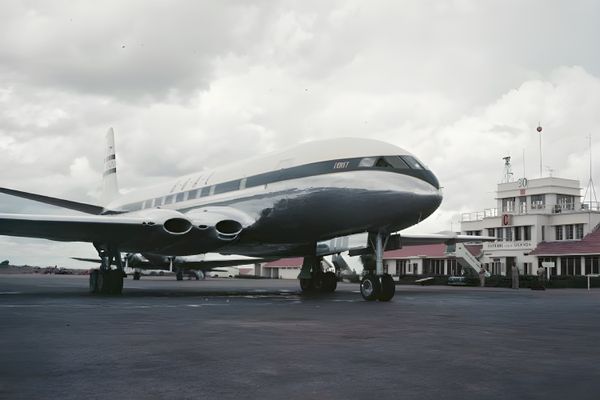
The Shape of Disaster: The Plane That Kept Falling Apart Mid-Air
Why Minimum Fuel Emergencies Happen
Airlines load fuel calculated for the planned route plus regulatory reserves covering a diversion to an alternate airport and a period of holding. When weather forces extended holding beyond those reserves, crews must choose between declaring minimum fuel and diverting, or waiting until the situation becomes critical. Declaring minimum fuel is the correct and conservative call, it triggers priority handling before the situation becomes an emergency, and is precisely what happened on both UA2078 and UA787 this week.
Concorde's Droop-Nose Mechanism: Why It Existed and How It Worked » American Airlines Grapples With Faulty Business Class Seats on New Airbus A321XLR Fleet » Amazon Suspends Cargo Carrier 21 Air After Deadly Miami Runway Crash »

Comments (0)
Add Your Comment
TAGS
NEWS United Airlines Boeing 737-900 Diversion UA2078RECENTLY PUBLISHED
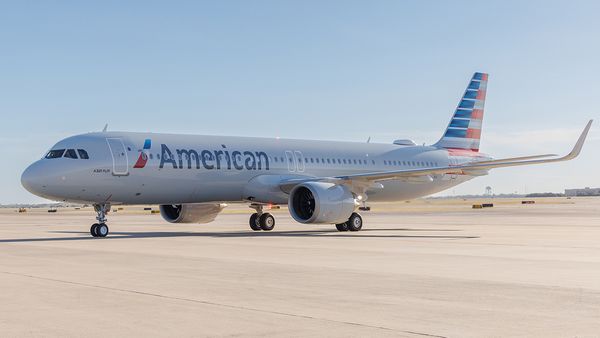 American Airlines Grapples With Faulty Business Class Seats on New Airbus A321XLR Fleet
American Airlines is blocking broken business class suites on its new Airbus A321XLR jets, disrupting premium travelers on transatlantic routes.
NEWS
READ MORE »
American Airlines Grapples With Faulty Business Class Seats on New Airbus A321XLR Fleet
American Airlines is blocking broken business class suites on its new Airbus A321XLR jets, disrupting premium travelers on transatlantic routes.
NEWS
READ MORE »
 NBC NewsChopper 4 Crash in Los Angeles Kills Three, Injures Two While Covering Fatal Bus Collision
An NBC News helicopter crashed in Chatsworth while covering a fatal LA bus collision, killing three and injuring two others in a devastating incident.
NEWS
READ MORE »
NBC NewsChopper 4 Crash in Los Angeles Kills Three, Injures Two While Covering Fatal Bus Collision
An NBC News helicopter crashed in Chatsworth while covering a fatal LA bus collision, killing three and injuring two others in a devastating incident.
NEWS
READ MORE »
 Amazon Suspends Cargo Carrier 21 Air After Deadly Miami Runway Crash
Amazon has halted operations with cargo carrier 21 Air following a Prime Air plane crash near Miami that killed multiple crew members.
NEWS
READ MORE »
Amazon Suspends Cargo Carrier 21 Air After Deadly Miami Runway Crash
Amazon has halted operations with cargo carrier 21 Air following a Prime Air plane crash near Miami that killed multiple crew members.
NEWS
READ MORE »
More than just headlines.
Get unlimited ad-free access to in-depth aviation news, premium stories, and exclusive insights other sites don't cover.
- Ad-free browsing on AeroXplorer
- Unlimited access to premium and exclusive articles
- Higher photo upload limits & commissions on sales
- Free access to Jetstream Magazine on higher tiers
- Ad-free browsing
- Sell aviation photos with 60% commission
- First week free!
- Everything in Basic+
- Unlimited premium articles
- Sell aviation photos with 70% commission
- Free Digital subscription to Jetstream Magazine
- First week free!
- Everything in Basic+ and Pro
- Sell aviaiton photos with 80% commission
- Early access to exclusive stories
- Free Digital+Print subscription to Jetstream Magazine