
Adam Mikulski serves as the General Director at Medical Air Service
When we talk about air ambulance services, people usually focus on the airplane, the medical crew on board, and the urgency of the patient’s condition. What is usually overlooked is the operational side of the process – especially the aspect involving operating an aircraft through one of Europe’s busiest airports with strict slot management policies.
On paper, air ambulances should receive priority handling. In reality, however, the priority is set within a framework of operational rules that consider many factors, including the volume of commercial air traffic, the airport’s capacity, available ATC flow-control measures, curfew restrictions, security measures, and others.
The problem is clearly visible whenever one talks about Southern European airports or major airports elsewhere in Europe, such as Heathrow, Charles de Gaulle, and Zurich. Whenever the summer holiday season approaches, major sporting events take place, or ski season begins, the airport infrastructure becomes very busy.
Under those conditions, a medical flight must fit within a carefully prepared operational environment. Priority handling helps, but it does not remove the operational limitations surrounding the airport itself.
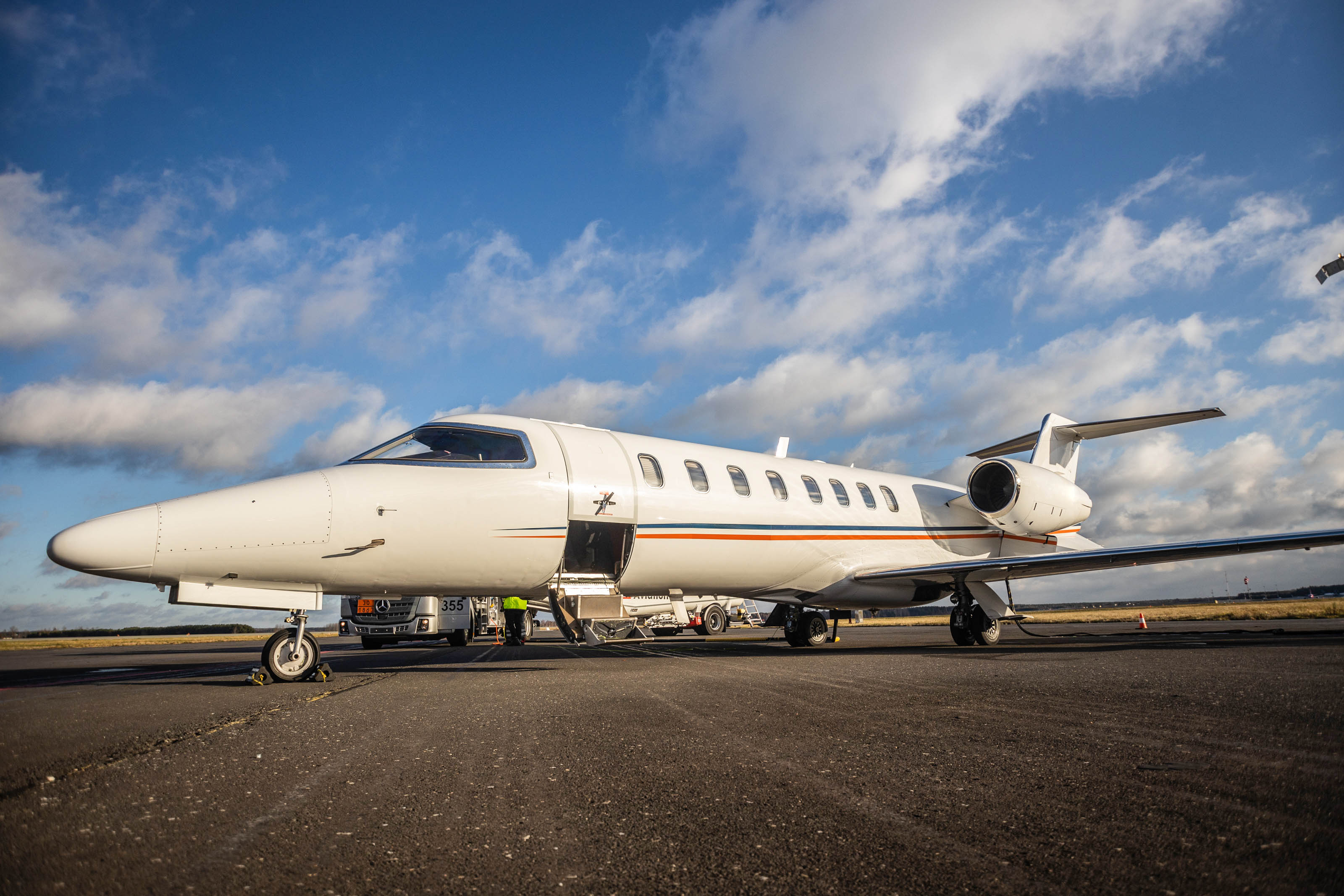
The Priority is an Operational (Not Absolute) Advantage
For starters, the medevac service differs from regular business or private flights in terms of air traffic control and handling. All of the involved parties understand that there are certain issues to keep in mind.
However, this does not give operators any right to ignore the slot coordination system and operational rules. In Europe, all major airports operate under a strict slot coordination policy. The idea is simple: each flight has a specific landing or departure slot based on the airport’s needs to ensure smooth traffic flow.
Even with medical priority, Heathrow or Charles de Gaulle is not going to provide too much slack.
Whenever medevac services are needed for patients, the operational team faces the challenge of integrating this flight into the current traffic flow.
The level of operational flexibility also depends on the nature of the mission itself. An immediate organ transport or critical ICU transfer will generally receive a different level of operational urgency than a planned medical repatriation involving a stable patient.
Take Heathrow Airport as an example. Its infrastructure remains under significant strain during almost all seasons. There is virtually no room for additional flexibility in the current schedule, which makes everything challenging, even for air ambulances.
In some situations, Eurocontrol flow restrictions, weather disruption, or runway limitations may still affect medical flights despite their priority status.
Other busy European airports follow similar operational models. There is priority for medical purposes, but this does not guarantee flexibility.
Southern Europe: Specificities to Consider
Southern Europe is one of the most popular regions for tourists. This means that airports in France, Croatia, Greece, and Spain will see increased load when summer comes.
The problem is that congested airports make the operation even more difficult.
For example, in such circumstances, it may take more time to coordinate the arrival of a ground ambulance. In addition, there might be a shortage of hotel rooms for the crew to stay in until their mission is complete. Stand allocation will be rather tough, too, as there will be little place to park aircraft.
During peak summer periods, parking availability itself can become a major operational problem for medical operators, particularly at airports already struggling with high commercial and private aviation traffic volumes.
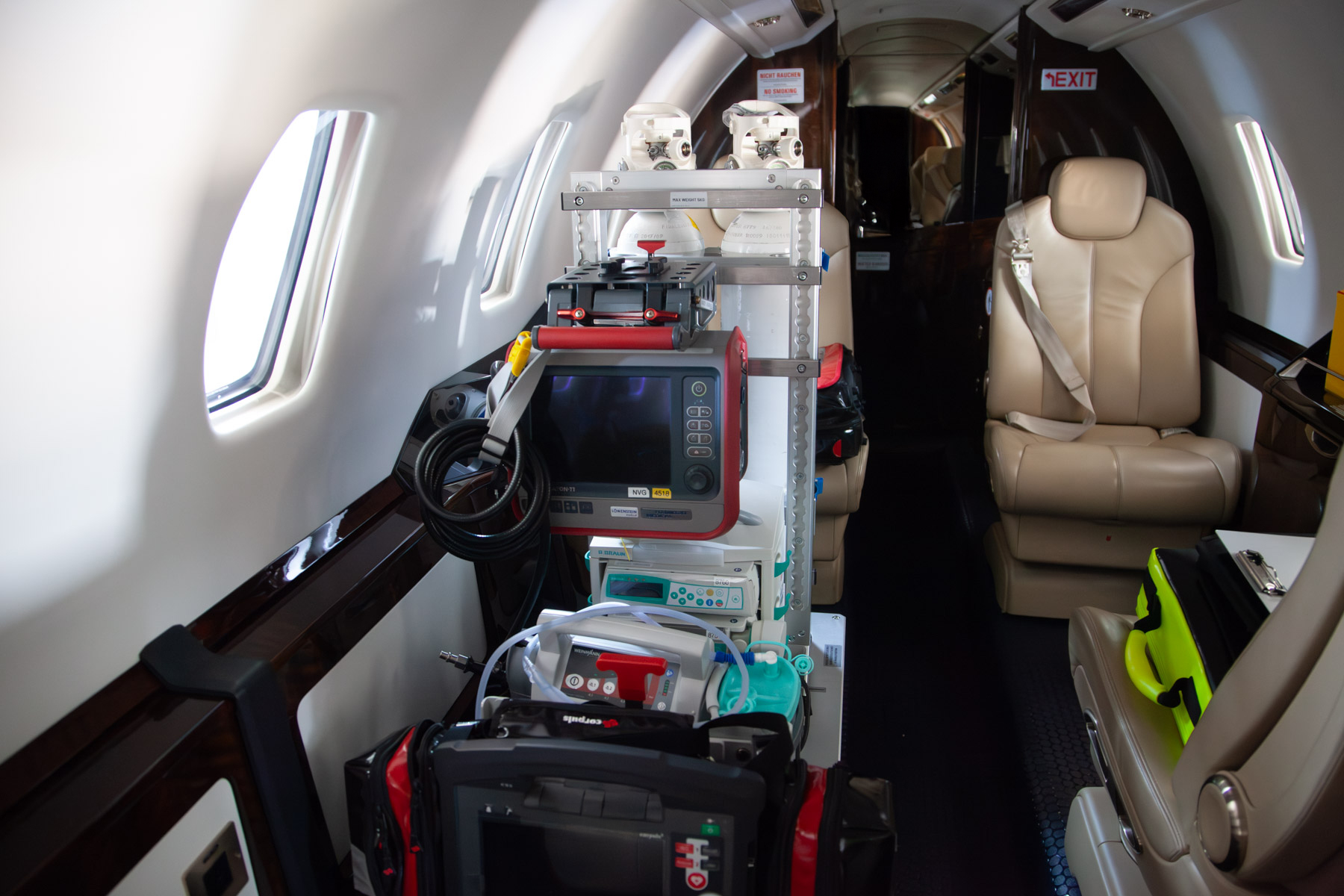
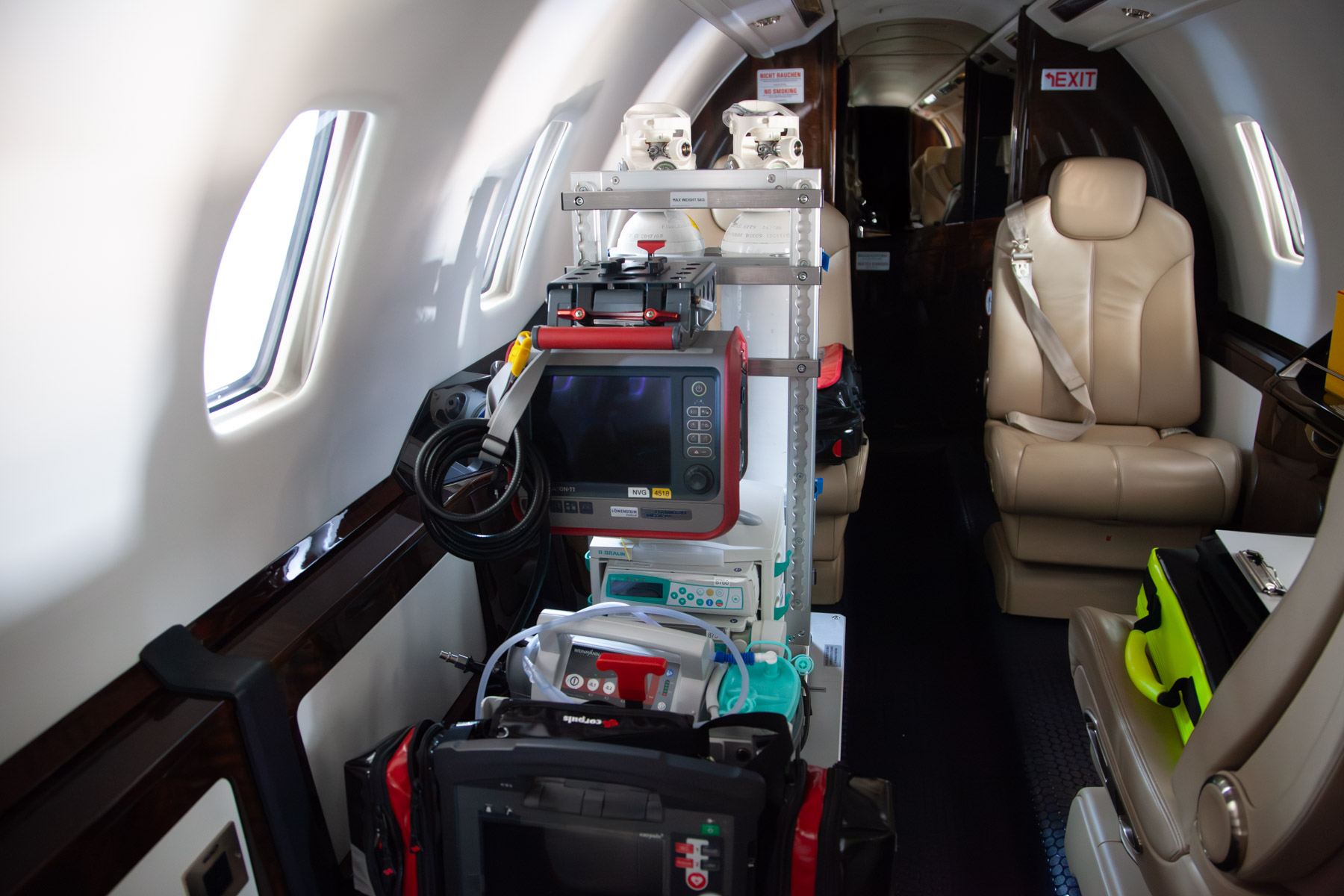
At that, medical flights require much more time for handling. Additional time might be needed to stabilize patients’ health conditions and for medical loading procedures. It may also be necessary to coordinate the arrival of specialists and special medical devices.
With such problems, obtaining a slot becomes a rather secondary matter. The key is to integrate this mission within the existing airport operation in the optimal way.
Ground Handling May Be As Crucial
One of the biggest misconceptions about medevac missions is the belief that air ambulance flights receive special privileges in slot allocation. Sometimes, an ambulance arrives at the airport on time – but the aircraft spends several extra minutes due to ground issues.
At this point, the cooperation of ground-handling teams becomes particularly important. There is a need to coordinate the work of different organizations to expedite patient transfers.
Zurich, Paris Charles de Gaulle, and other European airports require good planning and understanding of ground movements.
Sometimes, a special arrangement allows the distance to the ramp to be shortened. However, it is only possible if everything has been coordinated in advance.
At some airports, direct ambulance-to-aircraft access may be arranged to minimize patient transfer times. However, this requires close coordination between handlers, airport authorities, medical teams, and security personnel before the aircraft even arrives.
In recent years, the time spent on the ground has also become a rather significant factor at busy airports. There is a need to minimize it for commercial flights to speed up the overall process.
What does it mean for medical flights? The operator will have to face additional challenges. It may be impossible to park the plane due to strict time limits imposed by the airport authorities. Sometimes, it might be necessary to use the drop-and-go approach. Repositioning may be required, too.
In some cases, secondary airports may even offer operational advantages over major hubs because they provide greater flexibility for parking, patient handling, and turnaround times.

All this makes the situation rather complicated – especially when it comes to a medevac flight for someone with special needs. A medical team may need extra time to stabilize the patient’s health condition before departure. The same concerns medevac loading, which cannot be sped up.
Established companies like Medical Air Service will play a significant role here, trying to avoid the problem in advance.
Priority Matters, But Preparation is Decisive
The importance of relationships and reputation cannot be underestimated in this situation. All airports and air traffic control teams prefer to work with providers who know their work, understand all operational nuances, and have a solid reputation.
In addition, in the event of irregular operations or congestion, this company must take every possible measure to avoid failure. The bottom line is quite simple: air ambulance operators with inadequate industry experience will face many problems in congested airports.
Operational credibility becomes particularly important during periods of disruption or high seasonal demand, when airport authorities and handlers must make rapid decisions regarding stand allocation, access, and operational flexibility.
In conclusion, there is no question that priority is given to medical flights. Without it, the patient will not be moved in a timely manner. However, some preparation should still be carried out.
Medical aviation is a rather sophisticated sphere because of the specific nature of operations. To successfully perform a medevac mission through a busy airport, it is necessary to prepare the flight carefully. In addition, the medical air provider should be experienced in diverse traffic-heavy airports and understand their peculiarities. Only in this case will it be able to complete the task with ease.
About Medical Air Service
Medical Air Service provides worldwide medical evacuation, medical repatriation, and medical escort services, transporting patients who cannot be treated where they are and transferring them to the required destinations on board fast medical jets or with medical escorts on commercial flights.
Riyadh Airport Closed After Reported Ballistic Missile Strike on Saudia Airbus Jet » Southwest Airlines Becomes First US Carrier to Integrate Flight Booking Into ChatGPT » US Air Force Pulls All 12 B-1B Bombers from RAF Fairford Following Attempted Attack »

Comments (0)
Add Your Comment
TAGS
INFORMATIONAL Medevac Slot Management Flow ATC FlowRECENTLY PUBLISHED
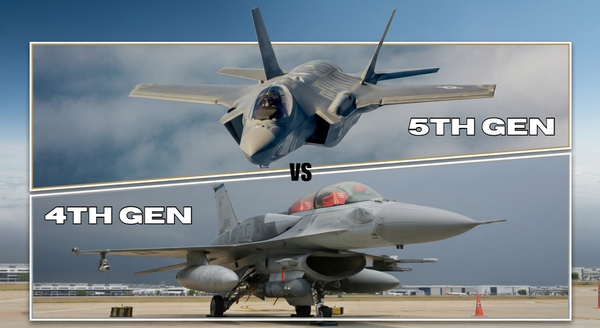 4th vs 5th Generation Fighter Jets: How Fighter Jets Have Evolved
A look at what separates fourth- and fifth-generation fighter jets, from stealth and sensor fusion to combat capability and cost.
INFORMATIONAL
READ MORE »
4th vs 5th Generation Fighter Jets: How Fighter Jets Have Evolved
A look at what separates fourth- and fifth-generation fighter jets, from stealth and sensor fusion to combat capability and cost.
INFORMATIONAL
READ MORE »
 United 777 Diverts to Dublin After Cockpit Windscreen Cracks Over the Atlantic
A United Airlines Boeing 777 bound for Milan made a steep descent and diverted to Dublin after its cockpit windscreen cracked mid-flight.
NEWS
READ MORE »
United 777 Diverts to Dublin After Cockpit Windscreen Cracks Over the Atlantic
A United Airlines Boeing 777 bound for Milan made a steep descent and diverted to Dublin after its cockpit windscreen cracked mid-flight.
NEWS
READ MORE »
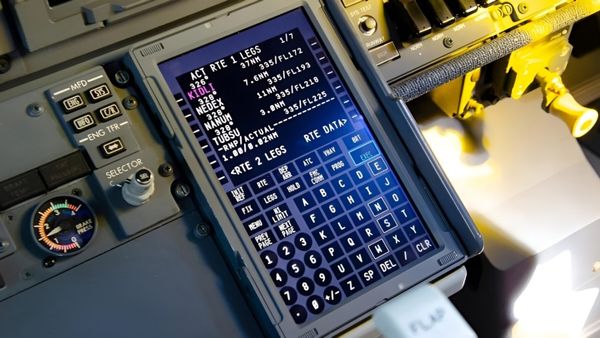 Boeing's Touchscreen Flight Controls for 737 Draw Sharp Criticism from Pilots
Boeing's plan to introduce Touchscreen Control Display Units on the 737 has sparked backlash from pilots who warn of safety and usability concerns.
NEWS
READ MORE »
Boeing's Touchscreen Flight Controls for 737 Draw Sharp Criticism from Pilots
Boeing's plan to introduce Touchscreen Control Display Units on the 737 has sparked backlash from pilots who warn of safety and usability concerns.
NEWS
READ MORE »
More than just headlines.
Get unlimited ad-free access to in-depth aviation news, premium stories, and exclusive insights other sites don't cover.
- Ad-free browsing on AeroXplorer
- Unlimited access to premium and exclusive articles
- Higher photo upload limits & commissions on sales
- Free access to Jetstream Magazine on higher tiers
- Ad-free browsing
- Sell aviation photos with 60% commission
- First week free!
- Everything in Basic+
- Unlimited premium articles
- Sell aviation photos with 70% commission
- Free Digital subscription to Jetstream Magazine
- First week free!
- Everything in Basic+ and Pro
- Sell aviaiton photos with 80% commission
- Early access to exclusive stories
- Free Digital+Print subscription to Jetstream Magazine