
Join us virtually next week. Free to attend • Seats are limited.
In the cockpit of an airliner, certain situations force pilots to make split-second decisions that often-times mean the difference between a safe flight and disaster. The ever increasing pressure to push for more flights and higher efficiency in the commercial aviation industry promote pilot fatigue and threaten aviation safety.
How can these issues be improved upon so that the skies are safer for all of us?

Understanding The Situation
The world is currently in the midst of a global pilot shortage due to a multitude of reasons depending on the region of the world you are in. With the current shortage of pilots, many airlines are attempting to maximize their efficiency by operating as many flights as possible.
This, combined with the resurgence of passenger demand following the COVID-19 pandemic, has led to pilots operating more flights than they are accustomed to in the same eight to ten hour workday.
What is causing pilot fatigue?
Aviation regulations around the world only permit pilots to work a certain number of hours a day, typically eight or 10, and a maximum number of hours per month.
However, these regulations mention nothing prohibiting airlines from scheduling shorter flights and turn around times on the ground so that their pilots operate more flights. While this is beneficial to the airline, it has an adverse effect on pilots.
For example, in the United States, a regional airline pilot will fly five or six flights per day with each flight lasting 45 minutes to an hour. Meanwhile, a mainline pilot working for Delta or United Airlines, will fly two to four flight segments in that same eight hour period.
Compounding this are pilot rest periods in-between flying days. Pilot rest periods between flying days, while technically obeying the minimum rest period set by regulators, are often-times shorter for regional airline pilots.
This is due to the time pilots spend during their rest periods commuting between the airport and hotel, eating, and taking care of themselves before heading to bed. In the morning, pilots also need to get to the airport a few hours before flying to prepare for the first flight of the day. So a 10 hour rest period may in reality only contain six or seven hours of actual sleep (rest).
It can be inferred from this that pilots who operate shorter flights, or those who work for budget carriers with shorter turn-around and flight times, experience higher levels of fatigue.
On top of this, regional airline pilots have to perform more takeoffs and landings, more walk-arounds, and more hand-flying as compared to other pilots in other segments of the aviation industry. These operations often-times bring on more fatigue.
In a 2023 survey, the European Cockpit Association (ECA) recorded that 53.2% of pilots “...think that fatigue risk is not well managed in their airline…”
A Longstanding Issue
The issue of pilot fatigue is not new to the aviation industry, with legislation in the United States going as far back as 1985 mandating limits on pilot working hours and rest requirements.
The Air Line Pilots Association (ALPA), the largest pilot union in North America, has been fighting since 1934 to help bring down pilot fatigue and leverage more manageable working hours for its members.

The Effects of Increased Fatigue on Pilots
A common side effect of insufficient or poor rest (sleep) with pilots is a phenomenon known as microsleep, and it is exactly how it sounds. Micro-sleep is essentially a short period of sleep, typically lasting less than 15 seconds.
This phenomenon is a direct result of pilot fatigue and tiredness. During microsleep, the brain “...disengages from the environment (it stops processing visual information and sounds) and slips uncontrollably into light non-REM sleep. Micro-sleeps are a sign of extreme physiological sleepiness”
Pilot fatigue also results in slower reaction times in the cockpit, leading to increased risk of something going wrong in the skies. This endangers not only passengers, but pilots and flight crews alike.
In January of 2024, both the pilots of Batik Air flight 763 fell asleep for nearly 30 minutes on a flight in Indonesia, with both the captain and first officer voicing that they were fatigued and even taking turns napping during the flight.
In another survey conducted by the European Cockpit Association, three out of four pilots have experienced at least one micro-sleep, with one out of those four pilots experiencing five or more micro-sleeps within a four week period - an alarming statistic to say the least.
Compounding this, pilot fatigue has also been shown to negatively impact pilot’s mental health, with studies showing that pilots who are fatigued often experience signs of depression, and anger issues.
When it comes time for mental and physical health screenings to renew their medical certificates, pilots who exhibit these behaviors can often-times mean the difference between keeping and losing their abilities to fly.
How are airlines and organizations addressing pilot fatigue today?
In the United States, the Federal Aviation Administration (FAA) requires pilots to report fatigue to the airline they work for, and that pilots who report fatigue are not punished for doing so.
A similar system is in place in Europe with EASA as well. If an airline were to fire a pilot after calling in fatigued (and thus not flying), this would violate aviation regulations and pilots could report the airline to aviation regulators.
Many programs across the world exist to help study and develop solutions for pilot fatigue. The Flight Operations Quality Assurance program (FOQA), run by the Federal Aviation Administration (FAA) in the U.S., collects and analyzes data on pilot fatigue and other metrics in order to develop better strategies and procedures for pilots to use to increase safety and reduce tiredness in the skies.
Other systems, such as the Sleep, Activity Fatigue, and Task Effectiveness (SAFTE) model exist to help airlines and pilots predict what fatigue levels pilots will experience based on their lifestyles.
Several academic studies have validated this model, which is already being put to use at some airlines across the world.
So the next time you’re flying, and your flight gets canceled, or has to be delayed due to crew change, now you know why it is so important for pilots to not be fatigued in the skies.
The Hidden Technology Moving Today’s Aircraft: Inside UMBRAGROUP » Lufthansa Cuts Profit Outlook as Jet Fuel Costs Squeeze Airline Sector » Joby Aviation Opens Texas Facility to Prepare for Dallas-Fort Worth Air Taxi Service »

Comments (1)
 Magnus Attefall @ CTT Systems
[hidden]
Magnus Attefall @ CTT Systems
[hidden]
Add Your Comment
TAGS
INFORMATIONAL pilot fatigue tiredness pilot co-pilot captain first officer airlines europe asia north america safety faa easa aviation safetyRECENTLY PUBLISHED
 Solairus Moves to Acquire Clay Lacy Charter Business, Forming a 500-Aircraft Management Powerhouse
Solairus Aviation's acquisition of Clay Lacy's charter management operation creates one of the largest managed fleets in U.S. business aviation.
NEWS
READ MORE »
Solairus Moves to Acquire Clay Lacy Charter Business, Forming a 500-Aircraft Management Powerhouse
Solairus Aviation's acquisition of Clay Lacy's charter management operation creates one of the largest managed fleets in U.S. business aviation.
NEWS
READ MORE »
 Joby Aviation Opens Texas Facility to Prepare for Dallas-Fort Worth Air Taxi Service
Joby Aviation has established a new Texas base to support planned electric air taxi operations across the Dallas-Fort Worth region.
NEWS
READ MORE »
Joby Aviation Opens Texas Facility to Prepare for Dallas-Fort Worth Air Taxi Service
Joby Aviation has established a new Texas base to support planned electric air taxi operations across the Dallas-Fort Worth region.
NEWS
READ MORE »
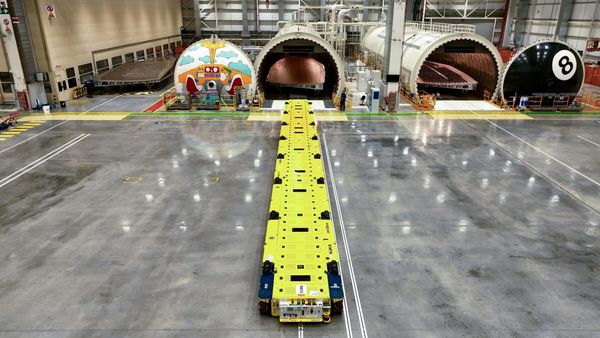 Airbus and Boeing Pursue Out-of-Autoclave Composites to Speed Next-Generation Airframe Production
Airbus and Boeing are investing in out-of-autoclave composite technologies to accelerate airframe manufacturing rates for future single-aisle aircraft programs.
NEWS
READ MORE »
Airbus and Boeing Pursue Out-of-Autoclave Composites to Speed Next-Generation Airframe Production
Airbus and Boeing are investing in out-of-autoclave composite technologies to accelerate airframe manufacturing rates for future single-aisle aircraft programs.
NEWS
READ MORE »
More than just headlines.
Get unlimited ad-free access to in-depth aviation news, premium stories, and exclusive insights other sites don't cover.
- Ad-free browsing on AeroXplorer
- Unlimited access to premium and exclusive articles
- Higher photo upload limits & commissions on sales
- Free access to Jetstream Magazine on higher tiers
- Ad-free browsing
- Sell aviation photos with 60% commission
- First week free!
- Everything in Basic+
- Unlimited premium articles
- Sell aviation photos with 70% commission
- Free Digital subscription to Jetstream Magazine
- First week free!
- Everything in Basic+ and Pro
- Sell aviaiton photos with 80% commission
- Early access to exclusive stories
- Free Digital+Print subscription to Jetstream Magazine