
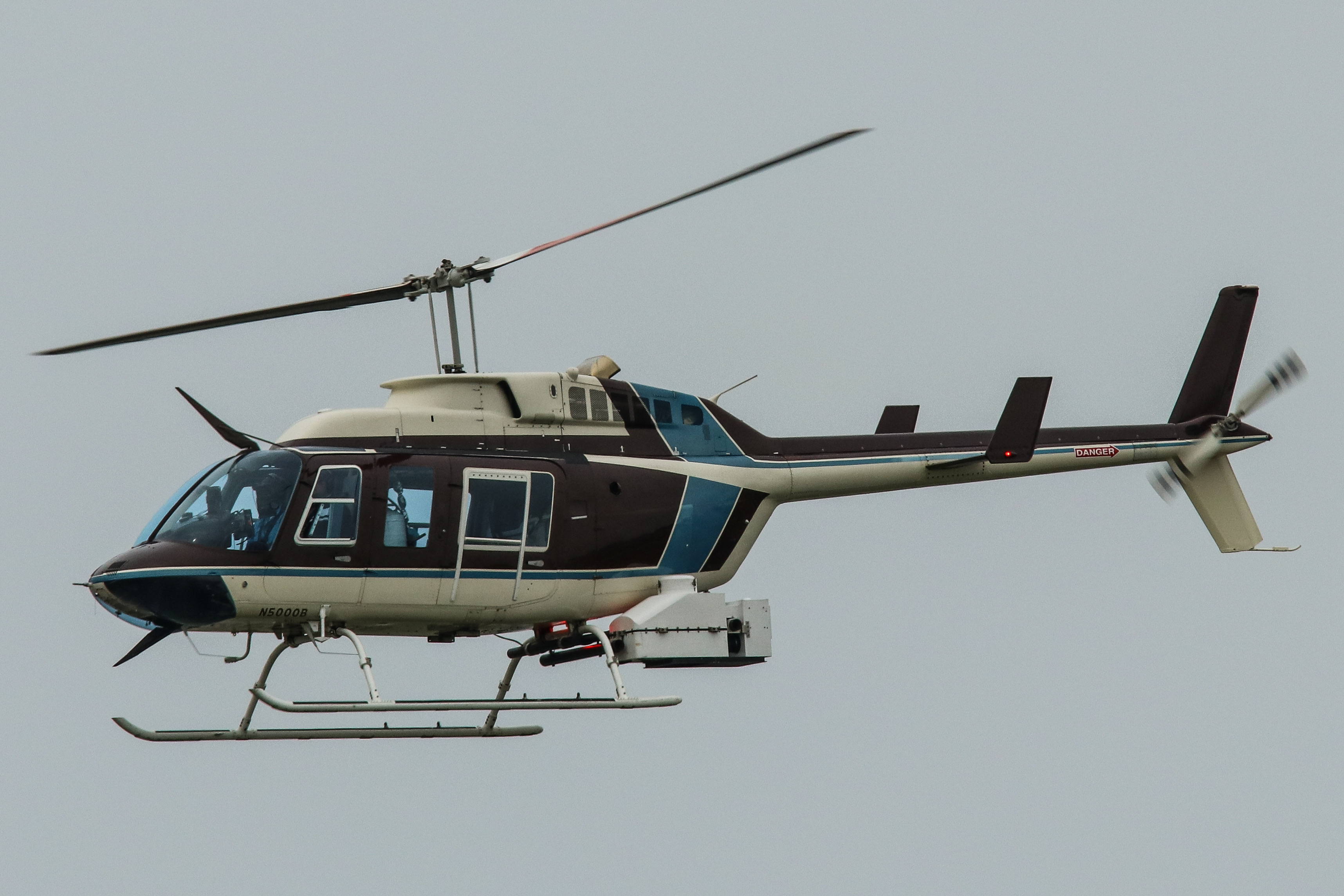

Federal investigators have found physical evidence of a bird strike on the wreckage of a sightseeing helicopter that crashed into the Hudson River last year, killing all six people on board.
The National Transportation Safety Board disclosed the finding in an investigative update released this week. Examiners recovered feathers and biological material from the main rotor system of the Bell 206L-4 LongRanger IV, which broke apart in flight on April 10, 2025.
DNA analysis identified the remains as those of a migratory bird. According to the NTSB, the evidence points to a probable collision with a goose in the moments before the aircraft lost its main rotor blades and tail boom over the river.

What happened on the flight
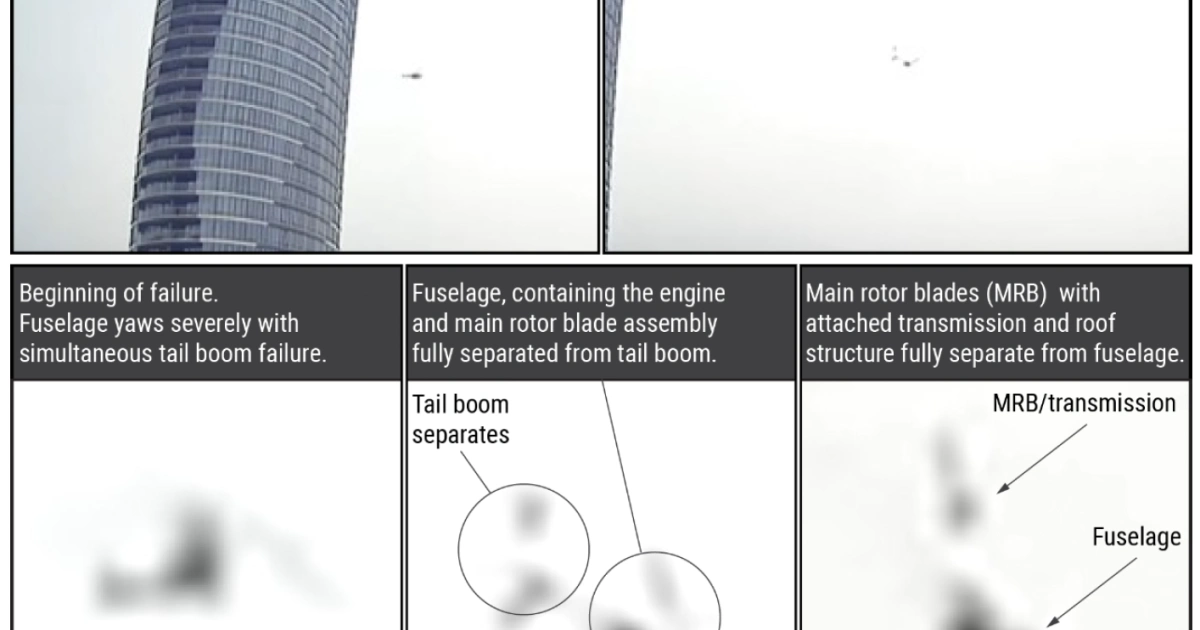
The helicopter, operated by New York Helicopter Charter, took off from the Downtown Manhattan Heliport for a tour along the Hudson. Witnesses on both the New York and New Jersey sides of the river reported hearing a loud bang before seeing parts of the aircraft separate in midair.
The main fuselage struck the water near Jersey City upside down. First responders recovered the pilot and five passengers, a family of tourists visiting from Spain. None survived.
The victims included a Siemens executive, his wife, and their three children, along with the pilot, who held a commercial rotorcraft rating.
Investigators focus on rotor separation
The NTSB's preliminary findings indicated that the main rotor blades separated from the aircraft during flight. The tail boom was later recovered from a rooftop in Manhattan, well away from the crash site, suggesting a catastrophic in-flight breakup.
Investigators have not yet issued a probable cause. The bird strike evidence adds a new dimension to the inquiry, though the agency stopped short of naming it as the trigger for the breakup. The final report is expected to take additional months to complete.
Bird strikes on helicopters are relatively uncommon compared with fixed-wing aircraft, but they can be severe when they occur. A collision with a large bird such as a Canada goose, which can weigh up to 14 pounds, can potentially damage rotor components or windshields at cruise speeds.
The Cockpit’s Next Revolution: When the Co-Pilot Is a Computer
Operator shut down after the crash
New York Helicopter Charter ceased operations shortly after the accident. The Federal Aviation Administration ordered the company to stop flying, citing safety concerns raised during a post-crash review.
Records reviewed by investigators showed the specific aircraft involved had a service history that included previous maintenance issues; however, the NTSB has not directly linked those records to the April crash.
The company operated tourist flights along the Manhattan skyline and Hudson River corridor, one of the busiest low-altitude flight paths in the country.
Renewed scrutiny of Manhattan tour flights
The crash reignited debate over the safety of sightseeing helicopter operations around New York City. Local officials, including members of the New York City Council and New Jersey lawmakers, have called for tighter restrictions or an outright ban on non-essential tour flights over densely populated areas.
The Downtown Manhattan Heliport, where the flight originated, has been the subject of longstanding complaints about noise and safety. The city has previously reduced the number of tourist flights permitted from that location, but full restrictions have faced pushback from operators and aviation industry groups.
The FAA regulates helicopter tour operations under Part 91 and Part 136 rules, which set standards for maintenance, pilot qualifications, and passenger briefings. Critics argue those standards fall short of the requirements for scheduled commercial flights.
Bird strike risk in the Hudson corridor
The Hudson River corridor sits along the Atlantic Flyway, a major migratory route used by waterfowl including geese, ducks, and gulls. Bird activity in the area has drawn attention before, most notably in the January 2009 ditching of US Airways Flight 1549, when Captain Chesley Sullenberger landed an Airbus A320 on the Hudson after both engines ingested Canada geese.
That incident prompted expanded wildlife management programs around New York area airports, though those measures focus primarily on airport perimeters rather than the broader river corridor used by helicopter tours.
According to FAA data, wildlife strikes involving civil aircraft in the United States have risen steadily over the past two decades, with more than 19,000 reported incidents in 2023. The vast majority cause no damage, but a small fraction result in significant harm to aircraft or occupants.
What comes next
The NTSB typically issues a final accident report between 12 and 24 months after a crash. Investigators will continue examining recovered components, maintenance records, and flight data as they work toward a probable cause determination.
Families of the victims have filed lawsuits against the operator and the helicopter's manufacturer. Those cases remain pending in state and federal courts.

Only Way Out: Private Aviation in a Region at War
SMBC Aviation Capital Places Major 100-Jet Order for Boeing 737 MAX Fleet » SMBC Orders 100 Airbus Aircraft Just Hours After Similar Boeing Deal » Qatar Airways Sued Over Passenger Death Linked to Allergen Exposure on Doha Flight »

Comments (0)
Add Your Comment
TAGS
NEWS Helicopter Crash NTSB New York Hudson RiverRECENTLY PUBLISHED
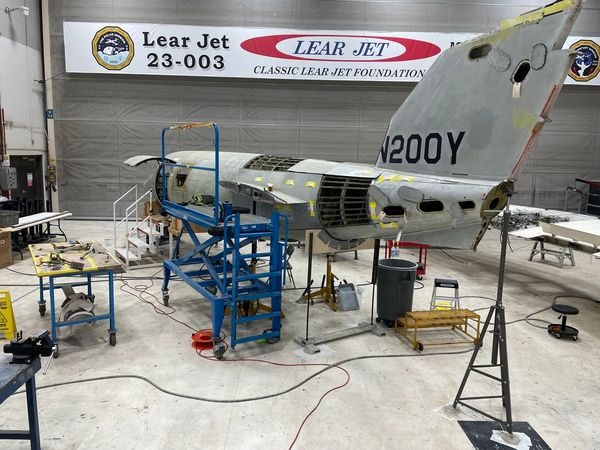 Inside the Volunteer Effort to Fly the First Lear Jet Again
A Wichita nonprofit is restoring the first Lear Jet ever built to flying condition. Meet the volunteers bringing 23-003 back to life, decades after it first flew.
STORIES
READ MORE »
Inside the Volunteer Effort to Fly the First Lear Jet Again
A Wichita nonprofit is restoring the first Lear Jet ever built to flying condition. Meet the volunteers bringing 23-003 back to life, decades after it first flew.
STORIES
READ MORE »
 No, Halon Fire Extinguishers Aren't Illegal in Aviation
Many pilots believe halon fire extinguishers were banned. They weren't. Here's what the Montreal Protocol actually changed, and why halon still leads in aviation.
NEWS
READ MORE »
No, Halon Fire Extinguishers Aren't Illegal in Aviation
Many pilots believe halon fire extinguishers were banned. They weren't. Here's what the Montreal Protocol actually changed, and why halon still leads in aviation.
NEWS
READ MORE »
 US House Bill Seeks to Reopen Review of Chinese Ownership of Cirrus Aircraft
A new US House bill aims to reopen the national security review of Cirrus Aircraft's Chinese ownership, citing concerns over technology transfer risks.
NEWS
READ MORE »
US House Bill Seeks to Reopen Review of Chinese Ownership of Cirrus Aircraft
A new US House bill aims to reopen the national security review of Cirrus Aircraft's Chinese ownership, citing concerns over technology transfer risks.
NEWS
READ MORE »
More than just headlines.
Get unlimited ad-free access to in-depth aviation news, premium stories, and exclusive insights other sites don't cover.
- Ad-free browsing on AeroXplorer
- Unlimited access to premium and exclusive articles
- Higher photo upload limits & commissions on sales
- Free access to Jetstream Magazine on higher tiers
- Ad-free browsing
- Sell aviation photos with 60% commission
- First week free!
- Everything in Basic+
- Unlimited premium articles
- Sell aviation photos with 70% commission
- Free Digital subscription to Jetstream Magazine
- First week free!
- Everything in Basic+ and Pro
- Sell aviaiton photos with 80% commission
- Early access to exclusive stories
- Free Digital+Print subscription to Jetstream Magazine