
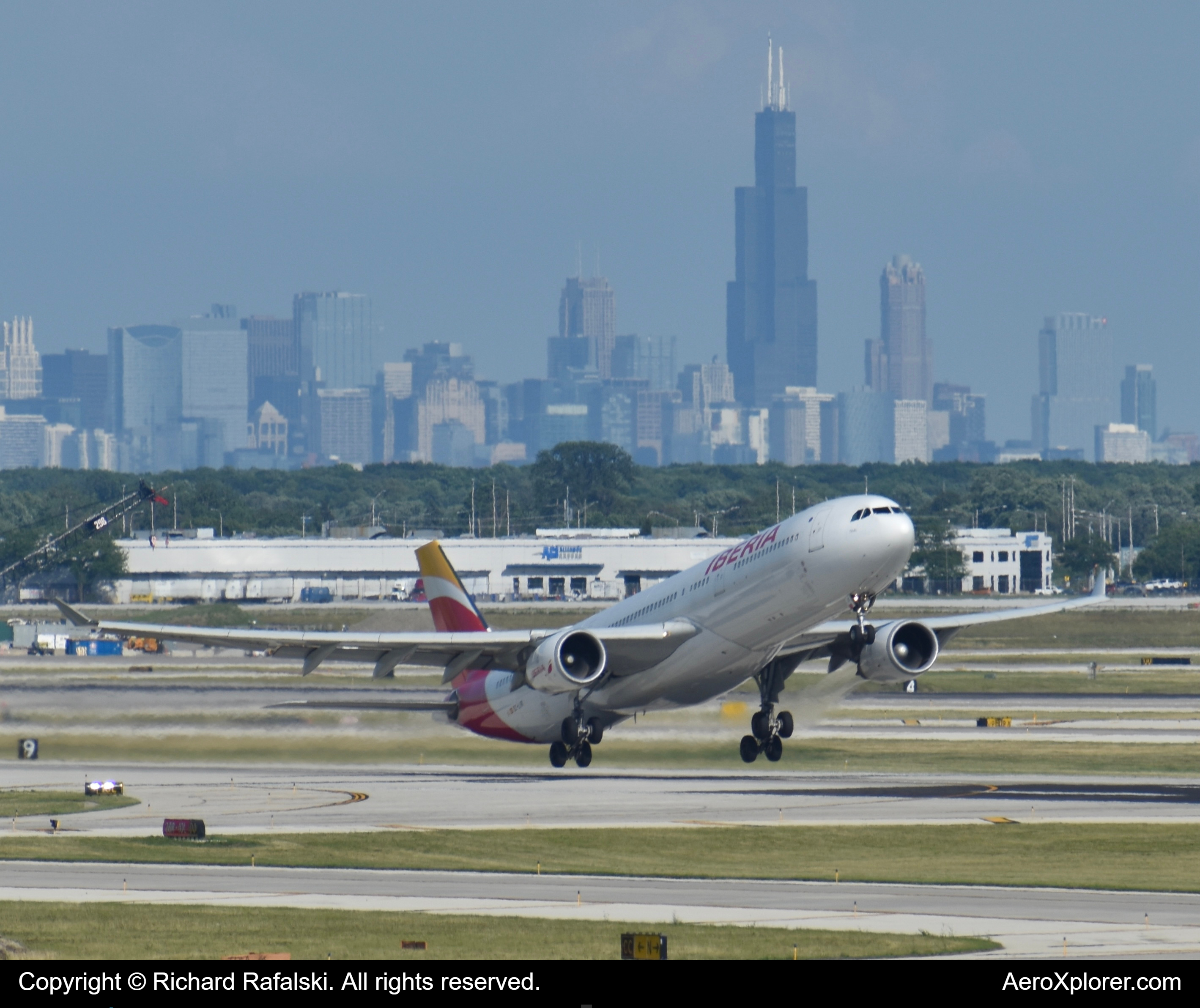

Becoming a pilot is an ambitious goal that many people desire to achieve in their lifetime. Whether you want to simply become a small airplane pilot or take it all the way to the commercial airlines, the journey to get there requires a lot of work and a lot of practice to perfect the skills needed to fly an airplane both professionally and safely. But just how much does it cost to do all of this?
Well,, it all depends on what you want to do and how you want to get there. In this article, the costs of becoming a pilot will be discussed under the pricing of a simple Part 61 training school, except when it is clearly stated that a Part 141 school would be the better option.
To put it plainly, a Part 61 flight training school is a "pay as you go, do what you want" training environment, where the instructor and student simply choose what they want to do for that particular day. Once everything required is checked off, the student is sent off to their FAA check ride.

Recreational/Private Pilots
Becoming a private pilot is the first step in any future pilot's endeavors, and it gives you the ability to not only fly a plane by yourself but take others up with you on flights where you all share the same purpose of going out to fly.
Training for a private pilot certificate is usually the most inexpensive rating in the entire scheme of things, as it doesn't necessarily take a lot of time to complete the required hours as set by the FAA (most students get their PPL with about 60 hours of flying time).
On average, it costs anywhere between $14,000 and $20,000 to get this initial rating, depending on how fast you learn and how many hours you accumulate to satisfy the instructor to sign you off. This includes required and optional equipment such as a headset, navigational charts, books, and the cost of taking the written exam.
Commercial (Contract/Charter) Pilots
Becoming a commercial pilot involves getting two new ratings allowing you to fly for hire and make money from it. Obviously, you have your commercial rating, but to fly more than 50 miles from home base on a flight for hire, you also need an instrument rating, which is an entirely different training course from commercial.
And as always, you must get your PPL first, so combining the costs of these 3 ratings under a part 61 school, you're looking at about $45,000 to $50,000 total. Beyond here (and I have this covered in the next section) is about the furthest I recommend going with Part 61 training schools.
This is because their non-structured training courses can rack up unnecessary amounts of extra money if you are trying to pursue ratings beyond a simple commercial license for charter and contract work.
Commercial (Major Airline) Pilots
To become a commercial airline pilot, you need everything that we have covered in the last two sections, plus a multi-engine rating and an airline transport pilot rating (ATP).
As it sounds, they allow you to fly multi-engine aircraft and fly as a pilot transporting large groups of people in an airline environment. Plus, you'll need a way to build hours up to the FAA requirements of 1,500 flight hours. Usually most people seeking this will become a flight instructor, which is an additional rating requiring more money.

Suppose your goal is to become an airline pilot and you want to do it quickly. In that case, there is a separate training style apart from part 61 that is more structured, faster paced, and sometimes approved for lower hours minimums below 1,500 if tied into attending a university that is qualified for a restricted ATP.
That is a Part 141 flight training school, and the costs of it (while quite large) can be lower than a Part 61 school because you follow a strict syllabus that completes everything you need in the shortest amount of time possible.
I am going through a Part 141 training syllabus to become an airline pilot, and the base program rate from private through commercial ATP (including flight instructor ratings) is $110,000.
Military Pilots
This one is a bit of a niche market, but I still believe it should be covered. While you aren't necessarily going to pay for anything becoming a military pilot, you will owe them a large time commitment.
The minimum contract duration for a military pilot is 10 years, which only begins after you complete the necessary training. To become a military pilot, you must become an officer, which is a whole endeavor in itself.

Summary
All in all, you are investing a serious amount of money (or time if going the military route) to become a pilot. The costs can add up quickly, and my best piece of advice to anyone interested in doing this is to make sure it's something that you want to do, and will enjoy what comes out of the thousands of dollars spent on it.
Perhaps take a discovery flight and ensure you are comfortable with the environment of small training aircraft and can comfortably spend multiple hours a day training in them, along with being able to handle the general motion involved with flying. But if you do enjoy it and you are serious about the commitment, the rewards are undoubtedly satisfying.
American Airlines Grapples With Faulty Business Class Seats on New Airbus A321XLR Fleet » Amazon Suspends Cargo Carrier 21 Air After Deadly Miami Runway Crash » Delta Air Lines Moves to Claim Top Spot at LAX With New Routes and Expanded Schedule »

Comments (0)
Add Your Comment
TAGS
INFORMATIONAL CostPilotFlight TrainingFlight training costsflight trainingpilot costs military military pilots military officer commercial pilots airline pilotsRECENTLY PUBLISHED
 One-Millisecond Software Defect Identified as Cause of UK Air Traffic Control Collapse That Grounded Thousands of Flights
A new NATS report reveals a one-millisecond software defect triggered the UK air traffic control failure, causing thousands of cancellations.
NEWS
READ MORE »
One-Millisecond Software Defect Identified as Cause of UK Air Traffic Control Collapse That Grounded Thousands of Flights
A new NATS report reveals a one-millisecond software defect triggered the UK air traffic control failure, causing thousands of cancellations.
NEWS
READ MORE »
 AirAsia Pushes Back on Collapse Rumors as Fuel Costs Squeeze Budget Airline
AirAsia CEO Tony Fernandes denies the airline faces collapse, saying travel demand stays strong despite rising jet fuel prices pressuring margins.
NEWS
READ MORE »
AirAsia Pushes Back on Collapse Rumors as Fuel Costs Squeeze Budget Airline
AirAsia CEO Tony Fernandes denies the airline faces collapse, saying travel demand stays strong despite rising jet fuel prices pressuring margins.
NEWS
READ MORE »
 Delta Air Lines Moves to Claim Top Spot at LAX With New Routes and Expanded Schedule
Delta Air Lines plans its largest-ever schedule at Los Angeles International Airport, adding routes and premium seating to overtake rivals.
NEWS
READ MORE »
Delta Air Lines Moves to Claim Top Spot at LAX With New Routes and Expanded Schedule
Delta Air Lines plans its largest-ever schedule at Los Angeles International Airport, adding routes and premium seating to overtake rivals.
NEWS
READ MORE »
More than just headlines.
Get unlimited ad-free access to in-depth aviation news, premium stories, and exclusive insights other sites don't cover.
- Ad-free browsing on AeroXplorer
- Unlimited access to premium and exclusive articles
- Higher photo upload limits & commissions on sales
- Free access to Jetstream Magazine on higher tiers
- Ad-free browsing
- Sell aviation photos with 60% commission
- First week free!
- Everything in Basic+
- Unlimited premium articles
- Sell aviation photos with 70% commission
- Free Digital subscription to Jetstream Magazine
- First week free!
- Everything in Basic+ and Pro
- Sell aviaiton photos with 80% commission
- Early access to exclusive stories
- Free Digital+Print subscription to Jetstream Magazine