Join us virtually next week. Free to attend • Seats are limited.
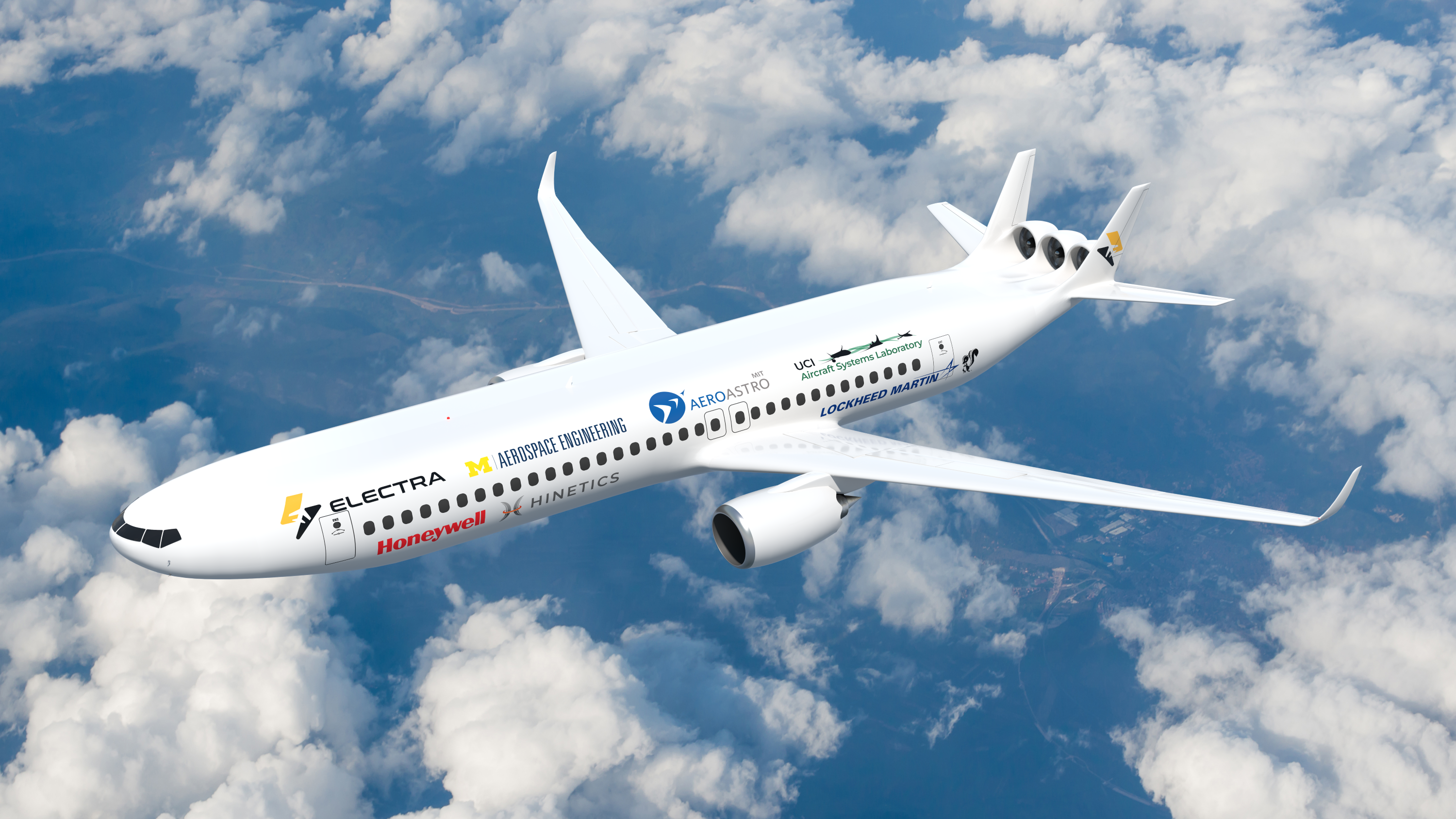
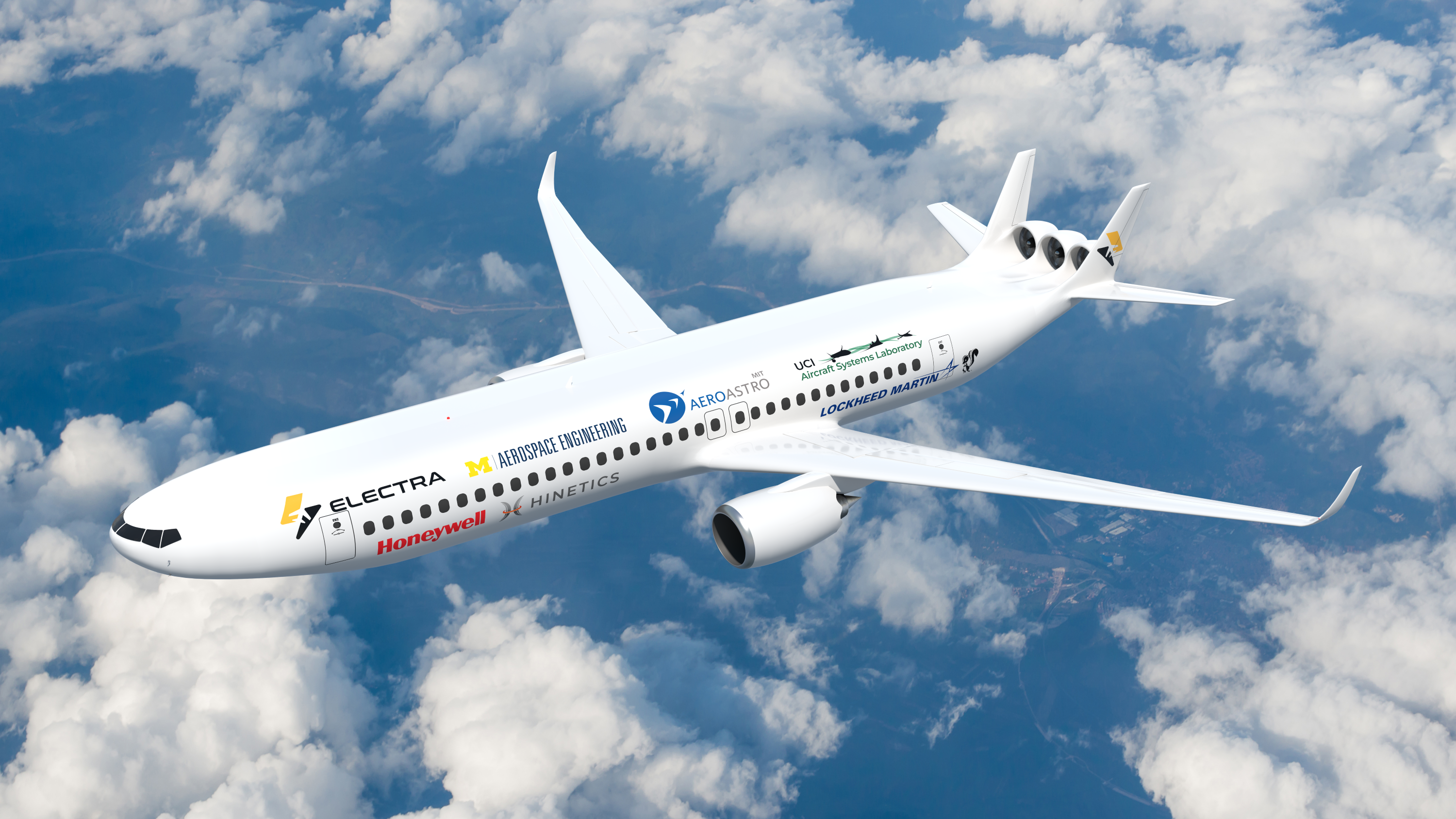
Electra has pulled the wraps off a turbo-electric airliner concept designed to carry around 100 passengers on regional routes, marking the Virginia-based company's first move beyond the small ultra-short takeoff and landing aircraft that built its reputation. The design forms part of its contribution to NASA's Advanced Aircraft Concepts for Environmental Sustainability (AACES) 2050 program, which is exploring what commercial flight could look like by mid-century.
What Electra unveiled
The concept aircraft uses a turbo-electric propulsion system, meaning a gas turbine generates electricity that powers distributed electric motors driving the propellers. Unlike a battery-electric airplane, the energy source remains jet fuel or a sustainable alternative, but the electrical architecture allows engineers to place propulsors wherever they deliver the most aerodynamic benefit.
Electra's design distributes propellers across the wing's leading edge, a technique known as blown lift. By accelerating air over the wing during takeoff and landing, the airplane generates additional lift at lower speeds. That lets the aircraft use shorter runways and climb more steeply, which in turn reduces noise footprints around airports.
The company says the aircraft is sized for roughly 100 seats and is aimed at regional missions, the segment currently served by aging turboprops and small regional jets. Electra has not announced a development timeline for a production version, since the concept exists primarily to feed NASA's research effort.
How AACES 2050 fits in
NASA launched the AACES 2050 initiative to gather independent studies from industry and academia on aircraft, propulsion systems, and operational concepts that could enter service around 2050. The agency awarded contracts to multiple teams, asking each to identify technologies capable of cutting fuel burn, emissions, and noise while remaining commercially viable.
Electra is one of the awardees, alongside larger established manufacturers and research groups. The study work is meant to inform NASA's own research priorities, helping the agency decide which technologies deserve deeper investment over the next decade. In other words, the concept is a research artifact rather than a product announcement.
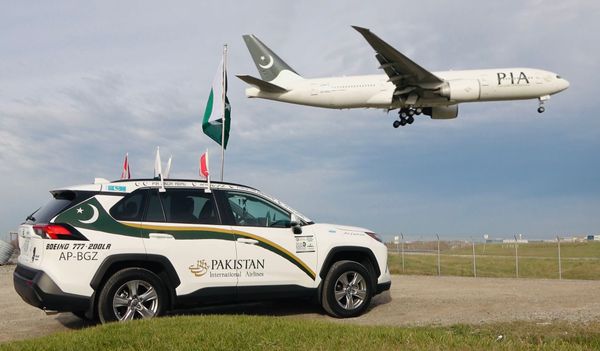
A 777 on Four Wheels? Inside One Superfan’s Mission to Celebrate His Favorite Airline
Why turbo-electric, and why now
Battery technology remains the main obstacle to fully electric airliners. Current lithium-ion cells store far less energy per kilogram than jet fuel, which keeps pure-electric designs limited to small aircraft on short hops. Hybrid and turbo-electric architectures sidestep that problem by keeping a fuel-burning engine on board while still capturing some of the efficiency gains that electric motors offer.
Those gains come from several places. Electric motors are lighter and more compact than equivalent gas turbines, so designers can spread propulsion across the airframe. Distributed propulsion can shrink the size of the tail, reduce drag, and improve safety margins when one propulsor fails. The trade-off is added weight from generators, cables, and power electronics, plus the engineering challenge of managing high-voltage systems at altitude.
Electra's choice to pursue this architecture for a regional airliner reflects where the technology balance currently sits. Regional flights are short enough that incremental efficiency gains translate into meaningful fuel savings, and the airports they serve often face strict noise rules that favor quieter aircraft.
Building on the EL9
Electra is best known for its EL9, a nine-passenger hybrid-electric ultra-short takeoff and landing aircraft that the company is developing for commuter, cargo, and defense missions. The EL9 uses a similar blown-lift approach with eight electric propellers, and Electra has reported a substantial order book from operators interested in flying it from small fields and even grass strips.
The new 100-seat concept scales those ideas to a much larger airframe. Electra is treating the EL9 program as a stepping stone, using flight test data from its smaller demonstrators to validate the aerodynamics and control logic that would underpin a regional airliner. Whether that scaling works at airline size remains an open engineering question, which is exactly the kind of issue NASA's AACES studies are meant to surface.
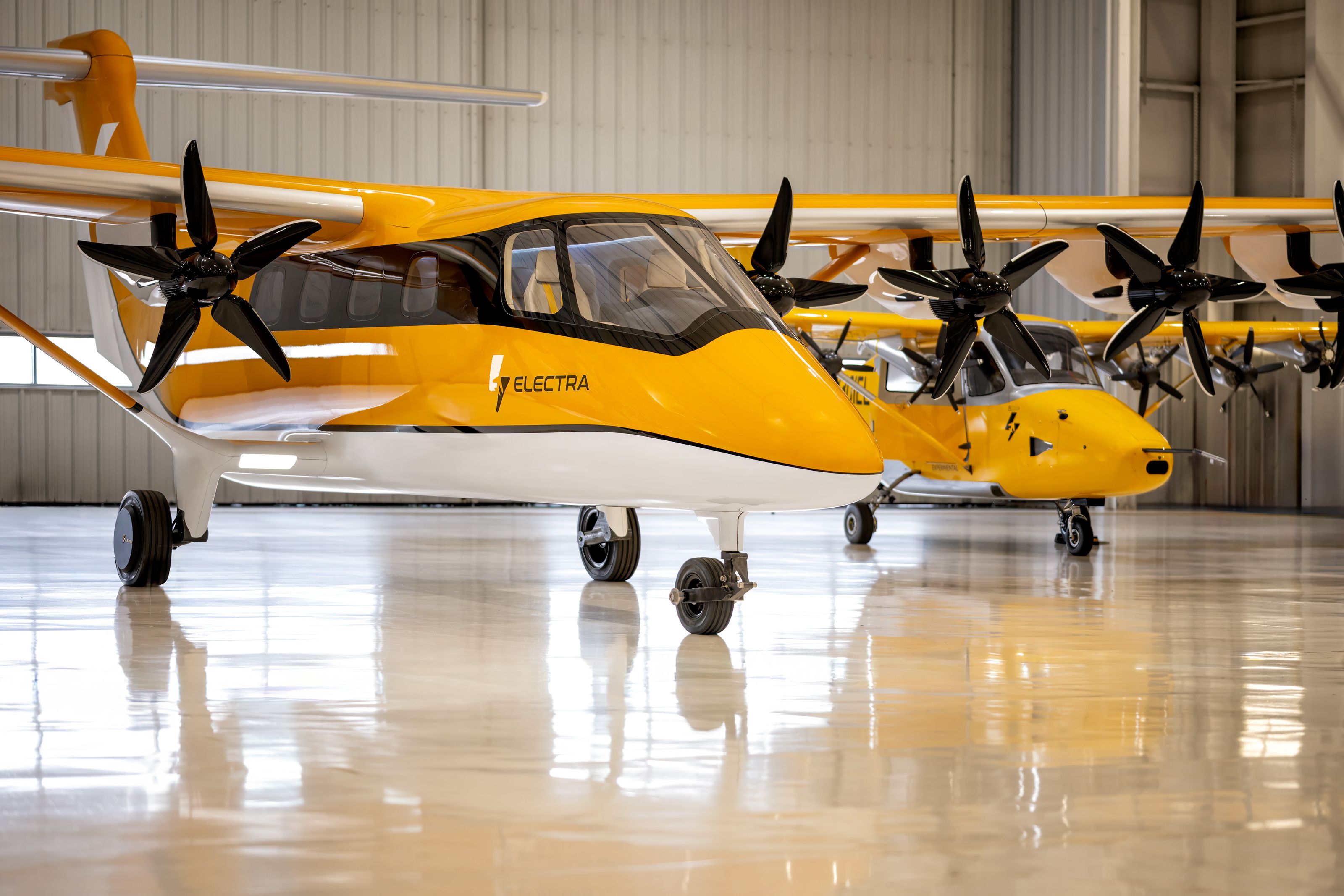
Photo: Electra.aero
What the company says
Electra framed the unveiling as part of a broader effort to rethink regional flight. Chief executive Marc Allen said the concept "demonstrates how Electra's hybrid-electric blown lift technology can revolutionize not just regional aviation, but commercial air travel as we know it today."
The company also positioned the work as a contribution to industry-wide planning rather than a near-term commercial bid. Detailed performance figures, including fuel burn targets, range, and noise reductions, have not been published in full and will likely emerge as NASA's study cycle progresses.
What to watch next
For enthusiasts tracking the next generation of airliners, several questions will shape how seriously to take this concept. First, the AACES 2050 program will release findings that compare different architectures, including conventional tube-and-wing jets with sustainable aviation fuel, blended wing bodies, and hybrid-electric designs. Those comparisons will indicate whether distributed turbo-electric propulsion holds up against simpler alternatives.
Second, Electra's progress with the EL9 will serve as a real-world test of its core technology. First flight of the production-intent EL9 is expected later in the decade, and any data from that program will feed back into the larger concept.
Finally, regulators will need to develop certification standards for high-voltage electrical systems on commercial transports. Without those rules, even a technically successful design cannot enter airline service. The mid-century timeline that NASA is targeting gives the industry roughly 25 years to work through those questions, which is both a long runway and, by aerospace standards, not much time at all.
Hyderabad Man Charged With Forgery After Using ChatGPT to Generate Fraudulent IndiGo Boarding Pass » Iberia to Fly Researchers Above the Clouds for Spain's First Total Solar Eclipse in Over a Century » Air India Flight AI2379 Plunges 300 Feet in Severe Turbulence, Injuring 17 on Phuket to Delhi Route »

Comments (0)
Add Your Comment
TAGS
NEWS Electra NASA AACES 2050 Turbo-Electric Aircraft Electric Aviation Sustainable Aviation Aircraft Concept Regional Aviation 100-Seat Aircraft Propulsion Technology Hybrid-Electric Aviation Innovation Future Aircraft Zero-Emission Flight Aircraft Design Decarbonization Concept AircraftRECENTLY PUBLISHED
 Solairus Moves to Acquire Clay Lacy Charter Business, Forming a 500-Aircraft Management Powerhouse
Solairus Aviation's acquisition of Clay Lacy's charter management operation creates one of the largest managed fleets in U.S. business aviation.
NEWS
READ MORE »
Solairus Moves to Acquire Clay Lacy Charter Business, Forming a 500-Aircraft Management Powerhouse
Solairus Aviation's acquisition of Clay Lacy's charter management operation creates one of the largest managed fleets in U.S. business aviation.
NEWS
READ MORE »
 Joby Aviation Opens Texas Facility to Prepare for Dallas-Fort Worth Air Taxi Service
Joby Aviation has established a new Texas base to support planned electric air taxi operations across the Dallas-Fort Worth region.
NEWS
READ MORE »
Joby Aviation Opens Texas Facility to Prepare for Dallas-Fort Worth Air Taxi Service
Joby Aviation has established a new Texas base to support planned electric air taxi operations across the Dallas-Fort Worth region.
NEWS
READ MORE »
 Airbus and Boeing Pursue Out-of-Autoclave Composites to Speed Next-Generation Airframe Production
Airbus and Boeing are investing in out-of-autoclave composite technologies to accelerate airframe manufacturing rates for future single-aisle aircraft programs.
NEWS
READ MORE »
Airbus and Boeing Pursue Out-of-Autoclave Composites to Speed Next-Generation Airframe Production
Airbus and Boeing are investing in out-of-autoclave composite technologies to accelerate airframe manufacturing rates for future single-aisle aircraft programs.
NEWS
READ MORE »
More than just headlines.
Get unlimited ad-free access to in-depth aviation news, premium stories, and exclusive insights other sites don't cover.
- Ad-free browsing on AeroXplorer
- Unlimited access to premium and exclusive articles
- Higher photo upload limits & commissions on sales
- Free access to Jetstream Magazine on higher tiers
- Ad-free browsing
- Sell aviation photos with 60% commission
- First week free!
- Everything in Basic+
- Unlimited premium articles
- Sell aviation photos with 70% commission
- Free Digital subscription to Jetstream Magazine
- First week free!
- Everything in Basic+ and Pro
- Sell aviaiton photos with 80% commission
- Early access to exclusive stories
- Free Digital+Print subscription to Jetstream Magazine