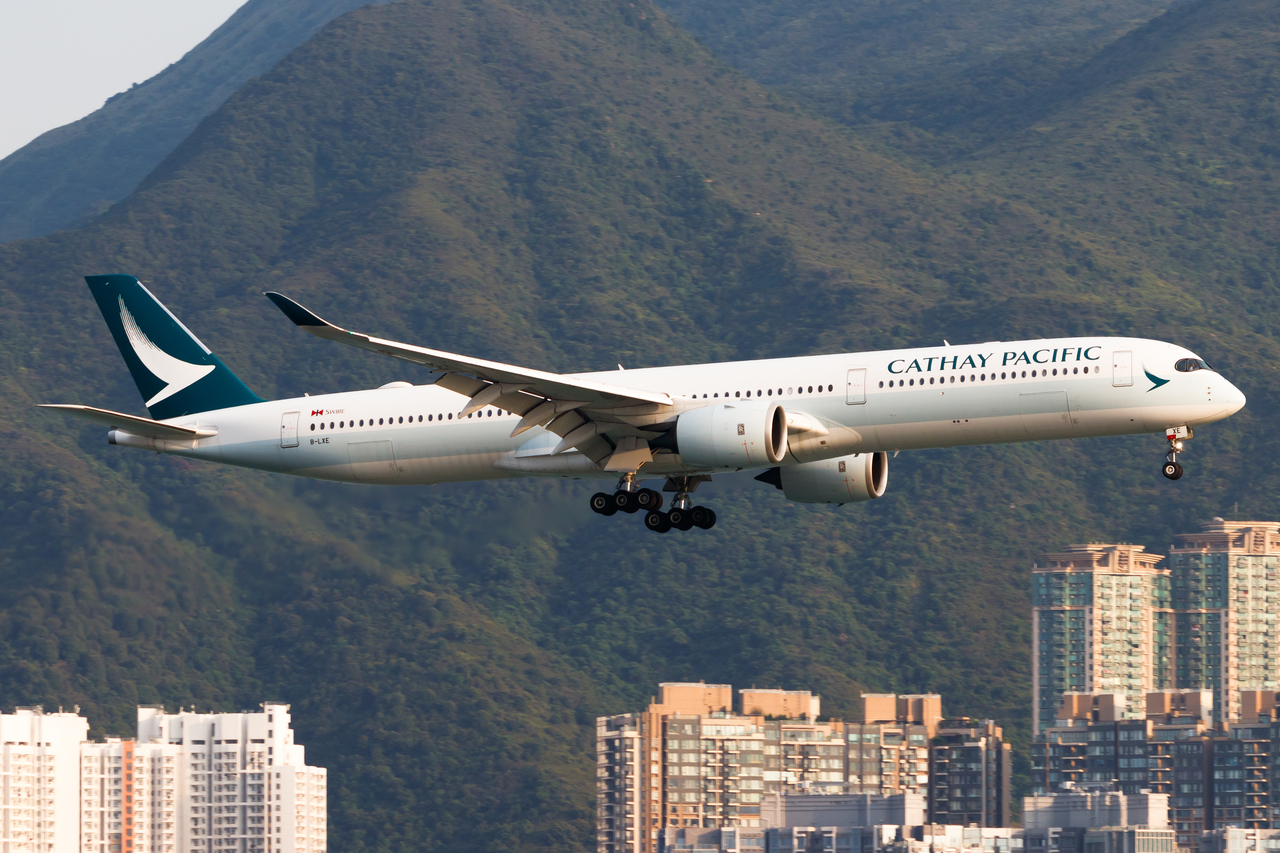
Cathay Pacific Airways has signed an off-take agreement with Aemetis to supply 38 million U.S. gallons of blended sustainable aviation fuel (SAF). Under the agreement, SAFs will be delivered from San Francisco International Airport (SFO) over seven years, starting in 2025.
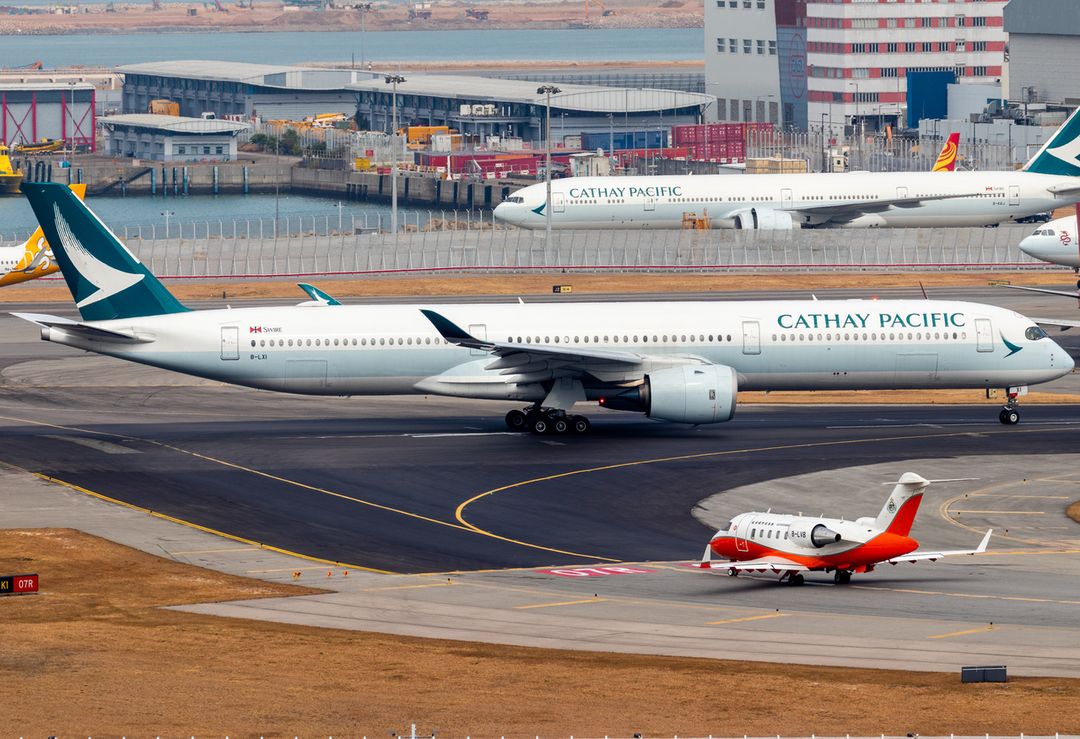
The aviation sector is making every effort to reach ambitious emission reduction goals. SAF is a crucial component in assisting in the achievement of the objective. It has a chemical structure that is very similar to conventional fossil jet fuel and is produced from sustainable feedstocks. Comparing using SAF to replacing traditional jet fuels over the course of the fuel's life, carbon emissions can be cut by up to 80%. However, SAF production is constrained, and it is more expensive to produce than conventional fossil fuels.
Cathay Pacific hopes that have a 10 percent use target of SAFs by 2030, and a goal of net-zero carbon emissions by 2050. It believes the SAFs purchased “can reduce more than 80,000 tonnes of lifecycle carbon emissions, equivalent to the amount of carbon sequestered by more than 1.3 million tree seedlings grown for 10 years.”
Sustainable aviation fuel is expected to be produced at the Aemetis Renewable Jet/Diesel Plant under development on a 125-acre former U.S. Army munitions production facility in Riverbank, California. The aviation fuel blend will comprise of 40 percent SAFs and 60 percent Petroleum Jet A-1 Fuel.

In a statement, Eric McAfee, Chairman and CEO of Aemetis states: “The use of sustainable aviation fuel by Cathay Pacific is another step by the oneworld Alliance toward lowering the environmental impact of aviation.” He adds: “Sustainable aviation fuel is an immediate solution to the decarbonization of air travel and cargo flights, without requiring extensive new fueling infrastructure or the expensive replacement of planes.”
McAfee is referring to initiatives with other oneWorld airlines like the International Airlines Group, which operates British Airways and Aer Lingus from San Francisco. Similarly, over a seven-year period, Aemitis will provide IAG with 78,400 tons (26 million gallons) of SAFs.
Chief Executive Officer Augustus Tang adds: "Cathay Pacific continues to reaffirm its commitment to addressing climate change despite these challenging times. In the past few years, we have announced our carbon net-zero by 2050 target and our goal of achieving 10 percent use of SAF by 2030. In doing this, we have built a robust SAF procurement strategy to help meet our goals. We are pleased that this agreement with Aemetis will contribute to that effort, and we hope it will also send the right signal to the SAF industry to encourage the much-needed investment and scaling up of its supply chain."
Thousands of Flights Delayed or Canceled as Travel Disruptions Sweep Across the U.S. » Why Do Some Flights Take Longer Than Others on the Same Route? » 25 Years After 9/11: How Airline Security Transformed and What Is Changing Once Again »

Comments (0)
Add Your Comment
TAGS
NEWS Cathay Pacific CX SAF Sustainable Aviation Fuel San Francisco SFO AemetisRECENTLY PUBLISHED
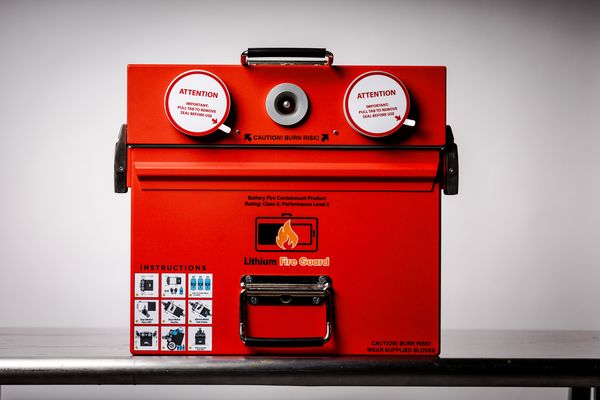 A Laptop Caught Fire at 35,000 Feet. This Device Kept the Flight Going
An Air Tahiti Nui crew contained a mid-flight laptop fire using a lithium battery containment device, avoiding injuries, disruption, and an emergency diversion.
STORIES
READ MORE »
A Laptop Caught Fire at 35,000 Feet. This Device Kept the Flight Going
An Air Tahiti Nui crew contained a mid-flight laptop fire using a lithium battery containment device, avoiding injuries, disruption, and an emergency diversion.
STORIES
READ MORE »
 British Airways Returns to Tanzania After 15 Years With Direct Flights to Kilimanjaro and Zanzibar
British Airways will launch direct flights from London Gatwick to Kilimanjaro and Zanzibar in summer 2027, marking its return to Tanzania after 15 years.
NEWS
READ MORE »
British Airways Returns to Tanzania After 15 Years With Direct Flights to Kilimanjaro and Zanzibar
British Airways will launch direct flights from London Gatwick to Kilimanjaro and Zanzibar in summer 2027, marking its return to Tanzania after 15 years.
NEWS
READ MORE »
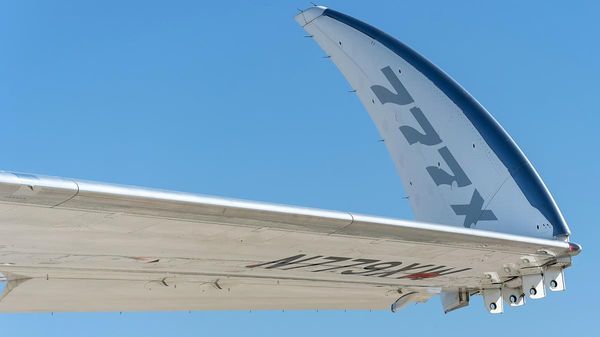 The Engineering Behind the 777X's Folding Wingtips
The engineering behind the folding wingtips onboard the Boeing 777X
INFORMATIONAL
READ MORE »
The Engineering Behind the 777X's Folding Wingtips
The engineering behind the folding wingtips onboard the Boeing 777X
INFORMATIONAL
READ MORE »
More than just headlines.
Get unlimited ad-free access to in-depth aviation news, premium stories, and exclusive insights other sites don't cover.
- Ad-free browsing on AeroXplorer
- Unlimited access to premium and exclusive articles
- Higher photo upload limits & commissions on sales
- Free access to Jetstream Magazine on higher tiers
- Ad-free browsing
- Sell aviation photos with 60% commission
- First week free!
- Everything in Basic+
- Unlimited premium articles
- Sell aviation photos with 70% commission
- Free Digital subscription to Jetstream Magazine
- First week free!
- Everything in Basic+ and Pro
- Sell aviaiton photos with 80% commission
- Early access to exclusive stories
- Free Digital+Print subscription to Jetstream Magazine