
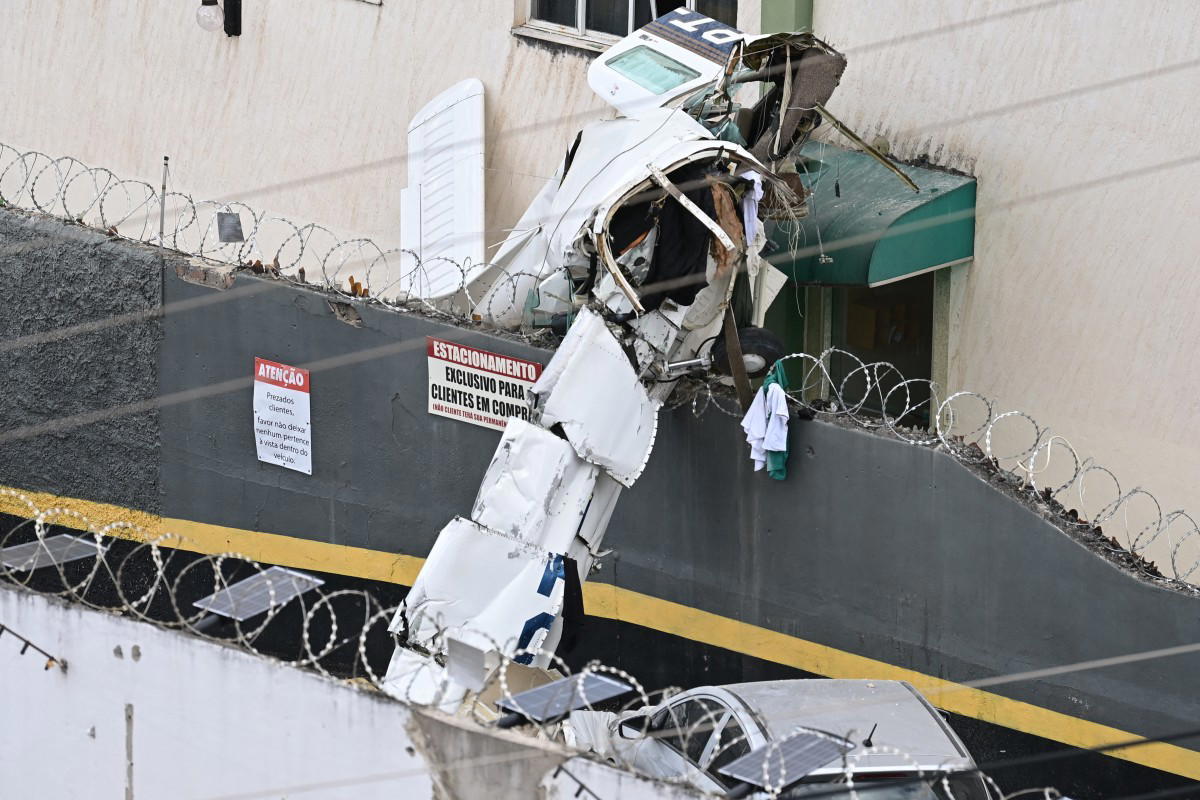
A single-engine aircraft crashed into the side of a residential building in the Brazilian city of Belo Horizonte on Monday afternoon, May 4, 2026, killing the pilot and co-pilot and leaving three passengers in critical condition in the hospital. The incident, which occurred in the Silveira neighbourhood of the city's northeast region, was captured in real time by a Globo News helicopter that happened to be airborne in the area, producing footage of the impact that has since been viewed by millions of people around the world and that leaves no ambiguity about the violence of the collision.
What Happened and When
The Embraer EMB-721C aircraft went down shortly after taking off from Pampulha Airport, a regional airport serving the capital of Minas Gerais state. According to reports from G1 and other Brazilian outlets, the pilot contacted air traffic control moments after departure, reporting a mechanical failure.
The aircraft took off from Pampulha Airport with the three passengers on board at 12:16 PM local time. Emergency services were then called to the scene of the crash at 12:25 PM. The pilot had reported to the Pampulha Airport control tower before the collision that he was having "difficulties taking off."
The nine-minute gap between takeoff and the call to emergency services encapsulates the terrifying brevity of the sequence of events. A mechanical problem declared immediately after departure left the crew attempting to manage an aircraft that could not sustain normal flight over a densely built urban area.
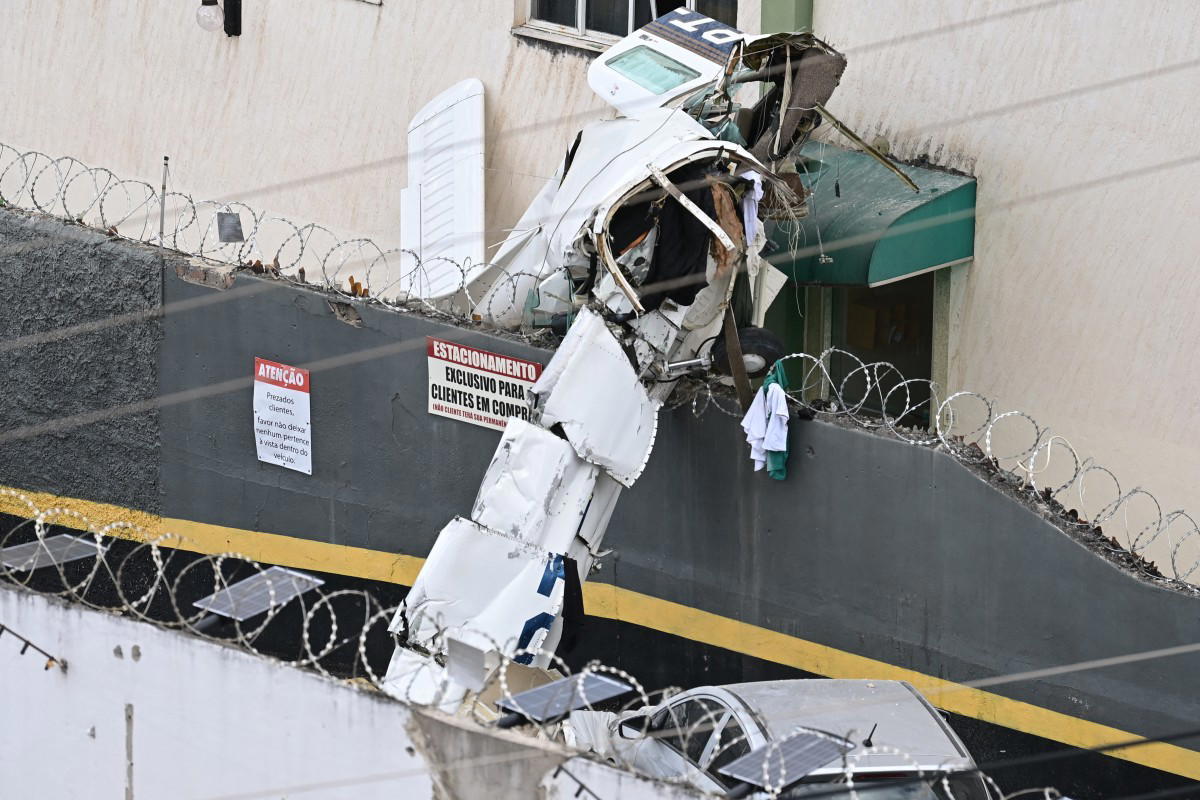
Photo: AFP/ GLEDSTON TAVARES
The Impact
The footage showed the private single-engine Embraer plane flying low above the rooftops of the city before it swerved past taller buildings and smashed into the corner of a three-story structure, collapsing in the parking lot.
Lieutenant Raul of the Fire Department said of the crash: "It hit between the third and fourth floors, in the stairwell." He added: “What we saw was the structure of the aircraft projected inside the stairwell, without hitting any other apartments.”
The stairwell location of impact proved critically significant. Had the aircraft struck any of the residential apartments directly, the likelihood of building casualties would have been substantially higher. According to local reports, no one in the building was injured. That outcome, two fatalities confined to the aircraft's crew, three survivors from among the passengers, and no building casualties, reflects an extraordinarily narrow margin between what occurred and what could have been a mass casualty event in a populated urban area.
The Casualties
Firefighters in the state of Minas Gerais said the pilot and co-pilot had died and three other passengers had been taken to the hospital in “critical condition.”
The distinction between the fates of the two crew members and the three passengers is consistent with the physics of a nose-first building strike; the front of the aircraft, where the pilot and co-pilot were seated, absorbed the primary impact force. Earlier reports had confirmed that the pilot was initially trapped within the wreckage before their death was confirmed by emergency responders.
The Cockpit’s Next Revolution: When the Co-Pilot Is a Computer
The Aircraft: An Embraer EMB-721C
A single-engine aircraft crashed into a residential building in Belo Horizonte, Brazil, on Monday, May 4, 2026. The Embraer EMB-721C aircraft went down shortly after taking off from Pampulha Airport.
The EMB-721C Sertanejo is a Brazilian-manufactured, single-engine, fixed-wing aircraft produced by Embraer and widely used across Brazil for general aviation, agricultural operations, and short-haul private transport. Pampulha Airport, from which the flight departed, is a general aviation facility located within the city limits of Belo Horizonte, positioned close to the UNESCO World Heritage-listed Pampulha Lake complex. Its proximity to densely populated residential areas means that any aircraft experiencing a mechanical emergency after departure has extremely limited options for safe deviation or emergency landing.
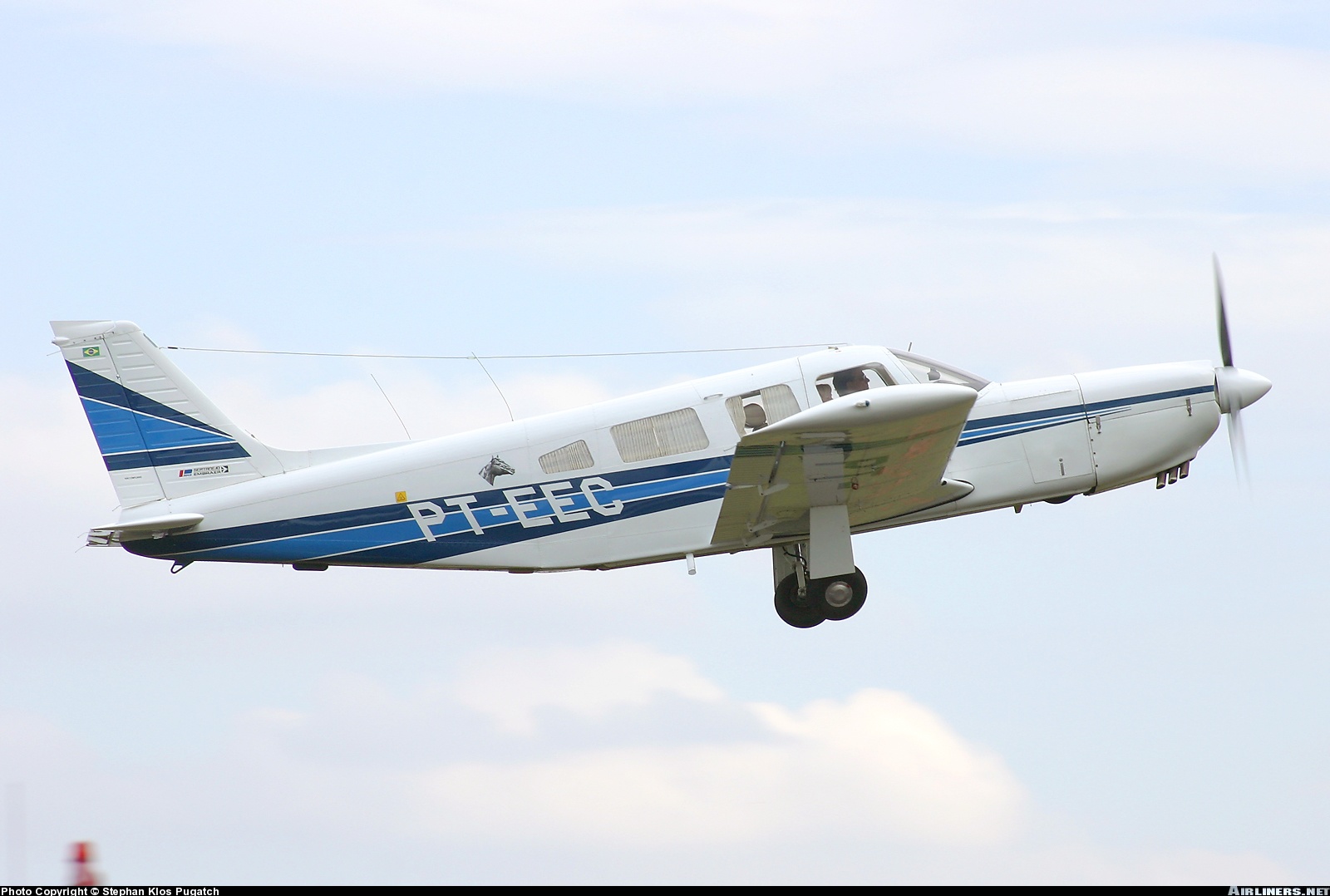
Pampulha Airport
The crash is not the first time that the proximity of Pampulha Airport to urban Belo Horizonte has been associated with a serious aviation incident. The airport's location within the metropolitan area, surrounded on multiple sides by residential and commercial development, leaves almost no buffer zone between the runway environment and the populated city. An aircraft that cannot climb normally after takeoff from Pampulha has, in practical terms, nowhere to go.
Brazilian aviation safety analysts have raised concerns about Pampulha's operational environment on previous occasions. The fundamental tension between maintaining a functioning general aviation facility within a major metropolitan area and managing the risk to urban residents below has not been formally resolved, and the May 4 crash will inevitably intensify the debate about whether operations at the airport require structural review.
Brazil's Wider General Aviation Safety Record
Small plane crashes are common in Brazil, the world's fifth-largest country. According to statistics from the Center for Investigation and Prevention of Aeronautical Accidents (CENIPA), there were 153 aircraft accidents in the country in 2025, with 62 people killed.
That figure, an average of nearly three accidents every week across the country, reflects the particular challenges of general aviation safety in a nation where vast distances, diverse terrain, inconsistent infrastructure, and a large and dispersed fleet of ageing aircraft combine to produce a consistently elevated accident rate. The Belo Horizonte crash is, in statistical terms, consistent with that pattern. In human terms, it is the latest in a series of preventable tragedies that have cost lives within communities that had no involvement in the flight that ended above them.
The Investigation
Brazilian authorities have launched an investigation into the cause of the crash. CENIPA, Brazil's specialist aeronautical accident investigation agency, will lead the inquiry and will seek to determine the precise nature of the mechanical failure reported by the pilot to Pampulha control tower, whether the problem was pre-existing, developed during the takeoff roll, or manifested in the initial climb phase, and whether the crew's response to the emergency was consistent with applicable emergency procedures.
The cockpit voice recorder and flight data recorder, if fitted to the aircraft, will be recovered and analysed. Witness accounts, radar data, and the extensive video footage of the final moments of the flight will all form part of the investigative record. The question of whether the aircraft's airworthiness documentation and maintenance history were fully compliant with Brazilian civil aviation regulations will also be examined.
For the residents of the Silveira neighbourhood, the investigation's findings, however long they take to arrive, will do little to diminish the shock of a Monday afternoon that brought a burning aircraft into the walls of their building without warning.
KLM Brings Starlink Internet to Long-Haul Flights » US State Department Warns of Threats to Airlines and Airports in Saudi Arabia Following Deadly Houthi Attacks » Southwest Airlines Considers Boeing 787 Order for Long-Haul International Expansion »

Comments (0)
Add Your Comment
TAGS
NEWS Brazil Plane Crash Belo Horizonte Pampulha Airport Embraer EMB-721C General Aviation Safety CENIPA Brazil Aviation Accident Small Aircraft Crash Aviation Safety Brazil Aircraft Emergency Brazil Aviation Residential Building CrashRECENTLY PUBLISHED
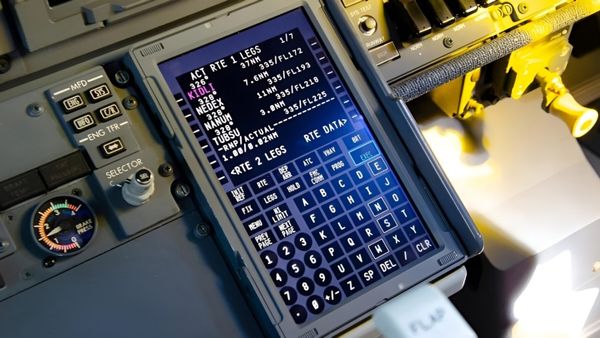 Boeing's Touchscreen Flight Controls for 737 Draw Sharp Criticism from Pilots
Boeing's plan to introduce Touchscreen Control Display Units on the 737 has sparked backlash from pilots who warn of safety and usability concerns.
NEWS
READ MORE »
Boeing's Touchscreen Flight Controls for 737 Draw Sharp Criticism from Pilots
Boeing's plan to introduce Touchscreen Control Display Units on the 737 has sparked backlash from pilots who warn of safety and usability concerns.
NEWS
READ MORE »
 Southwest Airlines Blames Brief System Outage for Boarding Delays and Checked Bag Disruptions
Southwest Airlines confirms a brief technology outage disrupted boarding and checked bag operations, forcing gate agents to process travelers manually.
NEWS
READ MORE »
Southwest Airlines Blames Brief System Outage for Boarding Delays and Checked Bag Disruptions
Southwest Airlines confirms a brief technology outage disrupted boarding and checked bag operations, forcing gate agents to process travelers manually.
NEWS
READ MORE »
 Southwest Airlines Considers Boeing 787 Order for Long-Haul International Expansion
Southwest Airlines is evaluating the Boeing 787 Dreamliner as it explores a shift into long-haul international flying, sources tell Reuters.
NEWS
READ MORE »
Southwest Airlines Considers Boeing 787 Order for Long-Haul International Expansion
Southwest Airlines is evaluating the Boeing 787 Dreamliner as it explores a shift into long-haul international flying, sources tell Reuters.
NEWS
READ MORE »
More than just headlines.
Get unlimited ad-free access to in-depth aviation news, premium stories, and exclusive insights other sites don't cover.
- Ad-free browsing on AeroXplorer
- Unlimited access to premium and exclusive articles
- Higher photo upload limits & commissions on sales
- Free access to Jetstream Magazine on higher tiers
- Ad-free browsing
- Sell aviation photos with 60% commission
- First week free!
- Everything in Basic+
- Unlimited premium articles
- Sell aviation photos with 70% commission
- Free Digital subscription to Jetstream Magazine
- First week free!
- Everything in Basic+ and Pro
- Sell aviaiton photos with 80% commission
- Early access to exclusive stories
- Free Digital+Print subscription to Jetstream Magazine