

Join us virtually next week. Free to attend • Seats are limited.
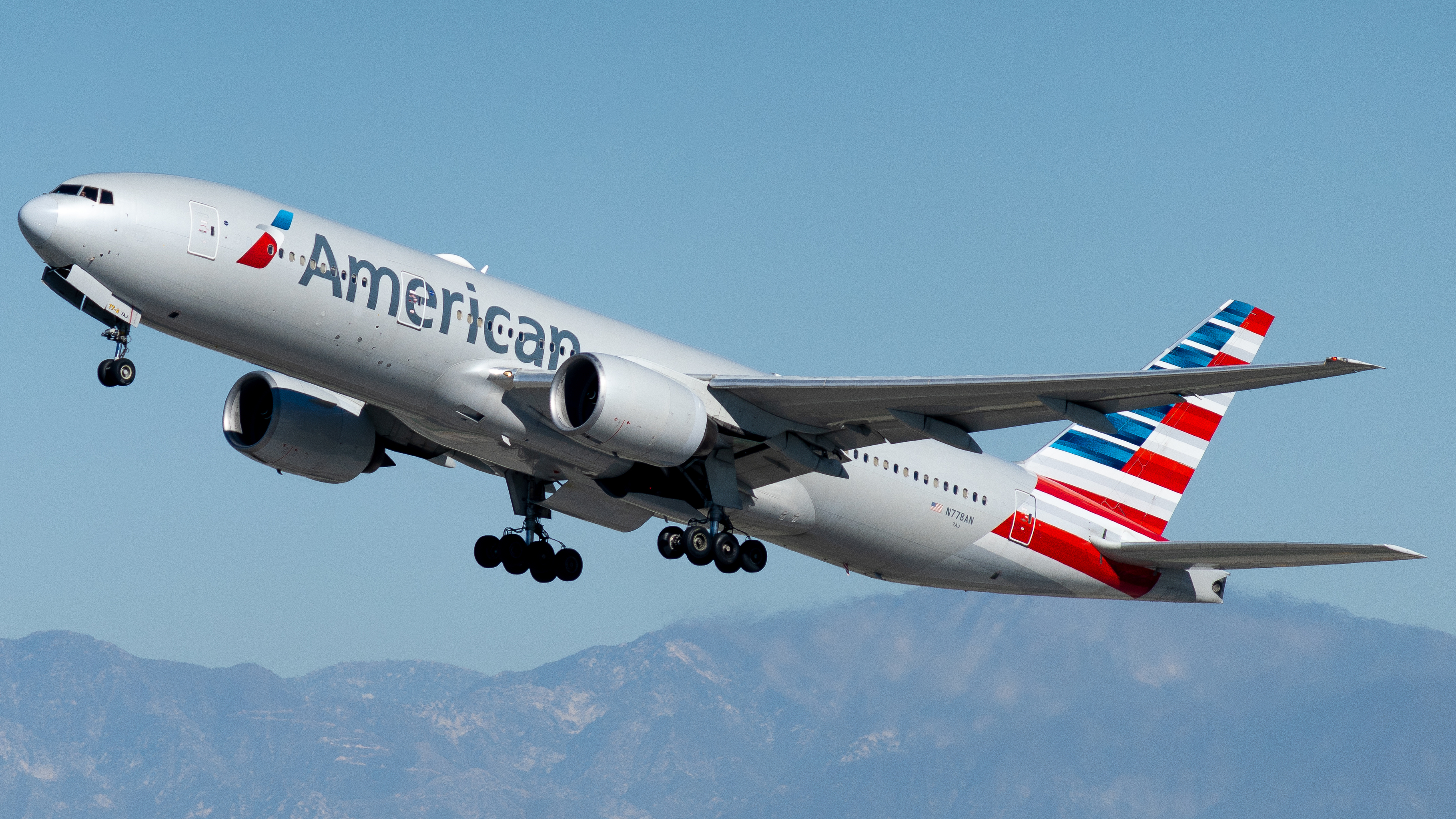
5G is being rolled out across the United States but is being scrutinized on whether or not it poses a threat to safety in the air. 5G uses frequencies between 3.70 and 3.98 GHz, which is very similar to what radio altimeters on aircraft use. Radio altimeters are used to determine the altitude of aircraft during critical phases of flight. One of the critical phases of flight is when visibility is reduced, and instruments aids must be used to land instead of visual aids. According to the Radio Technical Commission for Aeronautics "failures of these sensors can lead to incidents with catastrophic results resulting in multiple fatalities."

The Airlines for America trade group released a statement approximating that 345,000 U.S. passenger flights and 5,400 cargo flights would be delayed, diverted, or canceled every day. This would then impact 32 million passengers, and millions more awaiting packages, or other important cargo. In a letter written in November concerning 5G operations, the aviation industry wrote "air cargo and commercial air travel will likely cease at night and in any weather where a pilot cannot see the runway." When weather is unfavorable an ILS (instrument landing system) approach is carried out. It would specifically affect the CATII and CATIII approaches which utilize the radio altimeter to determine the altitude. CATI ILS approaches are based on decision height and would not be affected by 5G, but many airports do not have the system and it can be an expensive cost to build.

Verizon and AT&T the two leaders in the 5G roll-out agreed to a voluntary delay on rolling out a full-powered 5G system nationwide. During this time the FAA, AT&T, Verizon, and others will work to find a safe way for airlines to continue flying, and the wireless companies to roll out 5G. However Verizon believes that "air safety is of paramount importance, but there is no evidence that 5G operations using C-Band [5G] spectrum pose any risk to aviation safety," said a spokesperson for the company. The company even pointed out that "dozens of countries already use 5G." France and other European nations added so-called "buffer zones" around airports, which helps make sure that aircraft can take an approach safely onto a touchdown zone. Like Europe, the FAA listed 50 airports that will have buffer zones from 5G. More airports need these buffer zones, but AT&T and Verizon only agreed to 50 airports.

Unlike other countries, the FAA points out that the U.S. lacks some laws that other nations have around 5G. One of the laws is that in France and other nations 5G antennas are pointed down toward the ground to prevent and limit harmful interactions, whereas the U.S.' antennas are not. Another fact is that even with the U.S. temporary lower levels of 5G it is still more than 2 times higher than other countries' 5G levels. The FAA is currently testing different radio altimeters to see if they can safely operate in the 5G environment. If AT&T and Verizon roll out 5G before the FAA has found a solution, more delays and cancellations are to be expected until a solution can be found.
National Airlines Flies Engine Part Nearly 10,000 Nautical Miles Nonstop in Record Cargo Run » United Finally Unlocks the Doors on Its New Polaris Suites » This Week in Aviation: The 10 Stories That Mattered Most »

Comments (0)
Add Your Comment
TAGS
NEWS 5GApproachesAmericanUnitedAirportFAARECENTLY PUBLISHED
 When Aerospace Needs Something That Doesn’t Exist, MSL Builds It
Discover how Magnet Schultz Ltd. engineers bespoke electromagnetic solutions for aerospace, from custom actuators and latches to target drone parachute systems.
INFORMATIONAL
READ MORE »
When Aerospace Needs Something That Doesn’t Exist, MSL Builds It
Discover how Magnet Schultz Ltd. engineers bespoke electromagnetic solutions for aerospace, from custom actuators and latches to target drone parachute systems.
INFORMATIONAL
READ MORE »
 Smoke in the Cockpit: Delta 757 Makes Emergency Return to Atlanta
A Delta Air Lines Boeing 757 returned to Atlanta and evacuated passengers after smoke entered the cockpit shortly after takeoff.
NEWS
READ MORE »
Smoke in the Cockpit: Delta 757 Makes Emergency Return to Atlanta
A Delta Air Lines Boeing 757 returned to Atlanta and evacuated passengers after smoke entered the cockpit shortly after takeoff.
NEWS
READ MORE »
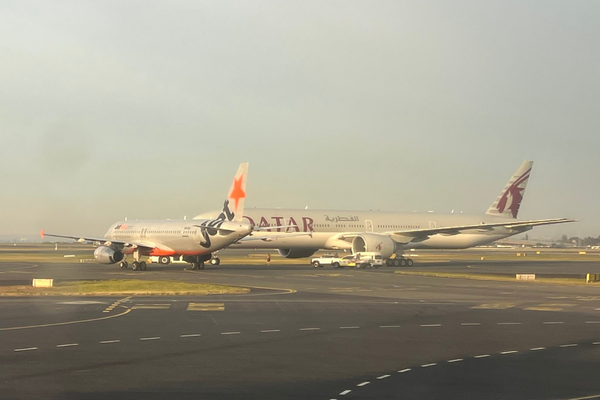 Too Close for Comfort: Near-Collision on Sydney's Tarmac Reignites ATC Staffing Alarm
A serious near miss between a Jetstar and Qatar Airways aircraft at Sydney Airport has left a crew member injured, prompting safety concerns.
NEWS
READ MORE »
Too Close for Comfort: Near-Collision on Sydney's Tarmac Reignites ATC Staffing Alarm
A serious near miss between a Jetstar and Qatar Airways aircraft at Sydney Airport has left a crew member injured, prompting safety concerns.
NEWS
READ MORE »
More than just headlines.
Get unlimited ad-free access to in-depth aviation news, premium stories, and exclusive insights other sites don't cover.
- Ad-free browsing on AeroXplorer
- Unlimited access to premium and exclusive articles
- Higher photo upload limits & commissions on sales
- Free access to Jetstream Magazine on higher tiers
- Ad-free browsing
- Sell aviation photos with 60% commission
- First week free!
- Everything in Basic+
- Unlimited premium articles
- Sell aviation photos with 70% commission
- Free Digital subscription to Jetstream Magazine
- First week free!
- Everything in Basic+ and Pro
- Sell aviaiton photos with 80% commission
- Early access to exclusive stories
- Free Digital+Print subscription to Jetstream Magazine