
Join us virtually this week. Free to attend • Seats are limited.
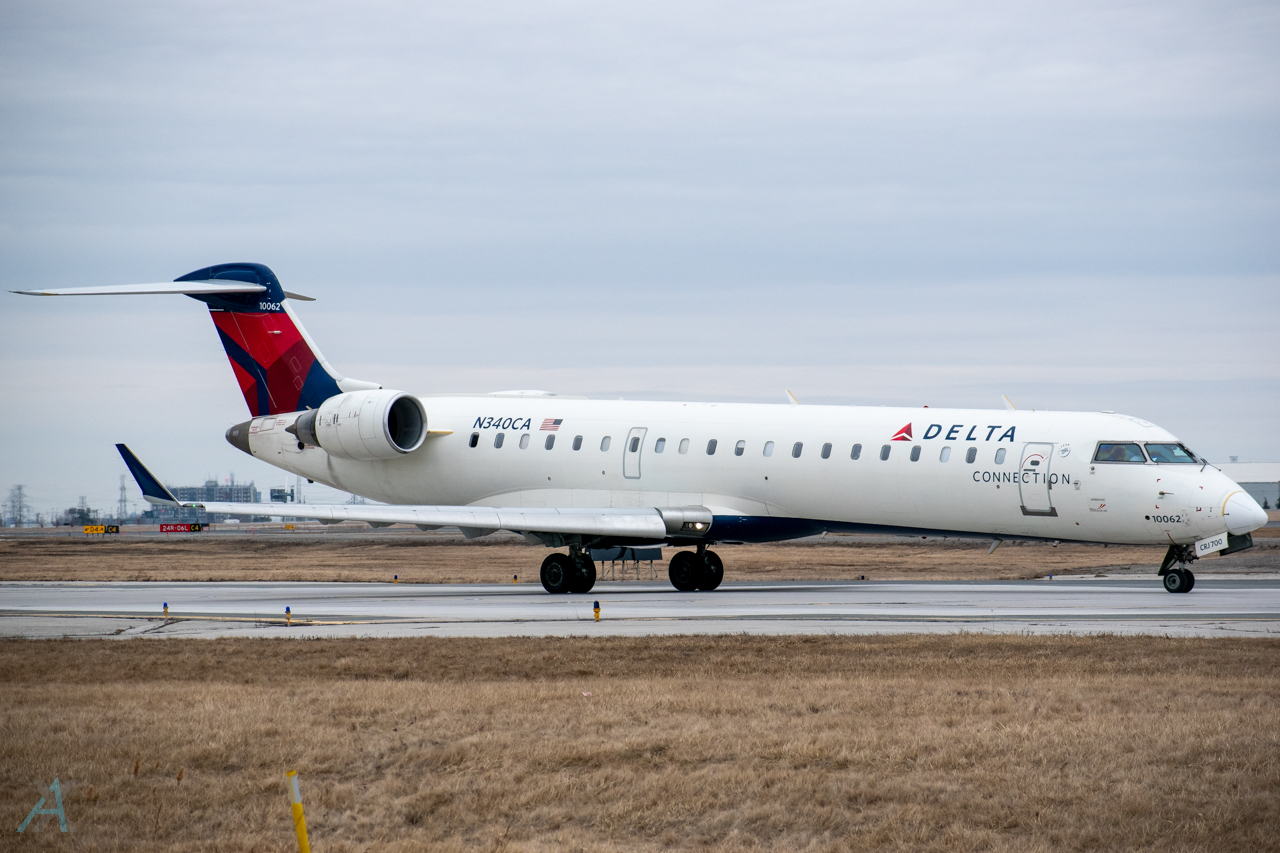
If you fly Delta Connection routes operated by Endeavor Air, you may want to know what's happening behind the scenes during turbulence. Flight attendants at the regional carrier say they are skipping standard safety procedures because they worry about how passengers will rate them afterward.
The concern comes from the Association of Flight Attendants (AFA), the union that represents cabin crew at Endeavor Air, a wholly owned Delta subsidiary that operates regional flights under the Delta Connection brand. Union representatives say crew members feel pressured to keep service moving even when conditions in the cabin are unsafe.
What the union is saying
According to the AFA, flight attendants at Endeavor are being judged on customer satisfaction surveys that passengers fill out after their flights. Those scores carry weight inside the company, and crew members say a pause in service during turbulence can drag those numbers down.
The result, according to the union, is that some flight attendants continue working the aisle, serving drinks, and collecting trash during turbulence instead of taking their jump seats and buckling in. That goes against standard procedure, which calls for cabin crew to stop service and secure themselves when a captain turns on the seatbelt sign or when turbulence becomes severe.
The union raised the issue publicly to highlight what it describes as a conflict between passenger experience metrics and basic safety rules that exist to protect both crew and travelers.

Why turbulence procedures matter to you
Turbulence is the leading cause of injuries on commercial flights in the United States. When a plane hits rough air without warning, anyone not strapped in can be thrown against the ceiling, seats, or the floor. Flight attendants face the greatest risk because they are usually standing and moving through the cabin.
The Federal Aviation Administration requires airlines to follow specific procedures when the seatbelt sign is on. Cabin crew are expected to secure carts, stop service, and take their seats. Passengers are expected to return to their seats and fasten their seatbelts.
When flight attendants skip those steps, the risk shifts onto everyone in the cabin. A loose cart can become a projectile. A crew member who is knocked off balance can fall onto passengers. And if a flight attendant is injured, fewer people are available to help in an emergency.
Alaska Goes Global: How Hawaiian Airlines Changed the Carrier’s Future
How customer satisfaction scoring works
Airlines like Delta use post-flight surveys to track how passengers feel about their trip. Scores can influence everything from crew bonuses to performance reviews. The metrics often focus on things like friendliness, attentiveness, and whether service was completed.
The problem, according to the AFA, is that these surveys do not always account for circumstances outside the crew's control. If a flight hits 45 minutes of continuous turbulence and service gets cut short, passengers may rate the flight lower even though the crew followed safety rules correctly.
Flight attendants say that pressure adds up over time. Crew members who consistently receive lower scores can face uncomfortable conversations with management, even when the reasons for those scores were tied to weather or safety decisions.
What Endeavor and Delta have said
Endeavor Air operates as a regional carrier feeding passengers into Delta's mainline network. Its flight attendants are not part of the same union contract as Delta mainline cabin crew, who are not unionized. The AFA has been pushing to organize Delta mainline flight attendants for years.
The union's claims about turbulence procedures put a spotlight on how regional carriers measure performance. Delta has not publicly disputed the existence of customer satisfaction scoring at Endeavor, and the airline has long emphasized service quality as a brand differentiator.

What this means for your next flight
If you are flying on a Delta Connection flight operated by Endeavor or another regional carrier, here are a few things worth keeping in mind.
First, the seatbelt sign is not optional. Even when the ride feels smooth, clear-air turbulence can hit without warning. Keep your belt fastened whenever you are seated.
Second, if a flight attendant pauses service during rough air, that is the correct response. A delayed drink is far better than an injury. Crew members who follow procedure are protecting you, not ignoring you.
Third, when you fill out a post-flight survey, consider the context. If the cabin crew stopped service because of turbulence or other safety reasons, that decision should not count against them.
The bigger picture
The issue at Endeavor reflects a tension that exists across the airline industry. Carriers compete on service, and surveys are one of the few ways to measure that service at scale. But when those metrics influence how crew members behave during safety-critical moments, the system can produce outcomes that nobody wants.
Turbulence injuries have drawn more attention in recent years, with several high-profile incidents on international flights resulting in serious harm to passengers and crew. The National Transportation Safety Board has repeatedly recommended that airlines and passengers take turbulence more seriously.
For now, the AFA is using its platform to argue that safety procedures should not be weighed against survey scores. Whether Endeavor or Delta makes changes to how it evaluates regional flight attendants remains to be seen. In the meantime, the best thing you can do as a traveler is simple. Buckle up, listen to the crew, and rate them fairly.
FedEx Reveals Retro-Livery Boeing 777F as Memphis Airport Takes Founder's Name » Hyderabad Man Charged With Forgery After Using ChatGPT to Generate Fraudulent IndiGo Boarding Pass » When Aerospace Needs Something That Doesn’t Exist, MSL Builds It »

Comments (0)
Add Your Comment
TAGS
INFORMATIONAL Delta Air Lines Regional Airlines Flight Attendants Safety Protocols Turbulence Safety Compliance Issues Crew Training Aviation Safety Safety Standards In-Flight Safety Regulatory Compliance FAA Regulations Flight Attendant ProceduresRECENTLY PUBLISHED
 FedEx Reveals Retro-Livery Boeing 777F as Memphis Airport Takes Founder's Name
FedEx honors its history with a heritage-painted Boeing 777F and renames Memphis International Airport after founder Frederick W. Smith.
NEWS
READ MORE »
FedEx Reveals Retro-Livery Boeing 777F as Memphis Airport Takes Founder's Name
FedEx honors its history with a heritage-painted Boeing 777F and renames Memphis International Airport after founder Frederick W. Smith.
NEWS
READ MORE »
 Trump Reportedly Hid in a Catering Truck During Secret Plane Swap Amid Credible Iran Threat
President Trump was reportedly smuggled off his aircraft in a catering container and flown out of a NATO summit amid an alleged Iranian threat.
NEWS
READ MORE »
Trump Reportedly Hid in a Catering Truck During Secret Plane Swap Amid Credible Iran Threat
President Trump was reportedly smuggled off his aircraft in a catering container and flown out of a NATO summit amid an alleged Iranian threat.
NEWS
READ MORE »
 Powerful 7.4-Magnitude Earthquake Disrupts Operations at Several Colombian Airports
A 7.4-magnitude earthquake struck Colombia, forcing temporary shutdowns and evacuations at multiple airports across the country.
NEWS
READ MORE »
Powerful 7.4-Magnitude Earthquake Disrupts Operations at Several Colombian Airports
A 7.4-magnitude earthquake struck Colombia, forcing temporary shutdowns and evacuations at multiple airports across the country.
NEWS
READ MORE »
More than just headlines.
Get unlimited ad-free access to in-depth aviation news, premium stories, and exclusive insights other sites don't cover.
- Ad-free browsing on AeroXplorer
- Unlimited access to premium and exclusive articles
- Higher photo upload limits & commissions on sales
- Free access to Jetstream Magazine on higher tiers
- Ad-free browsing
- Sell aviation photos with 60% commission
- First week free!
- Everything in Basic+
- Unlimited premium articles
- Sell aviation photos with 70% commission
- Free Digital subscription to Jetstream Magazine
- First week free!
- Everything in Basic+ and Pro
- Sell aviaiton photos with 80% commission
- Early access to exclusive stories
- Free Digital+Print subscription to Jetstream Magazine