
A lawsuit filed by a veteran United Airlines flight attendant has put a spotlight on how major carriers handle allegations of sexual misconduct among their own crew. The case, which involves accusations of sexual assault and stalking by a fellow employee, raises questions that go beyond one airline and one workplace dispute.
The plaintiff, a flight attendant with nearly three decades of service at United, alleges that a male colleague assaulted her during a layover and then engaged in a pattern of stalking behavior afterward. According to the complaint, she reported the incidents to the airline, but she claims the company's response fell short of what she expected from an employer of United's size and resources.
You may wonder why a workplace dispute of this nature deserves broader attention. The answer lies in the unusual structure of airline employment. Flight attendants spend long stretches away from home, share hotels with coworkers on layovers, and operate in tight cabin spaces with the same crew members for days at a time. The traditional boundaries between work and personal life that exist in most office jobs simply do not apply.
What the Lawsuit Claims
According to court documents, the flight attendant alleges that the misconduct began with an assault during a layover and escalated into a sustained pattern of unwanted contact. She argues that United had a responsibility to protect her once the conduct was reported and that the airline failed to take adequate steps to do so.
The complaint seeks damages and alleges that the airline's handling of her reports contributed to ongoing harm. United has not, at the time of this writing, issued a detailed public response to the specific allegations, and the company typically does not comment on pending litigation.
The accused coworker's status with the airline has not been fully clarified in public filings reviewed for this article. That ambiguity itself is part of the broader concern. When employees report misconduct, they generally expect clear and visible consequences. When the chain of accountability appears unclear, trust in internal reporting systems erodes.

A Pattern, Not an Isolated Story
This lawsuit does not exist in a vacuum. Over the past several years, flight attendants at multiple U.S. carriers have come forward with allegations involving misconduct by passengers, pilots, and other crew members. The Association of Flight Attendants, the union representing cabin crew at United and other airlines, has repeatedly called on carriers and federal regulators to strengthen protections for crew members both in the air and on the ground.
The Federal Aviation Administration has focused much of its public messaging on unruly passengers, particularly since the pandemic-era spike in onboard incidents. But misconduct between crew members presents a different challenge. It happens behind the scenes, often in hotels rather than aircraft cabins, and it falls primarily under the jurisdiction of the airline's human resources processes and local law enforcement.
That divided responsibility creates gaps. A hotel incident may not involve airline property or aircraft, but it directly affects the work environment. An employee who feels unsafe sharing a layover hotel with a coworker cannot simply switch desks or work from home. The job, by its nature, requires proximity.

How AI Quietly Became the Backbone of Today’s Aviation Industry
What Airlines Say They Do
Major U.S. carriers, including United, maintain internal policies that prohibit harassment and assault among employees. These policies typically include reporting channels, investigation procedures, and a range of disciplinary outcomes up to termination. Airlines also point to training programs and partnerships with outside organizations focused on workplace safety.
The question raised by this lawsuit is whether those policies translate into meaningful protection when an employee actually uses them. A policy on paper means little if the person who reports misconduct continues to face the same coworker on trips, in crew lounges, or at hotel breakfasts.
Critics of the current system argue that airlines have financial incentives to resolve complaints quietly. Settlements with confidentiality clauses keep individual cases out of public view but also prevent patterns from emerging. When a lawsuit like this one reaches the public, it often represents a breakdown in the internal process rather than the start of one.
What You Should Take From This
If you fly regularly, you may not think much about the working conditions of the crew who staff your flights. But the people who manage the cabin, respond to emergencies, and enforce safety rules need to be able to do their jobs without fear of their own coworkers. A distracted or distressed crew is a safety concern, not just a human resources matter.
If you work in any industry where employees travel together, share lodging, or operate in close quarters, the questions raised here apply to you as well. How does your employer handle reports of misconduct between coworkers who must continue working together? What happens between the moment a report is filed and the moment a resolution is reached? Who is responsible for the reporting of the employee's safety in the meantime?
The lawsuit against United will move through the courts on its own timeline. Discovery may reveal information that changes the public understanding of the case. The airline may settle, or it may fight the claims in court. Either outcome will produce some answers but will leave broader questions unresolved.
The Bigger Picture
The aviation industry has spent years working to rebuild public trust after the pandemic, staffing shortages, and a string of high-profile safety incidents. Workplace culture is part of that trust. Passengers want to believe that the people responsible for their safety are themselves treated with respect and protected from harm.
This case will not be the last of its kind. As more employees feel empowered to report misconduct and pursue legal action, airlines will face increasing pressure to demonstrate that their internal systems actually work. The carriers that respond well will likely see benefits in recruitment, retention, and reputation. Those who do not will continue to find themselves named in lawsuits like this one.
For now, the allegations remain allegations, and the legal process will determine what happened and what should follow. The conversation the lawsuit has started, however, is one the industry cannot afford to ignore.
American Airlines Swaps Landline Buses for CRJ-700 Flights on 84-Mile South Bend to Chicago Route » United Boeing 757 Makes Overweight Landing in Dublin After Crew Reports Strong Fuel Smell and Headaches » Southwest Airlines Becomes First US Carrier to Integrate Flight Booking Into ChatGPT »

Comments (0)
Add Your Comment
TAGS
NEWS United Airlines Flight Attendants Workplace Safety Labor Lawsuit Aviation Safety Crew Safety Flight Attendant Rights FAA Regulations Legal Action Workplace Protection Industry Standards Safety Protocols Aviation Culture Corporate Responsibility Worker ProtectionsRECENTLY PUBLISHED
 This Week in Aviation: The 10 Stories That Mattered Most
From major airline developments to aircraft updates and industry shifts, this weekly recap highlights the ten most-read aviation stories from the week of October 04.
INFORMATIONAL
READ MORE »
This Week in Aviation: The 10 Stories That Mattered Most
From major airline developments to aircraft updates and industry shifts, this weekly recap highlights the ten most-read aviation stories from the week of October 04.
INFORMATIONAL
READ MORE »
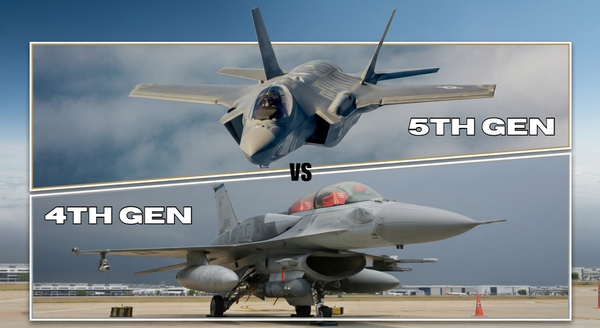 4th vs 5th Generation Fighter Jets: How Fighter Jets Have Evolved
A look at what separates fourth- and fifth-generation fighter jets, from stealth and sensor fusion to combat capability and cost.
INFORMATIONAL
READ MORE »
4th vs 5th Generation Fighter Jets: How Fighter Jets Have Evolved
A look at what separates fourth- and fifth-generation fighter jets, from stealth and sensor fusion to combat capability and cost.
INFORMATIONAL
READ MORE »
 United 777 Diverts to Dublin After Cockpit Windscreen Cracks Over the Atlantic
A United Airlines Boeing 777 bound for Milan made a steep descent and diverted to Dublin after its cockpit windscreen cracked mid-flight.
NEWS
READ MORE »
United 777 Diverts to Dublin After Cockpit Windscreen Cracks Over the Atlantic
A United Airlines Boeing 777 bound for Milan made a steep descent and diverted to Dublin after its cockpit windscreen cracked mid-flight.
NEWS
READ MORE »
More than just headlines.
Get unlimited ad-free access to in-depth aviation news, premium stories, and exclusive insights other sites don't cover.
- Ad-free browsing on AeroXplorer
- Unlimited access to premium and exclusive articles
- Higher photo upload limits & commissions on sales
- Free access to Jetstream Magazine on higher tiers
- Ad-free browsing
- Sell aviation photos with 60% commission
- First week free!
- Everything in Basic+
- Unlimited premium articles
- Sell aviation photos with 70% commission
- Free Digital subscription to Jetstream Magazine
- First week free!
- Everything in Basic+ and Pro
- Sell aviaiton photos with 80% commission
- Early access to exclusive stories
- Free Digital+Print subscription to Jetstream Magazine