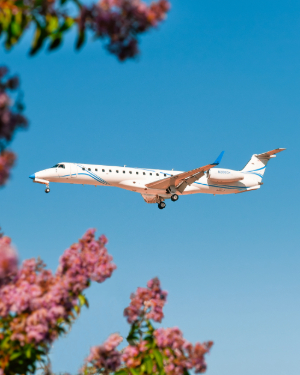
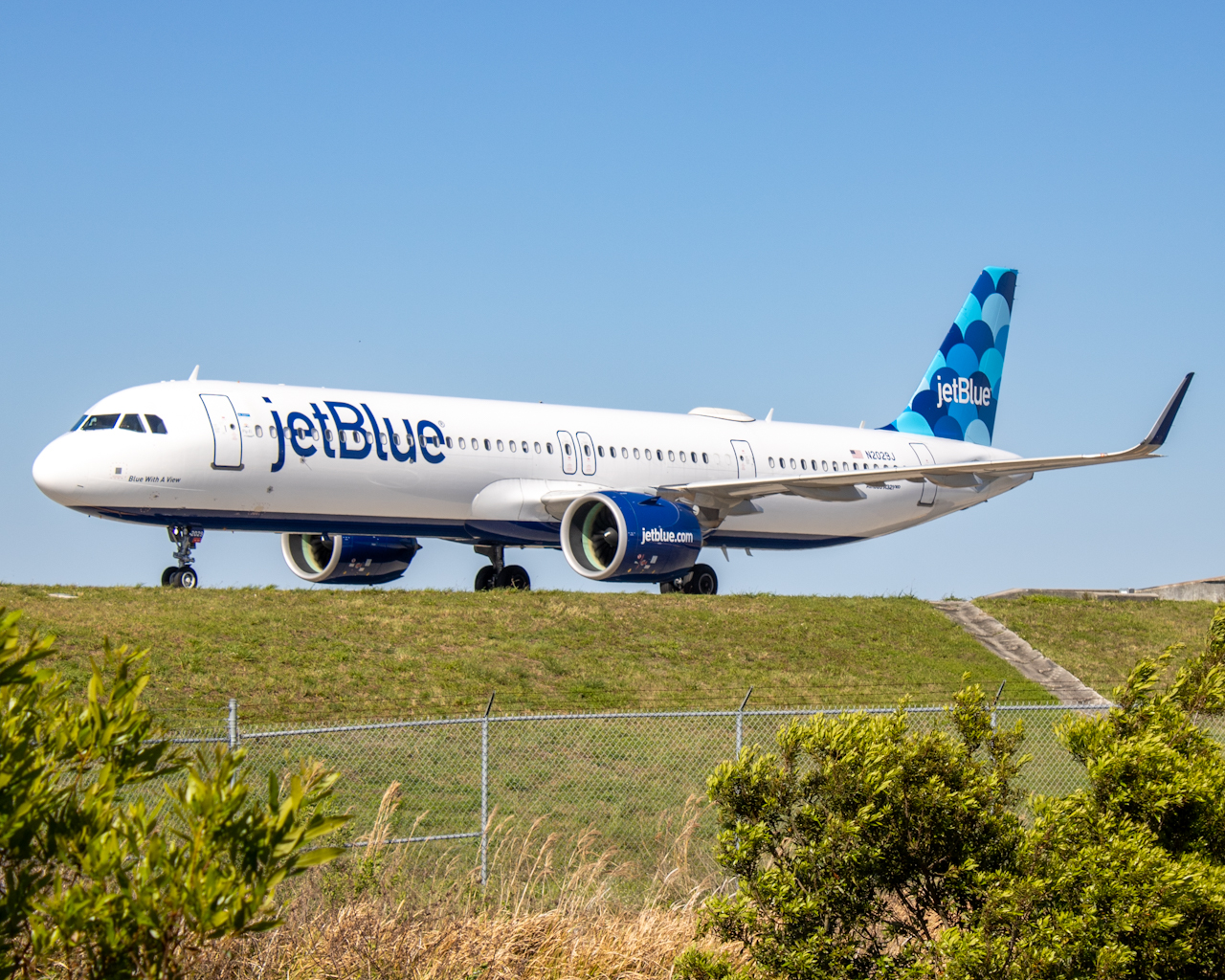

Within its short lifetime, JetBlue has become a beloved carrier with an innovative product and low-cost business model. It has grown rapidly to become a major U.S. airlinesSeeing success throughout its first 20 years in existence. However, if the carrier had its way, it would have grown even more from mergers throughout the past decade.
JetBlue’s first merger target was low-cost carrier Virgin America. A San Francisco-based startup, Virgin America was very similar to JetBlue: both focused on offering low-cost travel options with an elevated travel experience, both operated a fleet of Airbus A320 family aircraft, and both had a positive reputation within the industry. Fleet commonality and similar business models made a strong case for a merger between the two. Additionally, the fact that JetBlue’s network was largely concentrated on the East Coast while Virgin America was on the West meant that the combined carrier expanded its network and customer base.
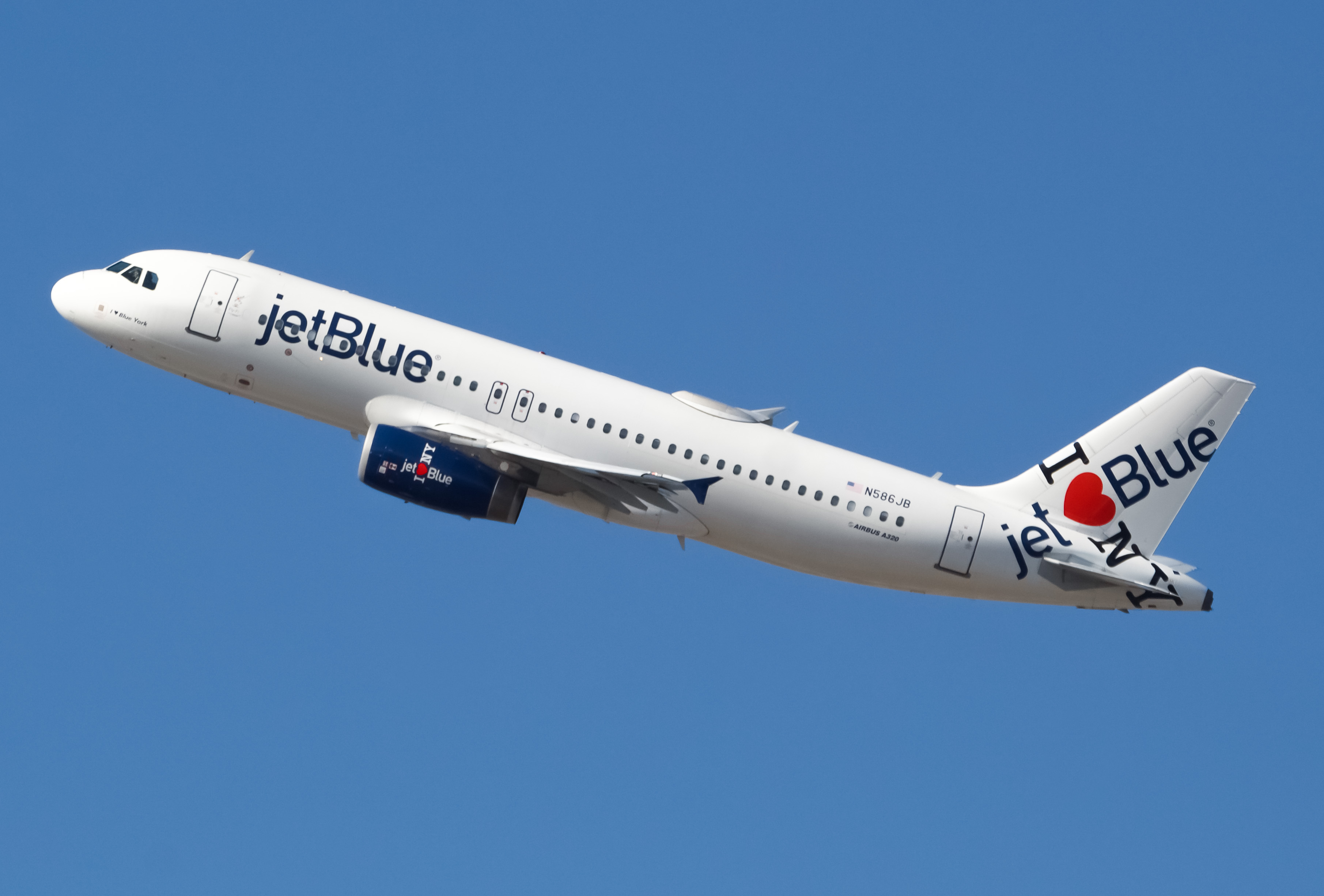
However, the geographic factors that made Virgin America an attractive target also acted as a massive selling point for Seattle-based Alaska Airlines. Alaska Airlines, who focused their routes on the West Coast, also made a bid to acquire Virgin America in hopes of further solidifying its position as a West Coast airline. In the end, Alaska was willing to pay more for the deal, leaving JetBlue without a merger partner. JetBlue continued to grow on its own, improving its product and entering new, mostly leisure-oriented markets.
However, another opportunity to grow through consolidation presented itself recently, when Frontier announced its intention to merge with ultra-low-cost carrier Spirit Airlines. Weeks after this announcement, JetBlue made a bid to acquire Spirit as well, and offered more money per share for the acquisition. Ultimately, Spirit is siding with Frontier, having rejected an earlier JetBlue bid, forcing the airline to respond with a "hostile" bid just yesterday. While a merger with JetBlue would boost the combined carrier’s East Coast presence (specifically in Florida), other factors, such as regulatory approval and differences in business models, serve as significant flaws in the proposed deal. Once again, JetBlue has found itself without a merger partner. However, given the success of the carrier’s products, it is likely that JetBlue will continue to expand its offerings without the assistance of consolidation.
Why Airlines Are Facing New Legal Pressure Over AI-Driven Overbooking Decisions » Delta A330 Makes Emergency Landing in Portugal After Smoke Fills Cabin, Injuring 14 » Southwest Airlines Flight Returns to Orlando After Bird Strike on Takeoff »

Comments (0)
Add Your Comment
TAGS
INFORMATIONAL JetBluemergeracquisitionpartnerSpiritFrontierRECENTLY PUBLISHED
 IATA's New Passenger Data Shows Global Air Travel Demand Shrinking for the First Time This Year
Global air travel just hit a reverse that has not been seen in months -- the numbers point to something more interesting than a simple slowdown.
INFORMATIONAL
READ MORE »
IATA's New Passenger Data Shows Global Air Travel Demand Shrinking for the First Time This Year
Global air travel just hit a reverse that has not been seen in months -- the numbers point to something more interesting than a simple slowdown.
INFORMATIONAL
READ MORE »
 The $30 Billion Question: Why America's Air Traffic Control Overhaul Keeps Getting More Expensive
The U.S. government is seeking $30 billion more to modernize America’s aging air traffic control system. Explore the rising $42.5 billion price tag, GAO oversight concerns, and where the new funding would go.
INFORMATIONAL
READ MORE »
The $30 Billion Question: Why America's Air Traffic Control Overhaul Keeps Getting More Expensive
The U.S. government is seeking $30 billion more to modernize America’s aging air traffic control system. Explore the rising $42.5 billion price tag, GAO oversight concerns, and where the new funding would go.
INFORMATIONAL
READ MORE »
 Embraer Posts Record 66 Aircraft Deliveries in Q3 2026 as Commercial Jets Climb 10%
Embraer delivered 66 aircraft in Q3 2026, its strongest third quarter on record, with commercial jets up 10% and business jets rising 41%.
NEWS
READ MORE »
Embraer Posts Record 66 Aircraft Deliveries in Q3 2026 as Commercial Jets Climb 10%
Embraer delivered 66 aircraft in Q3 2026, its strongest third quarter on record, with commercial jets up 10% and business jets rising 41%.
NEWS
READ MORE »
More than just headlines.
Get unlimited ad-free access to in-depth aviation news, premium stories, and exclusive insights other sites don't cover.
- Ad-free browsing on AeroXplorer
- Unlimited access to premium and exclusive articles
- Higher photo upload limits & commissions on sales
- Free access to Jetstream Magazine on higher tiers
- Ad-free browsing
- Sell aviation photos with 60% commission
- First week free!
- Everything in Basic+
- Unlimited premium articles
- Sell aviation photos with 70% commission
- Free Digital subscription to Jetstream Magazine
- First week free!
- Everything in Basic+ and Pro
- Sell aviaiton photos with 80% commission
- Early access to exclusive stories
- Free Digital+Print subscription to Jetstream Magazine