
There are surfaces in aerospace components and automotive parts that nobody has been able to inspect properly.
This mainly stems from current spectral approaches and the nature of measurement. Devices are often bulky and unable to fit around tighter spaces, requiring full part removal in order for proper part assessment. However, with aircraft often requiring such tight turnarounds, this becomes infeasible at a larger scale.

However, one company has designed a solution to this problem, built on research from MIT and years of expertise in designing and building metrology instruments.
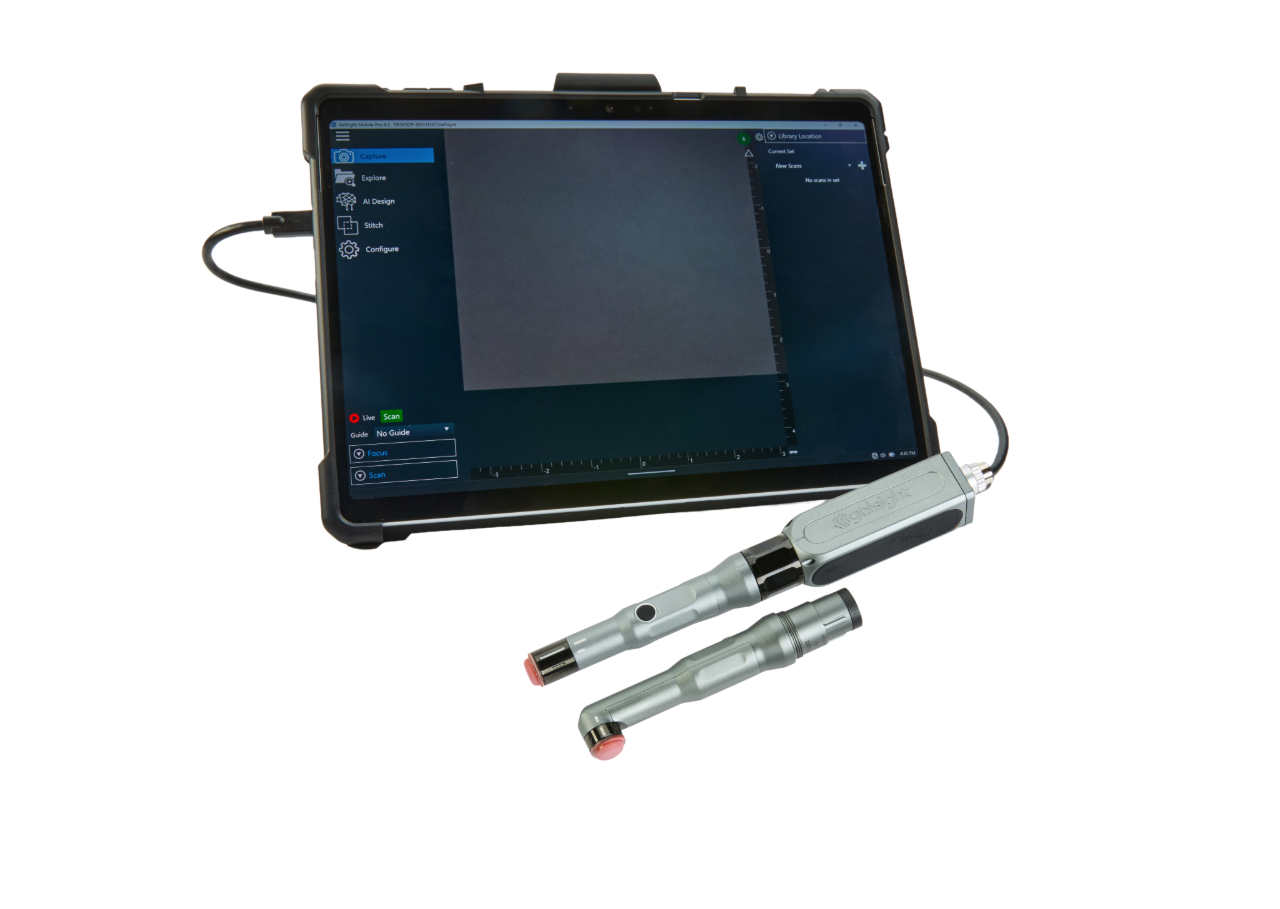
Enter GelSight, a Massachusetts-based firm underpinned by 15 years of solving the world’s most advanced measurement problems. Now, with the launch of its Modulus product, GelSight is tackling one of the most stubborn challenges in industrial inspection: acquiring accurate, quantitative surface data from places that are difficult to access using conventional equipment.
How it Works
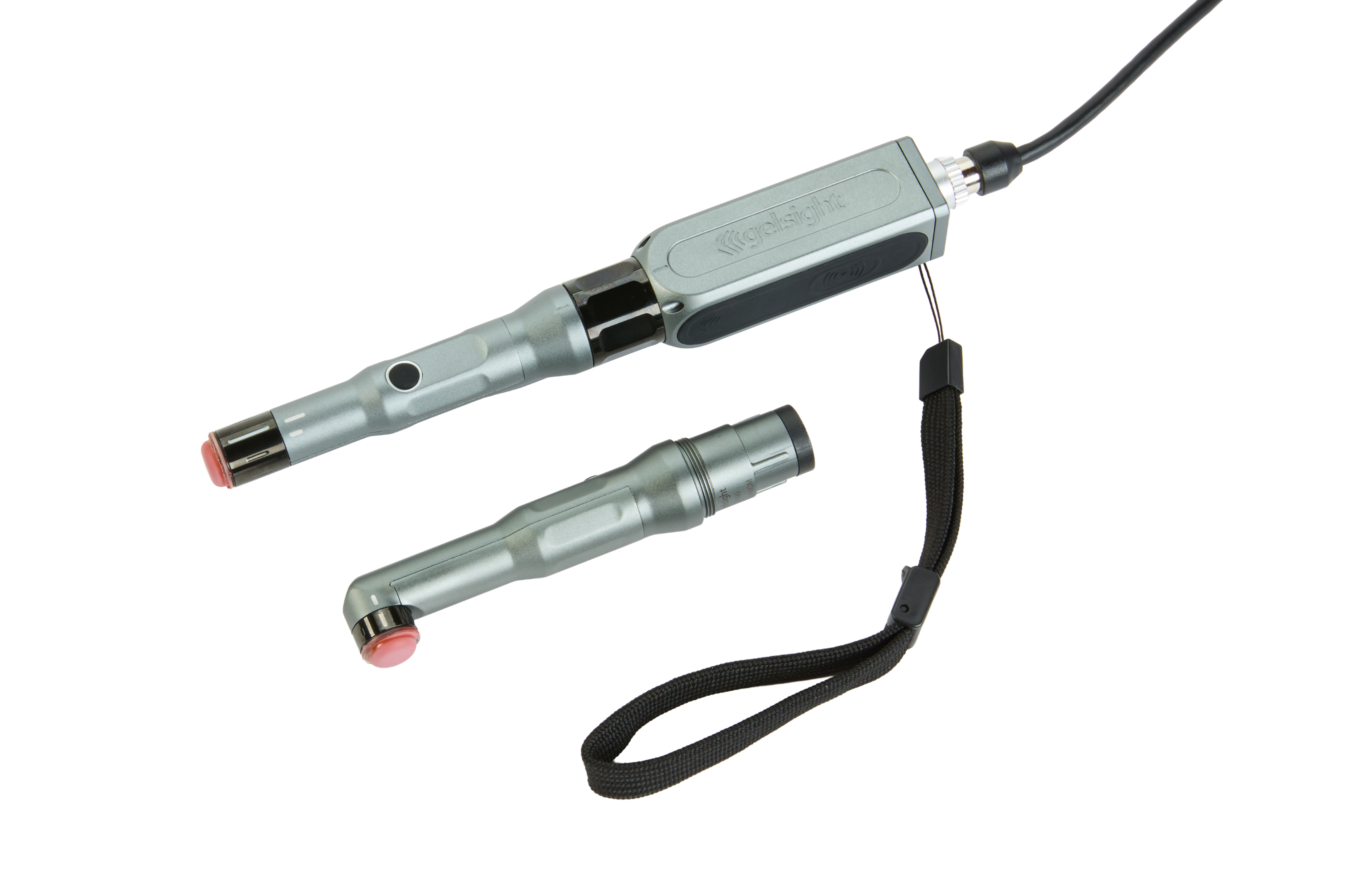
GelSight’s Modulus product is based on its core technology: tactile imaging. In it, a soft, elastomeric gel is pressed against a surface, capturing the geometry with micrometer accuracy. This imprint can be translated into high-resolution 3D surface data, which can then be used to detect defects like scratches, corrosion, and edge wear.
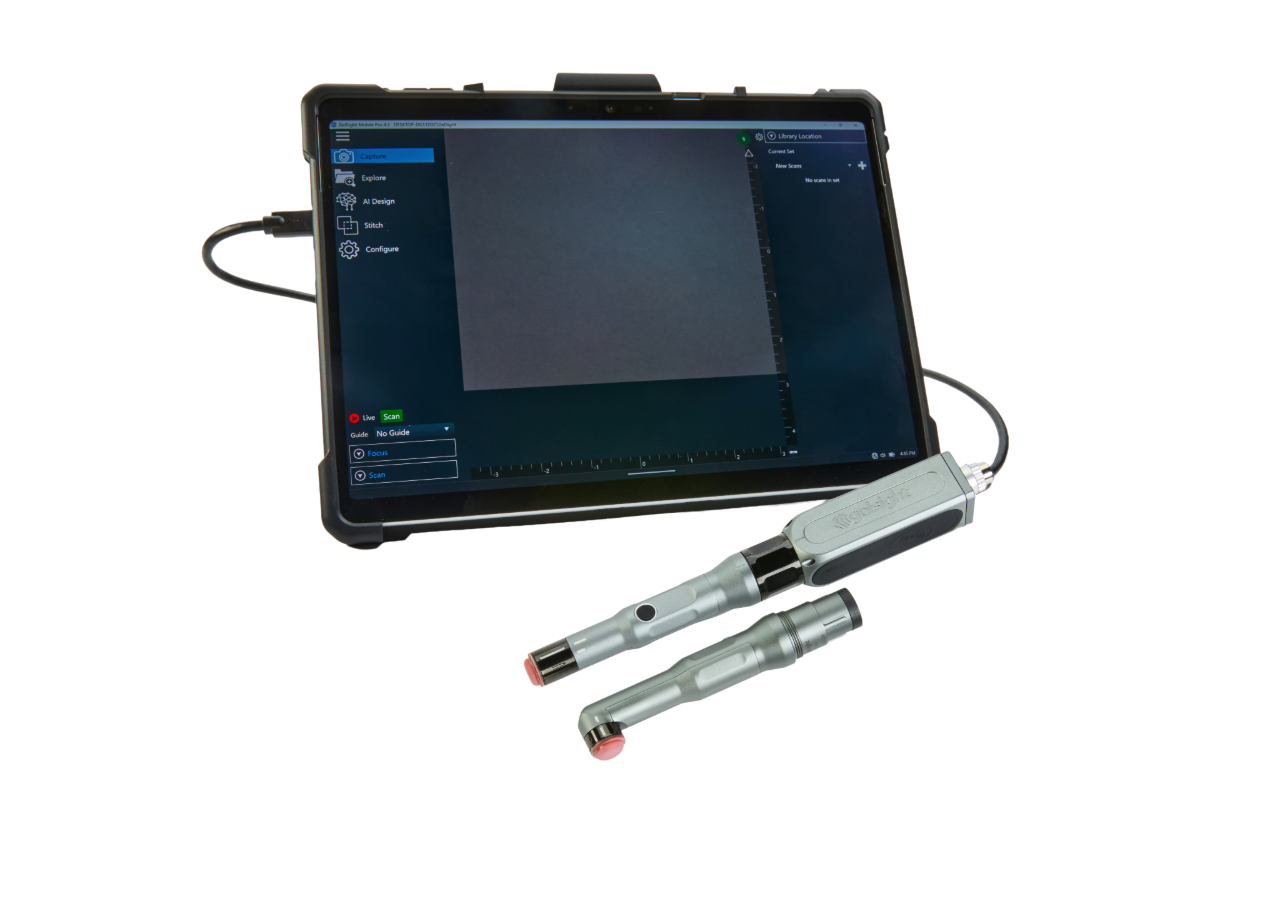
It works on any material, under any ambient lighting conditions, and does not require a laboratory. In fact, Abby Lindberg, Director of Applications Engineering at GelSight, demonstrated the Modulus tool at MRO Americas 2026 in Orlando.
In the video, Lingberg showcases the simplicity of the Modulus. From a three-second scan, the Modulus software is able to generate a 3D reconstruction of the surface, from which the characteristics of the defect can be derived. The software can then generate an editable PDF report, outlining the scan results and defect attributes.
A Step Up from Previous Methods
The fact that the device can be used outside a laboratory matters more than it sounds. Before tools like the Modulus existed, engineers who needed surface measurements typically had two options: using replica workflows or disassembling/destroying the part. Both cost money and time that most operators could not afford at scale.
But GelSight’s mobile metrology products changed that calculation for open, accessible surfaces. Now, the Modulus takes it even farther, into surfaces that are harder to reach.
Modulus is designed specifically for field teams working in aerospace, energy, and precision manufacturing, in operations that include components with internal surfaces or tight geometries that need regular inspections.
Modulus can now replace current inspection workflows, providing quantitative data in mere seconds. In fact, by using Modulus, a major jet engine manufacturer reduced its inspection time from 1.7 weeks to 2 days to inspect a critical part.
The Broader Picture
GelSight has customers across civilian and military aerospace, precision manufacturing, forensics, and academic research. The company has a track record of taking laboratory-grade measurement science and implementing it into tools that work in real operating environments.
Modulus falls into this pattern. The technology behind it is sophisticated, but its application is not. For executives evaluating where inspection bottlenecks lie in their operations: Are there surfaces in your critical components that you are currently unable to measure without significant disruption?
If the answer is yes, that is the exact problem this product was built to fix. Visit GelSight’s website to learn more, or click here to request an email with more information.
US Moves to Accelerate Aircraft Certification Citing Competition from China's Aviation Industry » Caribbean Airlines Expands Network With New Toronto and Caracas Routes » Why Statistics Matters for Future Aviation Professionals »

Comments (0)
Add Your Comment
TAGS
INFORMATIONAL GelSight Non Destructive Testing NDT DevicesRECENTLY PUBLISHED
 KLM Brings Starlink Internet to Long-Haul Flights
KLM Royal Dutch Airlines will roll out free high-speed Starlink Wi-Fi on long-haul flights starting in 2027, but short-haul routes miss out.
NEWS
READ MORE »
KLM Brings Starlink Internet to Long-Haul Flights
KLM Royal Dutch Airlines will roll out free high-speed Starlink Wi-Fi on long-haul flights starting in 2027, but short-haul routes miss out.
NEWS
READ MORE »
 US State Department Warns of Threats to Airlines and Airports in Saudi Arabia Following Deadly Houthi Attacks
The US State Department has issued a security alert for Saudi Arabia after Houthi air attacks on the kingdom killed three people and injured dozens more.
NEWS
READ MORE »
US State Department Warns of Threats to Airlines and Airports in Saudi Arabia Following Deadly Houthi Attacks
The US State Department has issued a security alert for Saudi Arabia after Houthi air attacks on the kingdom killed three people and injured dozens more.
NEWS
READ MORE »
 Southwest Airlines Becomes First US Carrier to Integrate Flight Booking Into ChatGPT
Southwest Airlines launches a first-of-its-kind ChatGPT plugin, allowing travelers to search and book flights directly through the AI platform.
NEWS
READ MORE »
Southwest Airlines Becomes First US Carrier to Integrate Flight Booking Into ChatGPT
Southwest Airlines launches a first-of-its-kind ChatGPT plugin, allowing travelers to search and book flights directly through the AI platform.
NEWS
READ MORE »
More than just headlines.
Get unlimited ad-free access to in-depth aviation news, premium stories, and exclusive insights other sites don't cover.
- Ad-free browsing on AeroXplorer
- Unlimited access to premium and exclusive articles
- Higher photo upload limits & commissions on sales
- Free access to Jetstream Magazine on higher tiers
- Ad-free browsing
- Sell aviation photos with 60% commission
- First week free!
- Everything in Basic+
- Unlimited premium articles
- Sell aviation photos with 70% commission
- Free Digital subscription to Jetstream Magazine
- First week free!
- Everything in Basic+ and Pro
- Sell aviaiton photos with 80% commission
- Early access to exclusive stories
- Free Digital+Print subscription to Jetstream Magazine