
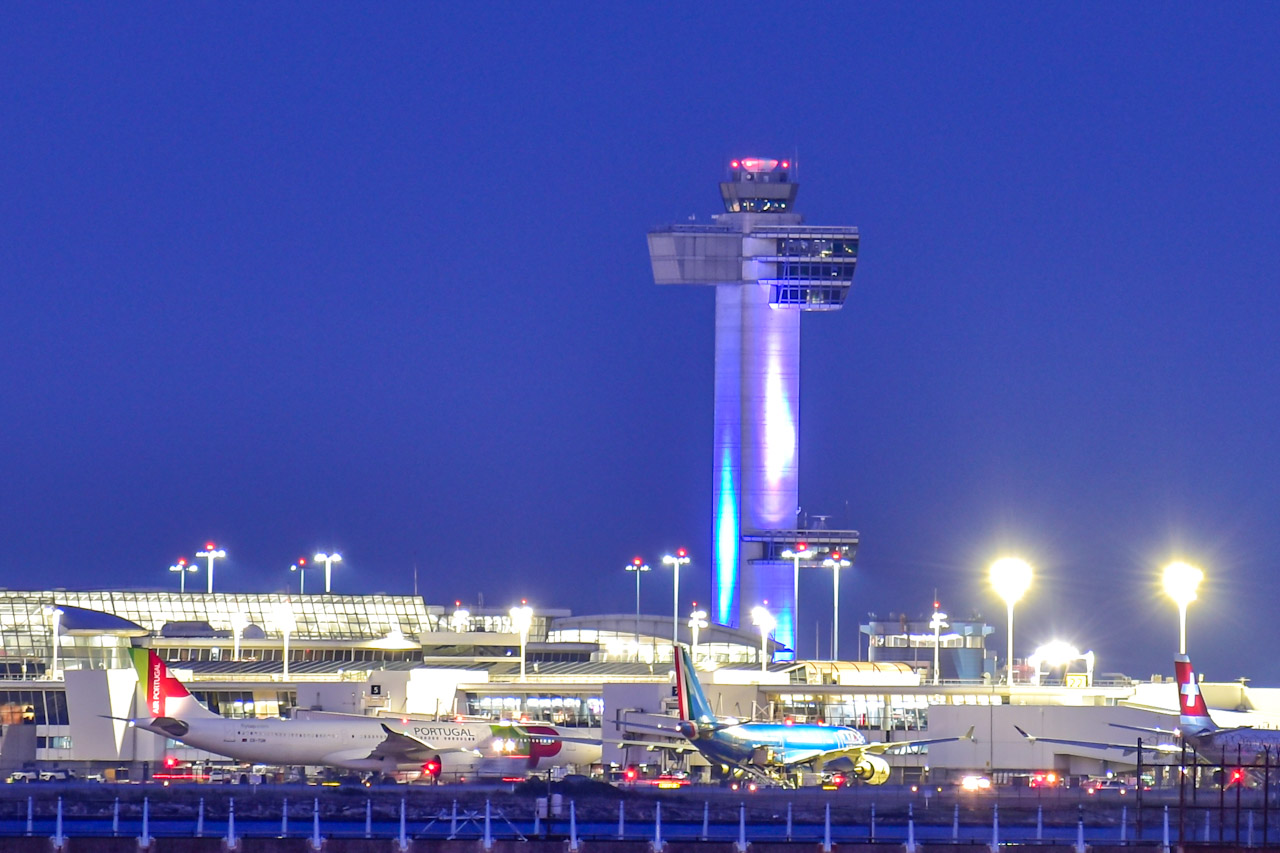

The Federal Aviation Administration has selected L3Harris Technologies to modernize the nation's air traffic surveillance network, a system that tracks aircraft movements across United States airspace and forms a foundational layer of the country's aviation safety infrastructure.
The contract calls on L3Harris to replace and upgrade aging surveillance equipment that has served the FAA for decades. The work forms part of a broader push by the agency to overhaul air traffic control technology, much of which relies on hardware and software installed years ago.
What the Contract Covers
Under the agreement, L3Harris will deliver next-generation surveillance systems capable of processing data from radar sites, Automatic Dependent Surveillance-Broadcast (ADS-B) stations, and other tracking sources feeding information into FAA facilities nationwide. These systems provide controllers with the real-time position data they use to separate aircraft, sequence arrivals, and manage traffic flow across the National Airspace System.
The company has held a longstanding role as a supplier of surveillance technology to the FAA, and this award extends that relationship into the next phase of the agency's modernization effort. The new equipment is designed to integrate with existing air traffic control platforms while providing improved processing capacity, redundancy, and cybersecurity protections.

Why the Upgrade Matters Now
The FAA has faced growing pressure from lawmakers, industry groups, and safety advocates to accelerate technology upgrades after a series of outages and near-miss incidents drew attention to the age of critical systems. Several high-profile disruptions in recent years, including a nationwide ground stop tied to a failure of the Notice to Air Missions system, prompted calls for faster investment in resilient infrastructure.
Surveillance sits at the center of that conversation. Controllers depend on accurate, uninterrupted position data to safely manage the tens of thousands of flights operating in US airspace each day. When surveillance feeds degrade or fail, controllers must increase separation between aircraft, which reduces capacity and can ripple through the system as delays.
The modernization is also tied to the continued rollout of ADS-B, the satellite-based tracking technology that has largely replaced traditional radar as the primary means of surveillance in many parts of the country. ADS-B allows aircraft to broadcast their position, altitude, and velocity to ground stations and other aircraft, providing more precise data than legacy radar systems.

The Cockpit’s Next Revolution: When the Co-Pilot Is a Computer
Integration With Broader Modernization
The surveillance contract fits within a wider modernization program the FAA has outlined for its air traffic control infrastructure. That program includes replacement of aging radios, updates to controller workstations, upgrades to facility telecommunications, and consolidation of some legacy facilities into newer centers.
The Trump administration and members of Congress from both parties have called for a comprehensive rebuild of air traffic control systems, with proposals ranging from targeted equipment replacement to broader structural reforms of how the FAA delivers air traffic services. Funding for the modernization effort has drawn bipartisan support, though disagreements remain about the pace and scope of the work.
L3Harris, headquartered in Melbourne, Florida, produces a range of communications, surveillance, and mission systems for civil and defense customers. Its aviation portfolio includes air traffic management technology deployed in the United States and abroad, giving the company a technical base to draw on for the FAA project.

What Pilots and Passengers Can Expect
For pilots operating in the National Airspace System, the changes will largely occur behind the scenes. Cockpit equipment requirements are not directly affected by the new contract, though the improved ground infrastructure is expected to deliver more consistent surveillance coverage and fewer service interruptions.
Passengers stand to benefit indirectly through improved reliability. Surveillance outages have contributed to delays and cancellations in past years, and modernized equipment with better redundancy should reduce the frequency and severity of those disruptions. Controllers should also gain access to more accurate and timely position data, which supports safer and more efficient traffic management.
General aviation operators, who fly a wide range of aircraft from single-engine trainers to business jets, have expressed particular interest in the modernization effort. Many general aviation flights operate in airspace where surveillance coverage has historically been thinner than in busy commercial corridors, and improvements to the ground network could expand the areas where controllers can provide radar-like services.
Timeline and Next Steps
The FAA has not published a full public timeline for the deployment of the new equipment, but modernization programs of this scale typically unfold over multiple years as sites are upgraded one by one to avoid disrupting active operations. Contractors and the agency generally coordinate installations to occur during low-traffic periods, with cutovers to new systems handled in stages.
L3Harris will work with FAA technical teams to develop and validate the new surveillance platforms before fielding them across the network. Testing typically occurs at designated FAA facilities before broader deployment, and the agency requires extensive certification of any system that will be trusted with live traffic data.
The award marks another step in a modernization program that industry observers have described as one of the most significant infrastructure undertakings in the FAA's history. Whether the agency can execute on its plans within the timelines it has set will depend on continued funding, workforce capacity, and the technical performance of contractors like L3Harris.
Boston Couple Turns $1.32 Million Home Purchase Into Fully-Funded Seychelles Getaway » Archer Aviation and AEG Target L.A. LIVE for City's First Vertiport Ahead of 2028 Olympics » Turkish Airlines Eyes London City Airport Route and Direct Flights to Australia in Major Expansion »

Comments (0)
Add Your Comment
TAGS
NEWS FAA L3Harris Air Traffic Control Surveillance Technology Aviation Infrastructure ATC Modernization Government Contracts Airspace Safety Radar SystemsRECENTLY PUBLISHED
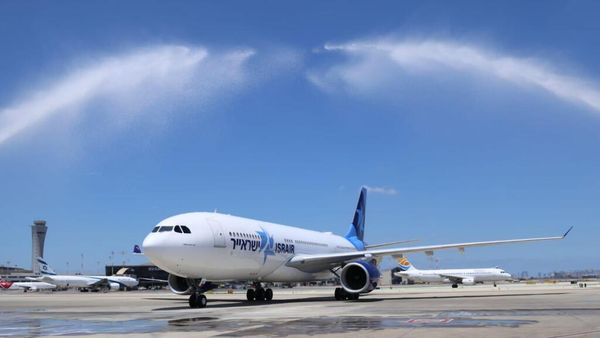 Israir Secures FAA Approval for Tel Aviv to New York Flights Using A330 Widebodies
Israir has cleared a key regulatory hurdle to launch direct service between Tel Aviv and New York, adding widebody A330 aircraft to its fleet.
NEWS
READ MORE »
Israir Secures FAA Approval for Tel Aviv to New York Flights Using A330 Widebodies
Israir has cleared a key regulatory hurdle to launch direct service between Tel Aviv and New York, adding widebody A330 aircraft to its fleet.
NEWS
READ MORE »
 Archer Aviation and AEG Target L.A. LIVE for City's First Vertiport Ahead of 2028 Olympics
Archer Aviation and AEG plan to build Los Angeles' first vertiport at L.A. LIVE, positioning air taxi service for the 2028 Olympic Games.
NEWS
READ MORE »
Archer Aviation and AEG Target L.A. LIVE for City's First Vertiport Ahead of 2028 Olympics
Archer Aviation and AEG plan to build Los Angeles' first vertiport at L.A. LIVE, positioning air taxi service for the 2028 Olympic Games.
NEWS
READ MORE »
 Capital Airlines Charts Return to North America With Planned Q4 2026 Relaunch
China's Capital Airlines plans to resume North American service in the fourth quarter of 2026, with Vancouver expected to anchor its comeback strategy.
ROUTES
READ MORE »
Capital Airlines Charts Return to North America With Planned Q4 2026 Relaunch
China's Capital Airlines plans to resume North American service in the fourth quarter of 2026, with Vancouver expected to anchor its comeback strategy.
ROUTES
READ MORE »
More than just headlines.
Get unlimited ad-free access to in-depth aviation news, premium stories, and exclusive insights other sites don't cover.
- Ad-free browsing on AeroXplorer
- Unlimited access to premium and exclusive articles
- Higher photo upload limits & commissions on sales
- Free access to Jetstream Magazine on higher tiers
- Ad-free browsing
- Sell aviation photos with 60% commission
- First week free!
- Everything in Basic+
- Unlimited premium articles
- Sell aviation photos with 70% commission
- Free Digital subscription to Jetstream Magazine
- First week free!
- Everything in Basic+ and Pro
- Sell aviaiton photos with 80% commission
- Early access to exclusive stories
- Free Digital+Print subscription to Jetstream Magazine