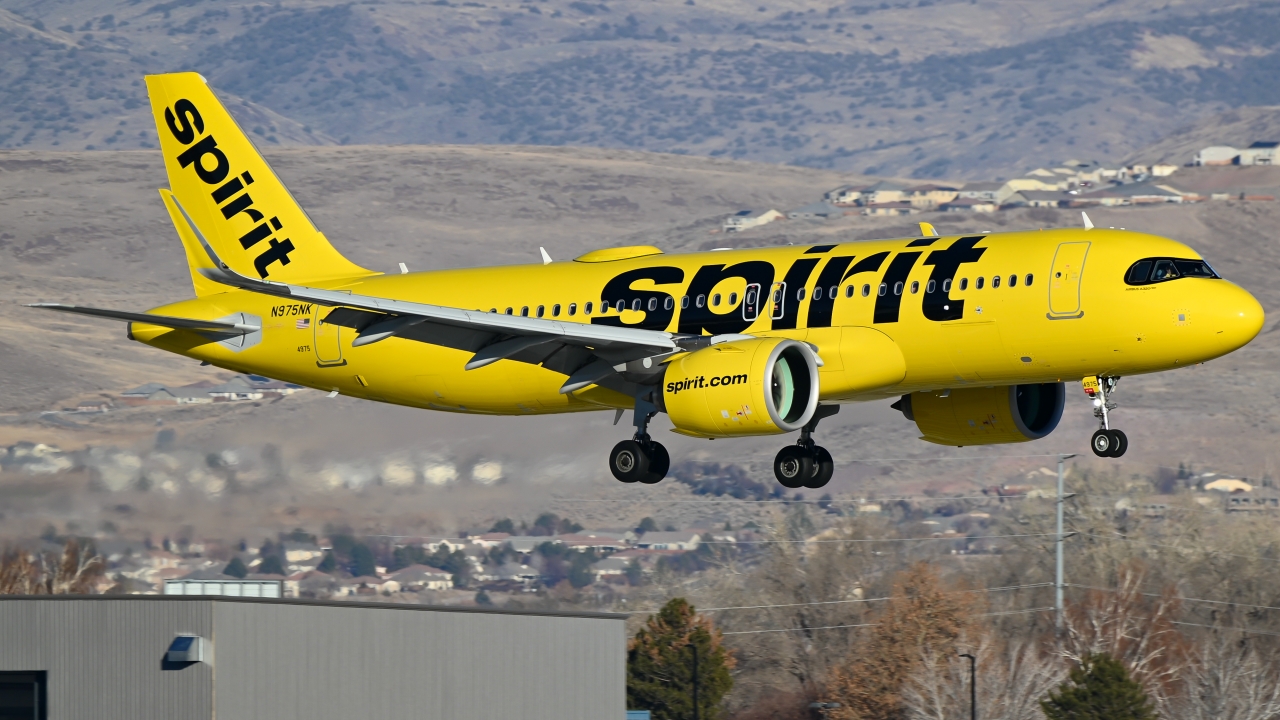

In July 2010, Spirit Airlines CEO Ben Baldanza appeared before a House committee to defend one of the most controversial business models in U.S. aviation. Under Spirit's "Bare Fare" approach, the airline stripped its ticket down to the seat itself, charging separately for everything else – carry-on bags, onboard refreshments, and other once-standard amenities – in exchange for dramatically lower base fares.
Consumers didn't like it. At least they said they didn't.
Yet, rather than trying to appease Congress, Spirit doubled down.

"Spirit believes that unbundling [non-essential services] allows the customers the choice to purchase services or not, and this benefits the traveling public through lower total cost," Baldanza told lawmakers.
Spirit ultimately won that argument. The model reshaped pricing across the airline industry, forcing prices down as legacy carriers rushed to respond. But as those larger carriers adapted, they began to leverage their scale, networks, and premium offerings. The very disruption that once set Spirit apart began to work against it.
Before long, the ultra-low-cost pioneer found itself not leading the market, but fighting for survival.
Early History
The business that would eventually become Spirit was founded in 1964 as Clippert Trucking Company by Ned Homfeld, a Michigan native. Ten years later, the company was re-founded as Ground Air Transfer Inc. The new company specialized in delivering parts needed by automobile manufacturers.
By 1980, Homfeld decided to expand his entrepreneurial venture to the passenger air travel segment, and Ground Air Transfer Inc. became Charter One Airlines. The carrier launched service in 1983 with a modest fleet of turboprops, and initially focused on ferrying passengers from major cities in the northeast to Atlantic City, a popular casino town.
Initial flights to the Jersey Shore operated from Chicago, Detroit, Boston, and Providence, but the airline soon expanded to other popular entertainment destinations such as Las Vegas, Florida, and cities in the Caribbean. By 1990, the carrier had established itself as a popular choice for vacation packages among travelers seeking fun getaways throughout the United States and Caribbean.
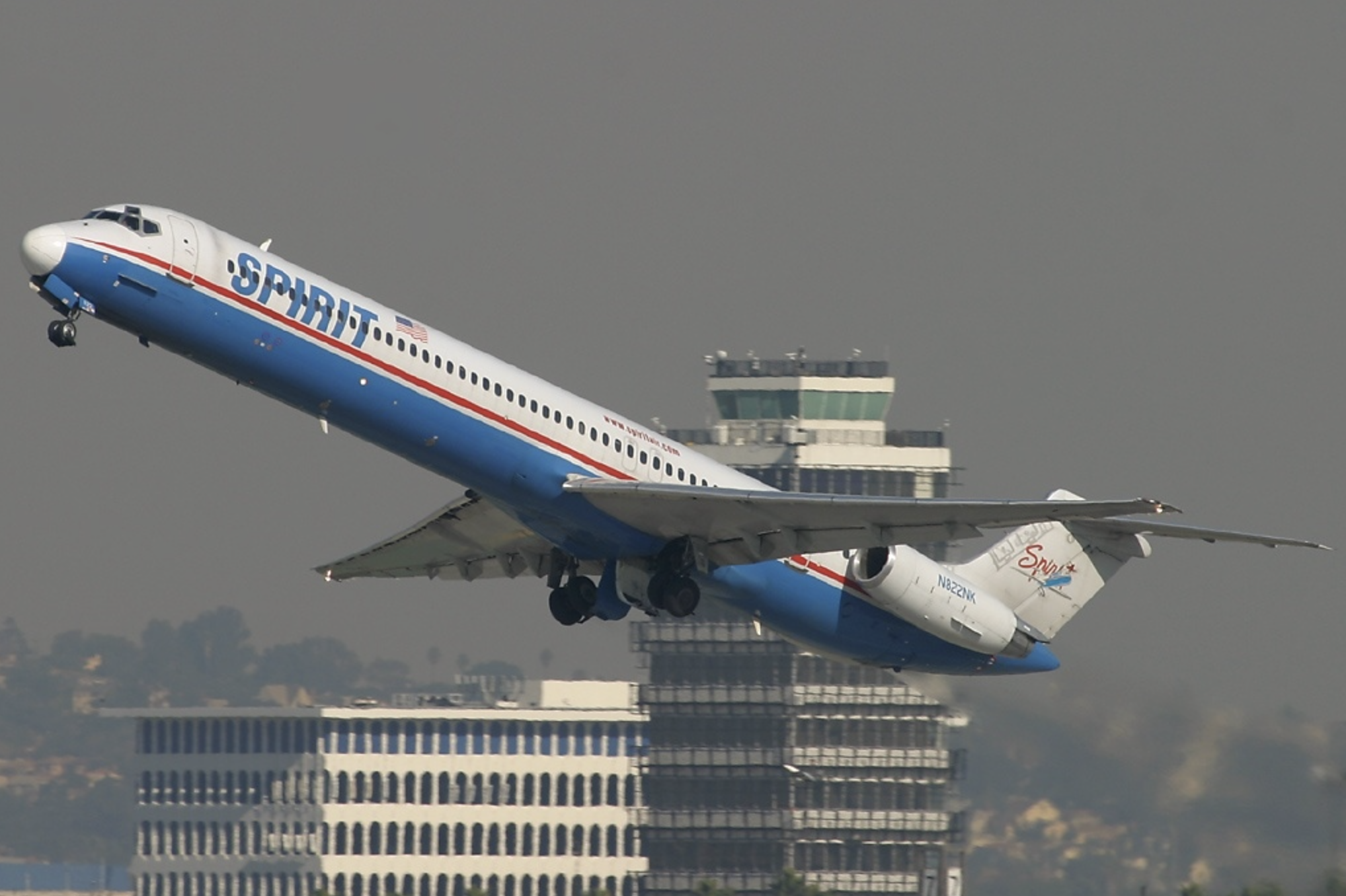
In 1992, the company changed its name to Spirit Airlines and acquired six McDonnell Douglas DC-9 jets. These aircraft replaced the company’s existing fleet of Convair 580 turboprops. On June 1st, 1992, Spirit operated its first scheduled passenger flight from Detroit to Atlantic City. Its initial routes connected the New Jersey city with Detroit, Boston, and Providence. Soon after, the carrier expanded its footprint across the United States.
Armed with a fleet of jet aircraft, Spirit spread its wings during the 1990s, becoming a significant competitor in markets throughout the United States, primarily on the East Coast. By 1998, the Spirit reported $121 million in annual revenue, boasting a fleet of over 20 aircraft. That year, its load factor of 76.4% was the highest of any US airline.
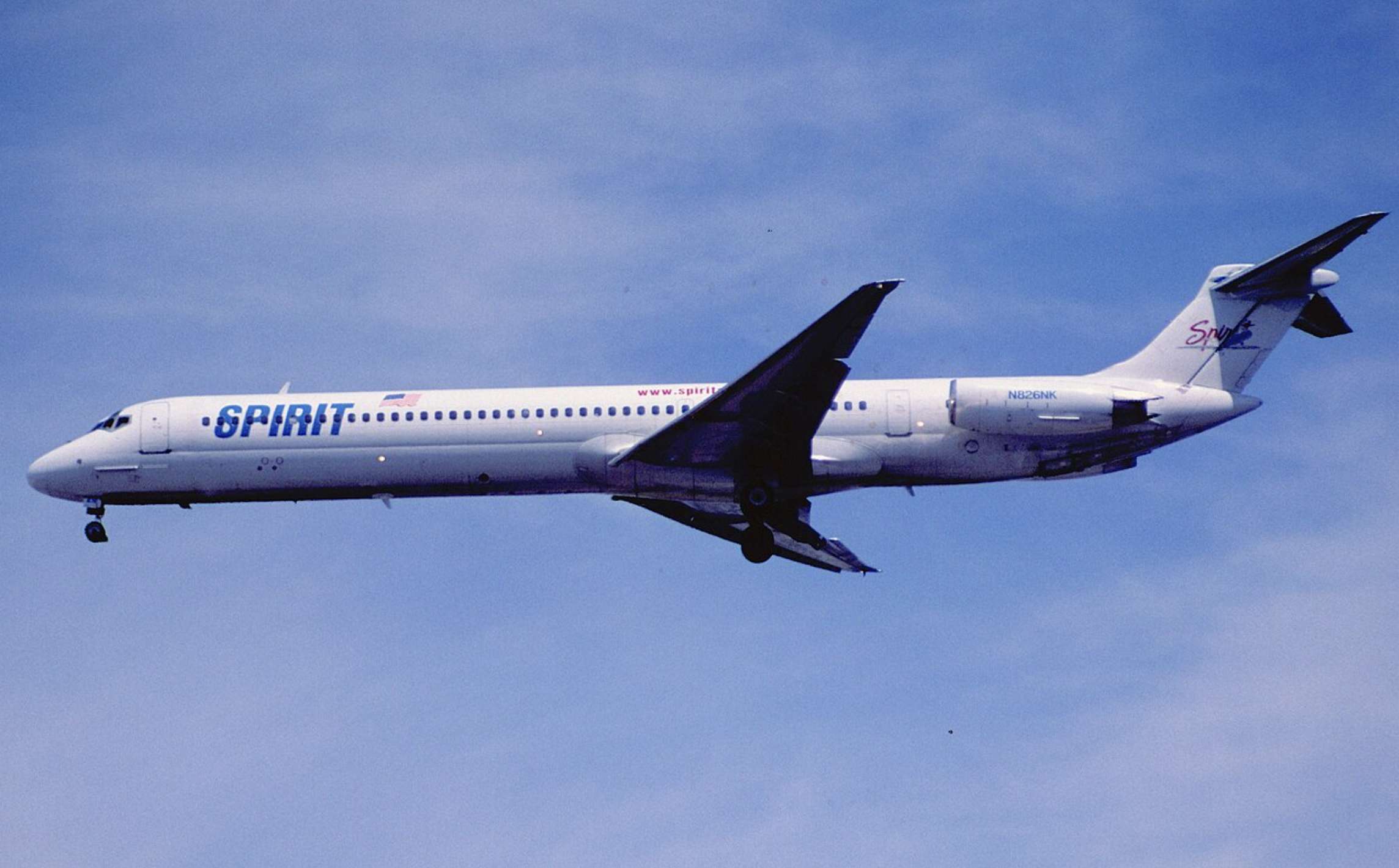
Despite initial success, the 2000s proved tumultuous for airlines in the United States. Spirit was among the many carriers battling rising fuel prices and weak demand, especially after the September 11 terrorist attacks. By 2005, Spirit hemorrhaged $70 million annually, raising questions about its future in the industry. The airline responded by making drastic changes to its business model, becoming the ultra-low-cost carrier passengers know today.
Low-Cost Renaissance
In 2006, private equity firm Indigo Partners acquired a stake in the struggling Spirit Airlines, setting the stage for a dramatic turnaround. Known for its investments in budget carriers such as WizzAir, Indigo saw an opportunity to reshape Spirit amid a difficult operating environment. Backed by the leadership of then-CEO Ben Baldanza, the firm ushered in a drastic overhaul of Spirit’s business model.
Spirit was already a low-cost carrier, but, under new leadership, the airline worked to reduce its base fares even further than its competitors by charging for items commonly included in tickets; amenities such as checked bags, snacks, and even carry-on bags came with additional fees, meaning passengers would have to pay extra for perks included in tickets on other airlines. This “a la carte” pricing strategy had already been deployed by budget airlines like Ryanair in Europe, but the concept was relatively new to the United States.

This shift led consumers to quickly associate Spirit’s brand with hidden fees and uncomfortable cabins. And yet, despite ample customer complaints and intense scrutiny from Congress, passengers flocked to Spirit to take advantage of rock-bottom fares. By 2012, the airline boasted an impressive 12.6% operating margin, while its rival, Delta, posted a margin of approximately 6% during the same period.
With renewed financial strength, Spirit began to fiercely compete with legacy carriers in major hub markets, expanding to destinations like Dallas/Fort Worth, Denver, and Los Angeles. This put downward pressure on fares in the markets it entered.
The Birth of Basic Economy
Spirit’s business model drew ample criticism from consumers and regulators alike, but the airline’s stellar financial performance was undeniable. Legacy carriers like American Airlines took notice of Spirit’s strategy. Emulating its smaller competitor, American became the first major carrier to charge for checked baggage in 2008. However, these Spirit-inspired changes were the first of many for the airline industry.
In 2015, Spirit began advertising itself as the "Home of the Bare Fare,” a reminder to passengers that their low prices were not all-inclusive. Though Spirit was far smaller than many of its competitors, the unbundled tickets drew attention from Atlanta-based Delta Air Lines. Observing Spirit’s rapid growth and success, it began experimenting with a similar pricing strategy to remain competitive amidst Spirit’s expansion.
In 2012, Delta Air Lines became the first legacy carrier in the United States to experiment with a new fare class, which it called "Basic Economy." The concept was very similar to Spirit’s Bare Fare: Basic Economy tickets had no flexibility and offered no advanced seat selection. Delta’s experiment succeeded, prompting the carrier to expand the offering to flights across its network. Basic Economy was available on all Delta flights by the end of 2018. United Airlines and American Airlines launched their own Basic Economy products in 2017 in an attempt to better compete with both Delta and Spirit.

Spirit’s Demise
The airline industry today looks vastly different from when Spirit brought the ultra-low-cost business model to American skies in the mid-2000s. Changes in the external operating environment, some of which Spirit catalyzed, have also taken a toll on the once successful carrier.
Like most commercial airlines in the United States, Spirit faced rising costs in the wake of the global pandemic. By the second quarter of 2024, Spirit’s labor costs had increased by 43.7% from 2019. For comparison, legacy carriers like United and Delta Air Lines saw more modest changes in labor costs, increasing 20.5% and 33.1% respectively.
Unlike Spirit, legacy carriers are equipped with global networks and premium cabins to command more revenue to offset increased costs. These are particularly valuable assets to possess, given a recent boom in demand for international travel and premium cabins. Business class suites, premium economy, and extra legroom options have all helped legacy carriers compensate for rising costs. Meanwhile, Spirit’s bare-bones cabins and limited offerings have rendered it unable to cope with a higher cost structure, resulting in annual losses every year since the pandemic.

Spirit’s challenges extend beyond its eroded cost advantage. The carrier grounded 39 of its newer A320neo jets, hindering the airline’s growth plans. The grounding occurred due to defects in the turbine and compressor of the Pratt and Whitney PW1000G engine. Meanwhile, regulators rejected JetBlue’s attempt to acquire Spirit in 2024, forcing the struggling airline to chart its own way forward.
Spirit Airlines is struggling to bear the weight of rising costs and a lack of premium seating options. Meanwhile, its competitors are using the basic economy tickets Spirit first brought to the market to poach more of its customers. This creates a challenging dilemma for the low-cost pioneer, leaving it with an uncertain future as the industry continues to evolve.
This content is only available with an AeroXplorer+ subscription.
KLM Brings Starlink Internet to Long-Haul Flights » Riyadh Airport Closed After Reported Ballistic Missile Strike on Saudia Airbus Jet » American Airlines Swaps Landline Buses for CRJ-700 Flights on 84-Mile South Bend to Chicago Route »

Comments (1)
 Talha
I hate low-cost airlines. But I wonder what makes RyanAir (or Air Asia) still competitive in the market?
Talha
I hate low-cost airlines. But I wonder what makes RyanAir (or Air Asia) still competitive in the market?
Add Your Comment
TAGS
INFORMATIONAL Spirit Airline History Spirit Airlines Travel Consumer AviationRECENTLY PUBLISHED
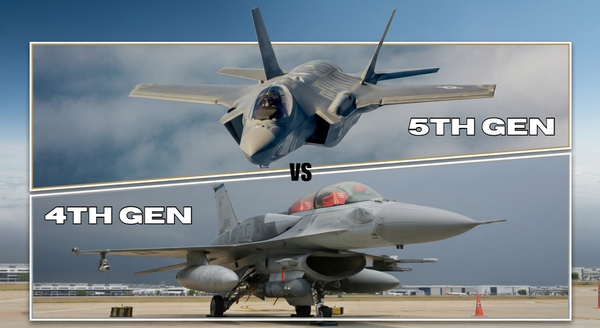 4th vs 5th Generation Fighter Jets: How Fighter Jets Have Evolved
A look at what separates fourth- and fifth-generation fighter jets, from stealth and sensor fusion to combat capability and cost.
INFORMATIONAL
READ MORE »
4th vs 5th Generation Fighter Jets: How Fighter Jets Have Evolved
A look at what separates fourth- and fifth-generation fighter jets, from stealth and sensor fusion to combat capability and cost.
INFORMATIONAL
READ MORE »
 United 777 Diverts to Dublin After Cockpit Windscreen Cracks Over the Atlantic
A United Airlines Boeing 777 bound for Milan made a steep descent and diverted to Dublin after its cockpit windscreen cracked mid-flight.
NEWS
READ MORE »
United 777 Diverts to Dublin After Cockpit Windscreen Cracks Over the Atlantic
A United Airlines Boeing 777 bound for Milan made a steep descent and diverted to Dublin after its cockpit windscreen cracked mid-flight.
NEWS
READ MORE »
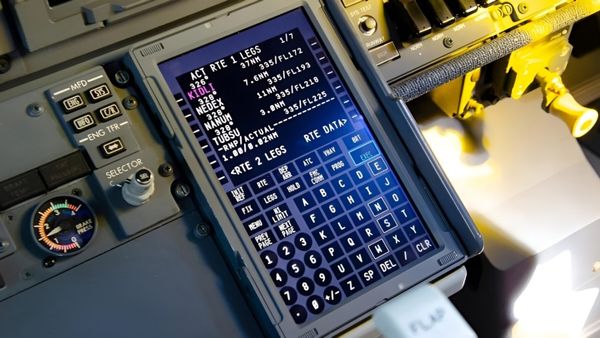 Boeing's Touchscreen Flight Controls for 737 Draw Sharp Criticism from Pilots
Boeing's plan to introduce Touchscreen Control Display Units on the 737 has sparked backlash from pilots who warn of safety and usability concerns.
NEWS
READ MORE »
Boeing's Touchscreen Flight Controls for 737 Draw Sharp Criticism from Pilots
Boeing's plan to introduce Touchscreen Control Display Units on the 737 has sparked backlash from pilots who warn of safety and usability concerns.
NEWS
READ MORE »
More than just headlines.
Get unlimited ad-free access to in-depth aviation news, premium stories, and exclusive insights other sites don't cover.
- Ad-free browsing on AeroXplorer
- Unlimited access to premium and exclusive articles
- Higher photo upload limits & commissions on sales
- Free access to Jetstream Magazine on higher tiers
- Ad-free browsing
- Sell aviation photos with 60% commission
- First week free!
- Everything in Basic+
- Unlimited premium articles
- Sell aviation photos with 70% commission
- Free Digital subscription to Jetstream Magazine
- First week free!
- Everything in Basic+ and Pro
- Sell aviaiton photos with 80% commission
- Early access to exclusive stories
- Free Digital+Print subscription to Jetstream Magazine