
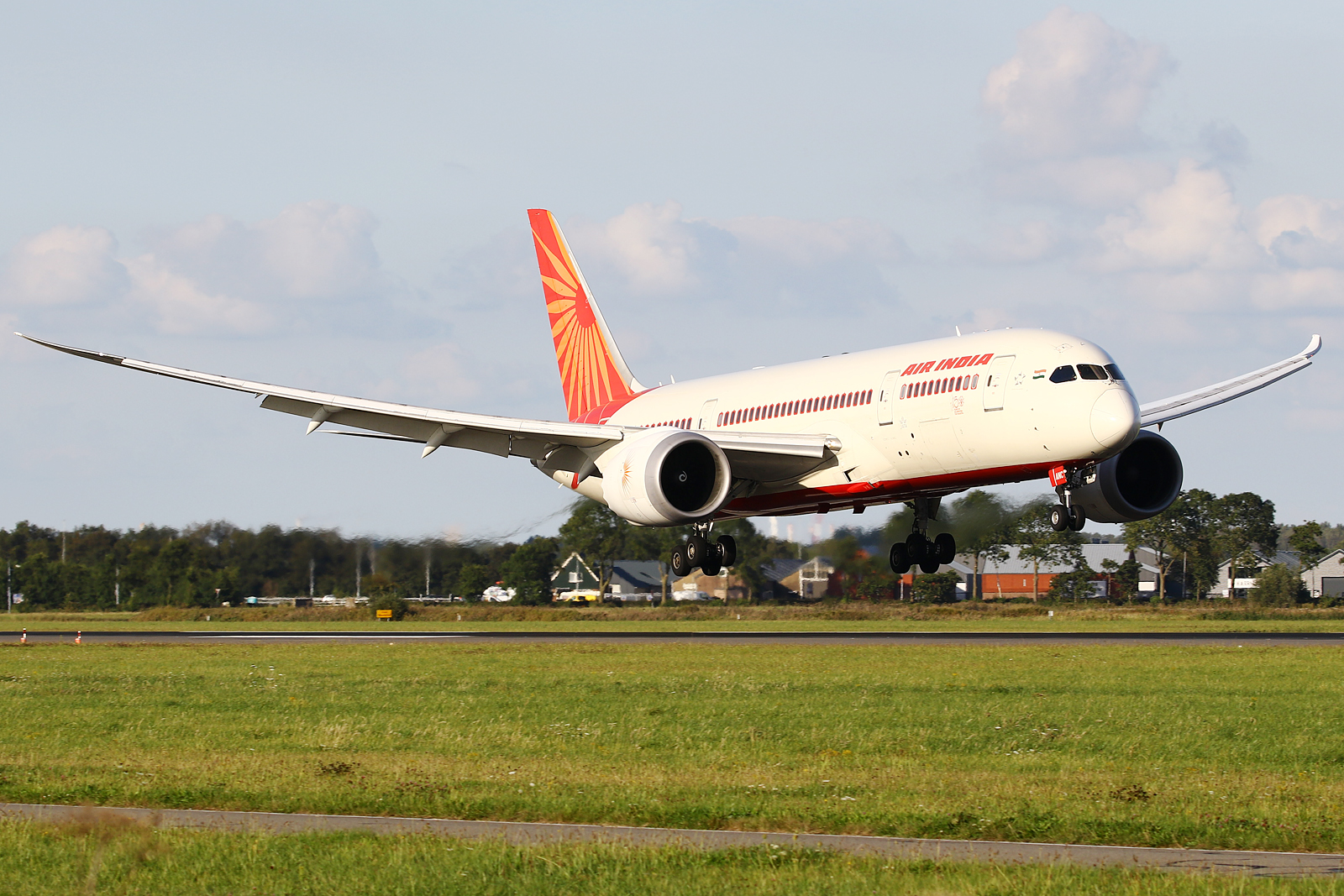

Air India has confirmed a sustained and significant reduction in its international flight operations stretching through the end of July 2026, following an internal message from outgoing Chief Executive and Managing Director Campbell Wilson. The cutbacks, which affect some of the airline's most commercially important routes to the United Kingdom, the United States, Canada, France, and Australia, are the direct consequence of jet fuel prices that have surged by more than 80% since February and airspace restrictions over West Asia that are forcing Indian carriers to fly longer, more expensive routes around conflict zones. The timing could not be more damaging, arriving as Air India is attempting the most ambitious corporate transformation in Indian aviation history under Tata Group ownership.
The CEO's Message and the Scale of the Cuts
"We have reduced some flying for April and May… the massive rise in jet fuel prices, which together with airspace closures and longer flying routes, have caused many of our international flights to become unprofitable to operate," Wilson informed employees, as reported by Mint.
CEO Campbell Wilson delivered the news in a message to staff, stating the airline has "no choice but to further trim schedules for June and July" as conditions remain "extremely challenging."
The cuts follow a 10–12% reduction in international capacity already implemented across April and May. What began as a short-term adjustment has hardened into a multi-month capacity crisis, one that is now cascading directly onto passengers.
The airline has decided to cut nearly 100 daily flights, approximately 10% of its 1,100 daily operations. Air India has stopped selling inventory on more than 400 flights and is re-accommodating passengers on partner carriers or alternative dates.

The Fuel Economics That Made This Inevitable
Air India's outgoing CEO cited the massive spike in global jet fuel prices, which skyrocketed nearly 80% to $179.46 per barrel in late April, and the need to fly longer, costlier routes to avoid conflict zones in West Asia.
Fuel typically makes up 30–40% of an airline's operating expenses, but now it is consuming a staggering 55–60% of Air India's total costs.
CEO Campbell Wilson said the airline had "no choice but to ground several wide-bodies on certain days" because routing around closed Iranian and Iraqi airspace adds up to two hours to Europe-Asia sectors, wiping out already-thin margins.
Operational data show that flights traversing the Strait of Hormuz now burn up to 9% more fuel, erasing thin post-pandemic margins. The airline has already tacked on a temporary fuel surcharge but says demand elasticity limits further fare hikes.
The Routes Most Affected
Key hubs connecting Delhi and Mumbai to major global cities, including London, Paris, New York, Toronto, San Francisco, Sydney, and Melbourne, are expected to face a reduced frequency of service.
The cuts affect marquee routes such as Delhi–New York, Mumbai–London and Bengaluru–San Francisco, all heavily used by India's IT services and start-up sectors.
Corporate travel managers report fare spikes of 20–25% on remaining seats, and some firms are rerouting consultants through Singapore or Bangkok despite longer travel times.
Travelers with existing bookings on Air India routes to London, Frankfurt, New York, Toronto, Sydney, and Melbourne are the most exposed. Cancellation notices are going out.
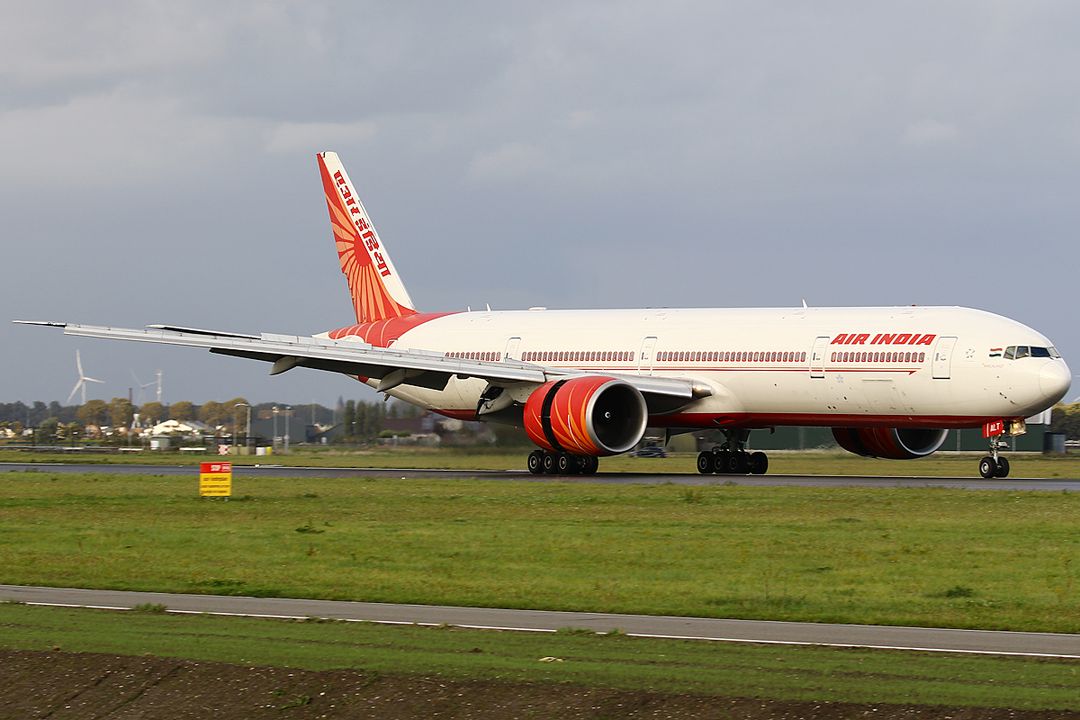
Key International Routes Under Capacity Reduction
Air India has not published a complete official list of specific cancelled flight numbers. The table below reflects the routes most significantly affected based on CEO communications and reporting. Passengers should check their current booking status directly with Air India.
| Flight No. | Route | Departure Time | Arrival Time | Duration | Operating Days |
|---|---|---|---|---|---|
| AI101 | Delhi (DEL) → London Heathrow (LHR) | 2:15 AM IST | 7:30 AM BST | ~9h 15m | Reduced frequency — select days suspended |
| AI102 | London Heathrow (LHR) → Delhi (DEL) | 9:30 AM BST | 12:15 AM IST+1 | ~9h 45m | Reduced frequency |
| AI119 | Delhi (DEL) → New York JFK (JFK) | 2:30 AM IST | 8:30 AM EDT | ~15h 00m | Reduced frequency — select days suspended |
| AI120 | New York JFK (JFK) → Delhi (DEL) | 9:50 PM EDT | 12:15 AM IST+2 | ~14h 25m | Reduced frequency |
| AI187 | Mumbai (BOM) → London Heathrow (LHR) | 3:00 AM IST | 8:15 AM BST | ~9h 15m | Reduced frequency |
| AI127 | Delhi (DEL) → San Francisco (SFO) | 6:30 AM IST | 10:30 AM PDT | ~17h 00m | Reduced frequency — select days suspended |
| AI302 | Delhi (DEL) → Toronto (YYZ) | 3:45 AM IST | 9:00 AM EDT | ~14h 15m | Reduced frequency |
| AI303 | Toronto (YYZ) → Delhi (DEL) | 11:30 PM EDT | 11:00 PM IST+1 | ~13h 30m | Reduced frequency |
| AI301 | Delhi (DEL) → Melbourne (MEL) | 6:45 AM IST | 6:00 AM AEST+1 | ~12h 15m | Reduced frequency |
| AI344 | Delhi (DEL) → Sydney (SYD) | 5:30 AM IST | 5:30 AM AEST+1 | ~13h 00m | Reduced frequency |
| AI143 | Delhi (DEL) → Paris (CDG) | 2:00 AM IST | 7:30 AM CEST | ~9h 30m | Reduced frequency — select days suspended |
| AI347 | Delhi (DEL) → Singapore (SIN) | 5:20 AM IST | 11:30 AM SGT | ~5h 10m | Reduced frequency |
All times are local and based on the last published schedule data. Air India is reviewing its schedule every fortnight. Passengers with bookings on affected routes should contact Air India directly or check their email for involuntary change notices. Full schedule adjustments subject to change based on fuel prices and Strait of Hormuz airspace developments.
The Financial Weight Behind the Decision
The capacity reductions are being made against the backdrop of a financial position that was already deeply stressed before the fuel crisis arrived. The Air India Group is estimated to have incurred losses of over ₹22,000 crore in FY2026. The airline has been working to rebuild its network, fleet and service standards after years of decline under government ownership.
Renewed pressure from external factors such as the West Asia conflict and elevated fuel costs has created fresh challenges, with no clear timeline for a full recovery in international operations.
Wilson acknowledged the human cost of the reductions, expressing regret over the impact on both passengers and staff, and indicated hope that the geopolitical situation in the Middle East stabilises to allow a return to normal operations.
The Cockpit’s Next Revolution: When the Co-Pilot Is a Computer
The Airspace Rerouting Problem
The fuel cost surge is only half of the operational equation. The closure of Iranian and Iraqi airspace has forced Air India and other carriers to reroute flights that previously crossed the Persian Gulf and Iran on the most direct great-circle routes between India and Europe.
Routing around closed Iranian and Iraqi airspace adds up to two hours to Europe-Asia sectors. For a widebody aircraft operating a Mumbai-London service that once burned a known quantity of fuel on a known routing, the rerouted flight now burns significantly more, carries proportionally less payload to compensate for extra fuel load, and arrives with a cost-per-seat figure that the prevailing fare environment cannot absorb. The arithmetic is straightforward and damaging.
What Passengers Should Do
Air India has not published a specific list of cancelled flights, but the cuts are concentrated on long-haul routes to Europe (London, Frankfurt, Paris), North America (New York, Chicago, Toronto), and Australia (Sydney, Melbourne). Routes where the combination of fuel surcharge and extended airspace routing makes the flight loss-making are the highest cancellation risk.
Air India has confirmed it will review the cuts every fortnight, meaning the situation is dynamic and passengers with summer bookings should monitor their itineraries closely.
For those displaced, alternative routing options exist but carry both additional time and higher fares. India-to-Europe travelers can reach London, Frankfurt, or Paris via Lufthansa, Air France, or KLM with one to two hours added versus a direct Air India service. India-to-North America routing via Middle East hubs on Emirates or Qatar Airways adds three to four hours but maintains daily frequency. Australia-bound travelers via Singapore Airlines or Qantas through Singapore add two to three hours.
The Broader Industry Context
Air India's retrenchment is the most dramatic single-carrier response to the fuel crisis from an Asian carrier, but the pressures driving it are shared across the global industry. Air India's decision mirrors a broader trend in the global aviation industry. As geopolitical tensions in the Middle East persist, airlines worldwide are scaling back growth plans to absorb the shock of record-high energy costs.
CEO Campbell Wilson has indicated that if geopolitical tensions ease and overflight routes reopen, services could be restored relatively quickly. The key variables are fuel prices and Strait of Hormuz airspace access. Air India's July schedule announcement, expected in late June 2026, will be the first formal signal of whether Q3 capacity can return to normal levels.
FAA Orders Fuel Hose Inspections on Airbus A220 Fleet Operated by Breeze Airways and Delta Air Lines » Amazon Suspends Cargo Carrier 21 Air After Deadly Miami Runway Crash » Power Bank Fire Linked to Former KLM CEO Forces Curacao Flight to Turn Back »

Comments (0)
Add Your Comment
TAGS
ROUTES Air India International Flight Cuts Strait of Hormuz Jet Fuel Crisis West Asia Airspace India to London Delhi New York Tata Airlines Long Haul Cancellations Iran War Aviation Air India Schedule Flights Travel RoutesRECENTLY PUBLISHED
 One-Millisecond Software Defect Identified as Cause of UK Air Traffic Control Collapse That Grounded Thousands of Flights
A new NATS report reveals a one-millisecond software defect triggered the UK air traffic control failure, causing thousands of cancellations.
NEWS
READ MORE »
One-Millisecond Software Defect Identified as Cause of UK Air Traffic Control Collapse That Grounded Thousands of Flights
A new NATS report reveals a one-millisecond software defect triggered the UK air traffic control failure, causing thousands of cancellations.
NEWS
READ MORE »
 AirAsia Pushes Back on Collapse Rumors as Fuel Costs Squeeze Budget Airline
AirAsia CEO Tony Fernandes denies the airline faces collapse, saying travel demand stays strong despite rising jet fuel prices pressuring margins.
NEWS
READ MORE »
AirAsia Pushes Back on Collapse Rumors as Fuel Costs Squeeze Budget Airline
AirAsia CEO Tony Fernandes denies the airline faces collapse, saying travel demand stays strong despite rising jet fuel prices pressuring margins.
NEWS
READ MORE »
 Delta Air Lines Moves to Claim Top Spot at LAX With New Routes and Expanded Schedule
Delta Air Lines plans its largest-ever schedule at Los Angeles International Airport, adding routes and premium seating to overtake rivals.
NEWS
READ MORE »
Delta Air Lines Moves to Claim Top Spot at LAX With New Routes and Expanded Schedule
Delta Air Lines plans its largest-ever schedule at Los Angeles International Airport, adding routes and premium seating to overtake rivals.
NEWS
READ MORE »
More than just headlines.
Get unlimited ad-free access to in-depth aviation news, premium stories, and exclusive insights other sites don't cover.
- Ad-free browsing on AeroXplorer
- Unlimited access to premium and exclusive articles
- Higher photo upload limits & commissions on sales
- Free access to Jetstream Magazine on higher tiers
- Ad-free browsing
- Sell aviation photos with 60% commission
- First week free!
- Everything in Basic+
- Unlimited premium articles
- Sell aviation photos with 70% commission
- Free Digital subscription to Jetstream Magazine
- First week free!
- Everything in Basic+ and Pro
- Sell aviaiton photos with 80% commission
- Early access to exclusive stories
- Free Digital+Print subscription to Jetstream Magazine