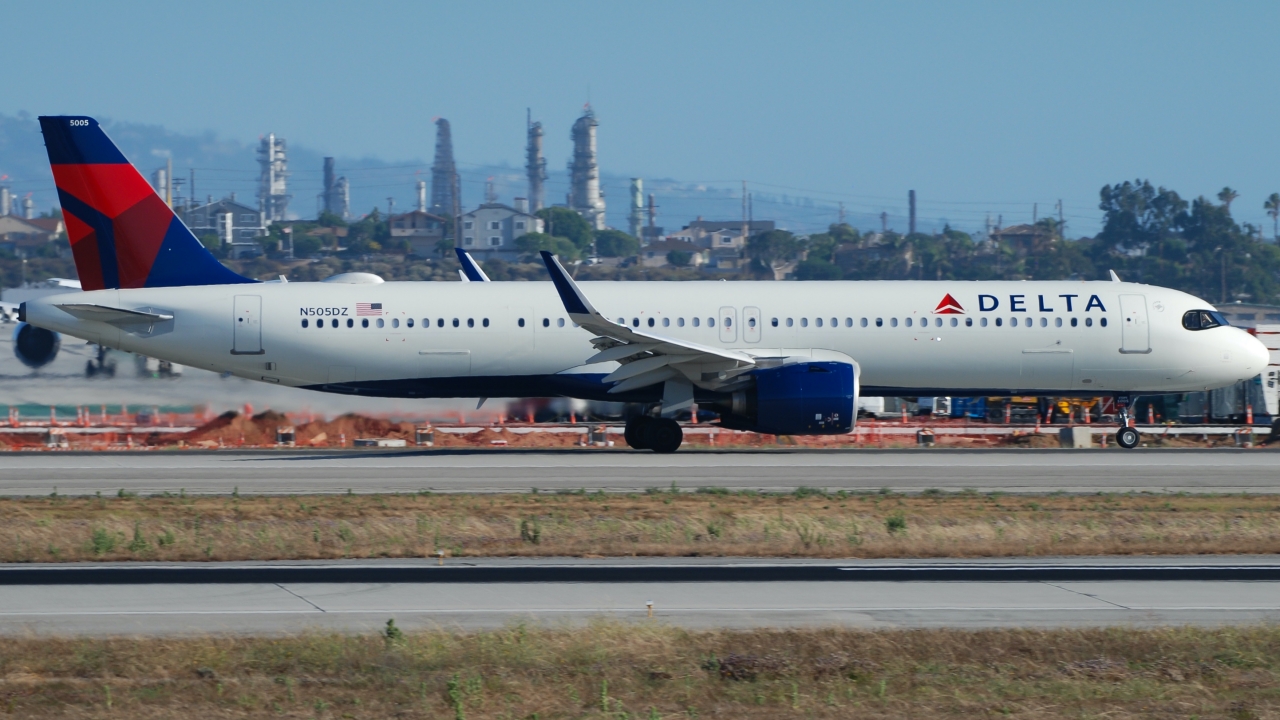

What began as a frustrating but routine weather delay at Hartsfield-Jackson Atlanta International Airport on the evening of April 27, 2026, ended with a passenger in federal custody, a planeload of 168 travellers stranded for more than five hours on the tarmac, and a criminal charge that carries a maximum sentence of 20 years in federal prison. The incident aboard Delta Air Lines Flight DL2879, bound for Chicago O'Hare International Airport, was captured on video by a first-class passenger, spread rapidly across social media, and has reignited a sharp national debate about passenger behaviour, crew authority, and the legal consequences of losing one's composure aboard a commercial aircraft.
What Happened Aboard DL2879
Thomas Ryan has been charged with interference with crew members, a federal offence that carries a fine of up to $250,000. The incident took place on the evening of April 27 aboard Delta flight DL2879 bound for Chicago O'Hare International Airport. Severe thunderstorms forced extended ground holds across ATL, leaving passengers stranded on taxiways for hours.
The plane had already been delayed for about two hours due to the weather before passengers boarded. After the aircraft left the gate, the captain announced another delay because of air traffic in Chicago.
According to the complaint, Ryan got out of his seat and demanded to get off the plane. A flight attendant told investigators Ryan returned to his seat at first, but then got up again and became more aggressive, yelling at crew members and insisting he would get off the aircraft. Authorities say he was told multiple times to sit down.
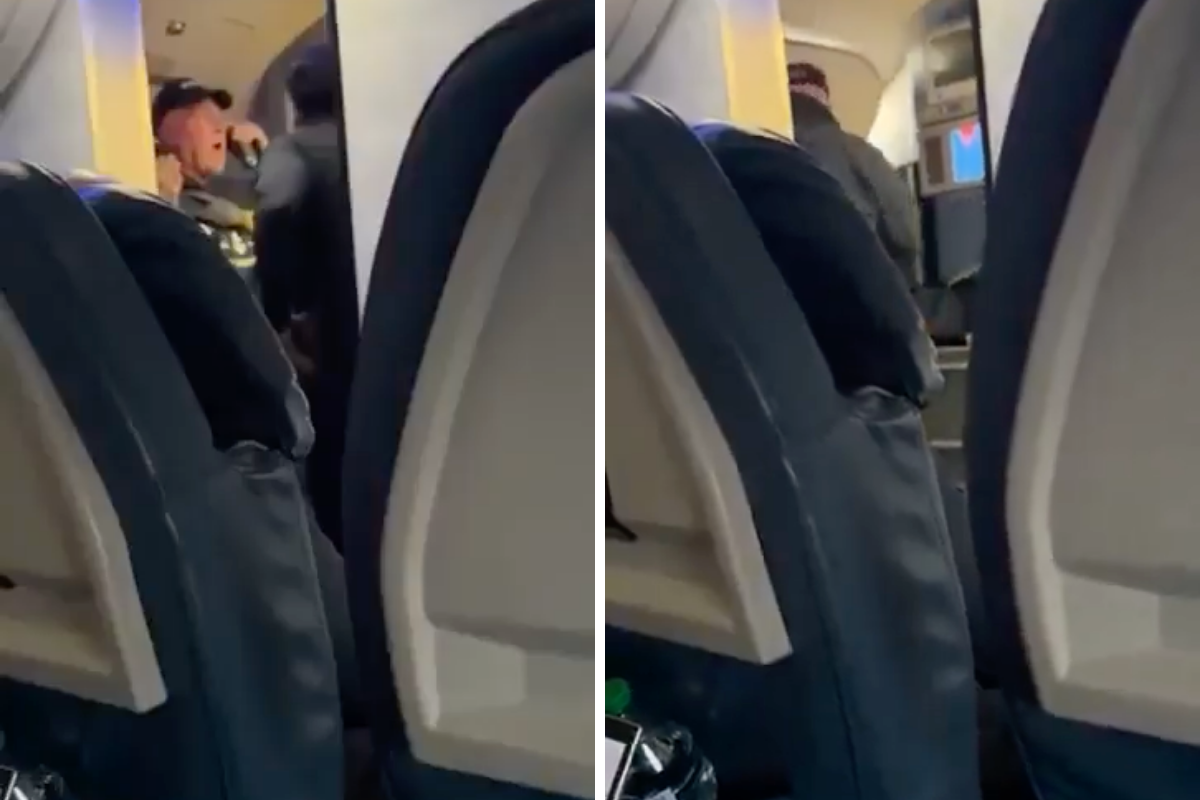
The audio captured on the video that circulated widely illustrates the escalation precisely. Ryan could be heard shouting into the aircraft interphone: "How long has it been delayed already? Three, four hours, and now you're talking another hour?" He then issued an ultimatum to the crew: "Get me to the gate. I want off. Or I'll take myself off."
He yelled, threatened to open the aircraft door, threw bags, and eventually did manage to turn the handle, but not enough for the emergency slide to deploy.
The door did not fully open, and the emergency slide did not deploy, but the incident prompted the captain to return the plane to the gate. A passenger helped intervene, and crew members were eventually able to close the door. Ryan later returned to his seat. Once the plane arrived back at the gate, Atlanta police took Ryan into custody. He was transported to a precinct holding cell, where he declined to speak with investigators.
The Federal Charge and Its Consequences
A federal magistrate judge found probable cause to support the charge of interference with flight crew members and attendants.
The charge, interference with crew members under Title 49 of the United States Code, Section 46504, is one of the most serious aviation offences in federal law. It was designed precisely to protect the authority of crew members over a pressurised aircraft operating in a safety-critical environment. The statute makes no distinction between a flight at altitude and one sitting on a taxiway; what matters is that the aircraft's doors were armed, the aircraft was under crew authority, and that authority was directly and physically challenged.
In a statement, Delta said:
"The safety of our customers and crew comes before all else, and Delta has zero tolerance for unruly behavior."

Only Way Out: Private Aviation in a Region at War
The Timeline and the Scale of the Disruption
Flight tracking data shows the plane left the gate at 7:38 PM but did not take off until 12:44 AM, resulting in more than five hours spent taxiing. The flight ultimately arrived in Chicago at approximately 3 AM.
Delta's original scheduled departure time for DL2879 was 5:24 PM local time. The chain of events, initial weather delay before boarding, departure from gate, further air traffic hold announcement, Ryan's escalating behaviour, the return to gate, police intervention, passenger removal, and eventual departure, consumed the entire evening and delivered 168 travellers to Chicago in the early hours of the following morning.
The irony is not subtle: the action Ryan took in an attempt to exit the aircraft faster caused every other passenger on board to arrive at their destination hours later than the weather delay alone would have required.
The DOT Tarmac Delay Rules Context
The incident occurred against a regulatory backdrop that is worth understanding. US Department of Transportation rules require domestic airlines to offer passengers the opportunity to deplane after a three-hour tarmac delay, and international flights after four hours, unless air traffic control or safety conditions prevent a return to the gate. Airlines that violate these rules face fines calculated per passenger.
DOT already has Tarmac Delay Rules in the US, including a return to the gate for domestic flights after three hours and international flights after four hours. After two hours, airlines are supposed to provide food, water, restrooms, and medical assistance if needed, unless valid safety, security, or air traffic control reasons allow them to exceed these limits.
Whether Delta's ground hold had reached the three-hour threshold at the moment Ryan acted will be a relevant question in any legal proceedings, though it has no bearing on the criminal charge itself. Federal aviation law does not provide a self-help remedy — a passenger who believes their rights are being violated under DOT tarmac rules cannot unilaterally attempt to open an aircraft exit door. The legal remedy is a complaint to the DOT after the fact, not physical interference with the aircraft during the event.

A Federal Pattern That Is Not Slowing Down
Ryan's case is the latest in a pattern of in-flight and on-ground disruptions that have placed aviation law enforcement in the national spotlight throughout 2025 and into 2026. The charge he faces carries the same maximum sentence as a separate case earlier this year in which a passenger attempted to open an exit door on a Delta Connection regional flight mid-air, resulting in an emergency diversion and an identical federal charge.
The FAA and the Department of Justice have made clear that post-pandemic unruly passenger behaviour will be prosecuted at the federal level, not treated as a minor disorder offence. Now this individual has a federal charge against him. The maximum sentence of 20 years reflects the severity with which federal law treats any interference with the authority of a flight crew, an authority that exists because commercial aviation's entire safety framework depends on it being absolute and uncontested.
For Thomas Ryan, a moment of frustration on a taxiway in Atlanta has produced legal consequences that will follow him for the foreseeable future. For the 168 passengers who simply wanted to get to Chicago, it added hours to a delay that severe weather had already made unavoidable.
American Airlines Swaps Landline Buses for CRJ-700 Flights on 84-Mile South Bend to Chicago Route » British Airways Flight to Chicago Forces Emergency Descent After Cabin Pressure Failure » This Week in Aviation: The 10 Stories That Mattered Most »
Comments (0)
Add Your Comment
TAGS
NEWS Delta Air Lines DL2879 Emergency Exit Thomas Ryan Atlanta Airport Federal Charge Tarmac Delay Unruly Passenger FAA Zero Tolerance Flight Interference Chicago OHare Aviation Law Passenger Behaviour Hartsfield-Jackson Flight SafetyRECENTLY PUBLISHED
 United 777 Diverts to Dublin After Cockpit Windscreen Cracks Over the Atlantic
A United Airlines Boeing 777 bound for Milan made a steep descent and diverted to Dublin after its cockpit windscreen cracked mid-flight.
NEWS
READ MORE »
United 777 Diverts to Dublin After Cockpit Windscreen Cracks Over the Atlantic
A United Airlines Boeing 777 bound for Milan made a steep descent and diverted to Dublin after its cockpit windscreen cracked mid-flight.
NEWS
READ MORE »
 Boeing's Touchscreen Flight Controls for 737 Draw Sharp Criticism from Pilots
Boeing's plan to introduce Touchscreen Control Display Units on the 737 has sparked backlash from pilots who warn of safety and usability concerns.
NEWS
READ MORE »
Boeing's Touchscreen Flight Controls for 737 Draw Sharp Criticism from Pilots
Boeing's plan to introduce Touchscreen Control Display Units on the 737 has sparked backlash from pilots who warn of safety and usability concerns.
NEWS
READ MORE »
 Southwest Airlines Blames Brief System Outage for Boarding Delays and Checked Bag Disruptions
Southwest Airlines confirms a brief technology outage disrupted boarding and checked bag operations, forcing gate agents to process travelers manually.
NEWS
READ MORE »
Southwest Airlines Blames Brief System Outage for Boarding Delays and Checked Bag Disruptions
Southwest Airlines confirms a brief technology outage disrupted boarding and checked bag operations, forcing gate agents to process travelers manually.
NEWS
READ MORE »
More than just headlines.
Get unlimited ad-free access to in-depth aviation news, premium stories, and exclusive insights other sites don't cover.
- Ad-free browsing on AeroXplorer
- Unlimited access to premium and exclusive articles
- Higher photo upload limits & commissions on sales
- Free access to Jetstream Magazine on higher tiers
- Ad-free browsing
- Sell aviation photos with 60% commission
- First week free!
- Everything in Basic+
- Unlimited premium articles
- Sell aviation photos with 70% commission
- Free Digital subscription to Jetstream Magazine
- First week free!
- Everything in Basic+ and Pro
- Sell aviaiton photos with 80% commission
- Early access to exclusive stories
- Free Digital+Print subscription to Jetstream Magazine